
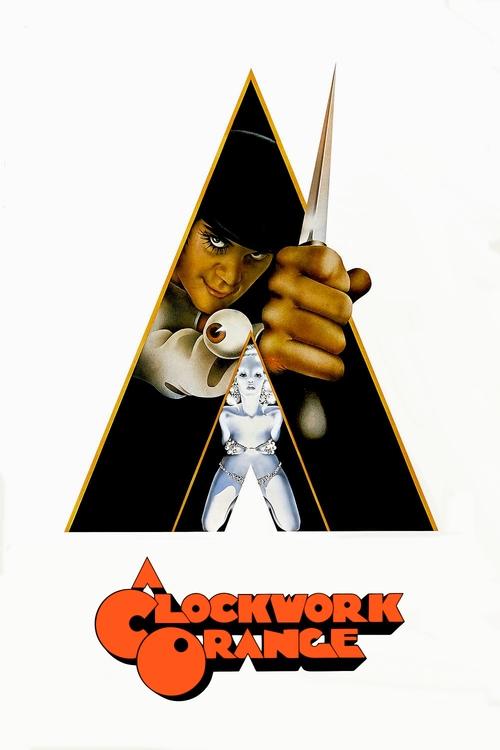
1. A Clockwork Orange
Kubrick’s chilling vision of a dystopian future, *A Clockwork Orange*, remains a stark exploration of free will and the state's coercive power. Through Alex's ultraviolent escapades and subsequent rehabilitation, the film interrogates whether forced morality is truly moral. It’s a masterclass in challenging audience sensibilities, forcing uncomfortable reflection on human nature and the societal structures designed to contain or corrupt it. Its legacy endures, a testament to its audacious, unsettling intellectual provocation.
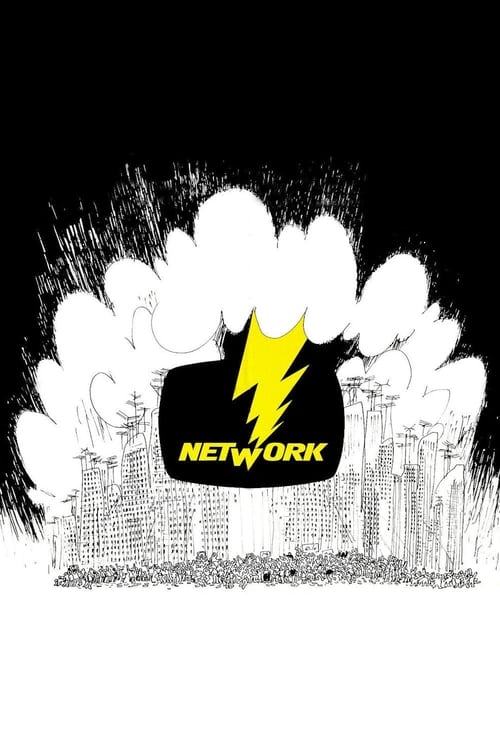
2. Network
Sidney Lumet's *Network* wasn't merely prescient; it was a furious, satirical prophecy regarding television's commodification of rage and despair. Paddy Chayefsky’s scathing script dissects media exploitation, corporate avarice, and the collective yearning for an authentic voice, however unhinged. Howard Beale's "I'm as mad as hell" monologue transcended mere dialogue, becoming an anthem for an alienated public, exposing the cynical machinery that transforms genuine sentiment into profitable spectacle. A searing, vital cinematic scream.

3. Blue Velvet
David Lynch’s *Blue Velvet* peels back the manicured lawn of suburban normalcy to reveal a writhing, psychosexual nightmare underneath. Jeffrey Beaumont’s descent into Lumberton’s shadowy heart is a journey through American innocence corrupted by raw, primal evil. Lynch crafts a distinct, unsettling atmosphere where beauty and depravity intertwine, making us question the very fabric of our perceived reality. It's an intoxicating, disturbing dreamscape, irrevocably altering how we view cinematic narrative and character.
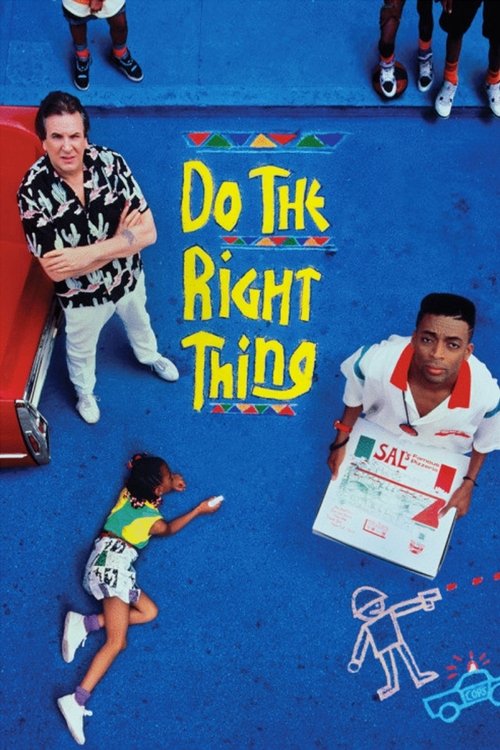
4. Do the Right Thing
Spike Lee’s *Do the Right Thing* remains an incandescent, vital exploration of racial tension simmering beneath a scorching Brooklyn summer. Lee masterfully orchestrates a symphony of diverse voices, each contributing to an escalating sense of unease, culminating in a devastating explosion of violence. It refused easy answers, forcing audiences to confront uncomfortable truths about prejudice, community, and the inherent difficulty in defining "the right thing" when systemic injustices prevail. A foundational work of American cinema.
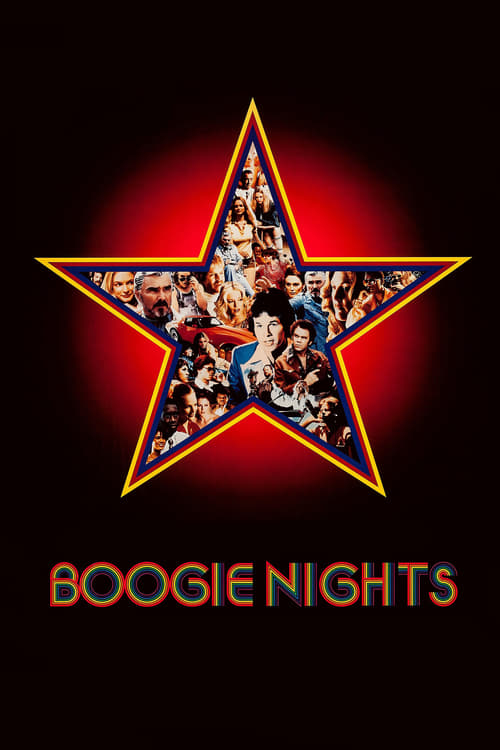
5. Boogie Nights
Paul Thomas Anderson’s *Boogie Nights* chronicles the meteoric rise and precipitous fall of a surrogate family in the late 1970s San Fernando Valley adult film industry. Far from exploitative, Anderson imbues his characters with profound humanity, exploring their aspirations, insecurities, and the intoxicating allure of fleeting fame. It’s an expansive, melancholic portrait of an era’s excess and a nascent industry’s golden age, punctuated by moments of tender intimacy and devastating loss. A masterpiece of character study.
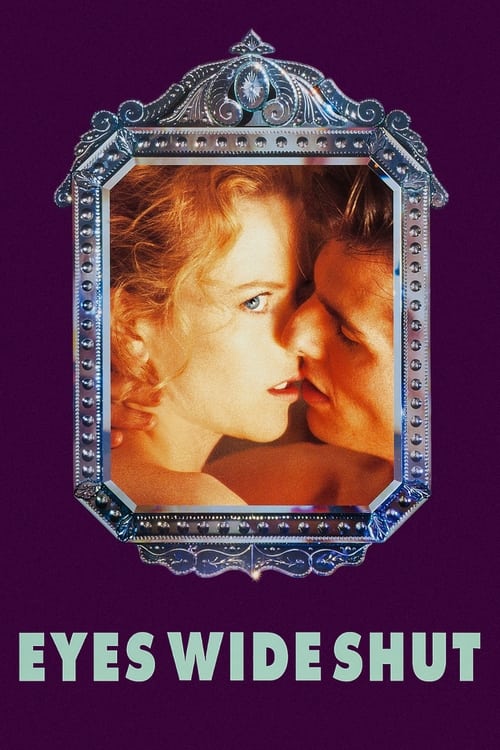
6. Eyes Wide Shut
Stanley Kubrick's enigmatic final film, *Eyes Wide Shut*, plunges into the murky depths of marital fidelity and hidden societal desires. Tom Cruise and Nicole Kidman navigate a labyrinthine odyssey through New York's clandestine sexual underworld, exposing the fragile illusions underpinning their seemingly perfect life. It’s a hypnotic, unsettling dream-logic narrative that questions the very nature of trust and the secrets we keep, even from those closest to us. A profound, lasting cinematic whisper.