1 / 6
1. Playhouse 90
Oh, this was television truly finding its footing, live and sprawling. Imagine, ninety minutes, an original story, broadcast in black-and-white, every week. It was ambitious, a true theater on the air, showcasing incredible talent before they became household names. You could feel the tension of the live broadcast, the immediate drama. And the stories, they had weight, a real sense of purpose. A genuine artifact of early television’s grand aspirations.
2 / 6

2. Naked City
Now, *Naked City* was something else, a grittier look at the concrete jungle. Each week, a new crime, a new face, all against the backdrop of New York. The black-and-white cinematography, it just lent itself to that stark, almost documentary feel. And you heard it at the end: 'There are eight million stories in the naked city. This has been one of them.' It promised realism, and often delivered, a procedural before we even knew what that really meant.
3 / 6
3. One Step Beyond
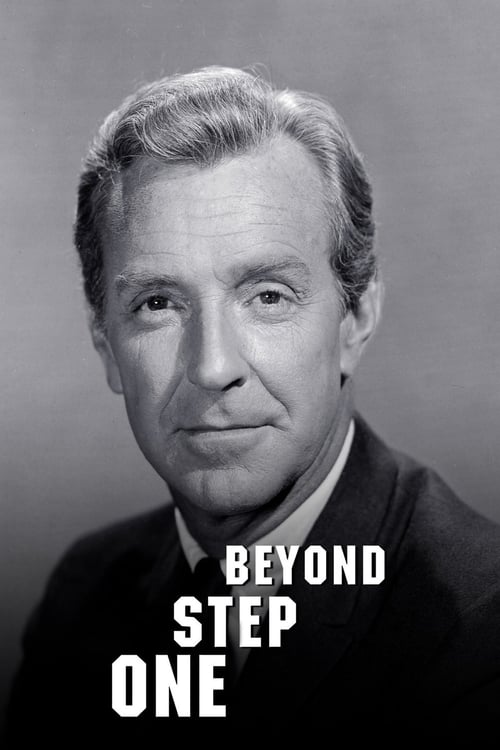
Before *The Twilight Zone* got all clever, there was *One Step Beyond*. This show explored the truly unexplained, those eerie, unsettling events that defied logic. It was an anthology, sure, but with a consistent host, John Newland, who’d frame each tale of psychic phenomena or ghostly encounters. Often filmed in stark black-and-white, it relied on mood and suggestion, not cheap scares. And the psychological aspect, that’s what really lingered.
4 / 6
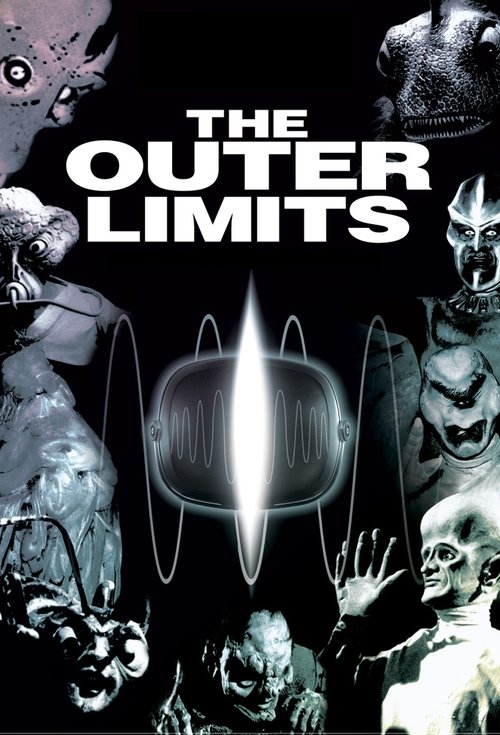
4. The Outer Limits
This one, it was just… different. *The Outer Limits* wasn't just sci-fi; it was often philosophical, using its 'monsters' to explore deeper human conditions. The cinematography was often stunning for the era, those stark black-and-white visuals and strange camera angles. And the opening narration, 'We control the horizontal, we control the vertical...' it was iconic. It challenged you, made you think, and sometimes, it just plain scared you with its creatures.
5 / 6

5. The Fugitive
Ah, Dr. Richard Kimble, a man wrongfully accused, forever on the run. *The Fugitive* was groundbreaking because it embraced long-form continuity like few had before. Every week, he was in a new town, new people, always looking over his shoulder for Lieutenant Gerard. You became invested in his plight. It wasn't just an episode; it was a chapter in a much larger, desperate journey. Black-and-white suspense, played out across the nation.
6 / 6
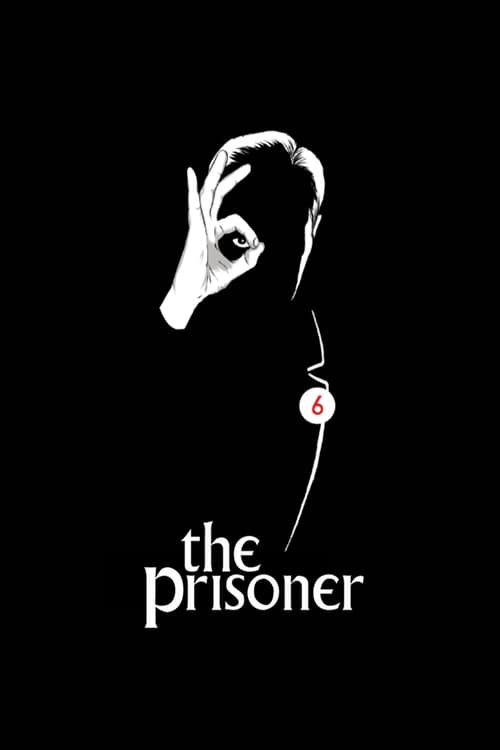
6. The Prisoner
Now, *The Prisoner*? That was a head-scratcher, in the best possible way. Patrick McGoohan, trapped in this idyllic, surreal village, constantly battling for his individuality. It was British, and felt it, with an intelligence and an allegory that went over some heads, I’ll bet. Every episode was a puzzle, a mind game, asking 'Who is Number One?' It pushed the boundaries of what television could be, a true cult classic from the get-go.