
1. Common People
Pulp’s "Common People" wasn't just a song; it was a cultural mirror, reflecting the awkward class dynamics of 90s Britain with a sneer and a synth line. Jarvis Cocker, ever the astute observer, crafted a narrative so sharp, so instantly relatable in its skewering of poverty tourism, that it transcended mere pop. It’s a masterclass in storytelling set to an infectious, almost danceable groove, a soundtrack to every outsider’s internal monologue. The digital clarity of its production still makes those biting lyrics pop.
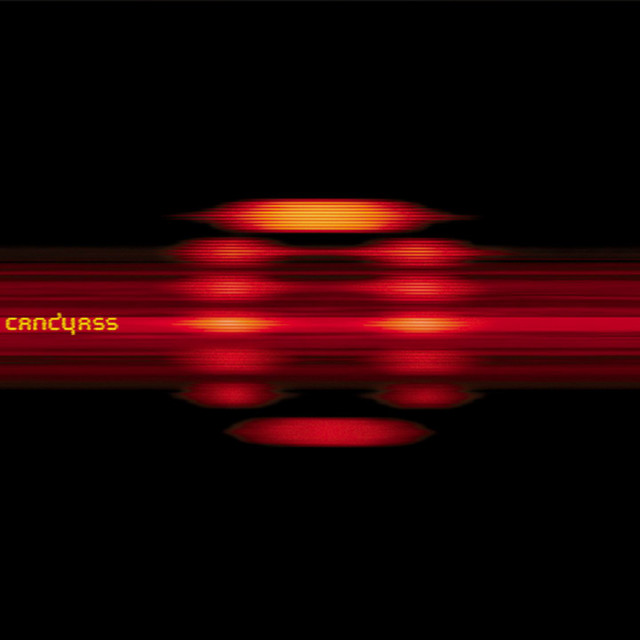
2. Candyass
Orgy’s "Candyass" dropped like a digital bomb, a sleek, synthetic beast wrapped in a goth-industrial sheen. It felt like the future, even if that future was a dimly lit, smoke-filled club where everyone wore pleather. Jay Gordon’s vocals, half-croon, half-snarl, surfed over those heavily processed guitars and pulsing electronics. It wasn’t just rock; it was a cybernetic organism, a testament to how far you could push heavy music into the digital realm without losing its visceral impact. A true 90s anomaly.
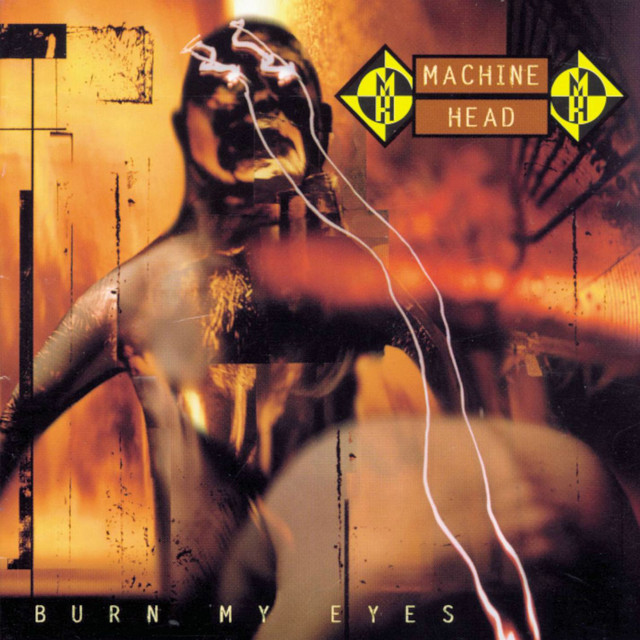
3. Burn My Eyes
Machine Head’s "Burn My Eyes" was an absolute sledgehammer, a furious declaration in the mid-90s metal scene. It wasn't just heavy; it was relentlessly aggressive, a primal scream channelled through precision riffage and crushing rhythm sections. This album felt like the perfect antidote to the grunge malaise for those craving something more viscerally potent. The production, raw but clear, captured every ounce of its intensity, making it sound as devastating today as it did back then. It’s pure, unadulterated metallic catharsis.
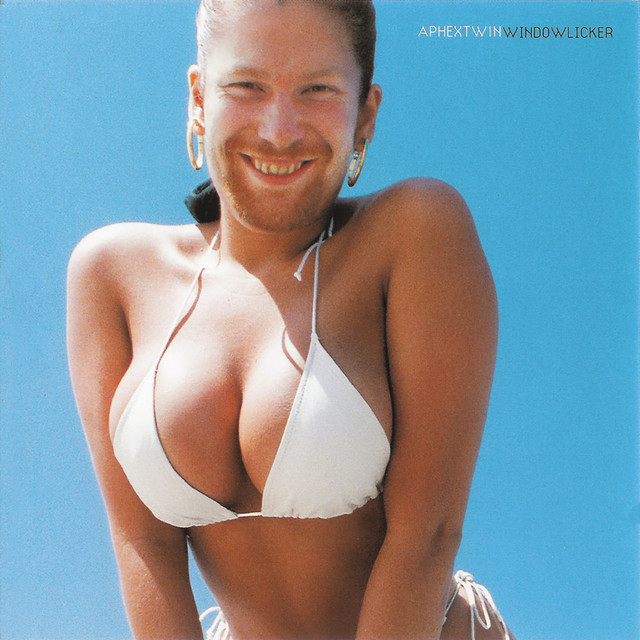
4. Windowlicker
"Windowlicker" felt like Aphex Twin bending reality itself, a track that defied easy categorization then and still does now. It’s got that signature IDM complexity, with rhythms that seem to fall apart and reassemble themselves in dazzling, impossible ways. But underneath the glitchy brilliance and unsettling visuals, there’s an undeniable, almost funky groove. It showcased how electronic music could be simultaneously avant-garde and strangely infectious, a bizarre pop song from a parallel dimension. Still mind-melting, honestly.
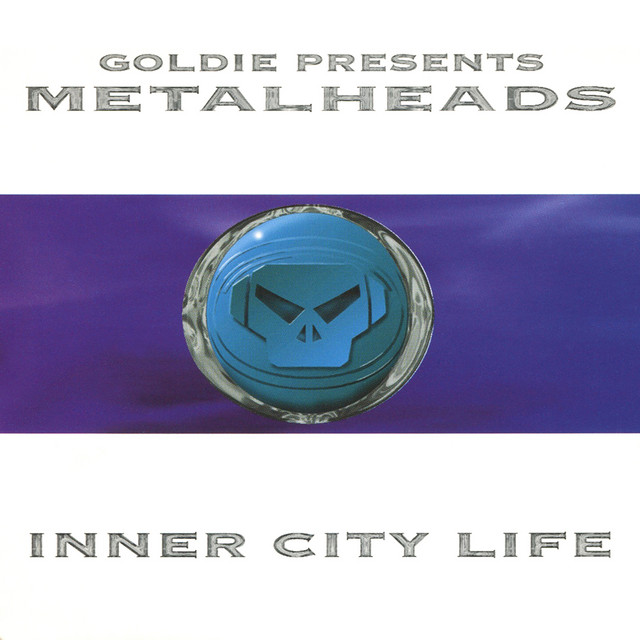
5. Inner City Life
Goldie’s "Inner City Life" wasn't just a drum and bass track; it was an epic, sprawling sonic landscape that captured the urban melancholy and defiant energy of the era. Diane Charlemagne’s vocals soared above those intricate, breakbeat patterns and deep basslines, infusing the raw electronic framework with a profound soulfulness. It proved that jungle could be more than just club fodder, that it could carry immense emotional weight and tell a story. This track still feels like the beating heart of a movement.
6. Everything In Its Right Place
"Everything In Its Right Place" was Radiohead signaling a massive shift, a digital baptism into the 21st century. Those warbling synth pads and Thom Yorke’s processed vocals created an atmosphere that was both alien and deeply introspective. It wasn't about guitars anymore; it was about textures, about the unsettling beauty found in electronic manipulation. This track felt like the sound of anxiety and acceptance coexisting, setting the stage for a new kind of rock, one steeped in digital melancholy. Still gives me chills.