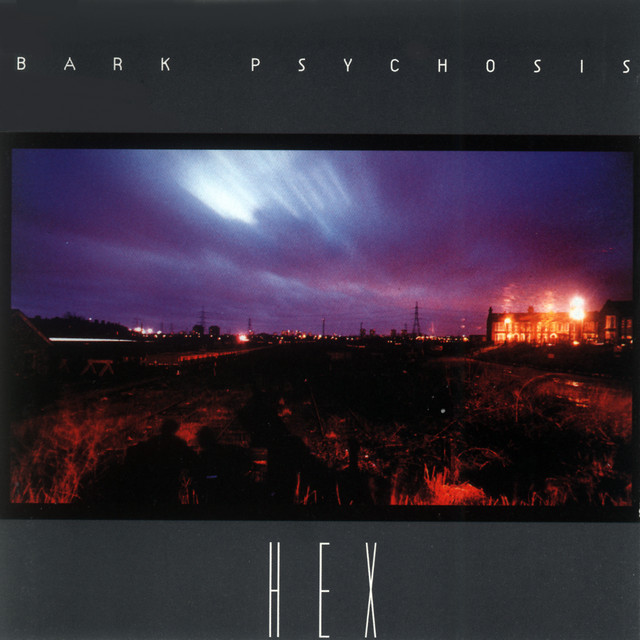
1. Hex
This album felt like a whisper from the future back in '94, something entirely new. It wasn't just another indie rock record; it was *space*. The way those guitars breathed, the minimal beats, the hushed vocals – it painted vast, melancholic landscapes. It showed us that rock could be patient, beautiful, and profoundly atmospheric without needing to shout. A true post-rock blueprint that still washes over you with a quiet intensity, proving that true innovation often arrives subtly.

2. 76:14
This record was the soundtrack to countless late-night coding sessions and existential digital drifts. Dropping in '94, it wasn't just ambient; it was an entire ecosystem of evolving textures. Those long, shimmering tracks unfurled with a patient beauty, blending subtle techno pulses with expansive, almost liquid soundscapes. It felt like a portal, a place to get utterly lost in, and still does. Pure, unadulterated electronic escapism that defined an era of digital chill.
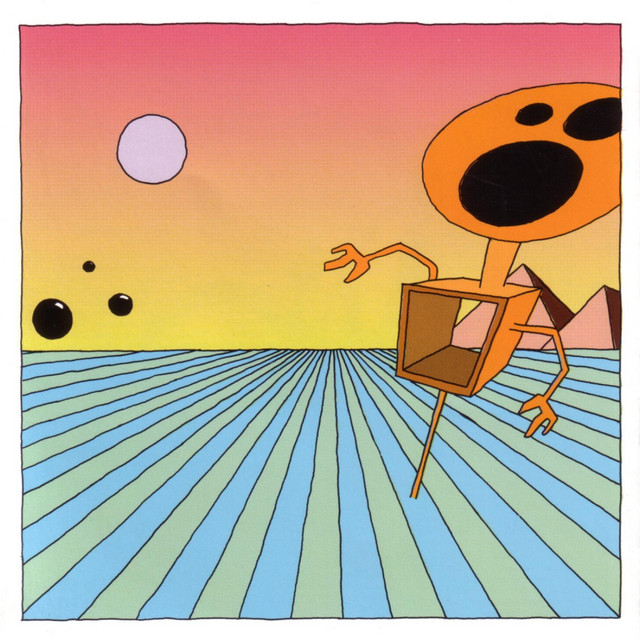
3. Emergency & I
The late '90s were weird, and this album captured that anxious, wired energy perfectly. It's math-rock-adjacent indie, but with a raw, almost conversational intimacy. Travis Morrison’s lyrics were sharp, observational, and often painfully relatable, charting that specific millennial angst before we even knew what to call it. The angular guitars and jerky rhythms somehow coalesce into something incredibly cohesive and emotionally resonant. A cult classic that still feels incredibly vital, a jittery heart of the digital age.

4. Exploded Drawing
Polvo always felt like they were playing by their own rules, and *Exploded Drawing* in '96 was their sprawling masterpiece. This wasn't your typical indie rock; it was a labyrinth of intricate, often dissonant guitar lines that somehow always found their way back to a compelling melody. It was a brainy, slightly unhinged kind of beautiful, challenging you to keep up with its angular shifts and unconventional song structures. For those of us tired of grunge's hangover, this offered a genuinely fresh, intricate path forward.
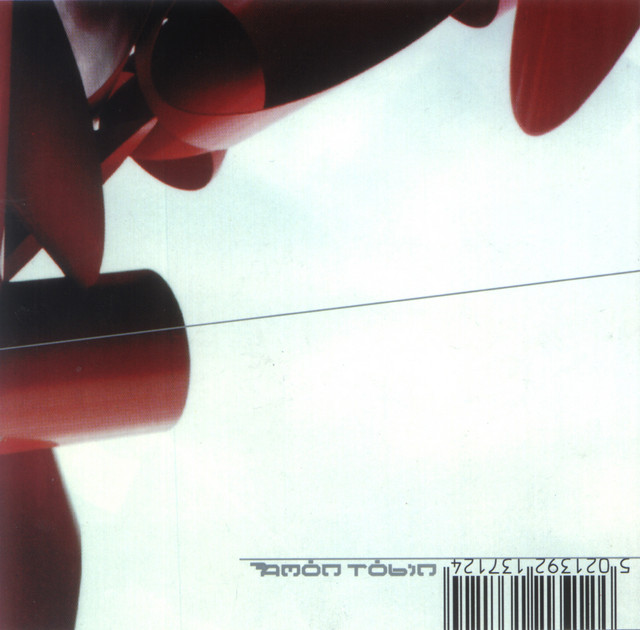
5. Bricolage
Amon Tobin’s 1997 debut was a revelation for anyone paying attention to electronic music's wilder fringes. He took trip-hop's moody foundations and built something entirely new, using a sampler like a mad scientist. The sheer artistry in how he chopped, twisted, and reassembled jazz breaks, cinematic sounds, and found noises was astounding. It wasn’t just beats; it was sonic architecture, a dark, intricate, and utterly immersive world that proved electronica could be as complex and organic as any live band.
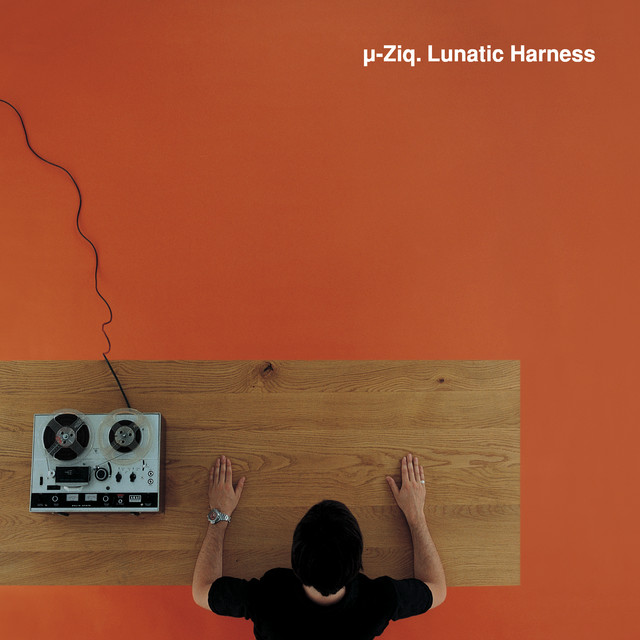
6. Lunatic Harness
If *Bricolage* was intricate, *Lunatic Harness* was outright frenetic, a glorious mess of organized chaos. Released in '97, Mike Paradinas dove headfirst into breakbeat manipulation, creating tracks that felt like a hyperactive jungle rave colliding with an IDM brain-teaser. It's complex, yes, but never loses its emotional core or its infectious, almost playful energy. This album showed just how far electronic music could push rhythmic boundaries while still delivering pure, unadulterated digital exhilaration. It’s still a head-spinning experience.