
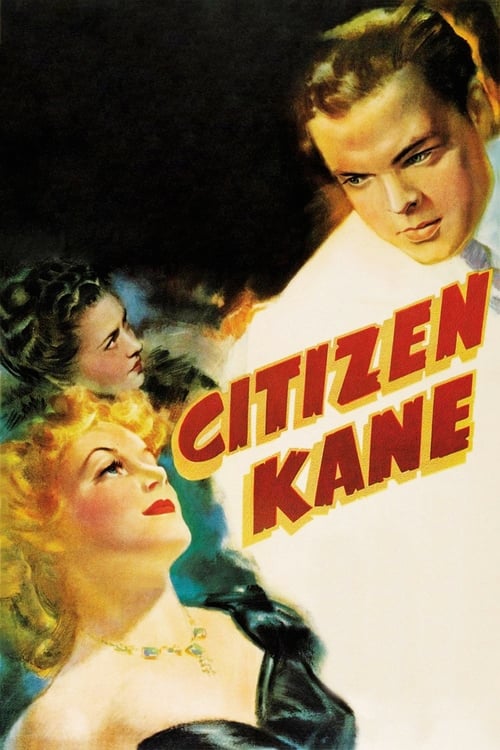
1. Citizen Kane
Orson Welles’s debut redefined cinematic language. Its deep focus, non-linear narrative, and innovative camera work created a visual grammar still studied today. Beyond technical prowess, it profoundly explores the corruption of power and the elusive nature of truth, reflecting a uniquely American obsession with legacy. Kane remains a towering achievement, a masterclass in narrative ambition and visual storytelling.
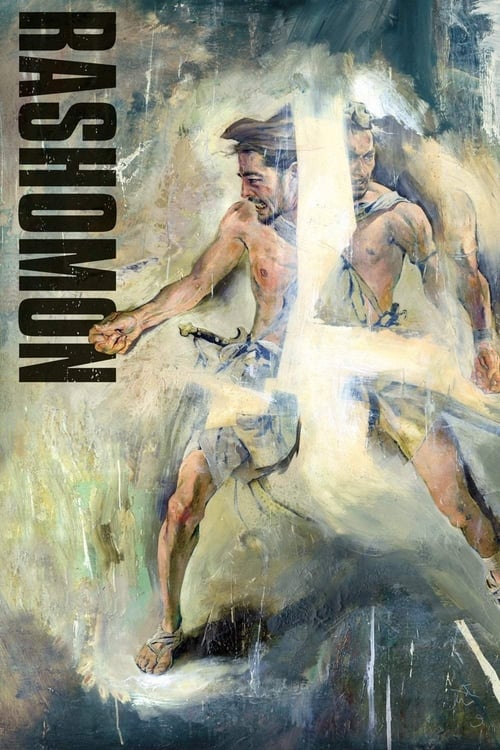
2. Rashomon
Akira Kurosawa’s masterpiece pioneered the multi-perspective narrative, challenging audiences to confront the subjective nature of truth. By recounting a single event through conflicting testimonies, it became a philosophical inquiry into memory, ego, and perception. Its influence on storytelling across all media is immeasurable, solidifying its place as a cornerstone of global cinema. A truly mind-bending experience.
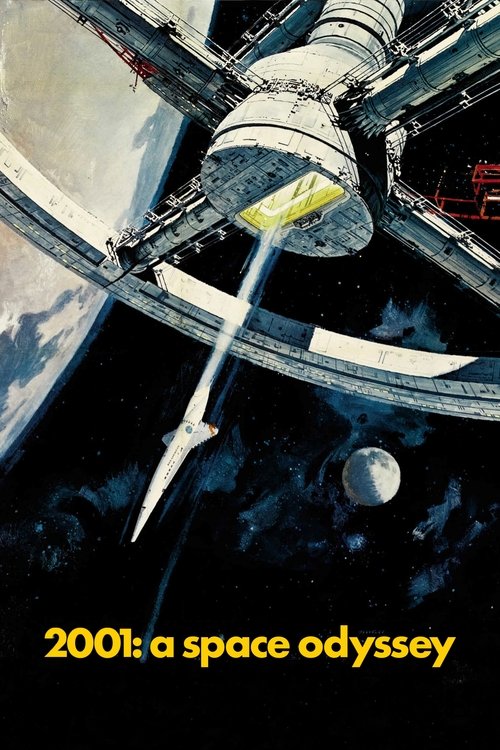
3. 2001: A Space Odyssey
Stanley Kubrick’s monumental vision of human evolution and artificial intelligence remains unparalleled. Its breathtaking visuals, groundbreaking special effects, and philosophical depth transcended typical science fiction. Without relying on dialogue, it communicated profound ideas about humanity's past, present, and future, forever altering how filmmakers approach cosmic narratives. An epic, intellectual journey.
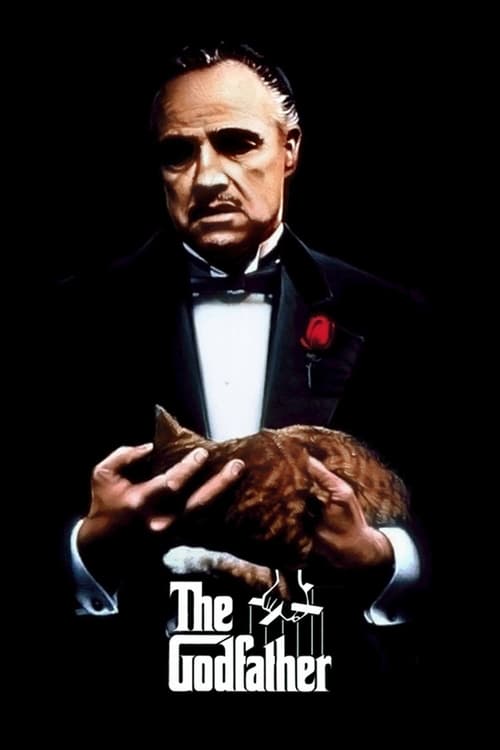
4. The Godfather
Francis Ford Coppola crafted an operatic tragedy, elevating the gangster film into a profound American epic. Its meticulous character development, iconic performances, and unflinching look at power, family, and corruption resonate deeply. More than a crime story, it’s a Shakespearean drama about the corrosive nature of ambition and loyalty, leaving an indelible mark on cinematic history.
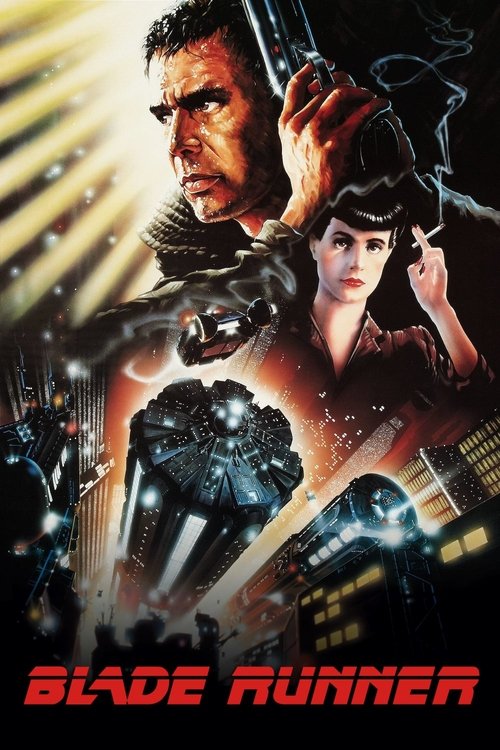
5. Blade Runner
Ridley Scott's dystopian neo-noir established the aesthetic blueprint for cyberpunk. Its rain-soaked, perpetually dark Los Angeles and existential questions about what defines humanity, artificial intelligence, and memory are deeply unsettling. It's a visually stunning, mood-driven meditation on identity and decay, whose influence on subsequent science fiction, both visually and thematically, is profound. A truly atmospheric vision.
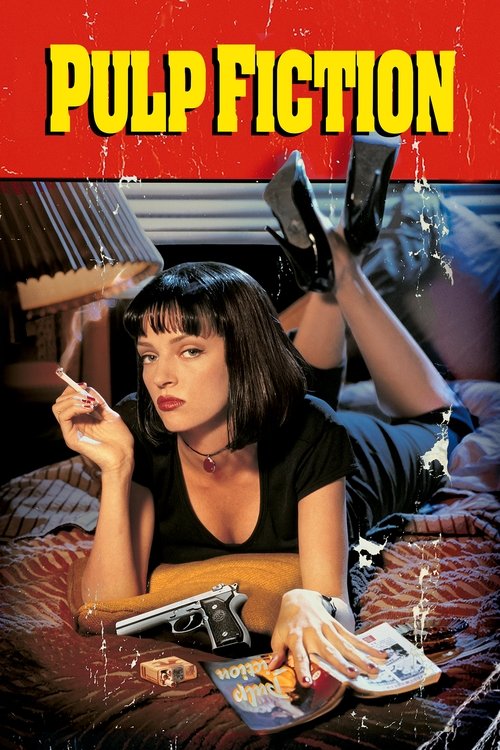
6. Pulp Fiction
Quentin Tarantino exploded onto the scene with this non-linear, dialogue-driven crime mosaic. Its audacious structure, pop culture references, and distinctive blend of dark humor and sudden violence revitalized independent cinema. It proved that narrative conventions could be playfully subverted, creating a unique, influential style that continues to inspire and provoke. A chaotically brilliant film.