

1 / 6
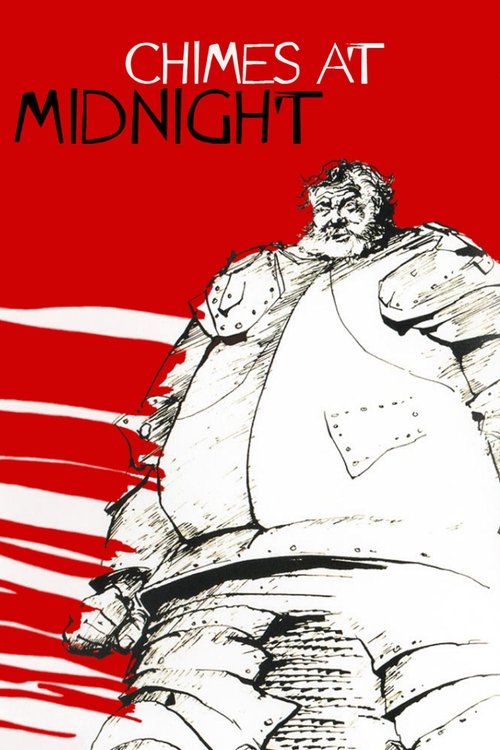
1. Chimes at Midnight
What if Welles had secured consistent funding and creative control throughout his career? This film, a masterwork, hints at the artistic heights he could have consistently achieved. It stands as a profound testament to his genius despite persistent adversity, a poignant elegy to an era, and a deeply felt homage to a character he embodied. The legendary battle sequence, chaotic and viscerally real, remains a benchmark.
2 / 6
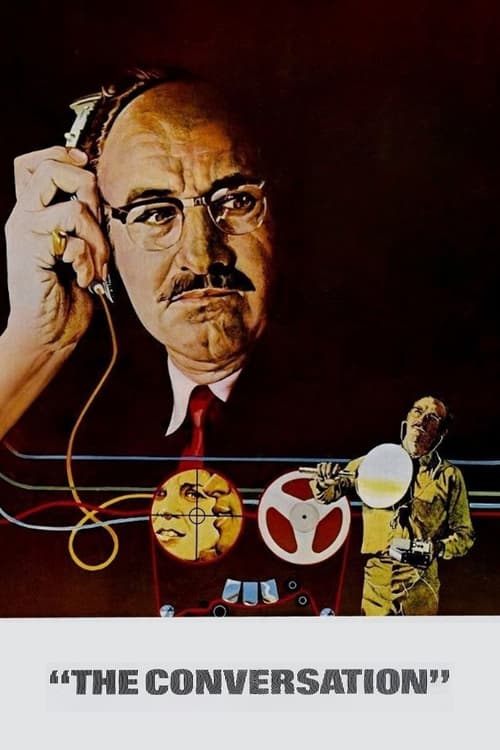
2. The Conversation
Gene Hackman's Harry Caul, a surveillance expert, could have dismissed the ambiguous recording. Instead, his moral awakening and escalating paranoia lead him down a path of self-destruction and profound isolation. Released amidst Watergate, it's a chilling exploration of conscience in a world increasingly stripped of privacy, a quiet masterpiece of psychological dread. Coppola’s meticulous craft intensifies the chilling atmosphere.
3 / 6
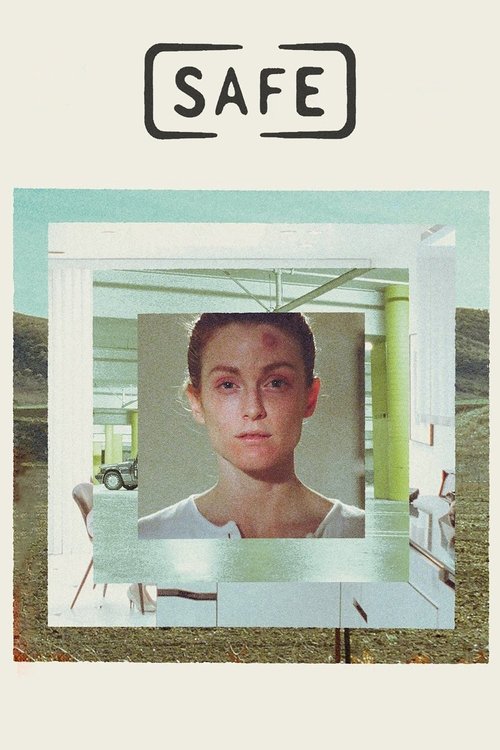
3. Safe
Julianne Moore's Carol White could have continued her comfortable, oblivious suburban life. Her "environmental illness" forces a radical re-evaluation, pushing her towards an isolated, self-imposed exile. The film meticulously charts her descent into a hermetic existence, questioning the very notion of 'wellness' and the unseen toxins, both physical and societal, that permeate our lives. A devastating portrait of alienation and contemporary anxiety.
4 / 6
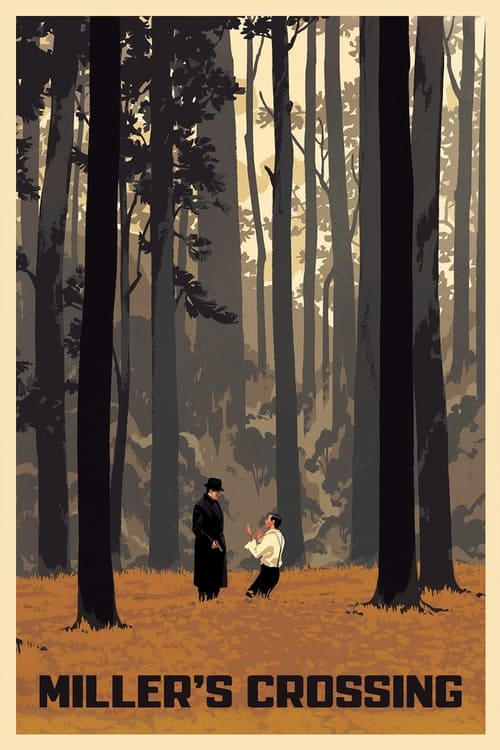
4. Miller's Crossing
Tom Reagan, the consigliere, navigates treacherous gangland politics. His pivotal decision to save Bernie, repeatedly, despite the spiraling consequences, is the film's moral and narrative fulcrum. It's a labyrinthine tale of loyalty, betrayal, and ambiguous motivations, meticulously crafted with the Coens' signature blend of dark humor and existential dread. The iconic hat, of course, becomes a character in itself.
5 / 6
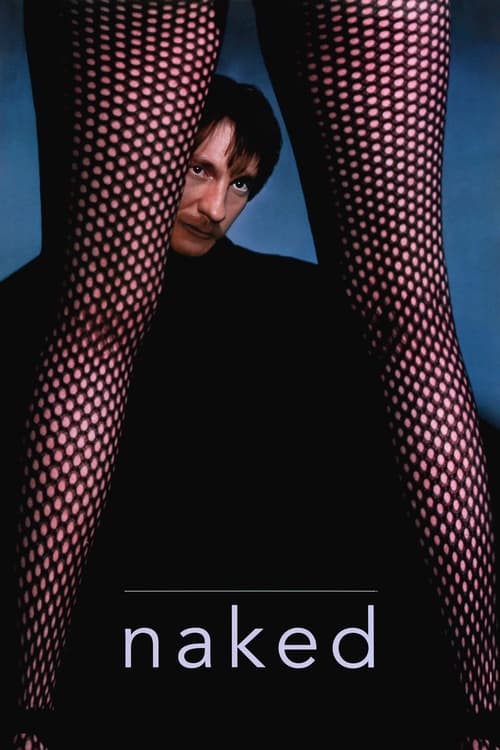
5. Naked
Johnny, the articulate, misanthropic drifter, could have stayed in Manchester. His flight to London and subsequent nocturnal wanderings unleash a torrent of cynical philosophy and brutal encounters. It's a raw, unflinching portrait of a man utterly detached, yet profoundly engaged in a destructive dialogue with the world, a devastating examination of societal breakdown and intellectual despair. David Thewlis’s performance is mesmerizing.
6 / 6
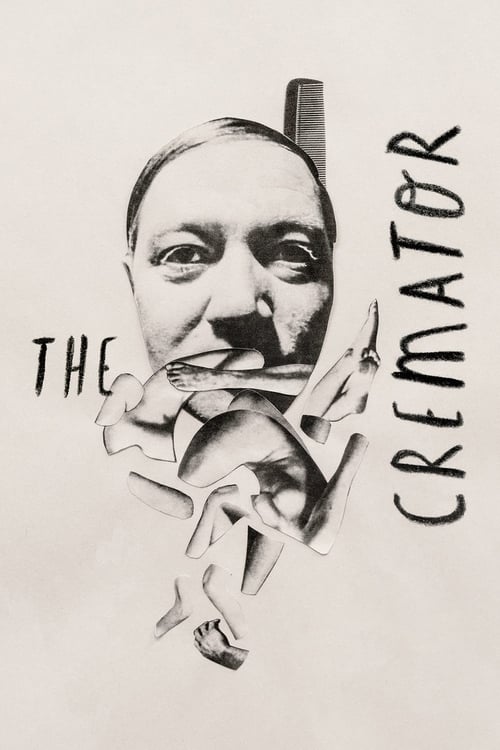
6. The Cremator
Karl Kopfrkingl, the seemingly innocuous cremator, could have remained a benign, if eccentric, family man. His gradual descent into madness, fueled by perverse ideology and a twisted sense of duty, transforms him into a monster. This chilling, darkly comedic film, a product of its tumultuous era, is a masterclass in psychological horror and societal critique, reflecting the creeping fascism that can infect even the most mundane souls.