
1. Come and See
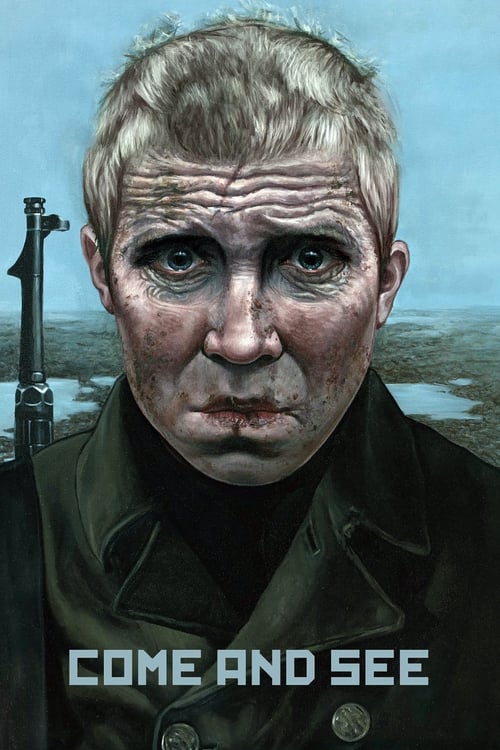
Elem Klimov’s "Come and See" is less a war film and more a visceral, hallucinatory descent into hell, viewed through the eyes of a young Belarusian partisan. Its unflinching gaze at the atrocities of World War II, presented with a stark, almost documentary-like realism, leaves an indelible scar. Klimov’s auteur vision transforms the protagonist, Florya, from an innocent boy to a haunted, aged figure in a mere two hours, a profound reflection on war’s soul-crushing power and humanity's capacity for both resilience and barbarity.
2. Harold and Maude
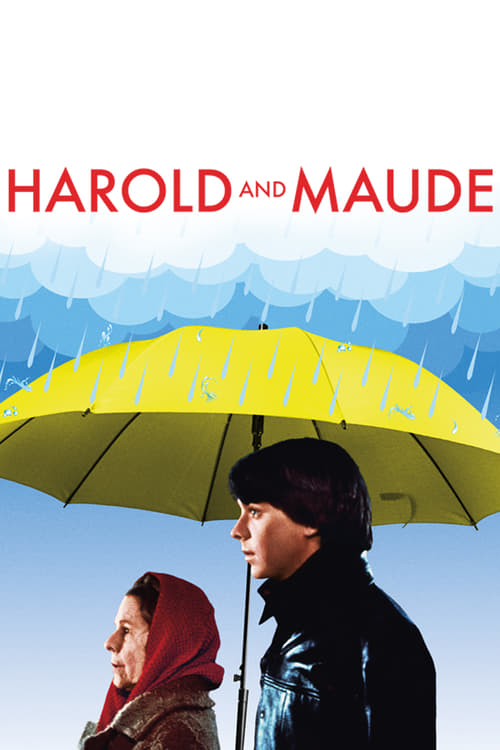
Hal Ashby’s "Harold and Maude" remains a beautifully bizarre counter-culture artifact, a dark comedy that champions life against the backdrop of death. The unconventional romance between a death-obsessed young man and a life-affirming octogenarian challenges societal strictures, offering a poignant meditation on individuality, joy, and the fleeting nature of existence. Ashby, with his characteristic humanism, crafts an ode to living authentically, proving that love and understanding can bloom in the most unexpected places.

3. Primer
Shane Carruth’s "Primer" is an astonishing feat of micro-budget filmmaking, a cerebral time-travel narrative that foregoes spectacle for rigorous intellectual puzzle-solving. Its dense, non-linear plot demands multiple viewings, meticulously detailing the scientific and ethical complexities of temporal displacement. Carruth, as writer, director, and star, crafted a singular vision, exploring ambition, paranoia, and the corrosive nature of knowledge, proving that true sci-fi can be built on ideas, not just effects.
4. A Ghost Story
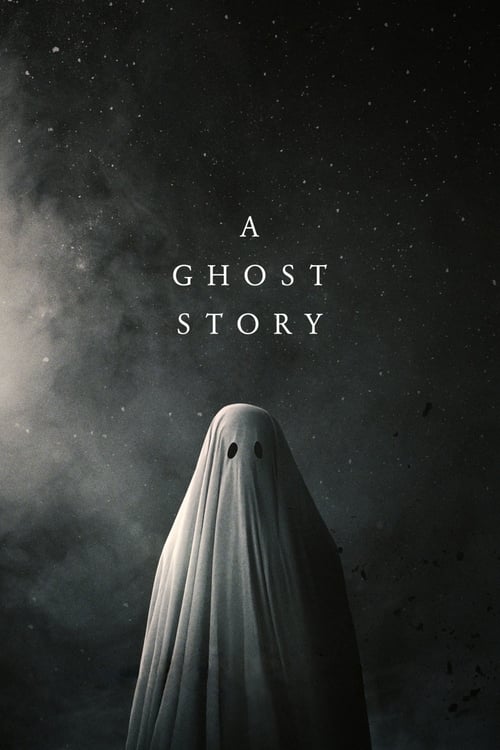
David Lowery’s "A Ghost Story" is a surprisingly profound meditation on grief, time, and the enduring human desire for connection, presented with striking minimalist elegance. The image of a sheet-clad ghost observing his former life is deceptively simple, yet it unlocks vast existential questions about legacy, memory, and our place in the cosmic continuum. Lowery’s auteur voice shines through this quiet, melancholic film, transforming a familiar trope into a deeply moving and reflective experience.
5. The Vanishing
George Sluizer’s original Dutch-French "The Vanishing" (Spoorloos) is a masterclass in psychological suspense, a chilling exploration of obsession and the banality of evil. A man’s relentless search for his missing girlfriend leads him into a horrifying pact with her abductor, culminating in one of cinema’s most disturbing and unforgettable endings. Sluizer brilliantly subverts thriller conventions, focusing not on the "who" but the "why," exposing the darkest corners of human curiosity and malevolence.

6. La Jetée
Chris Marker’s "La Jetée" is a monumental achievement in experimental cinema, a "photo-roman" composed almost entirely of still photographs. This post-apocalyptic sci-fi short explores memory, time travel, and the circularity of fate with haunting poeticism. Marker's auteur sensibility crafts a deeply philosophical narrative, proving that profound emotional and intellectual impact doesn't require moving images. Its influence, notably on Terry Gilliam’s *12 Monkeys*, underscores its enduring power as a meditation on human existence and destiny.