
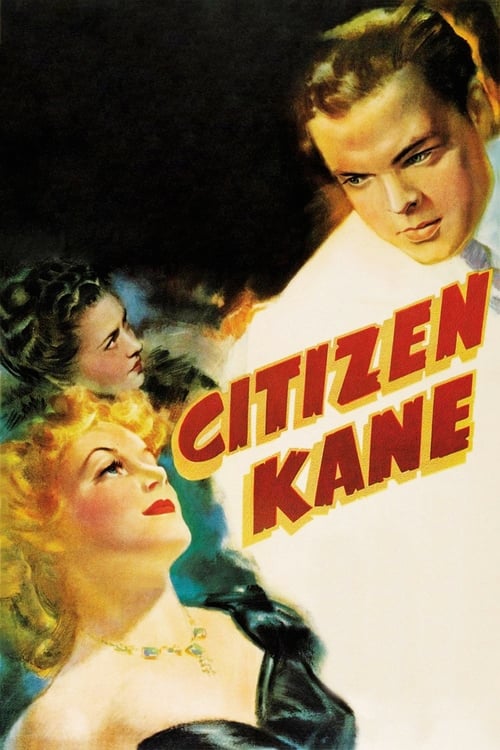
1. Citizen Kane
Orson Welles, a prodigy of theatre and radio, redefined cinematic language with his debut. *Citizen Kane* (1941) isn't just a biographical puzzle; it's a masterclass in deep focus, non-linear narrative, and expressive cinematography, cementing Welles's auteur status. Its exploration of ambition, power's corrosive effect, and the elusive nature of truth still resonates, questioning the American Dream and the legacy one leaves behind. Its influence on subsequent generations of filmmakers is immeasurable, a foundational text in film history.
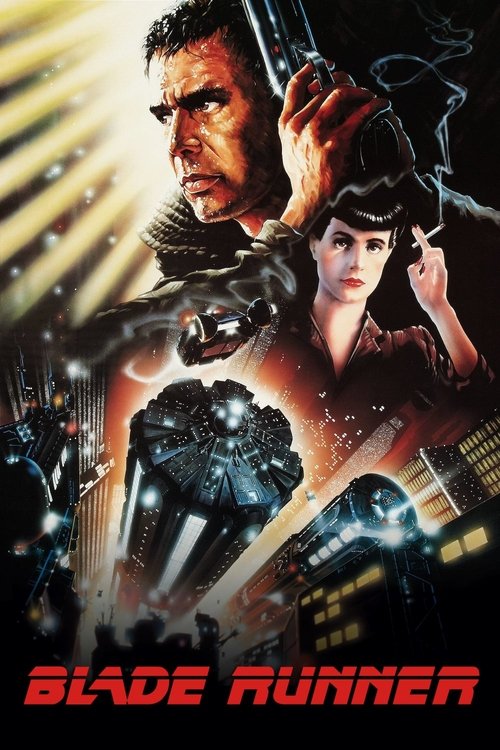
2. Blade Runner
Ridley Scott's *Blade Runner* (1982), a cornerstone of the cyberpunk genre, masterfully blends neo-noir aesthetics with profound existential questions. Its rain-slicked, perpetually dark Los Angeles future envisioned a world wrestling with artificial intelligence, corporate dominion, and what it truly means to be human. The film's meticulous world-building and philosophical depth continue to spark debate, demonstrating cinema's capacity for societal reflection. It’s a haunting, atmospheric journey into the nature of consciousness itself.
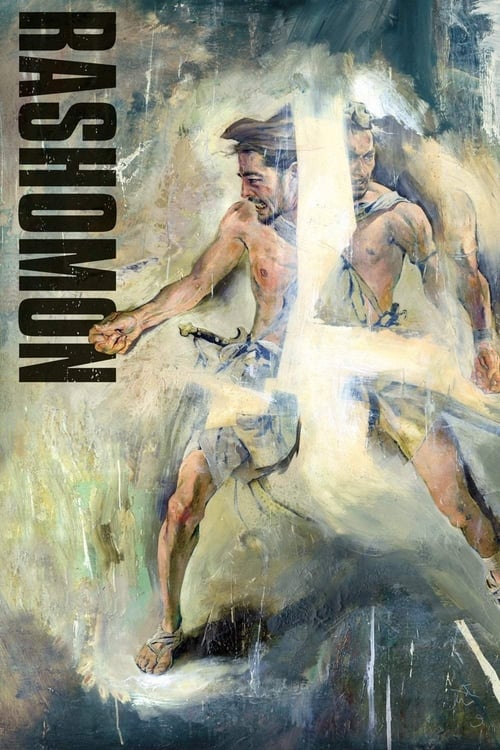
3. Rashomon
Akira Kurosawa's *Rashomon* (1950) fundamentally altered cinematic storytelling by presenting a single event through multiple, conflicting perspectives. This revolutionary narrative device, which gave birth to the 'Rashomon effect,' forces the audience to confront the subjectivity of truth and the unreliable nature of human memory. It's a profound exploration of ego, self-interest, and perception, solidifying Kurosawa's international reputation and showcasing cinema's power to dissect the very fabric of reality.
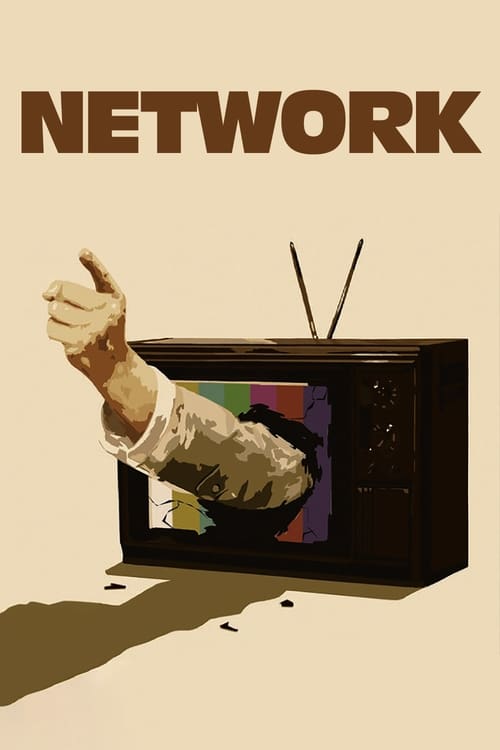
4. Network
Paddy Chayefsky's *Network* (1976) remains shockingly prescient, a blistering satire on media sensationalism and corporate greed. Sidney Lumet’s direction captures the escalating madness of a news anchor's breakdown becoming a televised spectacle, predicting reality television and the blurring lines between entertainment and journalism with unnerving accuracy. It's a furious, darkly comedic indictment of how media exploits human vulnerability, an urgent warning about the commodification of anger and truth in the public square.
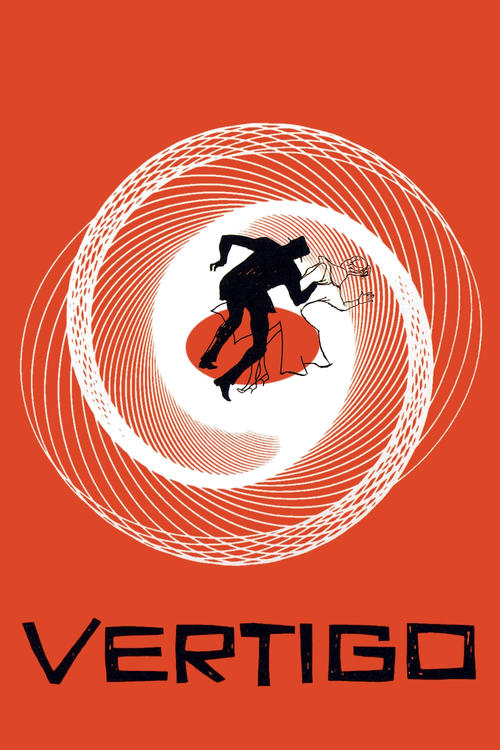
5. Vertigo
Alfred Hitchcock’s *Vertigo* (1958) is a labyrinthine psychological thriller, a masterwork of cinematic obsession and identity. Its swirling camera movements, haunting score, and San Francisco backdrop immerse viewers in Scottie Ferguson's tortured psyche as he attempts to reconstruct a lost love. A profound and deeply personal film for Hitchcock, it explores themes of control, fantasy, and the male gaze with disturbing elegance. *Vertigo* stands as a testament to cinema's capacity for emotional depth and visual storytelling.
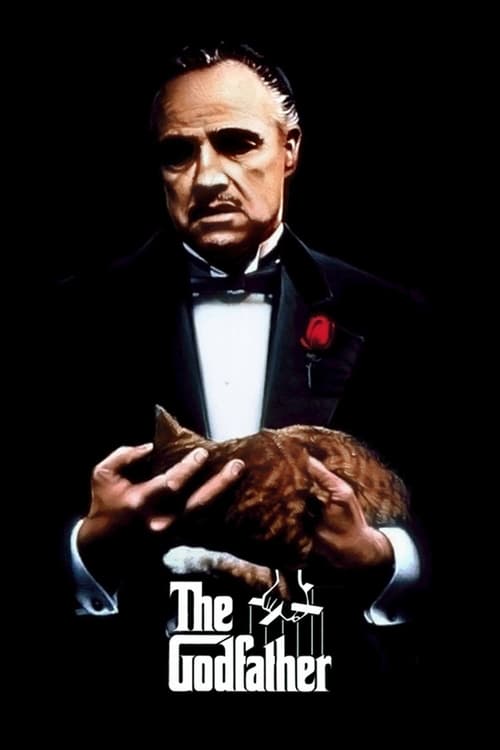
6. The Godfather
Francis Ford Coppola's *The Godfather* (1972) transcended the gangster genre, becoming an American epic that redefined storytelling. It's a meticulous study of family, loyalty, power, and corruption, charting the Corleone saga with Shakespearean grandeur. The film masterfully uses light, shadow, and operatic pacing to craft an indelible world, reflecting on the darker side of the American Dream. Its profound impact on popular culture and filmmaking technique cemented its status as a timeless masterpiece.