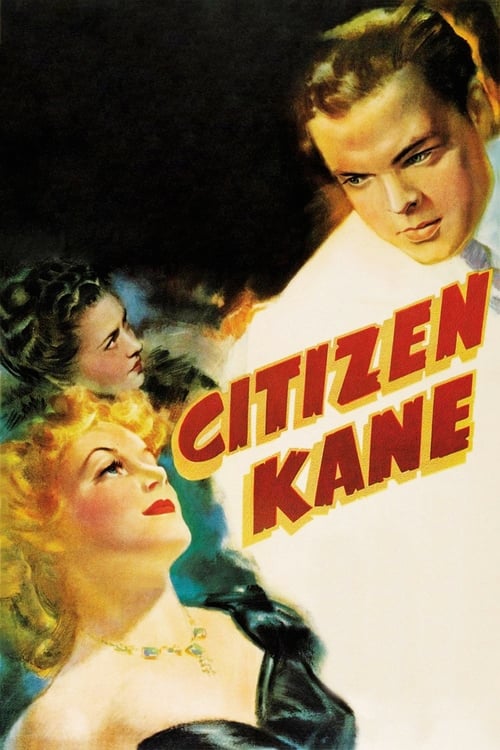
1. Citizen Kane
Orson Welles' audacious debut fundamentally reshaped cinematic language, introducing non-linear narratives, deep focus, and innovative sound design. It wasn't merely a story of a press magnate; it was a profound interrogation of memory, perception, and the elusive nature of truth. The film's structural daring and thematic ambition established a new benchmark for what cinema could achieve, forever influencing how stories are told and perceived on screen. Its legacy is in the very grammar of filmmaking.
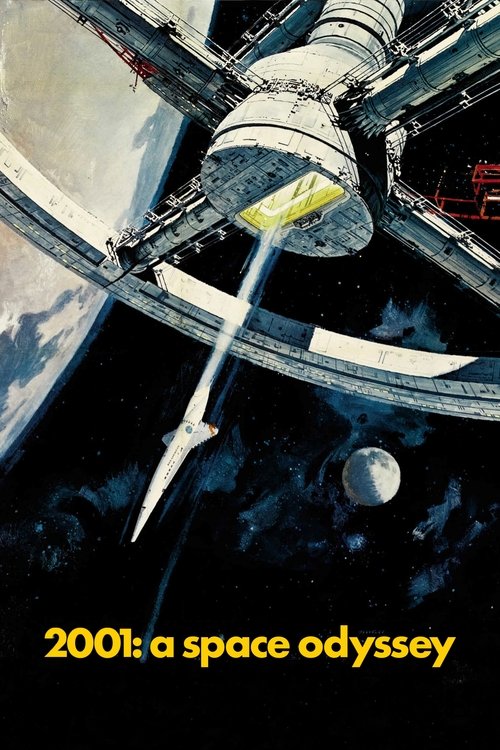
2. 2001: A Space Odyssey
Stanley Kubrick's cerebral epic transcended genre, becoming a philosophical treatise on human evolution, artificial intelligence, and our place in the cosmos. Its breathtaking visuals, revolutionary special effects, and deliberate pacing created an immersive, almost spiritual experience. The film poses existential questions without offering easy answers, inviting audiences to confront the vast unknown. It remains a singular achievement, a true testament to cinema's capacity for profound intellectual and sensory engagement.
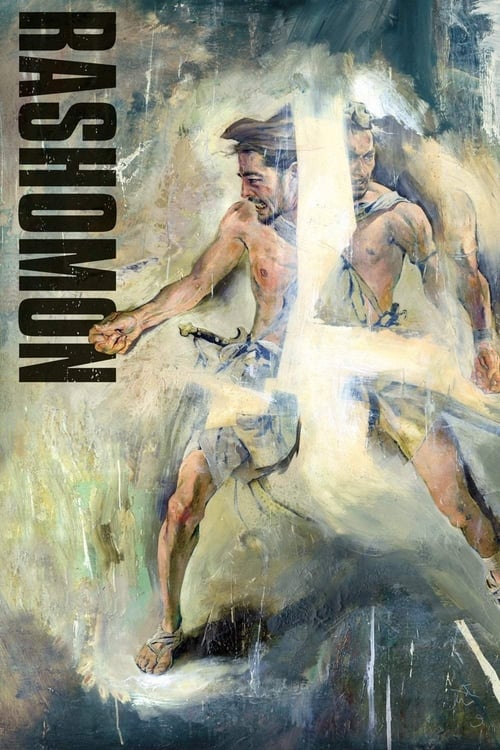
3. Rashomon
Akira Kurosawa’s landmark work didn't just tell a story; it interrogated the very concept of objective truth. By presenting a single event through conflicting perspectives, it exposed the inherent subjectivity of human experience and memory. This revolutionary narrative structure, later dubbed the 'Rashomon effect,' profoundly influenced countless films and television series, cementing its place as a pivotal moment in global cinema for its daring exploration of perception and morality.
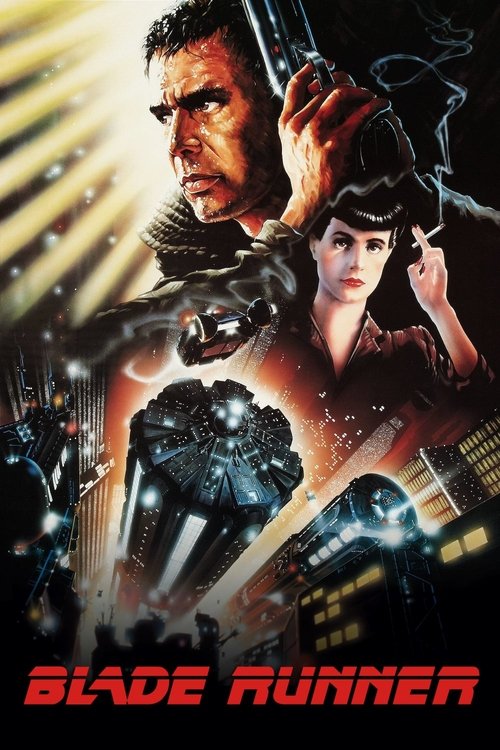
4. Blade Runner
Ridley Scott’s neo-noir masterpiece forged a new cinematic aesthetic, defining the cyberpunk genre with its rain-slicked, dystopian Los Angeles. Beyond its groundbreaking visuals, the film wrestled with profound questions of identity, humanity, and artificiality, blurring the lines between creation and creator. It remains a potent meditation on what it means to be alive, its melancholic atmosphere and philosophical weight resonating deeply, influencing generations of science fiction.
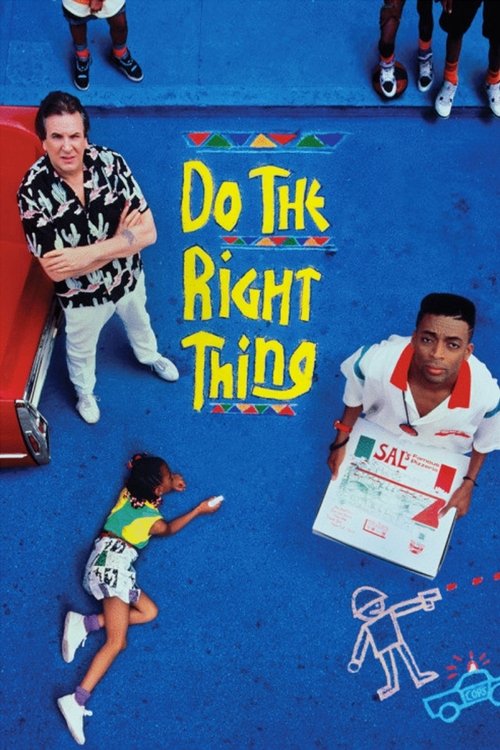
5. Do the Right Thing
Spike Lee’s potent, vibrant masterwork captured the simmering racial tensions of a Brooklyn summer day with raw authenticity and unflinching honesty. It refused simplistic answers, instead presenting a nuanced, often uncomfortable, portrait of community, prejudice, and the catalysts for conflict. The film sparked vital conversations about race relations and moral ambiguity, solidifying Lee's status as a vital auteur capable of both social critique and cinematic artistry.
6. Parasite
Bong Joon-ho's Palme d'Or and Oscar-winning triumph masterfully dissected class inequality with a darkly comedic, suspenseful, and ultimately tragic narrative. Its intricate plotting and brilliant performances created a biting social satire that transcended cultural boundaries, resonating globally with its exploration of economic disparity and the desperation it breeds. The film's audacious blend of genres and sharp commentary marked it as a contemporary classic.