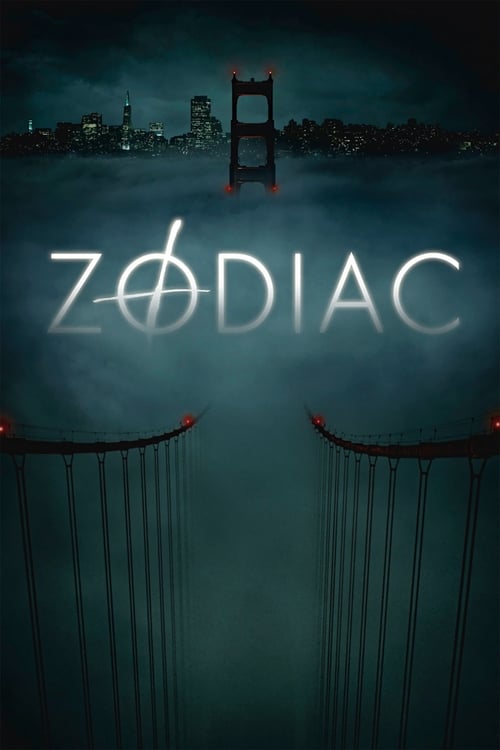
1. Zodiac
Fincher’s meticulous reconstruction of the Zodiac killer case transcends mere true crime, becoming a chilling study in obsession – both the killer's and the investigators'. Its historical grounding and atmospheric tension reflect a society grappling with unseen terrors, where answers remain elusive. The film's patient, almost forensic pacing highlights the futility of absolute closure, a sobering reflection on the persistent shadows within the American psyche. It's an auteur's precise dissection of a haunting historical enigma.
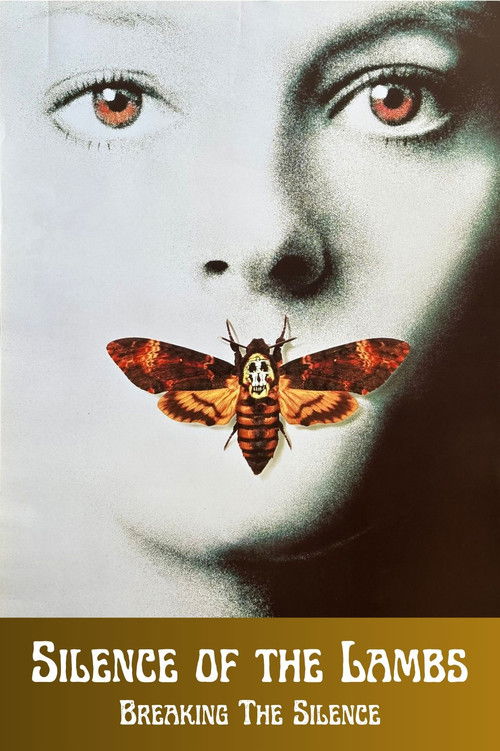
2. Silence of the Lambs: Breaking the Silence
Jonathan Demme's classic redefined the psychological thriller, not just through its iconic performances, but by daring to explore the profound terror of empathy. Clarice Starling's journey into the minds of monsters, particularly Hannibal Lecter, is a masterclass in character-driven suspense. It reflects a societal fascination with the psychology of evil, asking uncomfortable questions about perception and humanity's darker impulses, cementing its place as a genre touchstone.
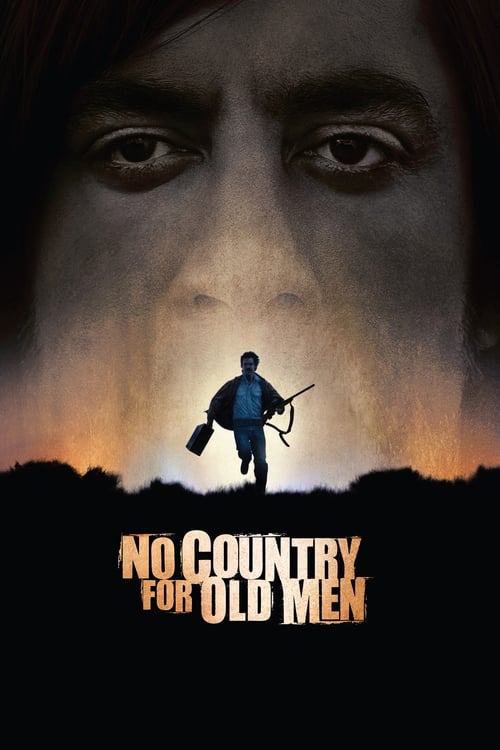
3. No Country for Old Men
The Coen Brothers, in their adaptation of Cormac McCarthy, delivered a stark, existential western for the modern age. Its unflinching depiction of violence and inescapable fate, personified by Anton Chigurh, is a chilling meditation on a world devoid of discernible morality. This film isn't just a crime thriller; it’s a lament for a bygone era, reflecting a profound societal unease with the randomness and brutality that can permeate everyday existence.
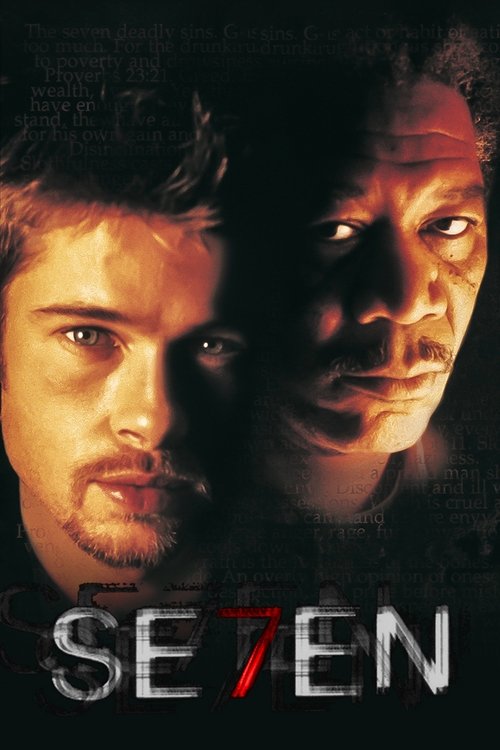
4. Se7en
Fincher's sophomore masterpiece plunged audiences into a rain-slicked, morally decaying urban landscape, presenting a serial killer whose depravity was matched only by his meticulous philosophy. It's a grim reflection on societal ills, where the seven deadly sins manifest with horrifying, visceral consequences. The film's dark aesthetic and relentless pacing cemented Fincher's auteurist signature, leaving an indelible mark on the psychological thriller genre and our collective anxieties about inherent human darkness.
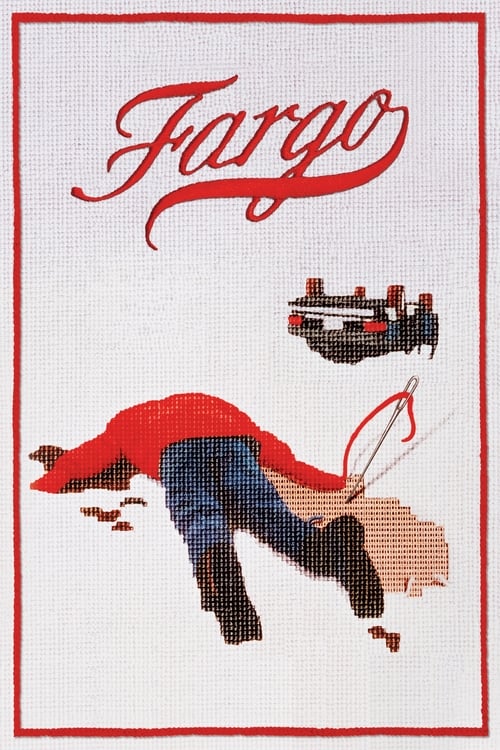
5. Fargo
The Coen Brothers masterfully blended chilling crime with bleak, deadpan humor in this uniquely American narrative. Set against the stark, snow-swept landscape of Minnesota, it explores the mundane origins of shocking violence, exposing human folly and greed beneath a veneer of Midwestern politeness. Frances McDormand's Marge Gunderson stands as a beacon of unassuming decency amidst chaotic, senseless evil, offering a poignant, if dark, reflection on everyday morality.
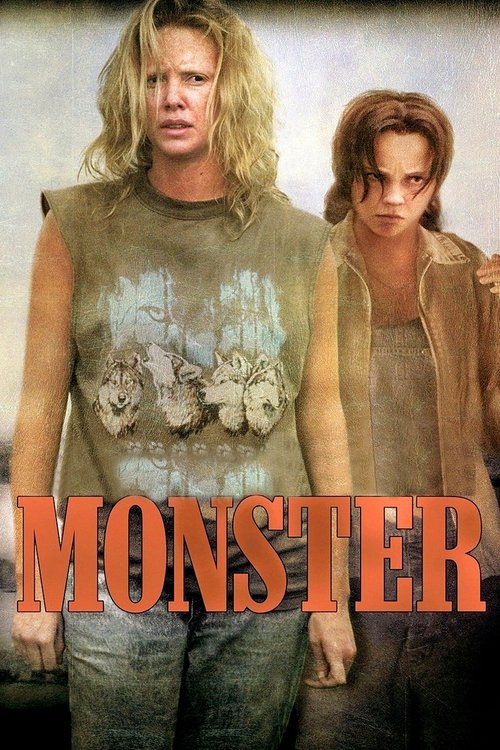
6. Monster
Patty Jenkins’ unflinching portrait of Aileen Wuornos, brought to terrifying life by Charlize Theron, delves into the harrowing true story of a serial killer. It’s a powerful, uncomfortable exploration of the societal failures and personal traumas that can forge a monster. The film provocatively asks for empathy, not for the acts, but for the broken humanity beneath, forcing a chilling confrontation with the complexities of evil and victimhood in a stark, realistic manner.