
1 / 6
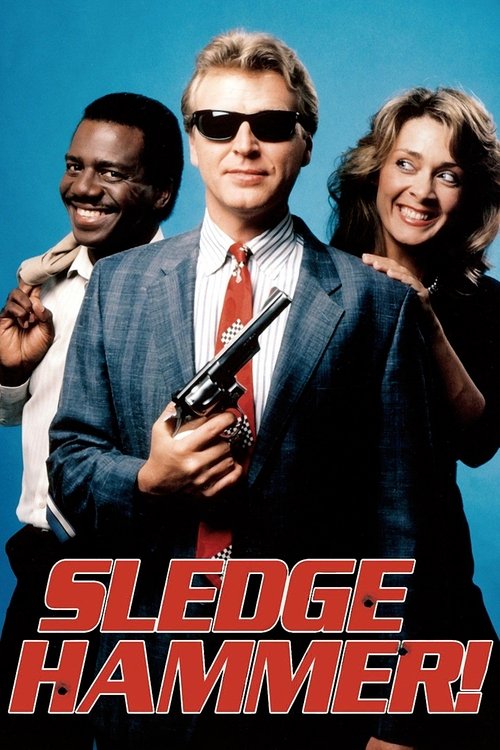
1. Sledge Hammer!
Man, *Sledge Hammer!* was practically a public service announcement for how unhinged prime-time could get. This 1986 gem took every cop show cliché, cranked the dial past eleven, then smashed it with a .44 Magnum. It was pure punk satire, a gleeful, violent absurdity that shouldn't have been on network TV. The practical effects were cheap, cheerful, and often hilariously over-the-top, making every episode feel like a bizarre fever dream. It was a glorious mess.
2 / 6

2. V
*V*, the 1984 miniseries, wasn't just sci-fi; it was a full-blown invasion nightmare draped in polyester and paranoia. Those Visitors, with their human skin suits and lizard appetites, were genuinely unsettling. It had this incredible, creeping dread, but also a ridiculously compelling, almost soap-operatic drama playing out in the streets. You remember the red jumpsuits, the alien babies, and that iconic reveal. It was truly maximalist television, pushing boundaries with practical effects.
3 / 6

3. Blake's 7
Before glossy spaceship battles, there was *Blake's 7* from 1978. This British cult classic was the ultimate proof that you didn't need a massive budget for epic space opera; just a great script and actors committed to making cardboard sets look like starships. It was gritty, cynical sci-fi, a real punk rock take on rebellion against an oppressive empire. The Liberator, Liberator's computer, the clunky tech – it all contributed to its distinctive, lo-fi charm.
4 / 6
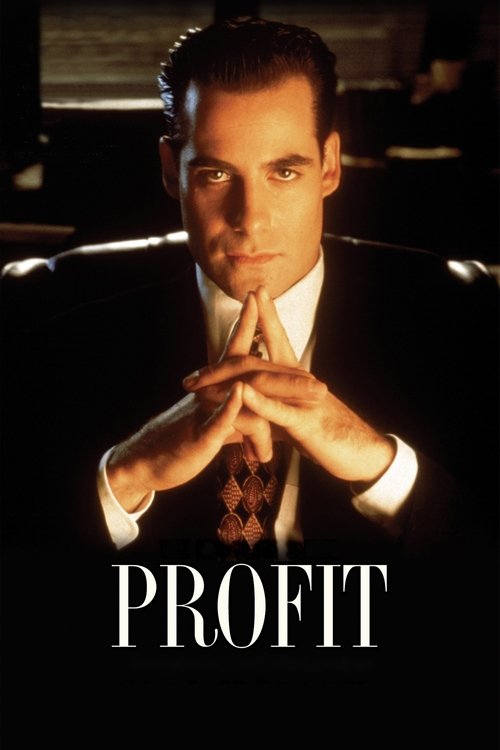
4. Profit
*Profit* was a 1996 anomaly that burned out too fast, too bright. This show wasn't just dark; it was a pitch-black, cynical dive into corporate evil, starring an anti-hero who'd make Gordon Gekko look like a Boy Scout. It was utterly ruthless, pushing the boundaries of what you could show on network TV. The look was stark, almost cold, perfectly matching its protagonist's reptilian ambition. It was unsettling, brilliant, and completely ahead of its time.
5 / 6

5. Lexx
*Lexx*, kicking off in 1997, was syndicated sci-fi at its most bizarre and glorious. This was a living, sentient spaceship shaped like a giant insect, crewed by a motley collection of misfits, including a dead assassin and a love slave. It was proto-genre-bending before anyone knew what that meant – sci-fi, horror, comedy, all mashed together with a low-fi, surreal aesthetic and wildly uneven production values. Pure, unadulterated cult weirdness.
6 / 6
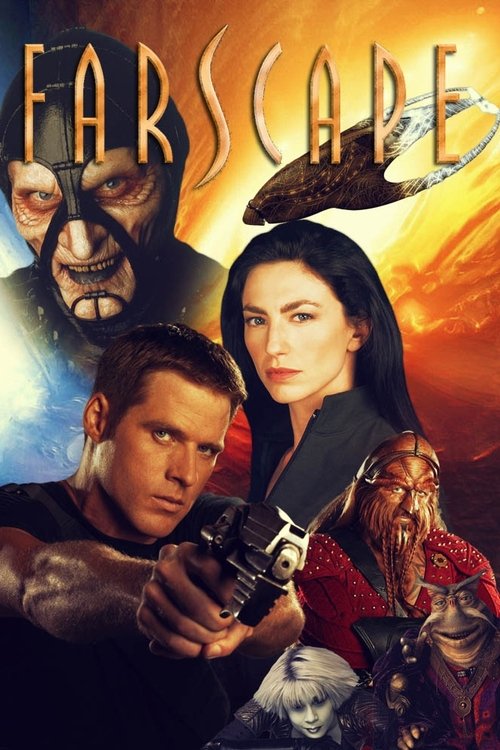
6. Farscape
*Farscape*, hitting screens in 1999, proved you could have incredible space opera with actual puppets, and it wasn't a joke. Moya, the living ship, and its crew of alien fugitives, brought a level of practical creature work and character depth that blew away CGI efforts. It was wildly imaginative, often dark, always emotionally resonant, and visually unique. This show was a maximalist explosion of alien design and complex storytelling, a true broadcast anomaly.