
1 / 12
1. Liquid Television
Man, MTV in '91 was something else, and *Liquid Television* just blasted open what animation could be. It wasn't just cartoons; it was raw, experimental short-form art, all smashed together. You never knew if you'd get a psychedelic claymation or some proto-cyberpunk nightmare. It was a glorious mess, a real brain-scrambler before anyone even knew what Adult Swim was. A genuine cult classic.
2 / 12
2. Red Dwarf
So, *Red Dwarf* from '88. This was low-budget sci-fi done right, a sitcom stuck on a spaceship with the last human and a bunch of misfits. The practical effects were charmingly janky, and the whole thing felt like a weird, isolated stage play in space. It was sharp, funny, and surprisingly philosophical for a show about a mechanoid, a hologram, and a guy evolved from a cat. Absolutely unique.
3 / 12
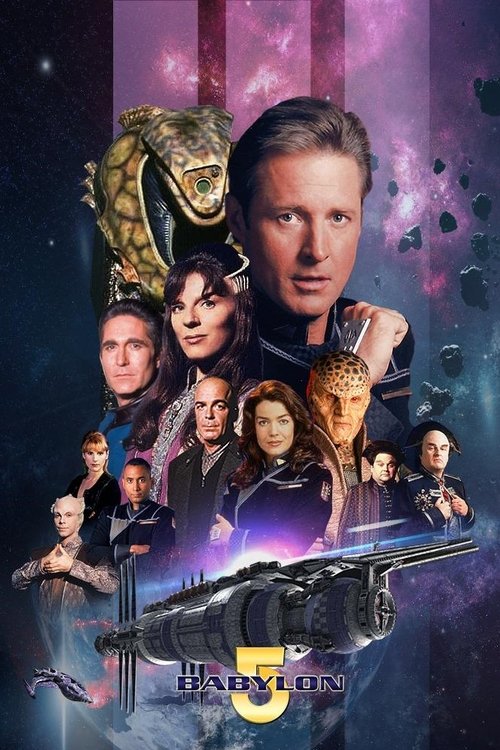
3. Babylon 5
*Babylon 5* in '94, that changed the game for sci-fi. It wasn't episodic fluff; this was a five-year novel for television, serialized storytelling before it was cool. The early CGI was clunky but ambitious, and the political intrigue felt genuinely heavy. It built a whole universe, brick by brick, with real stakes and characters you actually cared about. A dense, brilliant space opera.
4 / 12

4. VR.5
*VR.5* from '95 was a fever dream. This show was all about hacking into people's subconscious through virtual reality, and it used these trippy, analog computer graphics to visualize it. It was dark, moody, and tried to grapple with what the internet might become. Too ahead of its time, maybe, because it got cancelled fast. But that aesthetic, man, it stuck with you. Pure cyberpunk weirdness.
5 / 12
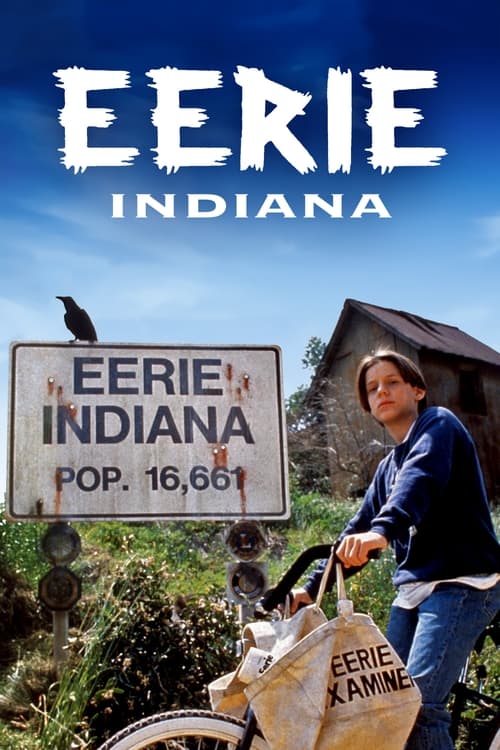
5. Eerie, Indiana
*Eerie, Indiana* in '91 was like *The Twilight Zone* for latchkey kids. It took all those suburban anxieties and twisted them into genuinely creepy, often hilarious, practical-effect monstrosities. Every episode was a new bizarre mystery in this town where nothing was normal. It didn't talk down to its audience, and it had this great blend of humor and genuine unease. A true gem.
6 / 12
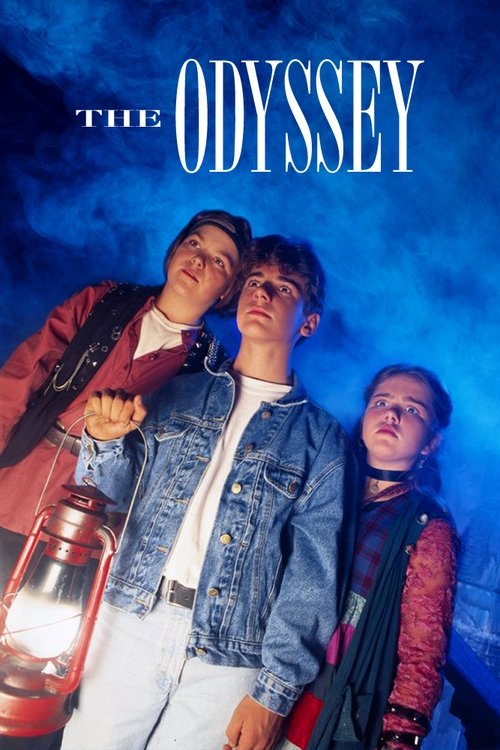
6. The Odyssey
And then there was *The Odyssey* from '92. This Canadian show was wild. A kid falls into a coma and ends up in this surreal, adult-free underworld where kids run everything. It was genuinely dark and often unsettling, way more complex than most kids' programming. The practical sets and bizarre logic of the dream world made it totally unique. It felt like a waking nightmare you couldn't turn away from.
7 / 12
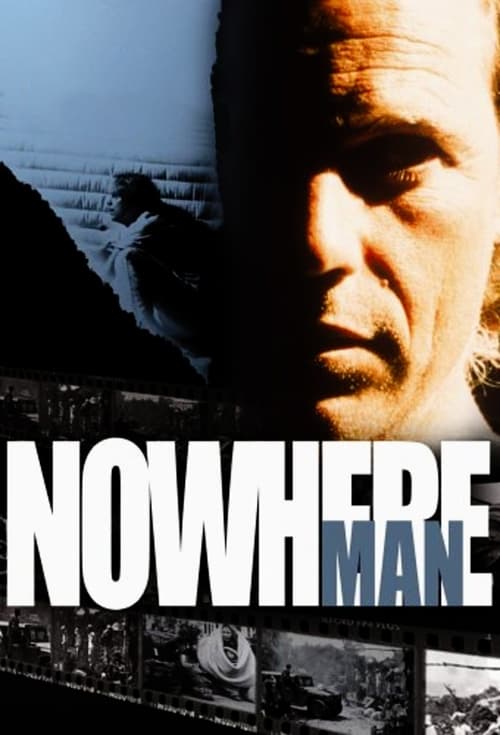
7. Nowhere Man
*Nowhere Man* from '95 was pure paranoia fuel. A guy wakes up, and his entire life has been erased, replaced by someone else. He spends the whole series trying to get it back, uncovering this huge conspiracy. It was relentlessly bleak and suspenseful, always just out of reach. That show got under your skin; it felt like a proto-internet age nightmare, where your identity could just disappear.
8 / 12
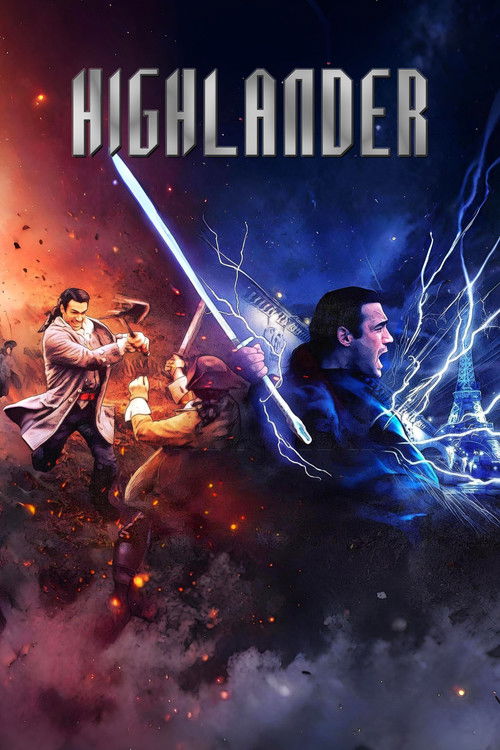
8. Highlander: The Series
"There can be only one!" *Highlander: The Series* from '92 brought that movie magic to syndicated TV. Duncan MacLeod, an immortal, chopping off heads across centuries. It had a surprisingly deep mythology for a show that was mostly about sword fights and dramatic stares. The flashbacks were a clever way to show history, and it was just a solid, high-concept action-fantasy hybrid.
9 / 12

9. RoboCop: The Series
*RoboCop: The Series* from '94 tried to clean up the movie's grit for TV, but it still had its moments. The practical effects for RoboCop himself were surprisingly decent for syndicated television. It explored the corporate greed of OCP and the dystopian future of Detroit, albeit with less gore. It was a weekly dose of justice, clunky but earnest, a true Saturday afternoon staple.
10 / 12
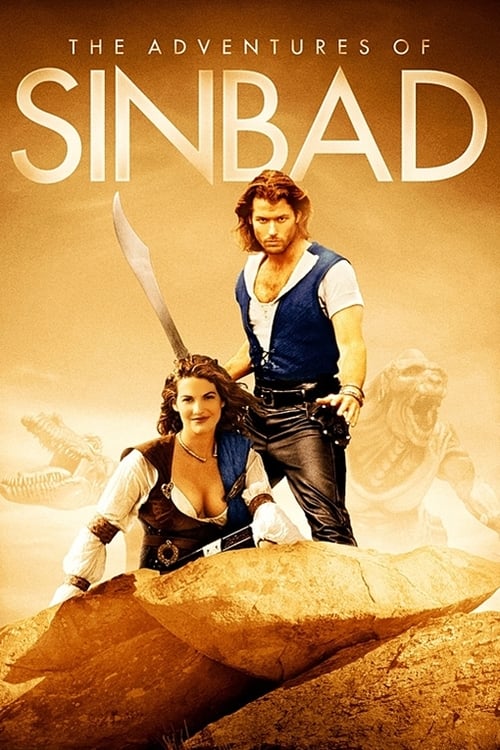
10. The Adventures of Sinbad
*The Adventures of Sinbad* from '96 was pure, unadulterated syndicated cheese. Practical monsters, dodgy CGI, and a hero who never wore a shirt. It was a swashbuckling, low-budget fantasy romp, clearly trying to cash in on the *Hercules/Xena* vibe. And you know what? It worked. It was dumb fun, full of magic, monsters, and questionable acting. Peak Saturday morning adventure.
11 / 12
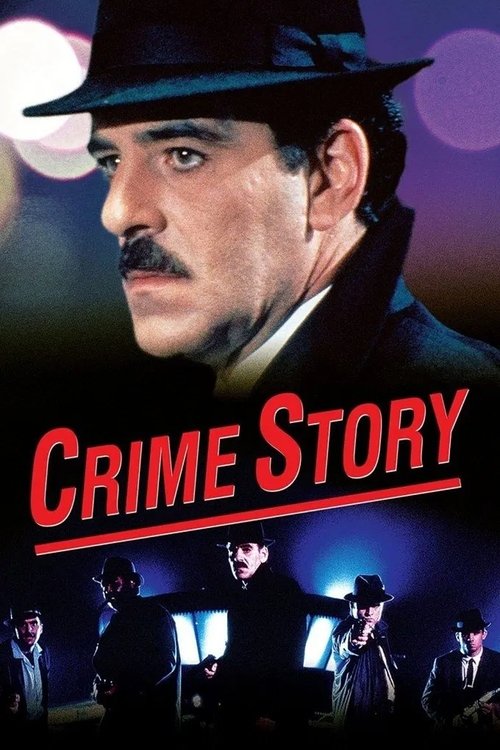
11. Crime Story
Michael Mann's *Crime Story* from '86 was a game-changer. It was serialized crime drama before *The Sopranos*, following a cop's obsessive hunt for a mobster across years. The neon-noir aesthetic, the period detail, the sheer brutality – it was cinematic TV, not just episodic filler. Dennis Farina as Lieutenant Torello was magnetic, and the whole thing felt relentlessly dark and stylish.
12 / 12

12. Wiseguy
*Wiseguy* from '87 was another brilliant serialized crime show. Ken Wahl's Vinnie Terranova going deep undercover, infiltrating different crime organizations for entire arcs. It was more about the psychological toll and the human drama than just shootouts. Each storyline was like a mini-series, exploring different facets of crime and corruption. Gritty, character-driven, and totally immersive.