
1 / 12
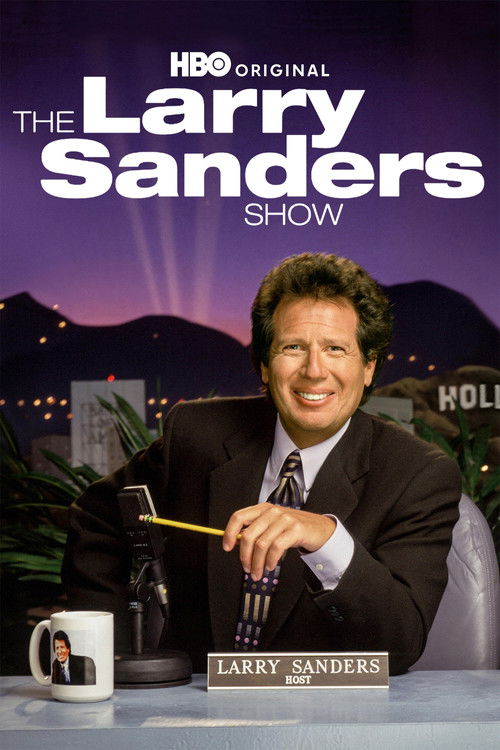
1. The Larry Sanders Show
Before the self-aware sitcoms and meta-comedy became commonplace, Garry Shandling’s brainchild pulled back the curtain on late-night television. It was cringe-comedy before cringe was a word, a masterclass in awkward power dynamics and celebrity ego, all wrapped in a mockumentary style that felt startlingly real. This 1992 debut showed how to build complex characters not through grand arcs, but through excruciatingly honest, often hilarious, moments of vulnerability and ambition.
2 / 12
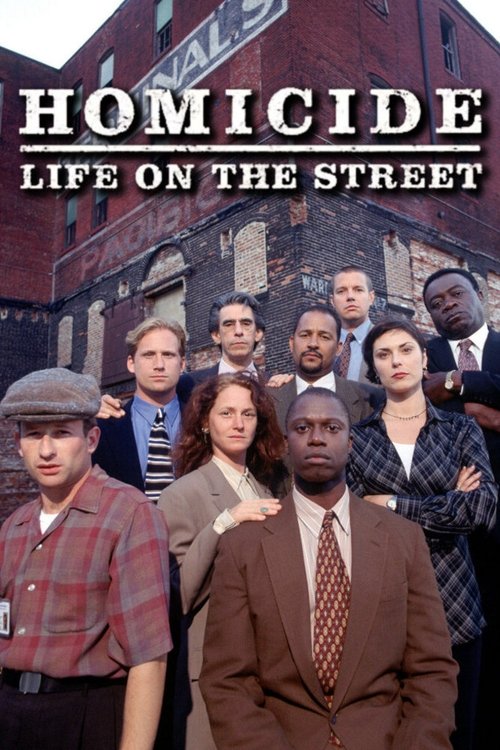
2. Homicide: Life on the Street
Barry Levinson’s gritty 1993 debut, adapted from David Simon's book, wasn't just another police procedural. It threw out the rulebook, embracing a raw, often handheld aesthetic that felt like cinéma vérité dropped onto network TV. The dialogue was sharp, overlapping, and authentic, and it dared to show the psychological toll of the job, the cases that didn't get solved, and the moral ambiguities, setting a new bar for realism in crime drama.
3 / 12
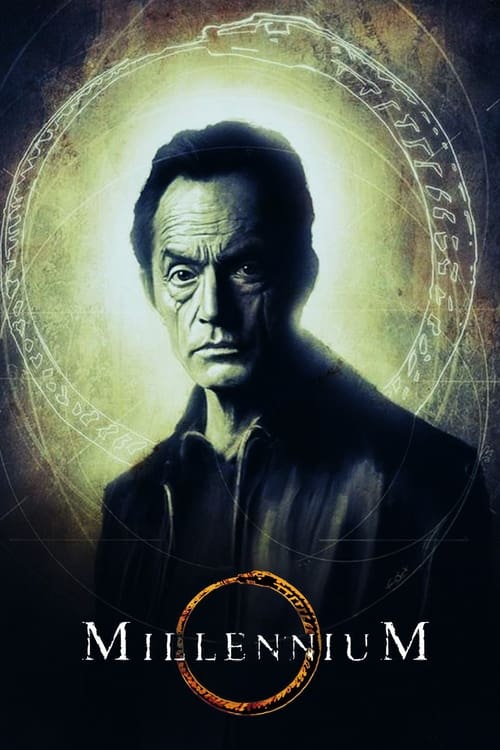
3. Millennium
Chris Carter tried to bottle *The X-Files*' lightning again in 1996, but *Millennium* was a different beast altogether. It delved into the darkest corners of human evil with an almost suffocating sense of dread, focusing on Frank Black's disturbing prophetic visions. It was more psychological horror than sci-fi, a bleak, often terrifying exploration of the impending end of the millennium, proving network TV could be truly unsettling and deeply philosophical.
4 / 12
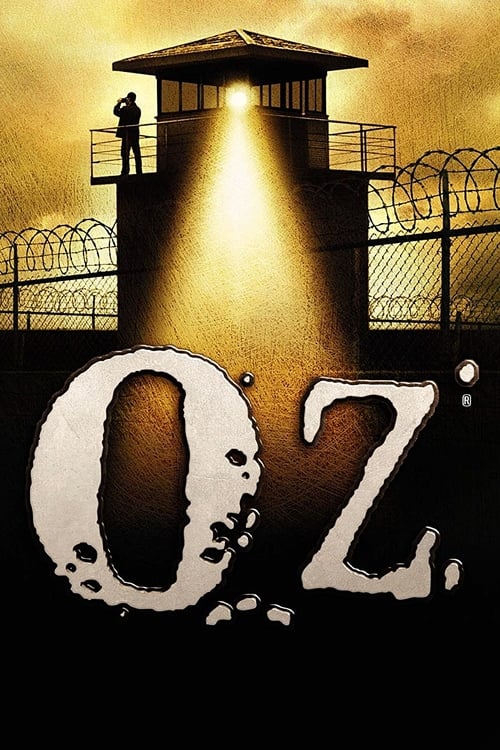
4. Oz
HBO's first hour-long drama, *Oz* exploded onto screens in 1997, a visceral, unflinching look at an experimental prison unit. It wasn't just shocking; it was a brutal, Shakespearean ensemble drama where every character, from the guards to the inmates, navigated a moral quagmire. This show pioneered serialized, character-driven storytelling on cable, daring to be as ugly and complex as its subject matter, pushing boundaries network TV wouldn't touch.
5 / 12
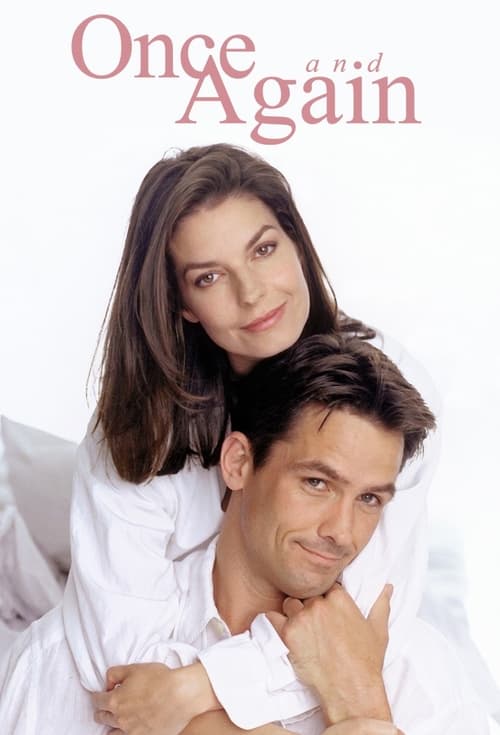
5. Once and Again
Before 'prestige' was a buzzword, *Once and Again*, from the creators of *thirtysomething*, debuted in 1999 as a quiet revolution. It tackled divorce and remarriage with an unprecedented intimacy, using handheld cameras and documentary-style confessionals that broke the fourth wall. It was a character study focused on the messy, mundane realities of adult relationships, proving that understated emotional honesty could be just as compelling as high-stakes drama.
6 / 12
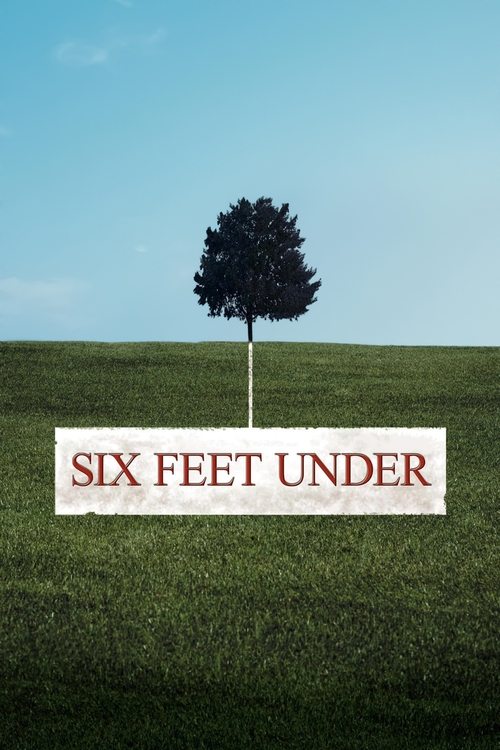
6. Six Feet Under
Alan Ball's *Six Feet Under* opened its first episode in 2001 with a death, and never shied away from the macabre. It was a darkly comedic, profoundly moving exploration of life, death, and family dysfunction, centered around a funeral home. This show cemented HBO's reputation for character-driven, emotionally complex narratives, using death not as a plot device, but as a lens through which to examine the messy, beautiful, and often absurd act of living.
7 / 12
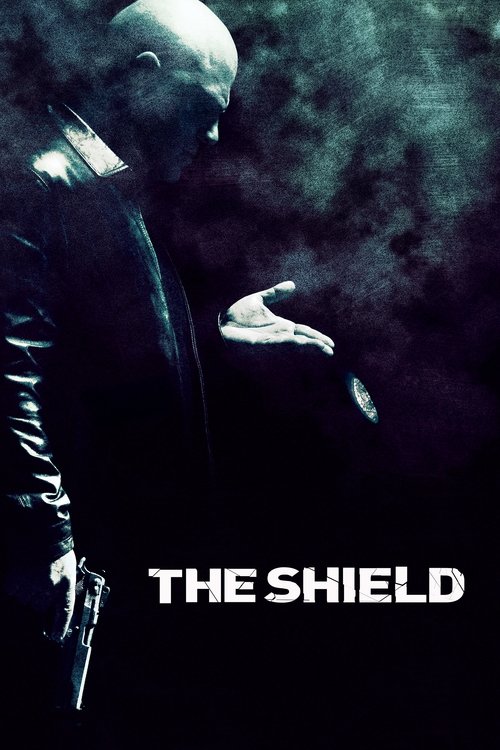
7. The Shield
In 2002, *The Shield* hit FX like a gut punch, introducing Vic Mackey and the Strike Team, cops who blurred the line between law and order. It was a masterclass in moral ambiguity, a raw, unflinching look at police corruption and its consequences. This show proved basic cable could produce deeply serialized, morally challenging drama, establishing FX as a serious player and paving the way for a whole new generation of anti-hero narratives.
8 / 12
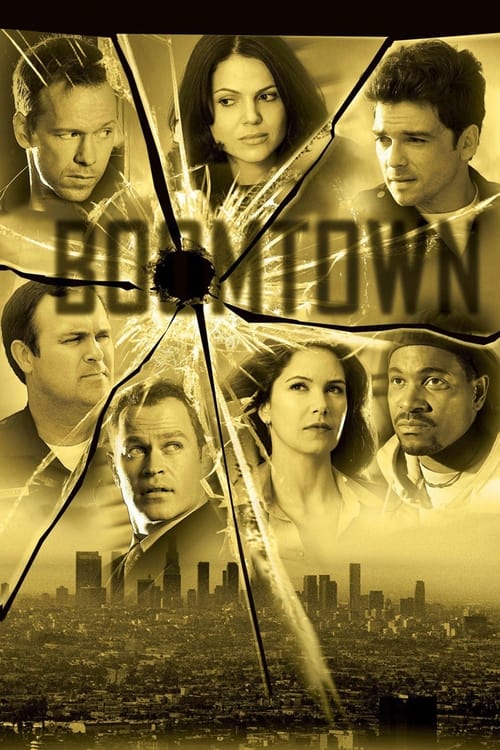
8. Boomtown
Graham Yost’s *Boomtown*, arriving in 2002, was a criminally underrated procedural that played with narrative structure like few before it. Each episode retold a crime from multiple, often conflicting, perspectives of cops, criminals, and victims. This non-linear, Rashomon-style approach to storytelling felt fresh and intelligent, demanding active viewer engagement and pushing the boundaries of what a network crime show could achieve without flashy gimmicks.
9 / 12
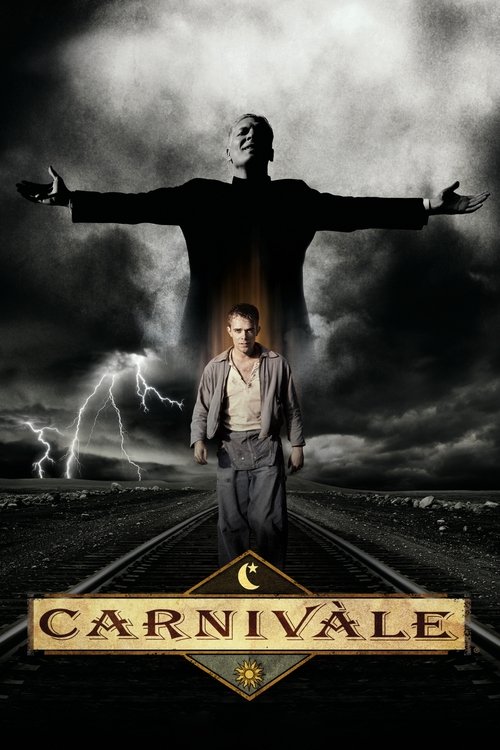
9. Carnivàle
HBO's *Carnivàle* arrived in 2003, a visually stunning, deeply ambitious, and utterly unique period piece. Set during the Great Depression, it wove a sprawling, arcane mythology around a traveling carnival and a battle between good and evil. Its slow burn, dreamlike pacing, and rich, symbolic imagery were a bold experiment in serialized storytelling, proving that television could aspire to the scope and artistry of a cinematic epic, even if it mystified some.
10 / 12
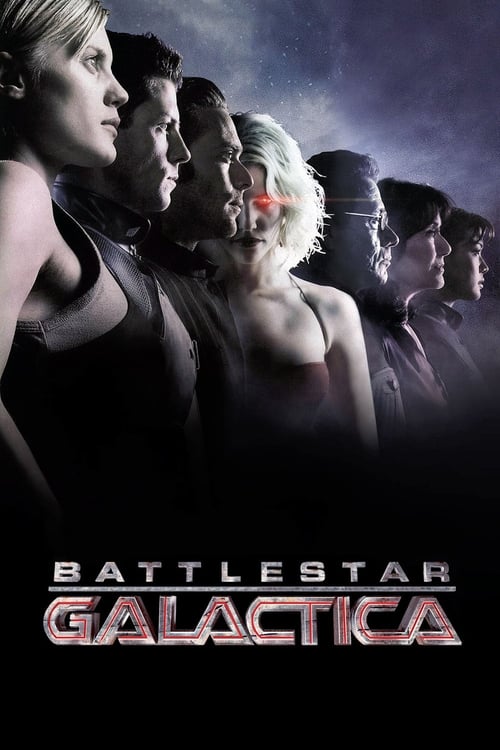
10. Battlestar Galactica
Ronald D. Moore's 2004 reimagining of *Battlestar Galactica* was far more than a sci-fi action show; it was a post-9/11 allegory. It explored themes of terrorism, religion, politics, and the human condition with an unflinching realism rarely seen in the genre. Its serialized, character-driven approach, combined with its gritty, often handheld cinematography, elevated science fiction to a level of prestige drama, proving that spaceships could be profound.
11 / 12
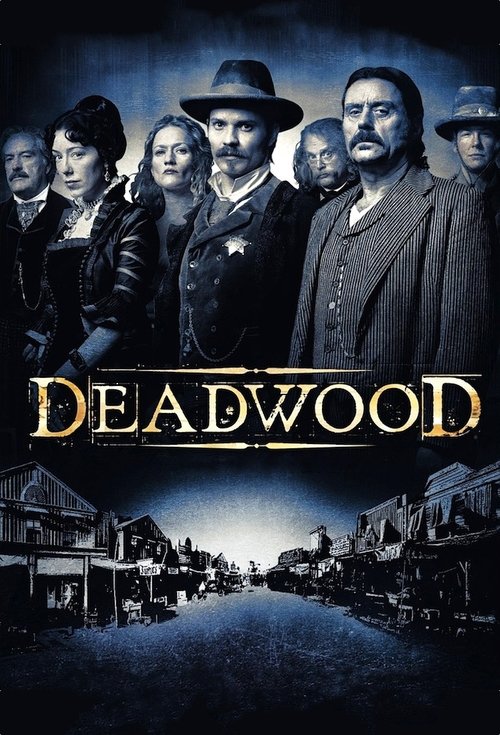
11. Deadwood
David Milch’s *Deadwood*, premiering in 2004, was a profane, poetic, and utterly immersive historical drama. It eschewed typical Western tropes for a raw, almost anthropological look at the birth of a town in the lawless American frontier. The dialogue was a unique blend of Shakespearean eloquence and brutal vulgarity, creating a deeply textured world and ensemble of characters that felt undeniably authentic and groundbreaking for television.
12 / 12
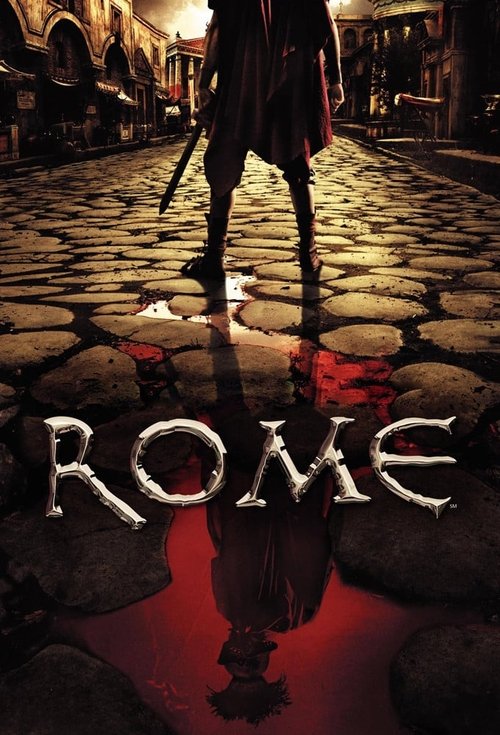
12. Rome
HBO and BBC’s *Rome*, hitting screens in 2005, was a lavish, ambitious historical epic that set a new standard for production value on television. It blended historical accuracy with soap opera drama, following both the patricians like Caesar and Antony, and the ordinary soldiers, Lucius Vorenus and Titus Pullo. This show proved that TV could handle a massive scope, intricate political machinations, and graphic realism, paving the way for future historical blockbusters.