


1. Tetsuo: The Iron Man
A visceral, industrial nightmare from Shinya Tsukamoto. This black-and-white cyberpunk body horror assault is less a narrative and more a relentless, kinetic experience. It's a primal scream against conformity and the organic, transforming man into a monstrous, metallic hybrid. And the frenetic pacing and DIY aesthetic amplify its raw power, leaving an indelible, uncomfortable impression. It's a foundational text for extreme cinema, proving that imagination trumps budget.

2. Primer
Shane Carruth’s micro-budget masterpiece of time travel remains unparalleled in its intellectual rigor. It doesn't spoon-feed; rather, it demands meticulous attention to its labyrinthine plot, where two engineers stumble upon a temporal anomaly. The film's genius lies in its commitment to scientific realism, even in its fantastical premise, creating a bewildering, intricate puzzle that rewards multiple viewings and deep contemplation. So, a true cinematic enigma.
3. Threads
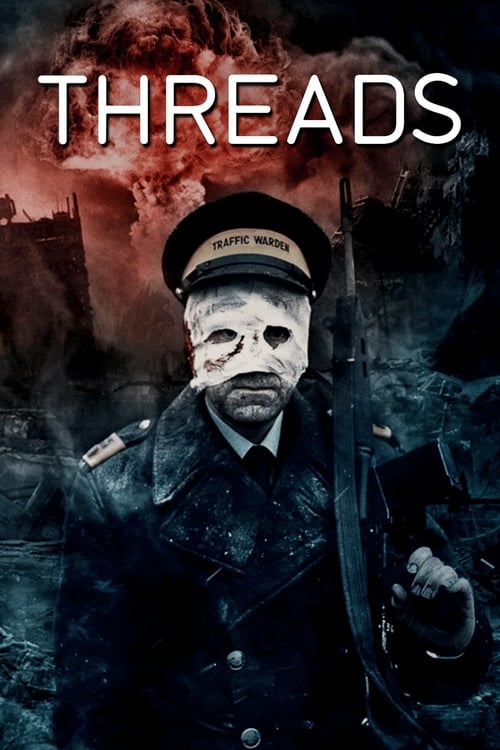
A harrowing, unflinching depiction of nuclear war's aftermath, presented with the cold, brutal realism of a BBC documentary. This film isn't about heroes or grand narratives; it's a stark, terrifying portrayal of societal collapse and the slow, agonizing death of humanity. Its power lies in its relentless refusal to romanticize or soften the horror, making it perhaps the most potent anti-war statement ever committed to screen. And it is absolutely devastating.

4. Dogtooth
Yorgos Lanthimos's chilling, darkly comedic fable explores the perverse lengths parents will go to control their children, creating an insular, distorted reality within their own home. The film’s unsettling, deadpan aesthetic and bizarre, ritualistic behaviors dissect themes of authoritarianism, innocence, and rebellion. It's a meticulously crafted, disturbing satire that exposes the fragility of constructed truths and the inherent violence in absolute power. So, unforgettable and deeply discomforting.
5. The Vanishing
George Sluizer’s original Dutch-French thriller is a masterpiece of psychological suspense, far superior to its American remake. It's not about the 'who' or 'how,' but the chilling 'why,' as a man becomes obsessed with finding his girlfriend's abductor. The film meticulously builds an unbearable tension, culminating in one of cinema's most disturbing and unforgettable endings. And it is a profound meditation on obsession, cruelty, and the human capacity for evil.

6. Wake in Fright
Ted Kotcheff's brutal, sun-drenched descent into Australian outback madness. A cultured schoolteacher, stranded in a remote mining town, finds himself ensnared in a nightmarish world of toxic masculinity, excessive drinking, and primal violence. The film is a relentless, suffocating exploration of national identity, exposing the dark underbelly of a seemingly idyllic landscape. So, its visceral impact and unflinching realism make it a truly essential, albeit difficult, viewing experience.
7. Carnival of Souls
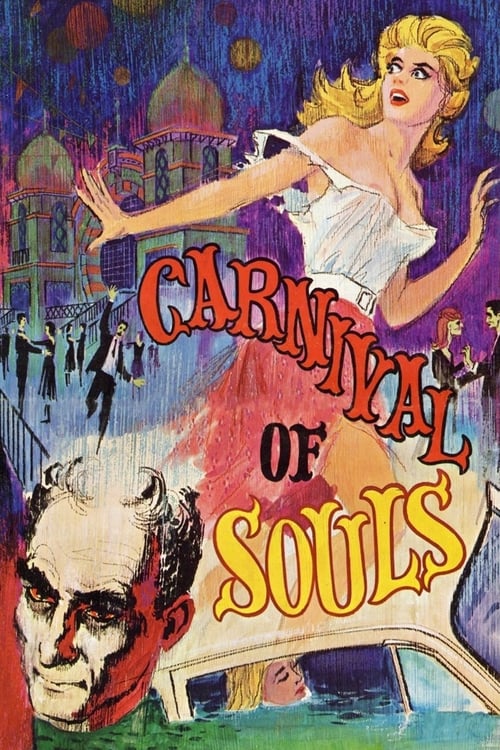
Herk Harvey's low-budget, independent horror gem is a ghostly, atmospheric experience that predates and influences much of modern psychological horror. A young woman survives a car crash, only to find herself haunted by spectral figures and an inexplicable detachment from reality. Its dreamlike, unsettling imagery and pervasive sense of dread create a unique, lingering terror, proving that atmosphere and psychological unease can be far more potent than jump scares. And it’s a classic.

8. Mikey and Nicky
Elaine May’s profoundly intimate and agonizing character study of two small-time gangsters, lifelong friends, during one fateful night. John Cassavetes and Peter Falk deliver raw, improvisational performances that peel back layers of loyalty, resentment, and desperation. The film is a masterclass in naturalistic filmmaking, capturing the messy, unpredictable essence of human relationships under duress. And it's a deeply affecting, often uncomfortable, exploration of friendship's darker corners.
9. Safe
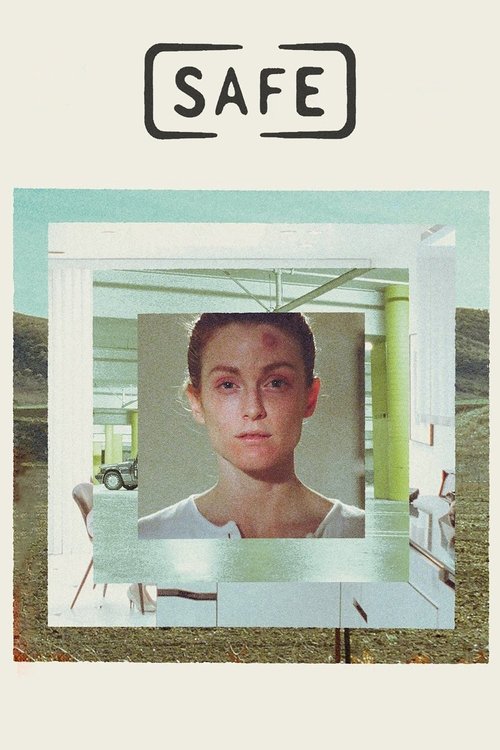
Todd Haynes's chillingly prescient portrait of environmental illness and societal alienation. Julianne Moore delivers a career-defining performance as a suburban housewife who develops extreme chemical sensitivities, forcing her into a hermetic existence. The film subtly critiques consumerism and the search for wellness in a toxic world, presenting an ambiguous, unsettling narrative that resonates deeply with contemporary anxieties. So, a slow-burn, masterfully controlled piece of social commentary.

10. Killer of Sheep
Charles Burnett's poetic, neorealist masterpiece offers a poignant glimpse into the everyday struggles of a Black family in working-class Watts. Shot on a shoestring budget with non-professional actors, it captures the quiet dignity and resilience amidst economic hardship. The film eschews conventional plot for a series of lyrical vignettes, creating an authentic, deeply human portrait of systemic oppression and the enduring spirit of community. And it’s a vital piece of American cinema.
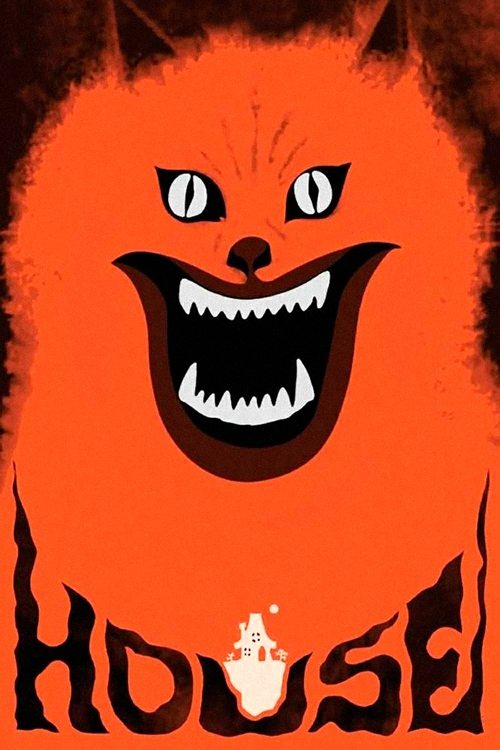
11. House
Nobuhiko Obayashi's utterly bonkers, psychedelic horror-comedy is a visual explosion unlike anything else. Seven schoolgirls visit a haunted house, leading to a surreal, kaleidoscopic nightmare of dismemberment, piano attacks, and talking cats. It's an experimental fever dream, blending childlike whimsy with genuine terror and groundbreaking special effects. So, a truly unique, joyous, and disturbing cinematic experience that defies categorization and logic, cementing its cult status.
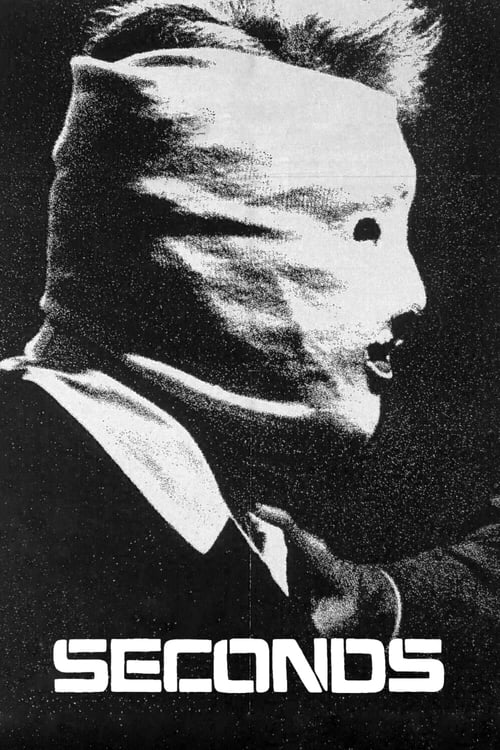
12. Seconds
John Frankenheimer's chilling, existential sci-fi thriller explores themes of identity and the pursuit of a second chance, with devastating consequences. Rock Hudson delivers a superb performance as a man who undergoes a radical surgery to assume a new life, only to find himself trapped in a new kind of prison. Its stark black-and-white cinematography and unsettling sense of paranoia create a profound critique of the American dream and the elusive nature of happiness. And it’s a classic.