
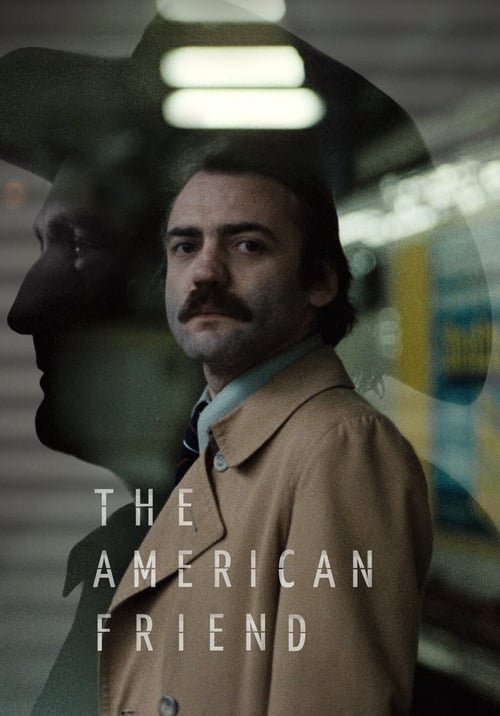
1. The American Friend
Wim Wenders, with his distinctive European gaze, navigates the murky waters of identity and morality in this neo-noir masterpiece. Dennis Hopper's detached American hustler and Bruno Ganz's ailing picture framer collide in a tale of forged art and contract killing. It’s a profound meditation on cultural displacement, the inherent loneliness of modern life, and the subtle ways fate entwines strangers, all wrapped in a cool, contemplative aesthetic.
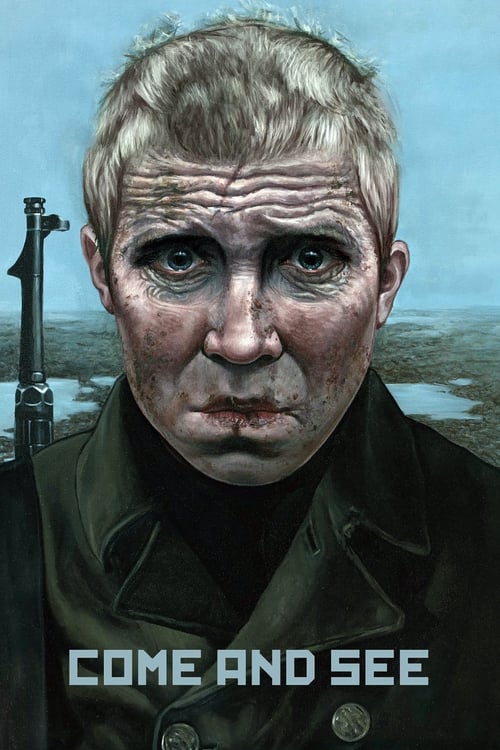
2. Come and See
Elem Klimov's unflinching portrayal of World War II's Eastern Front is less a war film and more a descent into the inferno of human experience. Seen through the eyes of a young boy, Flyora, it vividly captures the psychological scarring inflicted by brutality. The film eschews heroics for a visceral, nightmarish realism, challenging viewers to confront the true, dehumanizing cost of conflict with harrowing intimacy.
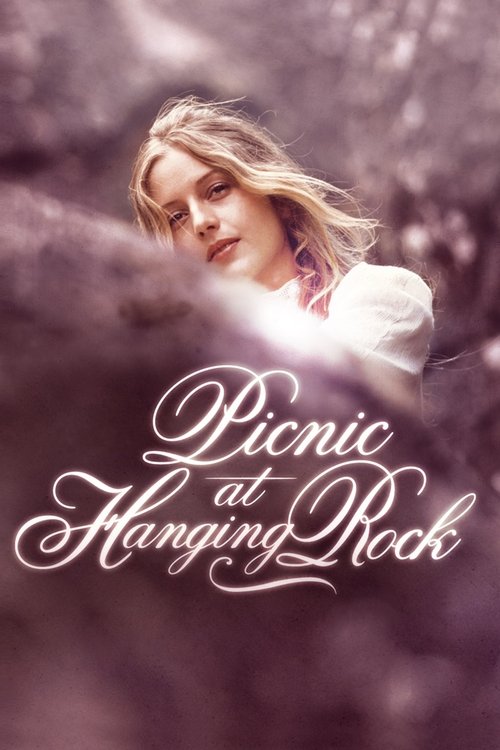
3. Picnic at Hanging Rock
Peter Weir conjures an ethereal, disquieting mystery in colonial Australia. Three schoolgirls and a teacher vanish during a picnic, leaving behind an unsettling void. Weir masterfully uses the ancient, primal landscape as a character, hinting at forces beyond human comprehension. This isn't about solving a riddle; it's an atmospheric exploration of repressed sexuality, the fragility of order, and the enduring enigma of the natural world.
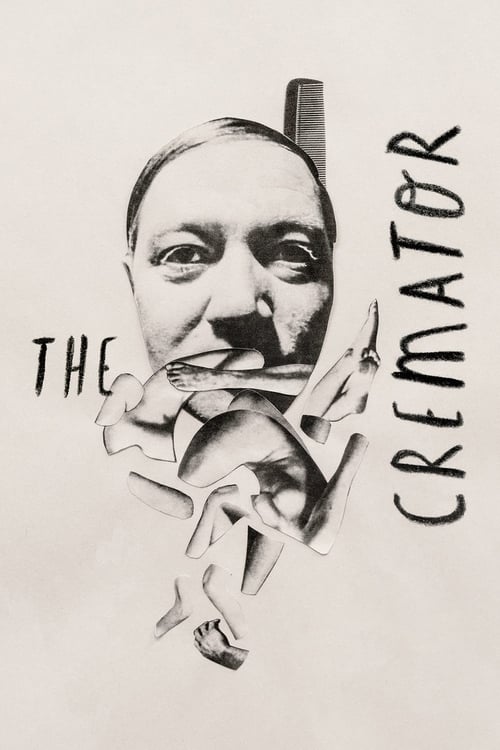
4. The Cremator
Juraj Herz’s darkly comedic, chilling vision tracks a crematorium worker’s descent into fascism during the Nazi occupation of Czechoslovakia. Karel Kopfrkingl, a man obsessed with death and purification, finds perverse justification for his increasingly monstrous acts. Herz employs expressionistic camerawork and a surreal narrative to expose the bureaucratic banality of evil, making for a disturbing, yet morbidly fascinating, study of psychological corruption.
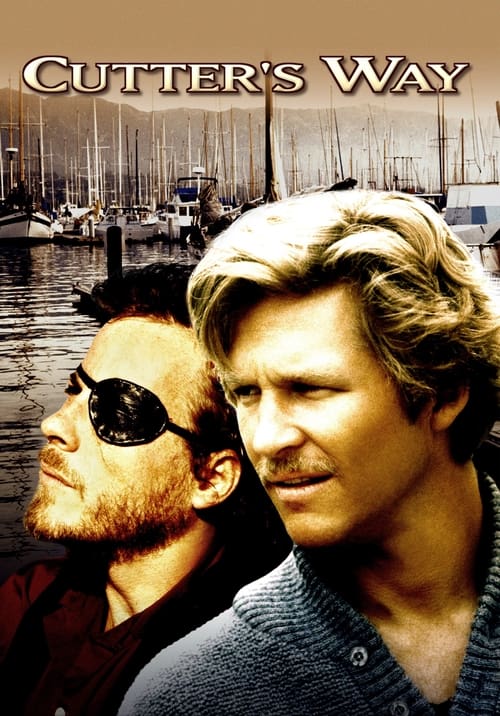
5. Cutter's Way
Ivan Passer delivers a searing neo-noir, a quintessential post-Vietnam American tragedy. Jeff Bridges' charming drifter and John Heard's embittered, mutilated veteran stumble upon a murder conspiracy. Their pursuit of justice is less about morality and more about a desperate attempt to reclaim purpose in a shattered world. It’s a cynical, character-driven examination of disillusionment, friendship, and society's forgotten casualties.
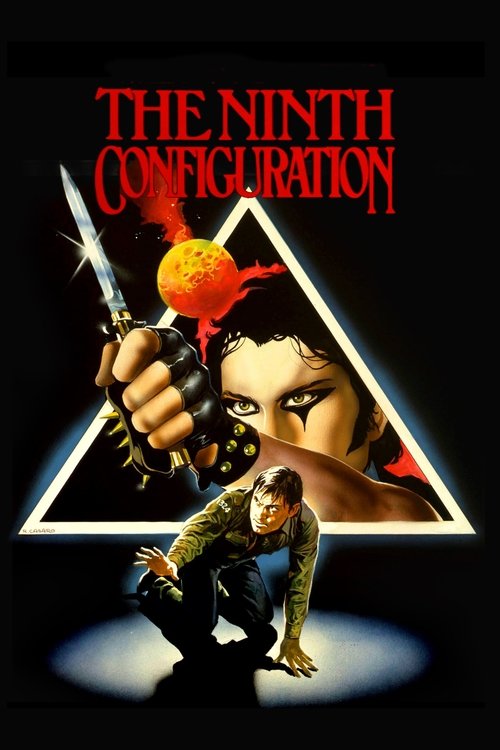
6. The Ninth Configuration
William Peter Blatty's singular vision, set in a military asylum, defies easy categorization. A psychiatrist arrives to assess former soldiers grappling with existential crises, leading to profound philosophical debates on faith, madness, and the nature of heroism. Blatty, with his distinctive blend of dark humor and theological inquiry, crafts a deeply intellectual and emotionally resonant film that questions the very fabric of reality.

7. Wake in Fright
Ted Kotcheff's brutal, blistering dive into the Australian outback is a masterclass in psychological horror. A refined schoolteacher, stranded in a remote mining town, succumbs to its pervasive machismo and depravity. It's an unflinching examination of toxic masculinity, cultural alienation, and the primal urges lurking beneath civilization's veneer. The film remains a potent, disturbing reflection on national identity.
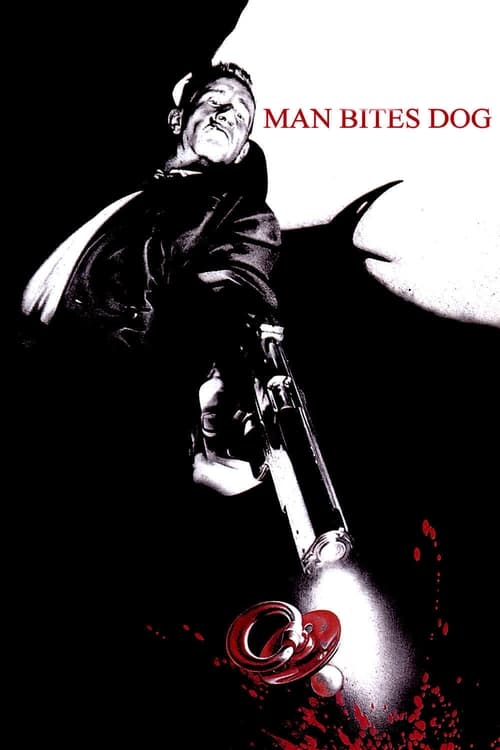
8. Man Bites Dog
This Belgian mockumentary is a darkly satirical, deeply unsettling exploration of violence and media complicity. A film crew follows a charismatic serial killer, initially documenting his crimes, then becoming increasingly involved. The directors deliberately blur ethical lines, forcing audiences to confront their own voyeuristic tendencies and the desensitizing effect of pervasive brutality. It's a provocative, unflinching commentary on societal fascination with transgression.
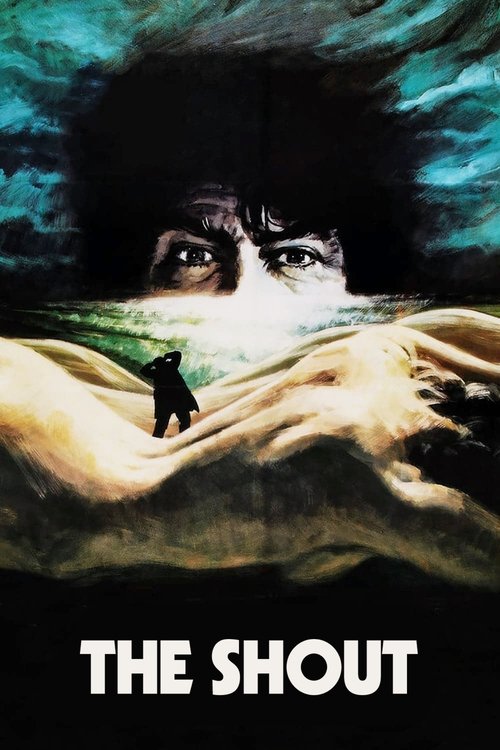
9. The Shout
Jerzy Skolimowski crafts an enigmatic, primal psychological thriller steeped in folklore. A mysterious drifter claims he possesses a "death shout" learned from Aboriginal shamans, capable of killing. His unsettling presence unravels the lives of a rural couple. Skolimowski’s film is a hypnotic, atmospheric exploration of ancient powers, psychological manipulation, and the thin veneer separating civilization from instinctual, destructive forces.
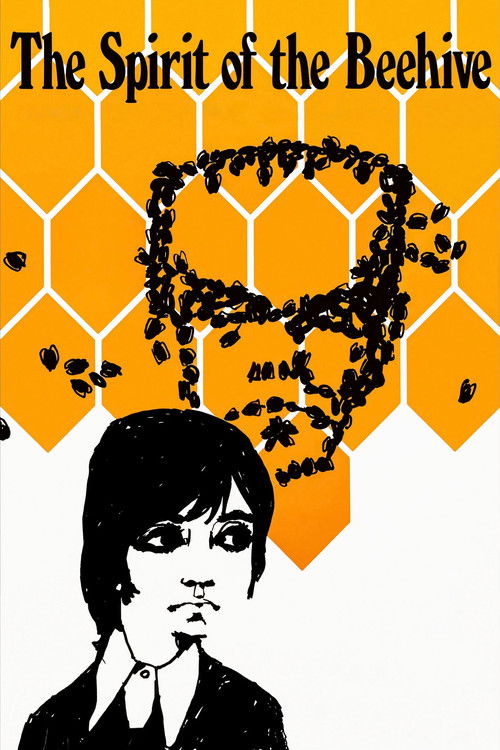
10. The Spirit of the Beehive
Víctor Erice's poetic masterpiece immerses us in the post-Spanish Civil War landscape through the eyes of a young girl, Ana. After seeing *Frankenstein*, she becomes convinced a spirit inhabits an abandoned barn, blurring the lines between fantasy and harsh reality. Erice captures the profound innocence of childhood, the lingering shadows of conflict, and the power of imagination as a refuge from a fractured world.

11. Mikey and Nicky
Elaine May's raw, improvisational neo-noir is a searing portrait of toxic male friendship and loyalty. Peter Falk's Nicky, a small-time gangster, calls John Cassavetes' Mikey for help after a hit is put out on him. Their night-long odyssey through urban decay exposes layers of betrayal, resentment, and desperate affection. May’s directorial control over this chaotic intimacy is truly remarkable.
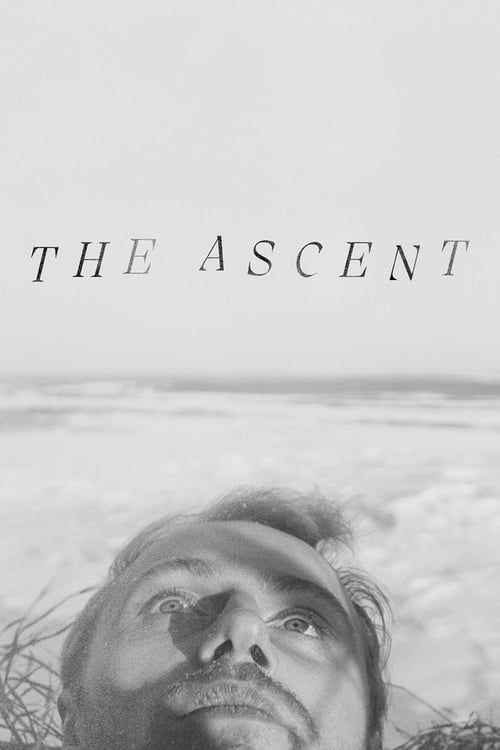
12. The Ascent
Larisa Shepitko’s final film is an unsparing, spiritual examination of sacrifice during World War II. Two Soviet partisans, captured by the Nazis, face a crucible of moral choices. Shepitko's stark black-and-white cinematography heightens the raw emotional intensity, transforming their ordeal into a profound allegory of human dignity, faith, and the ultimate cost of survival. It’s a harrowing, yet deeply moving, masterpiece.