

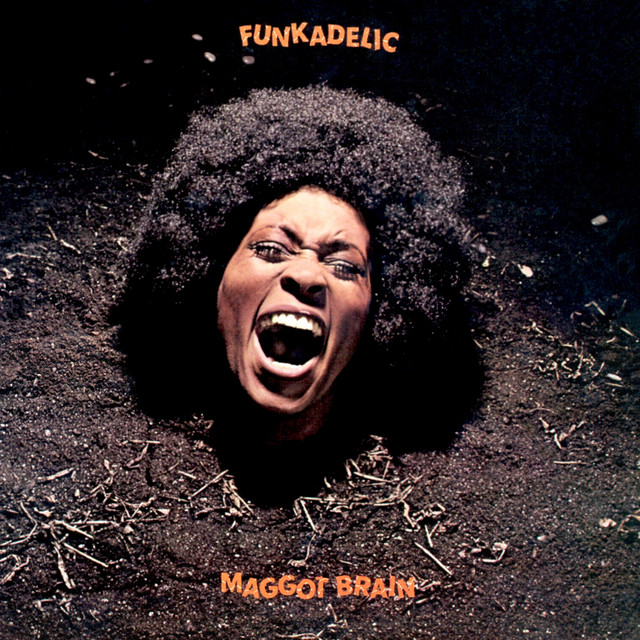
1. Maggot Brain
Kraftwerk, always a step ahead, crafted an electronic landscape both stark and profoundly melodic. While this remaster might polish the edges, the original 1975 vision of "Radio-Activity" laid foundational blueprints for synth-pop and early techno. Its cold, precise rhythms and synthesized voices spoke of a future already arriving, a meticulous arrangement of frequencies that felt industrial yet strangely human. A crucial node in the nascent electronic music circuit.
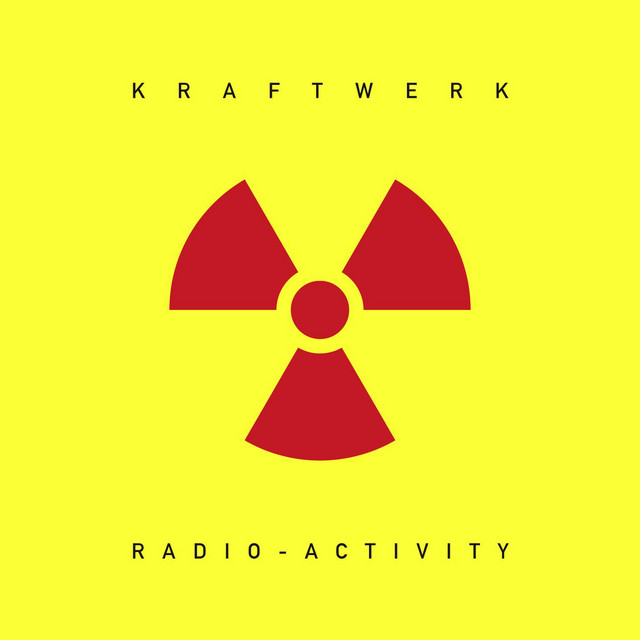
2. Radio-Activity (2009 Remaster)
Eno's "Music for Airports" was less a collection of tracks and more a carefully constructed sonic environment. The original analog tapes, before any digital sheen, allowed for subtle decays and organic textures often missed by later imitators. This wasn't merely background noise; it was an intentional, evolving soundscape, an art-rock offshoot designed to induce a specific psychological state. It redefined music's purpose, offering serenity in a chaotic world.
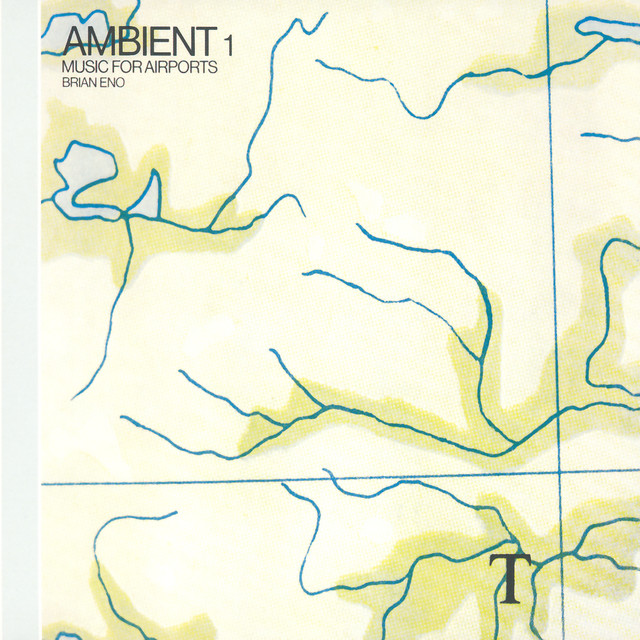
3. Ambient 1: Music For Airports (Remastered 2004)
Talking Heads, for all their mainstream appeal, were always fundamentally art-rock provocateurs. Their best moments, often before the digital gloss, were a masterclass in rhythmic tension and intellectual angularity. Byrne’s neurotic delivery over those incredibly tight, funk-inflected grooves and crystalline guitars created a sound both cerebral and irresistibly danceable. They proved intelligence and innovation weren't antithetical to popular success, defying easy categorization.
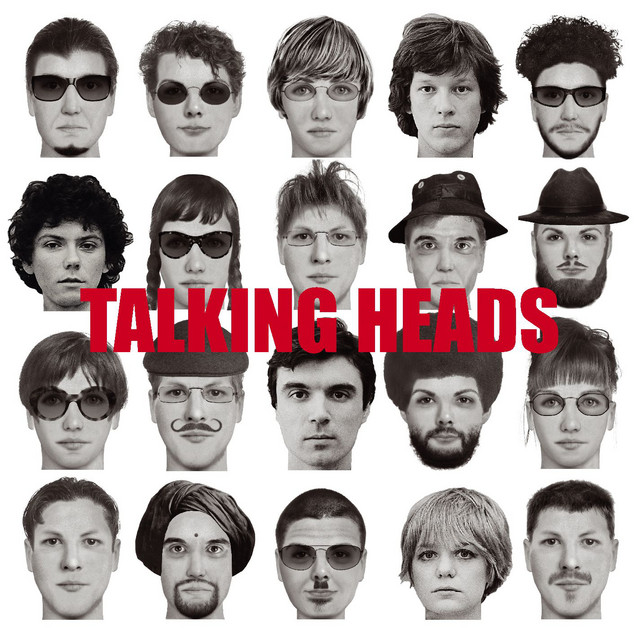
4. The Best of Talking Heads
Throbbing Gristle wasn't just music; it was a confrontational assault on convention. "D.O.A." stands as a raw, unflinching document of early industrial, a testament to what could be wrought from tape loops, found sounds, and primal electronics. The original analog recordings, stark and abrasive, captured a truly unsettling, boundary-pushing aesthetic. It's a sonic exploration of the uncomfortable, a vital counterpoint to anything remotely palatable.
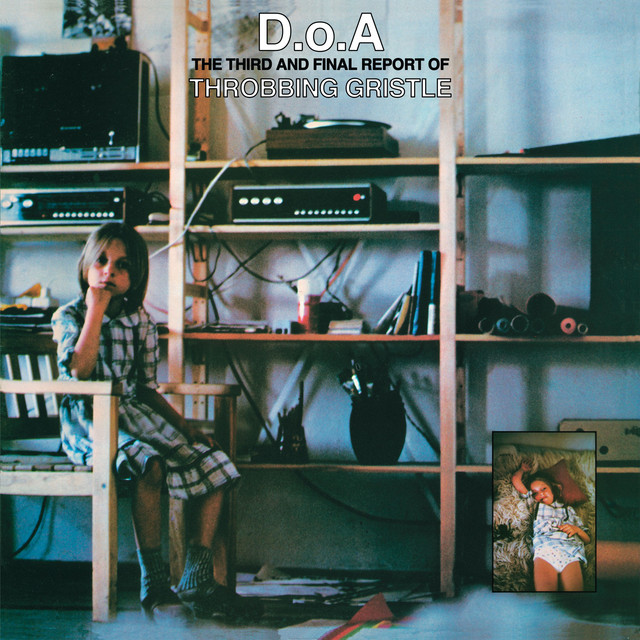
5. D.O.A. The Third and Final Report of Throbbing Gristle (Remastered)
The Residents, always shrouded in mystery, delivered a peculiar brand of psychedelic art-rock that defied categorization. "Pollo Banana" is a prime example of their avant-garde methodology, twisting conventional song structures into surreal, often unsettling narratives. Their analog studio experiments, rich with bizarre instrumentation and altered vocals, crafted a sonic universe utterly unique and profoundly disorienting. It's music as a bizarre, captivating performance art.

6. Pollo Banana
White Lines wasn't just a track; it was a cultural flashpoint, a stark narrative delivered over an utterly infectious electro-funk beat. Grandmaster Flash's pioneering turntable work, combined with Melle Mel's urgent lyrical flow, established a definitive blueprint for early rap. The analog production, with its booming 808s and crisp drum machines, captured the raw energy of the streets, shaping the rhythmic patterns of a burgeoning genre.
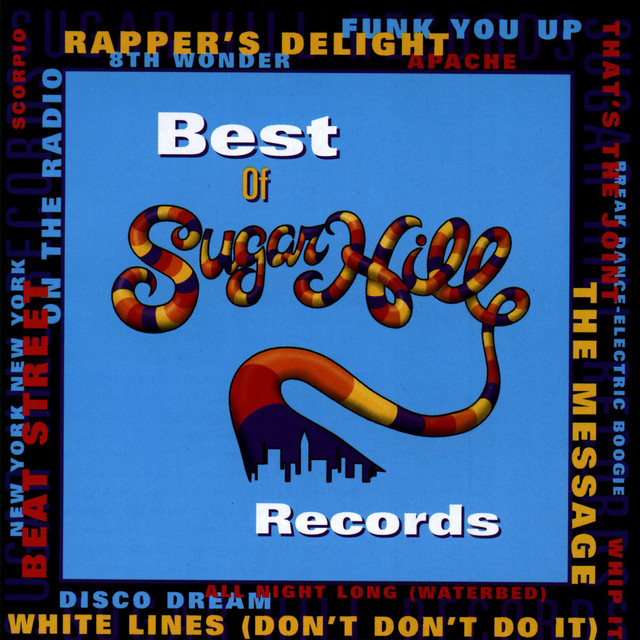
7. White Lines
Klaus Schulze, a true pioneer of the Berlin School, conjured vast, immersive soundscapes. This live recording from 1984 captures him in his element, manipulating an array of analog synthesizers to build epic, evolving ambient tapestries. It's an exploration of pure electronic texture and duration, a pre-digital journey into inner space. This isn't background music; it's a deep, meditative dive into the power of raw synthesis.

8. The Löst Tapes, Vol. 4 (Live in Heilbronn 1984)
Disintegration remains The Cure's melancholic masterpiece, an expansive journey into darkwave's emotional depths. While this remaster cleans things up, the original analog production imbued it with a tangible weight, a vastness of sound achieved through meticulous layering of guitars and synthesizers. Smith’s forlorn vocals against those sweeping, atmospheric backdrops crafted an unforgettable sense of beautiful despair. It’s a definitive statement of its era.
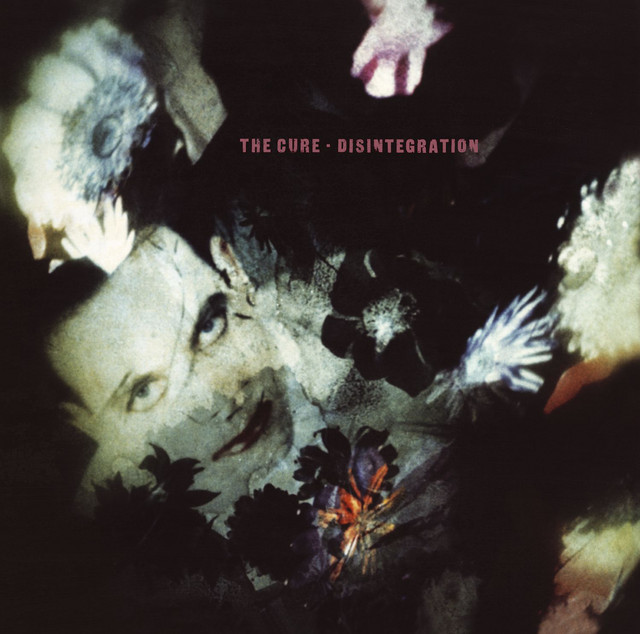
9. Disintegration (2010 Remaster)
Herbie Hancock's "Head Hunters" is an undeniable cornerstone of jazz-fusion and funk. Its grooves, laid down by an impeccable rhythm section, are as deep and infectious as anything from the era. The analog warmth of the Rhodes and Clavinet, combined with Hancock's innovative synth work, created a sound that was both intellectually rigorous and supremely danceable. It redefined the potential of electric jazz, bridging sophisticated harmony with raw, visceral funk.
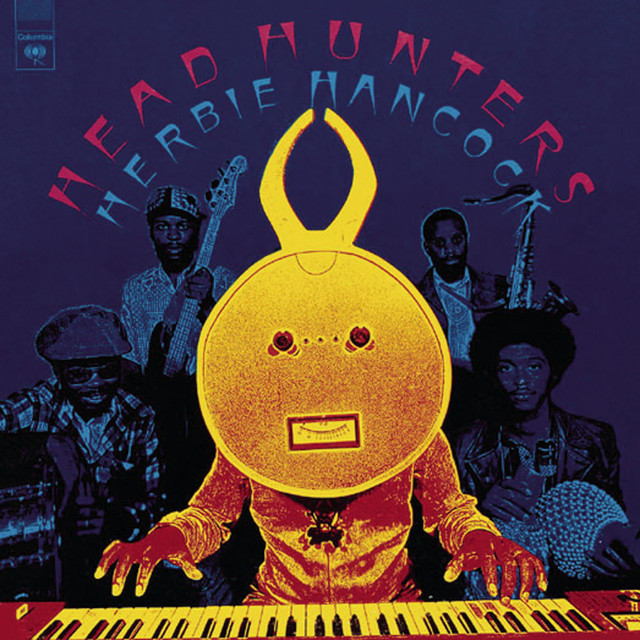
10. Head Hunters
Fugazi’s "13 Songs" was a seismic event, distilling the raw power of hardcore punk with a newfound sense of angular complexity and intellectual rigor. The analog recording captured their explosive live energy, showcasing intricate guitar interplay and driving, insistent rhythms. It wasn't just aggression; it was controlled chaos, a post-hardcore manifesto that proved punk could evolve without sacrificing its visceral punch or its uncompromising ideals.

11. 13 Songs
Cocteau Twins, with "Heaven or Las Vegas," perfected their ethereal sound, creating a shimmering, dream-pop masterpiece. Fraser’s inimitable vocals, often treated as another instrument, floated above intricate guitar textures and lush, analog synthesizers. The studio became a canvas for their unique sonic architecture, building layers of reverb and delay that enveloped the listener. It's a sonic tapestry, beautiful and utterly otherworldly, defining a distinct aesthetic.