
1. Naked City
The grit of New York City, captured in stark black and white, was the real star here. Each week, a new story unfolded, often feeling like a documentary, yet with all the dramatic punch of a feature film. They showed life on the streets, the human struggle, without the gloss. It was raw, immediate television, like peering through a dirty window. That "Kinescope" look only added to its authenticity, making every frame feel lived-in and real.
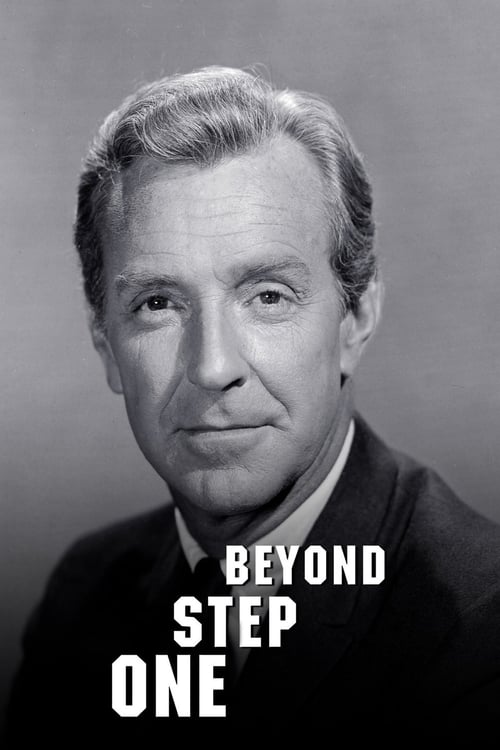
2. One Step Beyond
Before *Twilight Zone* got all philosophical, there was John Newland calmly presenting tales of the inexplicable. These weren't monsters, mind you, but everyday folks encountering things science couldn't quite grasp. It had this quiet, eerie suspense, a real chill that got under your skin without cheap scares. And in black and white, those shadows played tricks on your mind. It was a proper goosebump generator, offering a peek behind the curtain of reality.

3. The Many Loves of Dobie Gillis
Oh, Dobie Gillis. A groundbreaking sitcom, really, with Dobie breaking the fourth wall and pondering the meaning of life, or at least, the meaning of getting a girl. It captured that nascent "teenager" angst perfectly, from Maynard G. Krebs' beatnik jazz to Thalia Menninger's materialistic schemes. It was smart, funny, and surprisingly ahead of its time, a real look at the changing youth culture, all done with a light touch and some genuinely witty dialogue.
4. Route 66
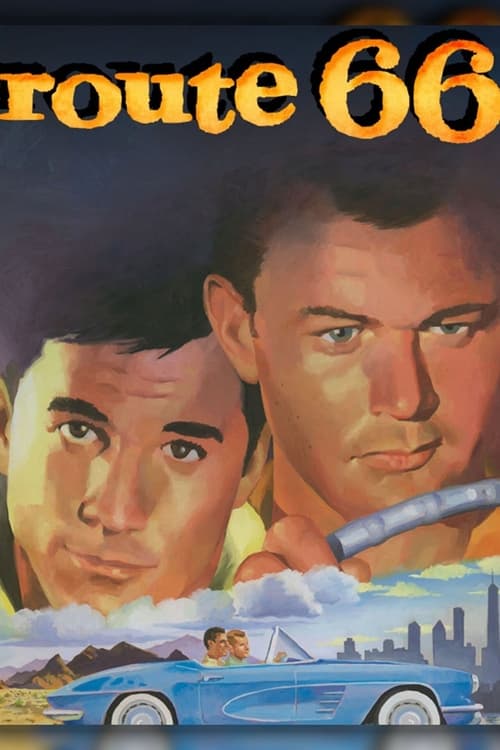
Two young men, Buz and Todd, driving that Corvette across America, seeking adventure and finding drama. Every week, a new town, new characters, new problems. It was a travelogue of the soul, really, showing off the vastness of the country while exploring universal human struggles. That sense of movement, of always being on the road, gave it a unique rhythm. And the location shooting? That was a marvel, a true commitment to authenticity.

5. Danger Man
Before "The Prisoner," Patrick McGoohan was John Drake, a man of few words and precise actions. This was espionage stripped down, focusing on the agent's wits rather than gadgets. It felt grounded, almost like a police procedural, but with international stakes. You could see the foundations for so many spy shows being laid here, all in crisp black and white. It was cool, intelligent, and didn't need explosions to deliver tension.
6. East Side/West Side
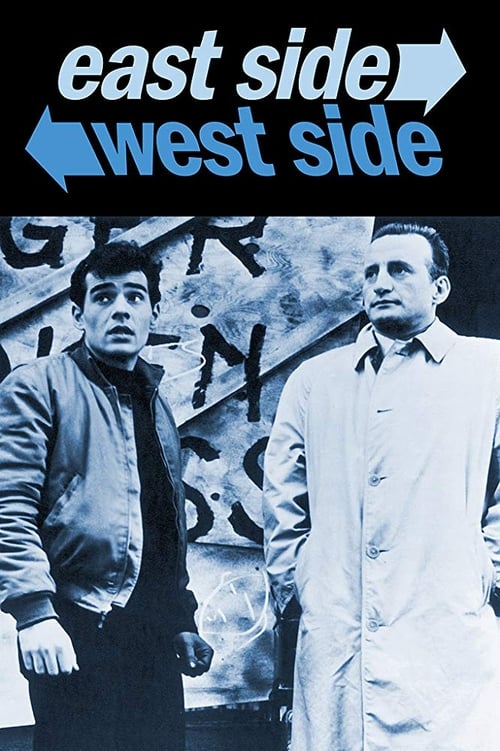
George C. Scott played a social worker in New York, and this show tackled some heavy stuff. Poverty, racial tension, juvenile delinquency – it wasn't afraid to look at the difficult realities of urban life. It was a serious drama, meant to make you think, not just entertain. And in black and white, the starkness of the issues really hit home. It was ambitious, perhaps too much so for its time, but it certainly left an impression.
7. The Outer Limits
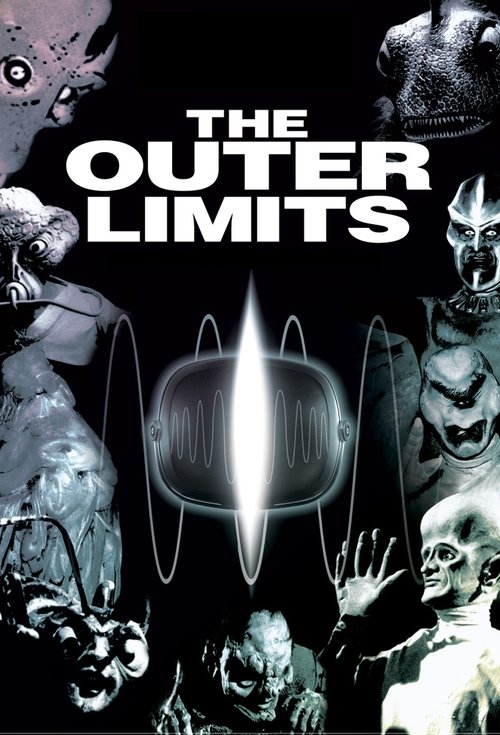
"There is nothing wrong with your television set." That opening narration immediately set the stage for something different. This wasn't just monster-of-the-week; *The Outer Limits* often used its bizarre creatures and alien invasions to explore deeper human fears and societal issues. The black and white cinematography and those incredible creature designs gave it a truly unsettling, atmospheric quality. It was smart, scary, and truly pushed the boundaries of what sci-fi could be on TV.
8. The Avengers
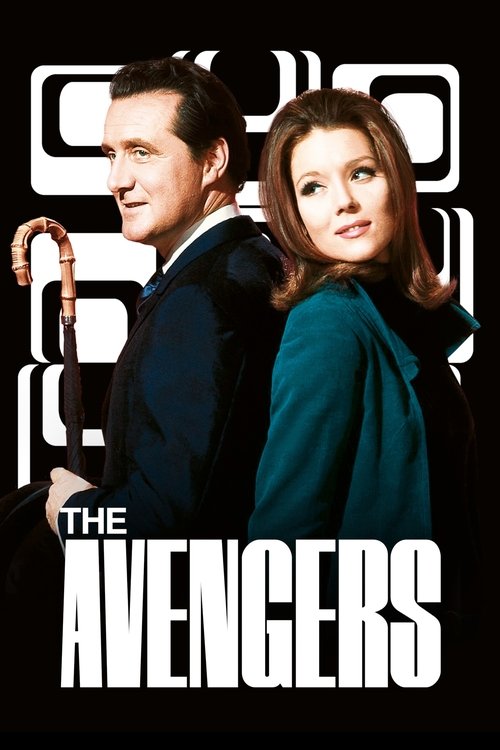
The very first incarnation, before the playful absurdities and Emma Peel. Here, John Steed was a straightforward, almost gruff secret agent, partnered with Dr. David Keel. It was more of a no-nonsense procedural, solving crimes and dealing with spies in a very British, understated way. The early black-and-white episodes laid the groundwork, showing glimpses of the style to come, but still very much rooted in classic mystery and espionage.
9. Combat!
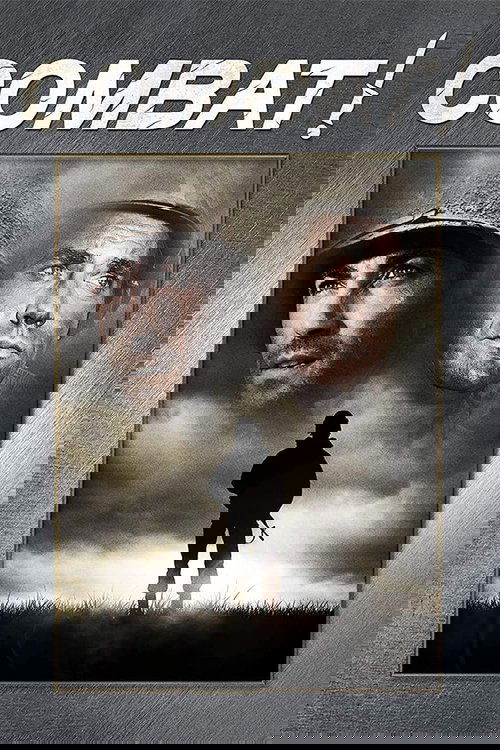
This wasn't just G.I. Joe playing in the sandbox. *Combat!* put you right there with a squad of American soldiers fighting through World War II France. It was gritty, often grim, showing the human toll of war without glorifying it. The ensemble cast, especially Vic Morrow and Rick Jason, brought real depth to their characters, allowing for a continuity of experience rare in early TV dramas. It felt authentic, like a weekly war film.
10. Kolchak: The Night Stalker
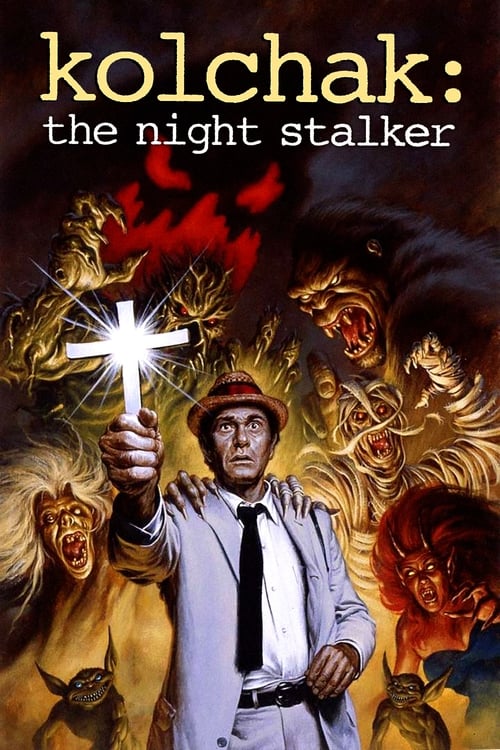
Darren McGavin as Carl Kolchak, the rumpled, wise-cracking reporter chasing down vampires, werewolves, and all manner of creatures of the night. It mixed horror with a police procedural, but with a cynical, endearing lead who always knew the truth, even if nobody believed him. It had a unique, almost documentary-style feel, and the monster-of-the-week format often hinted at a larger, darker world. A truly influential piece of cult television.
11. Police Story
This was a game-changer for police dramas. Instead of just heroes chasing bad guys, *Police Story* delved into the lives and struggles of the officers themselves. It was an anthology, with different casts and stories each week, giving it a raw, almost documentary feel. No slick heroes, just real people grappling with impossible situations. It showcased the emotional toll of the job, pushing the boundaries of realism for network television.
12. Thriller
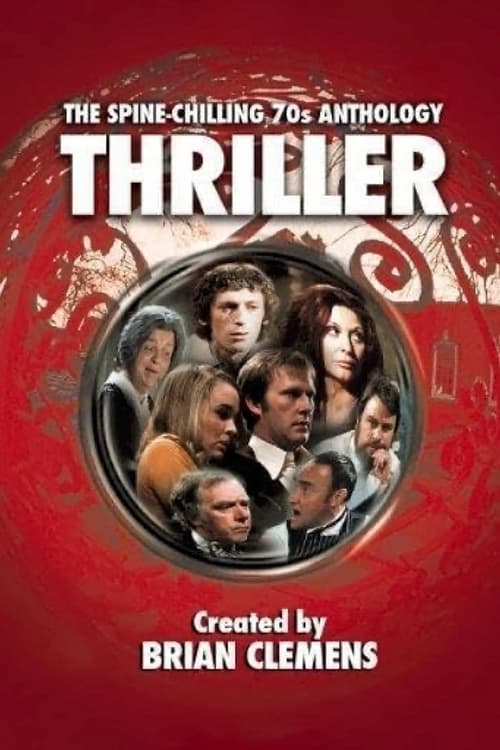
This British anthology series, despite its name, wasn't about jump scares but rather intricate, often psychological, mysteries and suspense. Each episode was a self-contained, feature-length story, usually with a clever twist or a dark, unsettling atmosphere. It often felt like a stage play adapted for the small screen, with meticulous plotting and character development. A proper "whodunit" or "what's going on here" that really kept you guessing.