
1 / 12
1. Alfred Hitchcock Presents
Now, this, this was television. Each week, a new tale, perfectly contained, often with a twist that made you gasp, or at least chuckle darkly. Hitchcock himself, that droll fellow, setting the mood before the drama unfolded on those stark black-and-white sets. It taught a generation what suspense really felt like, building tension without a lot of fuss. And those little cameos? A masterclass in how to grab attention and hold it tight, episode after episode.
2 / 12

2. Naked City
You wanted realism? Well, here it was, in glorious black-and-white, right there on the mean streets of New York. "There are eight million stories in the naked city..." and they told them, week after week. Not always pretty, often a bit raw, showing the underbelly of urban life. The cinematography was almost like another character, capturing the city's grim beauty. It was an early look at what television could do beyond the cozy living room, showing life as it truly was, often without a neat bow.
3 / 12
3. Route 66
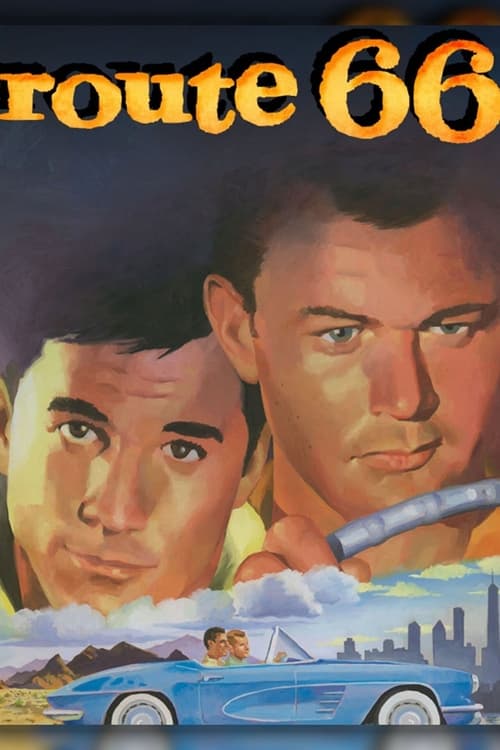
Ah, Buzz and Tod, and that Corvette. This was television's wanderlust, wasn't it? Two fellas driving across America, stumbling into a new town, a new problem, a new set of characters each week. It was episodic, sure, but the sense of movement, of always searching for something, that stuck with you. They showed us parts of the country we’d never see otherwise, all in black-and-white, making the open road feel both endless and intimate. A real journey every time.
4 / 12
4. East Side/West Side
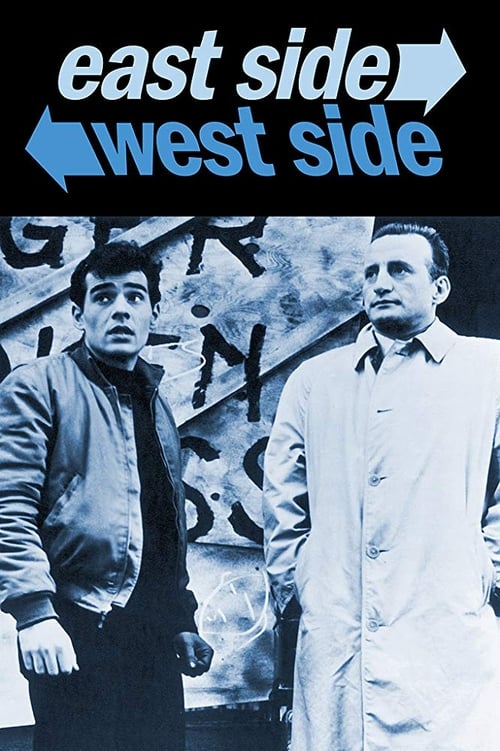
This one was ahead of its time, really. George C. Scott as a social worker in New York, grappling with real-world problems – poverty, racial tension, all that mess. It wasn't always easy viewing, certainly not your typical escapism. The black-and-white lent an immediate gravitas to the proceedings. It was stark, unflinching, and perhaps too honest for some audiences back then. A bold experiment in what television could tackle, even if it didn't last long.
5 / 12

5. The Fugitive
This was the very definition of long-form television, right there. Dr. Richard Kimble, always on the run, always searching for that one-armed man. Each week, a new town, a new identity, and the constant threat of Lieutenant Gerard closing in. It built suspense across seasons, something we hadn't really seen before on this scale. The black-and-white episodes were so atmospheric, truly capturing the desperation of his plight. A chase that gripped the nation.
6 / 12
6. Run for Your Life
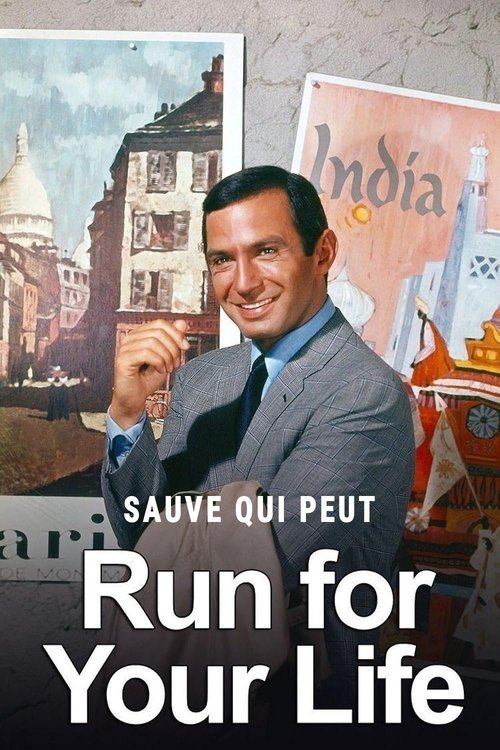
Well, Dr. Kimble was running *from* something, but Paul Bryan was running *to* life, knowing he had a limited time. This show took the "traveling hero" concept and added a ticking clock. Robert Wagner, charming as ever, living life to the fullest, experiencing different cultures and adventures. It was more glamorous than some of its contemporaries, often in vibrant color, reminding us to seize the day. A bit of a fantasy, but a compelling one.
7 / 12
7. The Odd Couple
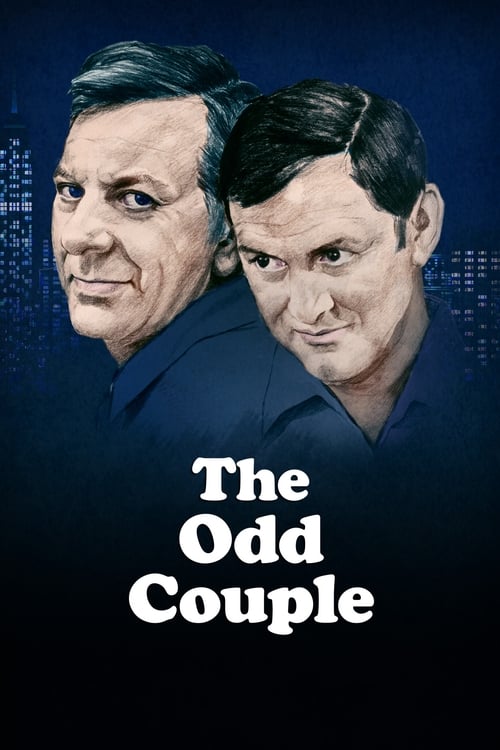
Now, this was a sitcom firing on all cylinders. Felix and Oscar, two completely opposite personalities, forced to live together. The friction, the exasperation, the underlying affection – it was all gold. Klugman and Randall had such undeniable chemistry, their performances made the whole thing sing. You could feel the studio audience's laughter, because it was genuinely funny, week in and week out. A classic setup, executed perfectly, showing how character drives comedy.
8 / 12
8. Columbo
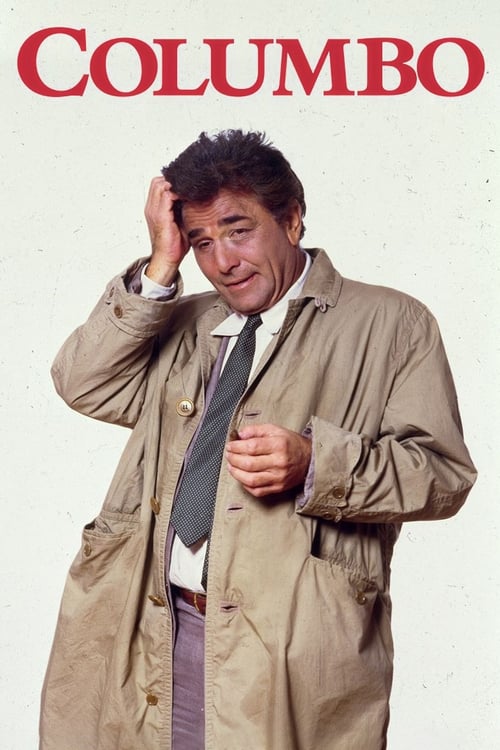
Ah, Columbo. You knew who did it from the start, but the real mystery was *how* that rumpled detective, with his cheap cigar and that eternal raincoat, would slowly, painstakingly unravel the perfect crime. Peter Falk made him so endearing, always with "just one more thing." It flipped the detective genre on its head, focusing on the cat-and-mouse game rather than the whodunit. An absolute masterclass in character and subtle manipulation.
9 / 12
9. Maude
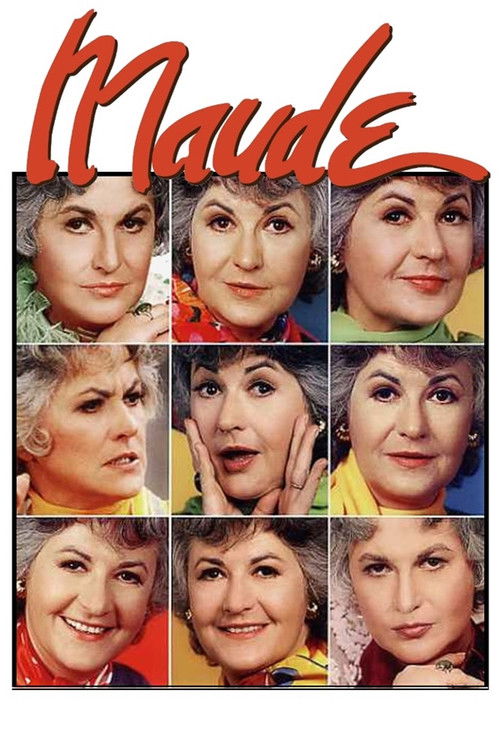
Maude Finlay. Now there was a character who wasn't afraid to speak her mind, often loudly. Norman Lear pushed the boundaries with this one, tackling women's rights, abortion, alcoholism – subjects most sitcoms wouldn't touch with a ten-foot pole. Bea Arthur was magnificent, bringing both fire and vulnerability to the role. It showed how a sitcom, with a live studio audience, could be both hilarious and incredibly thought-provoking, sparking conversations in living rooms everywhere.
10 / 12
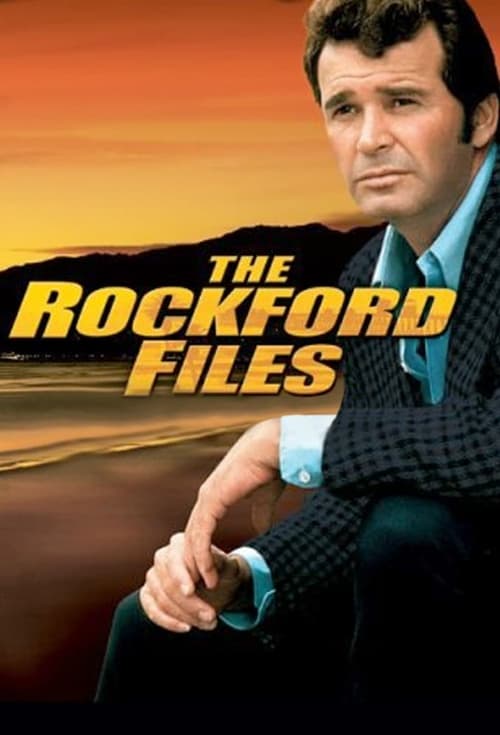
10. The Rockford Files
Jim Rockford wasn't your usual slick private eye. He lived in a trailer, was always broke, and often got punched. But James Garner made him so darn likable, a reluctant hero who'd rather talk his way out of trouble than fight. The car chases, the answering machine gags, his long-suffering dad – it all added up to a detective show with a real sense of humor and humanity. It felt real, felt lived-in, a comfortable shoe of a show.
11 / 12
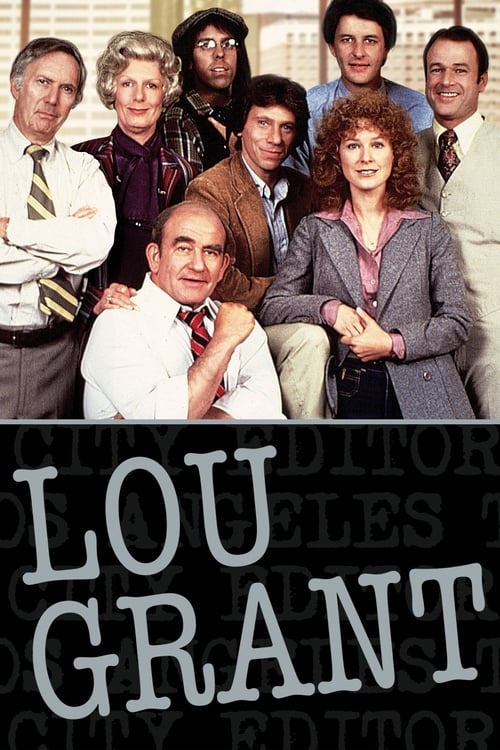
11. Lou Grant
From sitcom to serious drama, who would've thought? Ed Asner took his gruff but lovable Lou Grant from the newsroom of WJM-TV to a Los Angeles newspaper, and suddenly, television got very real about journalism. This wasn't jokes; it was about ethics, deadlines, and the hard grind of reporting. It proved that audiences were ready for complex, adult storytelling, even from a familiar face. A bold, successful leap that earned its stripes.
12 / 12
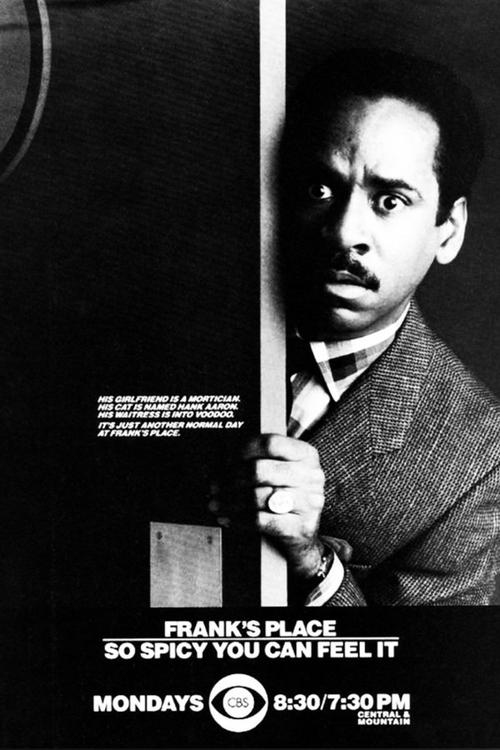
12. Frank's Place
Now this was different. A sitcom without a laugh track, set in a New Orleans restaurant, with a rhythm all its own. Tim Reid played Frank, inheriting this quirky place, and the show just breathed. It had a cinematic quality, with a distinct atmosphere and a cast of memorable characters. It felt more like a play or a film than a typical multi-camera sitcom, showing television could evolve beyond the familiar structure. A quiet triumph, really.