
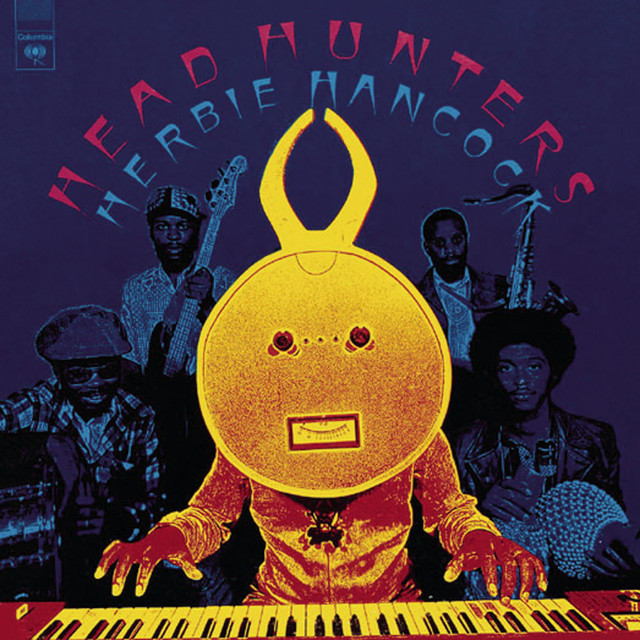
1. Head Hunters
Herbie Hancock’s "Head Hunters" wasn't just fusion; it was a seismic shift, channeling Parliament-Funkadelic's rhythmic sensibilities through a jazz lens. The Moog Bass, the Clavinet – these weren't mere additions but foundational elements, solidifying a new sound. It spoke to both the dance floor and the avant-garde, proving that intricate improvisation could groove with undeniable, earthy funk. This was a blueprint for the next decade's sonic architecture.

2. From the Land of Rape and Honey (The Suppressed Tapes)
Ministry's "From the Land of Rape and Honey" detonated like a sonic IED. Al Jourgensen, having shed his synth-pop skin, forged a brutal, mechanical sound, blending sampled industrial clangor with searing guitar riffs and punishing drum machines. This wasn't merely heavy; it was confrontational, a raw, uncompromising assault that redefined industrial music and laid groundwork for the emerging metal-industrial hybrid, all captured with a terrifying, pre-digital ferocity.
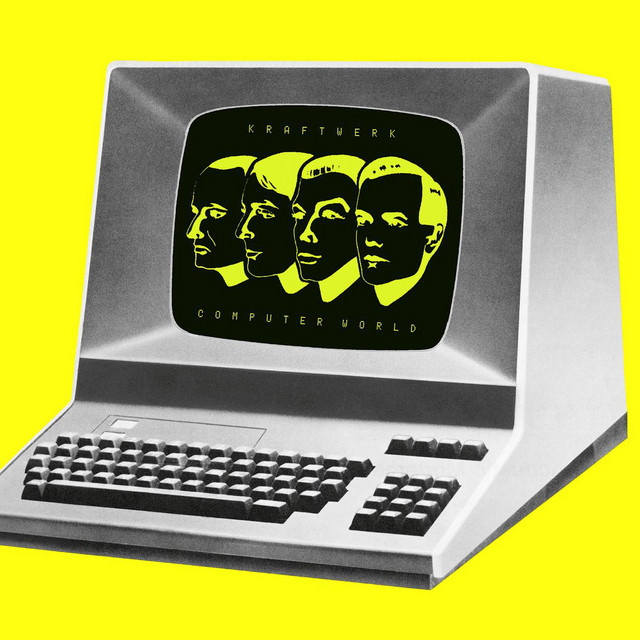
3. Computer World (2009 Remaster)
"Computer World" cemented Kraftwerk's status as digital seers. Long before mainstream synth-pop, they crafted a pristine, almost sterile soundscape, predicting our technology-driven future. The German precision in their synthesis, the vocoders, the stark rhythmic patterns – it wasn't just music; it was a philosophical statement rendered in pure electronics. This album’s influence on early techno and electro cannot be overstated; it literally composed the future.
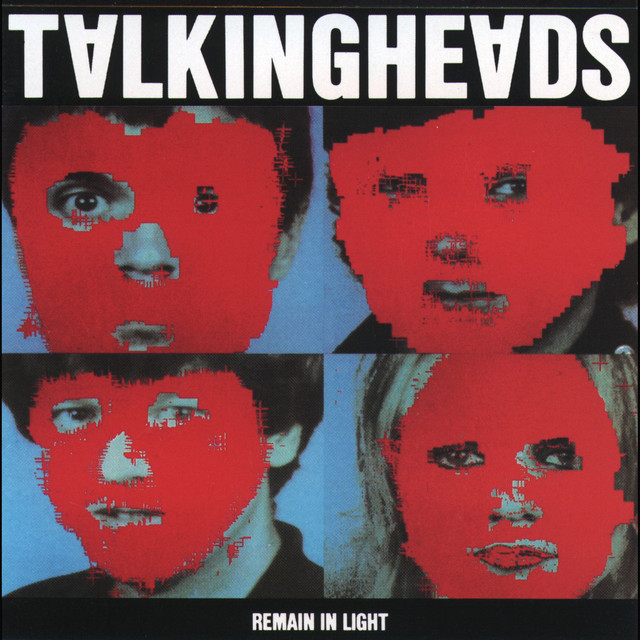
4. Remain in Light
"Remain in Light" was Talking Heads at their most adventurous, a kaleidoscopic explosion born from Eno’s production and Fela Kuti's rhythmic blueprints. Deconstructed funk grooves, polyrhythmic layering, and a dense, almost claustrophobic sonic tapestry defined its genius. This wasn't merely art-rock; it was a masterclass in controlled chaos, proving how studio experimentation, particularly with analog gear and tape loops, could create a sound both alien and profoundly human, influencing countless bands.
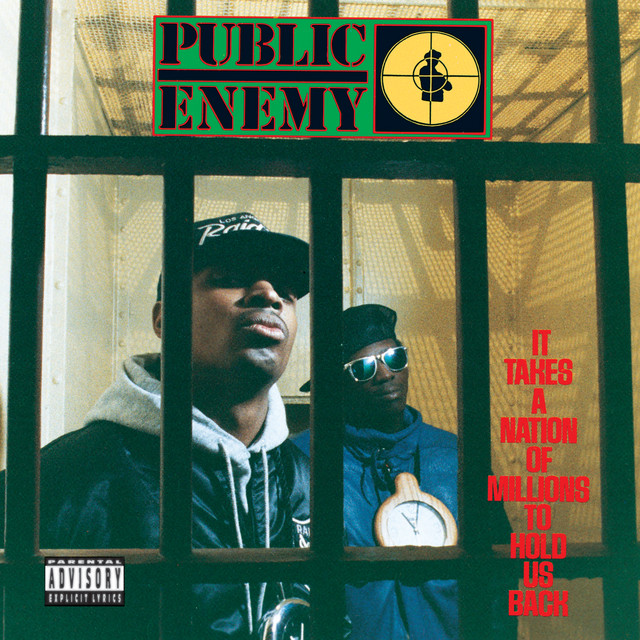
5. It Takes A Nation Of Millions To Hold Us Back
Public Enemy’s "It Takes A Nation Of Millions" was a sonic declaration of war, a relentless barrage of noise, samples, and righteous fury. The Bomb Squad’s production, a dense, multi-layered collage of obscure breaks and siren wails, was revolutionary, pushing the SP-1200 sampler to its absolute limits. This wasn't just rap; it was a political awakening set to a soundtrack of controlled cacophony, proving the raw power of pre-digital sonic manipulation in the hands of visionaries.
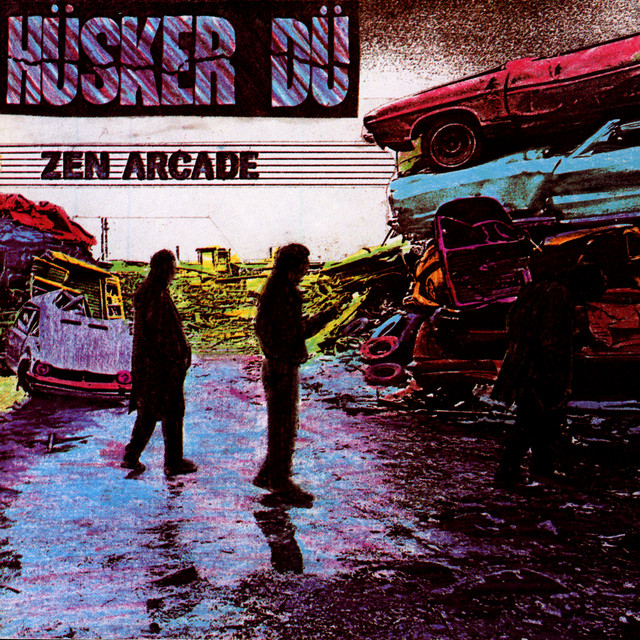
6. Zen Arcade
"Zen Arcade" was Hüsker Dü's sprawling, audacious statement, transcending hardcore’s perceived limitations. This double album, recorded in a whirlwind, fused blistering punk energy with nascent melodicism and introspective narratives. Its raw, unpolished production, a hallmark of the era's independent spirit, belied its sophisticated songwriting. It showed that punk could be expansive, emotionally resonant, and deeply ambitious, effectively drawing the blueprint for subsequent alternative rock and post-hardcore movements.
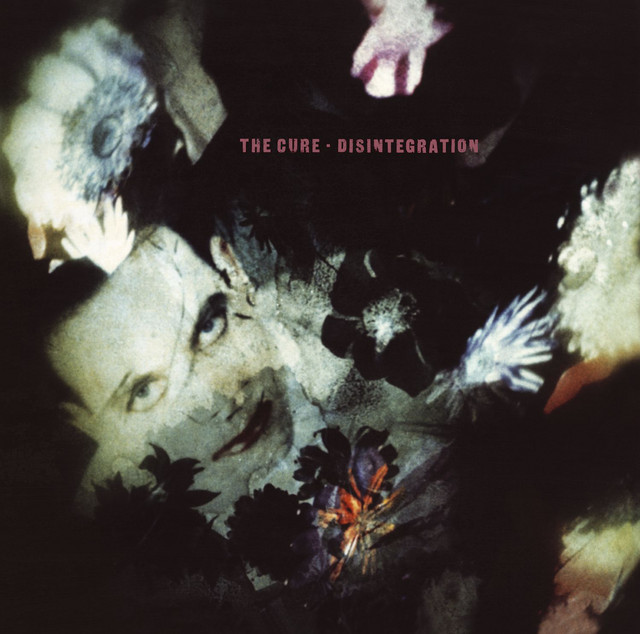
7. Disintegration (2010 Remaster)
"Disintegration" epitomized The Cure’s mastery of melancholic grandeur. Robert Smith’s expansive vision, realized through layers of shimmering guitars, sweeping analog synthesizers, and cavernous drums, created an enveloping, almost suffocating atmosphere. This wasn't merely goth rock; it was an immersive sonic cathedral of despair, where every reverb tail and delayed guitar note contributed to a vast, emotional landscape, defining darkwave for a generation and proving the immense power of analog production.
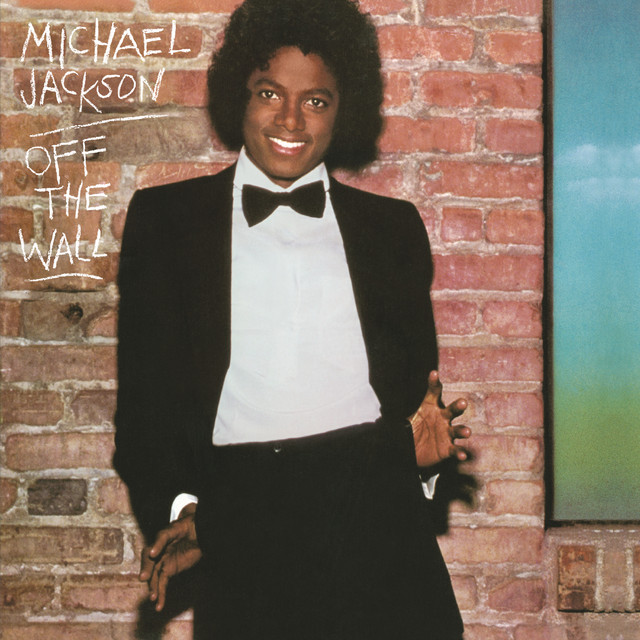
8. Off the Wall
"Off the Wall" wasn't just Michael Jackson’s breakthrough; it was a dazzling fusion of disco's infectious energy with sophisticated R&B and funk arrangements. Quincy Jones’s meticulous production, full of lush strings, tight horn sections, and crystalline vocal harmonies, crafted an album of unparalleled pop brilliance. This wasn't simply dance music; it was a masterclass in groove, melody, and precision, showcasing the peak of pre-digital studio craft and setting a new standard for pop artistry.
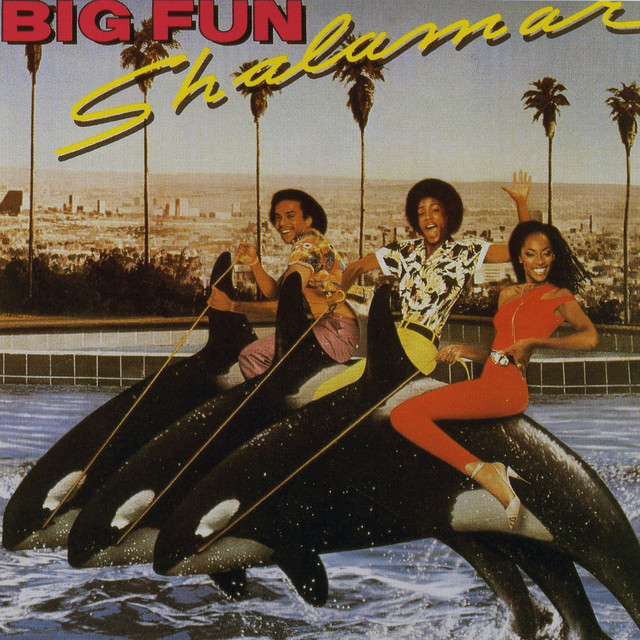
9. Big Fun
Miles Davis’s "Big Fun" dove headfirst into global rhythms and electric experimentation, a psychedelic, sprawling tapestry of sound. Drawing from African, Indian, and Middle Eastern influences, fused with his electric band's jazz-rock intensity, it was a radical departure. The heavy use of tape manipulation, studio effects, and extended improvisations showcased a fearless embrace of new sonic frontiers. This wasn't just fusion; it was a testament to the boundless possibilities of analog studio craft.
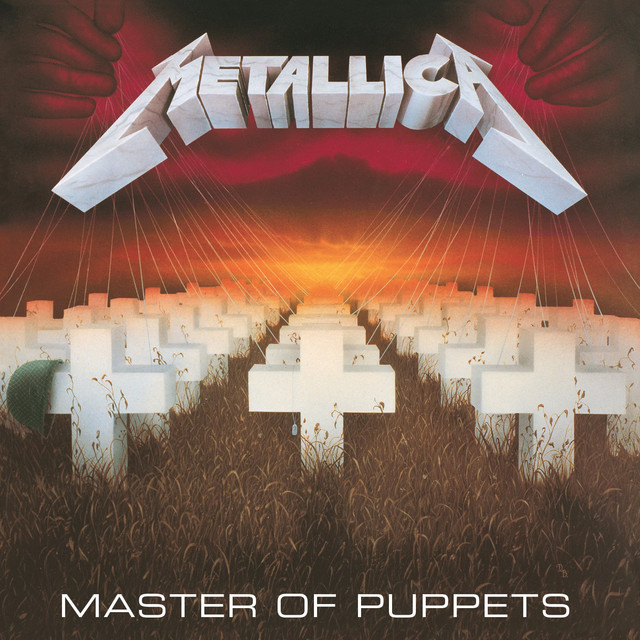
10. Master of Puppets (Remastered)
"Master of Puppets" cemented Metallica's dominance, defining thrash metal's potential for complexity and raw power. The intricate song structures, blistering tempos, and dual-guitar harmonies were delivered with an unyielding aggression previously unheard. Its production, while raw by later standards, perfectly captured the band’s visceral energy, showcasing a meticulous attention to riffcraft and arrangement. This wasn't just heavy metal; it was a benchmark for technicality and ambition within the genre.
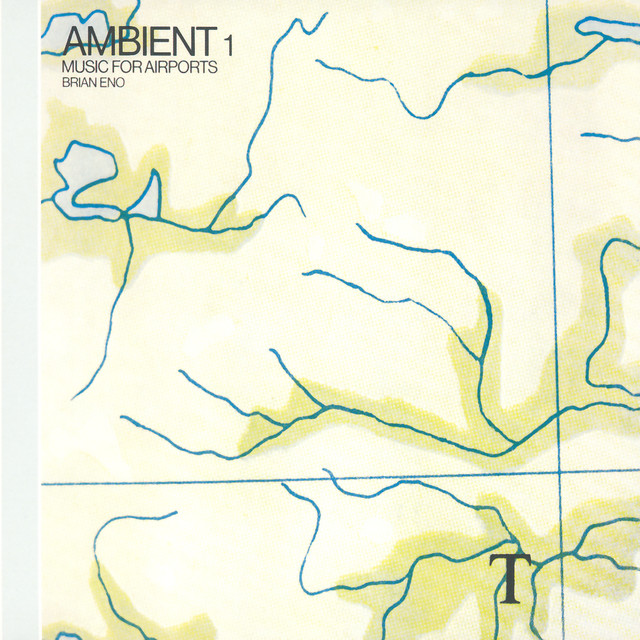
11. Ambient 1: Music For Airports (Remastered 2004)
Brian Eno’s "Ambient 1: Music For Airports" wasn't merely background music; it was a theoretical treatise on sound's ability to alter perception. Through loops of tape, subtle tonal shifts, and carefully placed silences, Eno crafted a serene, yet thought-provoking soundscape. This wasn't just music for public spaces; it was the definitive statement on ambient as a genre, demonstrating how meticulous analog composition could create immersive environments, influencing countless electronic artists.
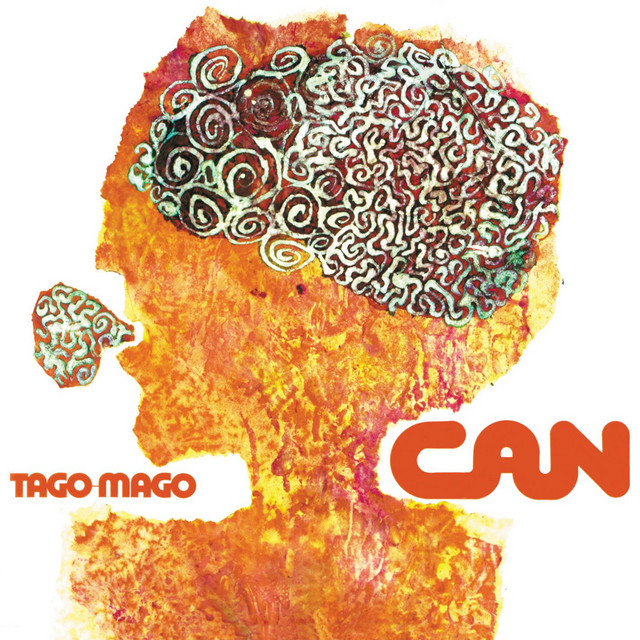
12. Tago Mago (2011 Remastered)
Can's "Tago Mago" was a krautrock odyssey, a sprawling, psychedelic journey into rhythmic abstraction and avant-garde rock. Its lengthy, improvisational pieces, anchored by Jaki Liebezeit’s hypnotic drumming, pushed the boundaries of what rock music could be. The raw, almost hallucinatory production, captured using rudimentary analog techniques, amplified its experimental ethos. This wasn't just rock; it was a deep dive into the subconscious, an influential blueprint for post-punk and experimental music.