


1. FLASHING LIGHT
There is an undeniable propulsion here, a synthetic shimmer that signals the dawn of something new. The drum programming, while still adhering to the established dancefloor grooves of post-disco, hints at the rigid precision that would soon define early house. Analog synthesizers weave intricate patterns, creating a dense, almost hypnotic texture. This track embodies the transition, a pre-digital blueprint for sonic escapism, designed for movement and collective euphoria, yet possessing an underlying complexity in its construction.
2. Birdland
Weather Report's signature blend of jazz improvisation and rock energy is on full display. The interplay between Jaco Pastorius's melodic bass, Joe Zawinul's pioneering synthesizer work, and Wayne Shorter's evocative saxophone creates a rich, layered soundscape. It’s a masterclass in ensemble performance, where each instrument contributes to a tapestry of sound that is both intricate and immediately accessible. The studio's role in capturing such dynamic live energy, pre-digital, is a testament to engineering artistry.

3. Comfortably Numb 2025
While the title suggests a future iteration, the core impact remains rooted in that iconic original. It’s the quintessential art-rock epic, a slow-burning psychological journey. David Gilmour’s guitar solos are not mere fretboard gymnastics; they are carefully constructed narratives, soaring with a pre-digital warmth. The expansive production, with its layers of synthesizers and lush vocal harmonies, crafts an almost tangible melancholic atmosphere. This track defines sonic grandeur, a true wall of sound built from precision and emotion.

4. 300: Rise of an Empire (Original Motion Picture Soundtrack)
The very notion of a 'Rise of an Empire' soundtrack, especially when conceived in a pre-digital landscape, evokes a colossal sonic ambition. One imagines the immense orchestral arrangements, perhaps augmented by early synthesizers or even industrial percussion, striving for epic scale. This isn’t about subtle nuance; it's about sheer, overwhelming force, a deliberate assault on the senses designed to convey monumental conflict. The challenge was always how to build such an imposing soundscape without today’s digital convenience.

5. Blue Monday
New Order redefined dance music with this track, a coldwave anthem that still resonates. The relentless, programmed drum machine beat anchors everything, providing a stark, mechanical pulse. Peter Hook’s bassline is instantly recognizable, a melodic anchor amidst the swirling synthesizers. It’s a marvel of pre-digital sequencing and arrangement, demonstrating how technology could imbue a track with both a detached coolness and an irresistible groove. A masterclass in minimalist power.

6. Bela Lugosi's Dead (The Hunger Mix)
This 'Hunger Mix' amplifies the original's already potent darkwave atmosphere. The bassline, deep and resonant, is the skeletal framework, while Daniel Ash’s guitar shimmers with an eerie, almost liquid quality. Peter Murphy's vampiric croon, drenched in studio reverb, completes the macabre tableau. It’s a masterclass in creating dread through sonic texture, utilizing the limitations of pre-digital effects to craft something truly chilling and immersive, a perfect soundtrack for the spectral unknown.
7. Good Times Go
This title suggests a track steeped in the late-era disco or nascent boogie sound, a lament perhaps, but still driven by an insistent groove. Expect a tight rhythm section, perhaps some horn arrangements, and certainly some soulful vocal interplay. The production would focus on clarity and punch, ensuring the bassline and drums hit hard. It’s the kind of track that captures a specific moment of transition, when the euphoria of disco began to yield to a more nuanced, yet equally compelling, funk sensibility.
8. Can You Feel It
The Jacksons delivered an absolute powerhouse of post-disco grandeur here. From the expansive orchestral intro to the soaring vocal harmonies, everything about this track is designed for maximum impact and upliftment. The arrangements are meticulously layered, showcasing a pre-digital studio's ability to create a truly massive sound without sacrificing clarity. It’s an infectious, celebratory anthem, a testament to complex songwriting and production that elevates the listener, demanding a physical response.
9. Head Hunters
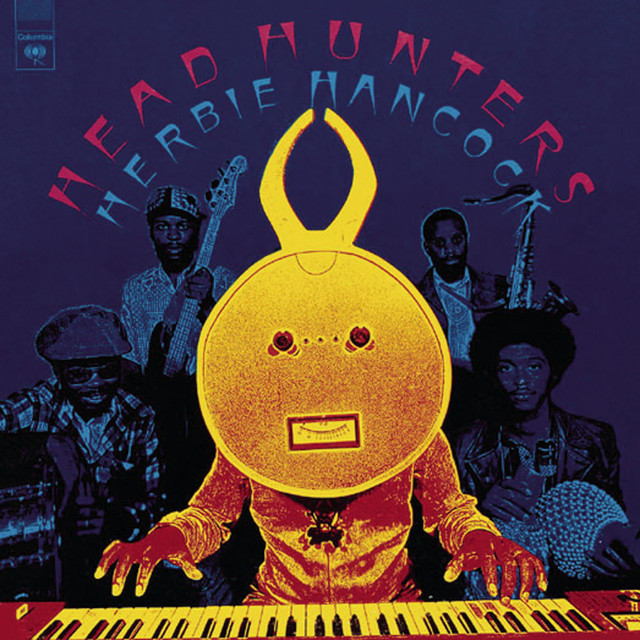
Herbie Hancock’s seminal work completely reshaped jazz-fusion, injecting it with an undeniable funk swagger. Tracks like 'Chameleon' are built on infectious, repetitive grooves, driven by Hancock's groundbreaking synthesizer explorations and Paul Jackson’s impossibly tight bass. It’s a testament to the pre-digital era's ingenuity, where musicians pushed the boundaries of instrumentation and composition, creating a sound that was both intellectually stimulating and viscerally compelling. A truly foundational album for groove-based music.
![An Ending (Ascent) [Guitar Version]](https://i.scdn.co/image/ab67616d0000b273da6b7e0f9776dedda91a2250)
10. An Ending (Ascent) [Guitar Version]
Brian Eno’s ambient work is a masterclass in sonic architecture, and this 'Guitar Version' suggests a particularly resonant approach. It’s not about traditional melodies but about texture, space, and the careful manipulation of sustained tones. The guitar, processed and layered, becomes an almost atmospheric entity, creating a sense of gradual ascension. This pre-digital exploration of soundscapes demonstrates how studio as instrument could evoke profound emotional states with seemingly minimal elements, a truly contemplative experience.
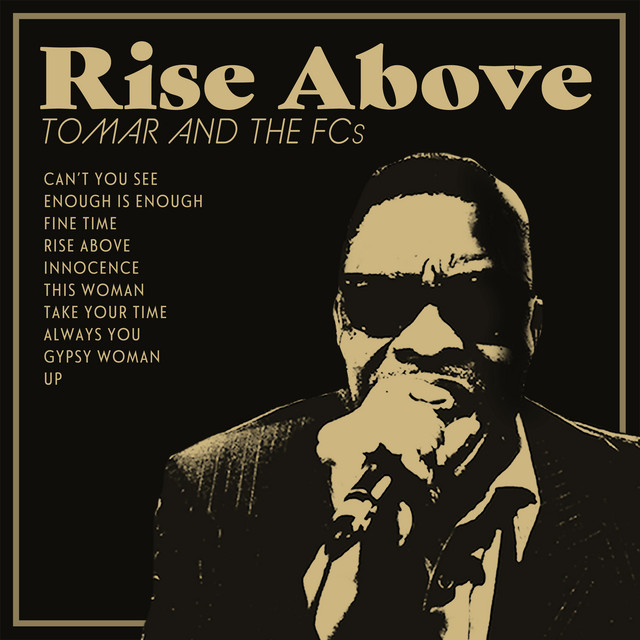
11. Rise Above
Black Flag’s 'Rise Above' is a pure, unadulterated blast of hardcore punk fury. It’s raw, aggressive, and utterly uncompromising. The production is sparse, favoring directness over polish, capturing the visceral energy of a live performance. Henry Rollins's vocals are a primal scream of defiance, backed by a relentless, driving rhythm section and jagged guitar riffs. This track embodies the anti-establishment ethos, a pre-digital sonic punch to the gut that leaves no room for artifice.
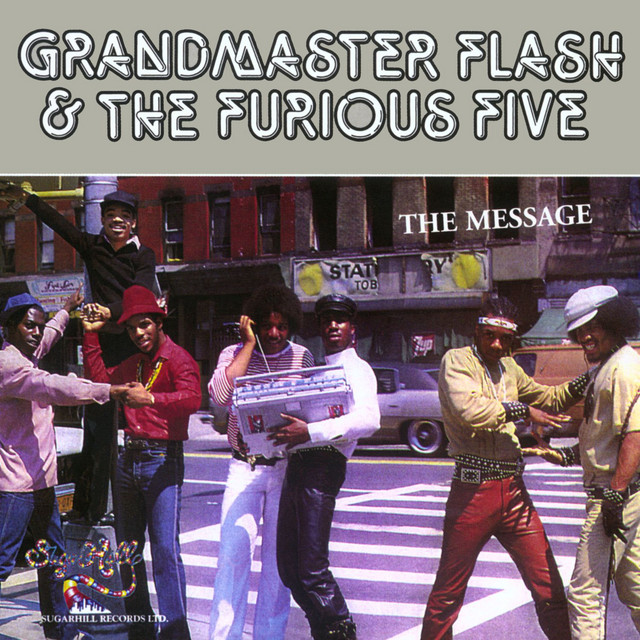
12. The Message
Grandmaster Flash & The Furious Five delivered a seismic shift in music with 'The Message.' This wasn't just party rhymes; it was stark, unflinching social commentary, driven by a sparse but utterly compelling rhythm. The iconic drum machine beat, combined with early synth lines, created a bleak, urban soundscape. It proved the power of rhythmic spoken word over a beat, establishing the blueprint for narrative rap and showcasing the raw potential of early sampling and rudimentary digital percussion.