1. Max Headroom
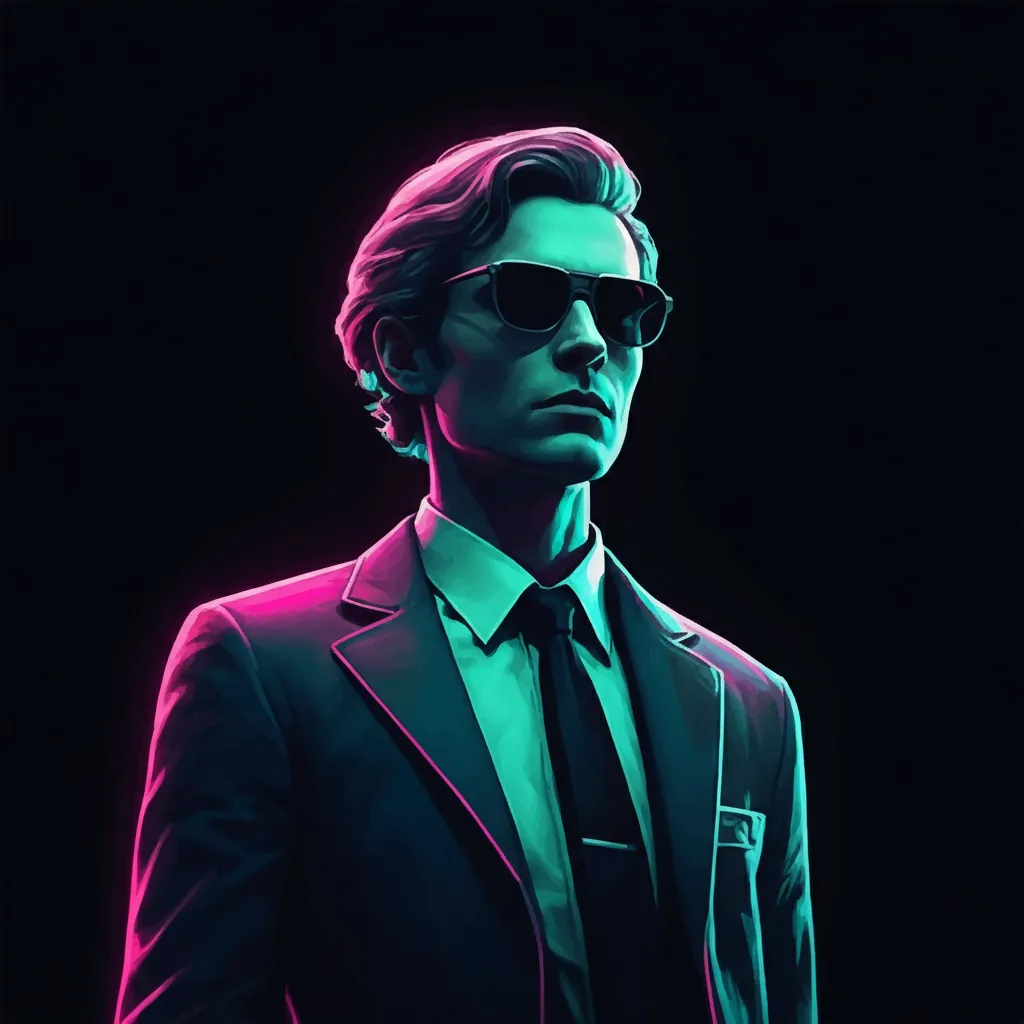
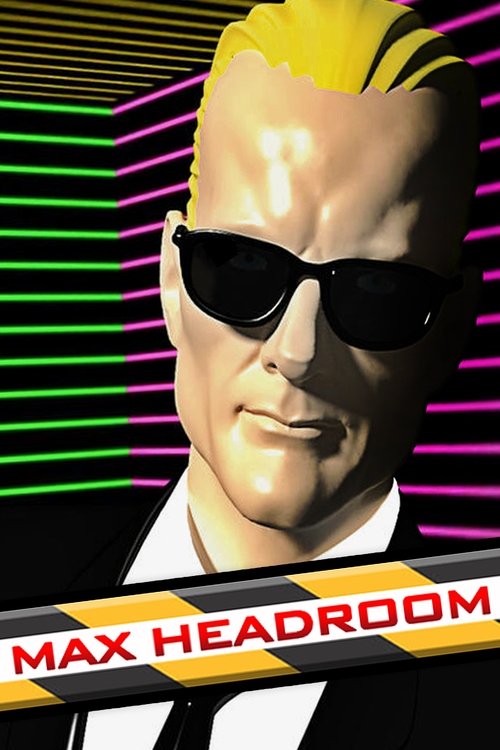
Okay, so this was mind-bending. A digital character, glitching and stuttering, hosting a cyberpunk show. It wasn't just sci-fi; it was a commentary on media, corporations, and the future, all wrapped in a neon-soaked, analog-effect package. The world felt lived-in, dangerous, and totally unique. And that laugh? Unforgettable. This show redefined what TV could be.
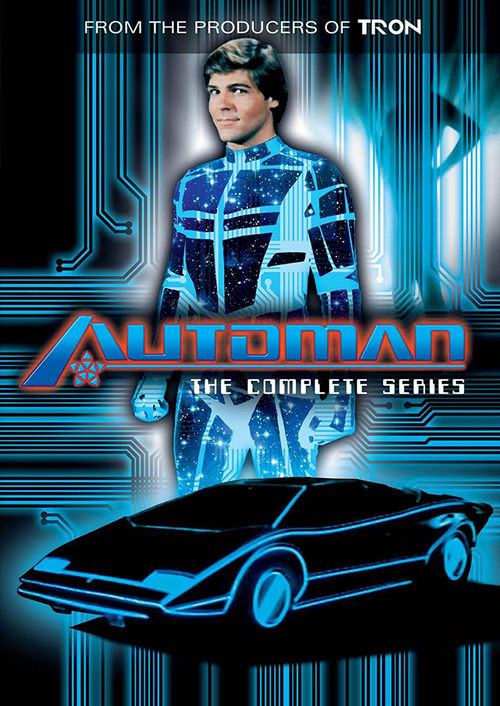
2. Automan
This was pure 80s digital fantasy. A cop creates an AI hologram that can materialize a light-cycle and a car out of thin air. The vector graphics effects were primitive but revolutionary then, a real visual spectacle for the time. It was a buddy-cop show, but with a glowing, perfect computer partner. Short-lived, but etched in the memory banks.
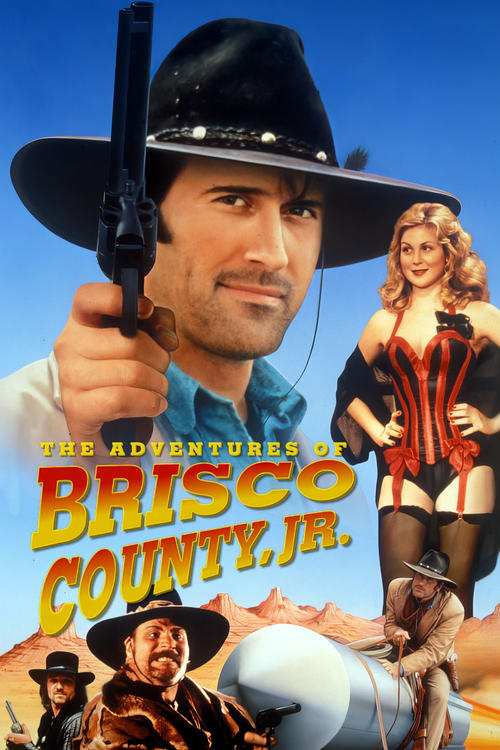
3. The Adventures of Brisco County, Jr.
Bruce Campbell in a sci-fi western with a quirky sense of humor? Yes, please. This show was ahead of its time, mixing steampunk tech, serialized mystery, and a constant search for adventure. It had a pulp magazine feel, a real oddball in the network lineup. The entire thing was a beautifully crafted, slightly unhinged experiment. Too good for its own good, honestly.
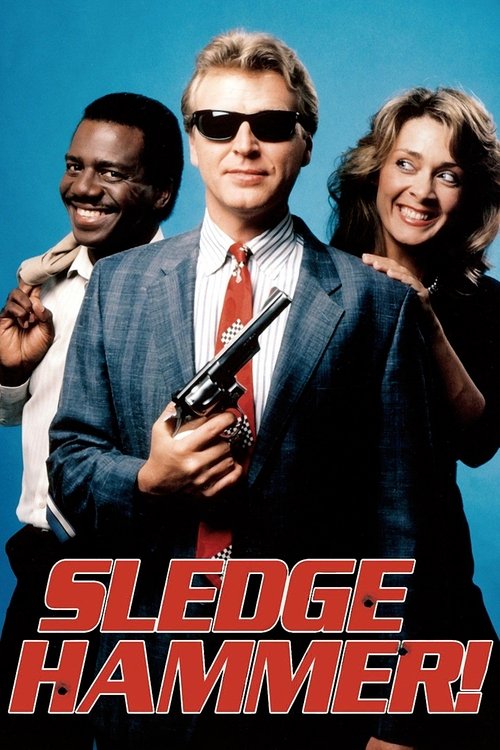
4. Sledge Hammer!
"Trust me, I know what I'm doing." This show was a glorious send-up of every tough-guy cop trope, but it pushed the envelope with its dark humor and cartoonish violence. It was satire so sharp, some people probably didn't even get it. A pure punk rock attitude in a network sitcom slot. Totally unhinged, totally brilliant.
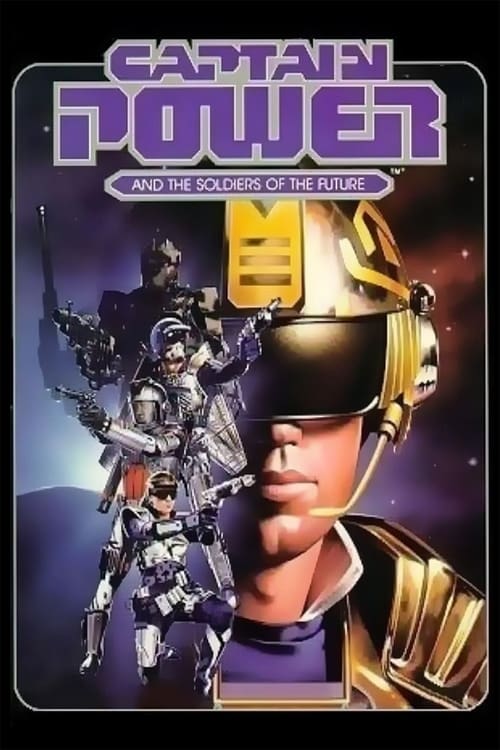
5. Captain Power and the Soldiers of the Future
Man, this was dark for a kids' show, right? Post-apocalyptic sci-fi with early CGI robot villains and interactive toy tie-ins that shot at the screen. It was ambitious, gritty, and surprisingly mature in its themes. You felt the stakes. A true proto-cyberpunk vision for the small screen.
6. V
The original miniseries. The Visitors arriving, looking benevolent, then the slow, terrifying reveal of their true reptilian nature. This was soap-operatic maximalism meets sci-fi horror, full of shocking practical effects and allegorical dread. It played on Cold War fears and xenophobia, turning primetime TV into a genuinely unsettling experience.
7. The Prisoner
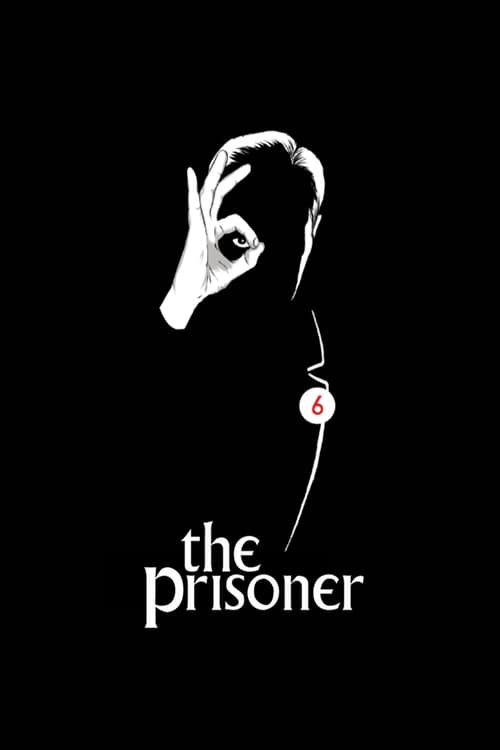
Number Six, trapped in The Village, constantly trying to escape, constantly observed. This was psychological warfare on TV, surreal and mind-bending decades before its time. It questioned identity, freedom, and authority with every bizarre twist. A true cult classic that influenced everything that came after it, a real head-trip.
8. Probe
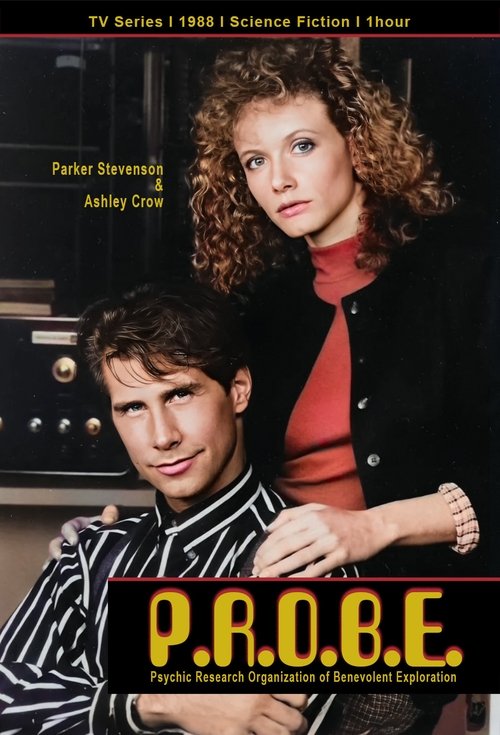
Isaac Asimov's name attached to a mystery series about an eccentric genius solving crimes with cutting-edge tech? Yeah, it was weird. The guy lived in a geodesic dome, wore futuristic clothes, and had a knack for gadgets. It was short-lived but had that unique, quirky sci-fi sensibility. Very 80s, very experimental.
9. Highlander: The Series
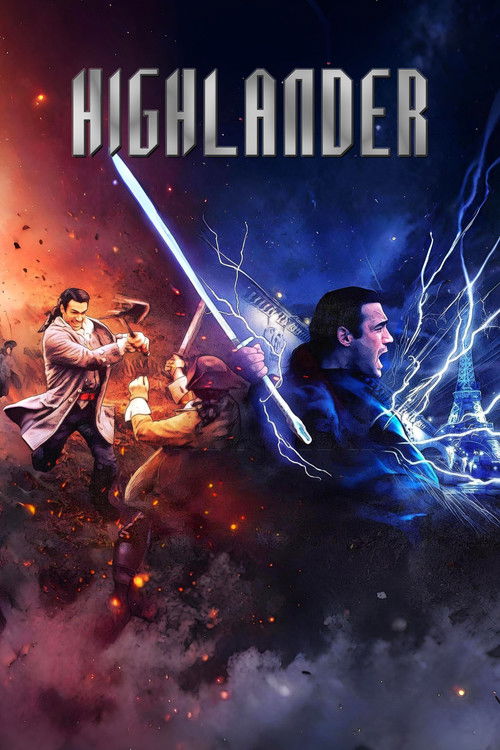
Duncan MacLeod, an immortal swinging a sword through time, fighting other immortals in syndicated glory. It had history, romance, and epic battles, often on a shoestring budget. The flashbacks were key, building a sprawling mythology. It was a perfect example of genre-bending, serialized storytelling before it was cool.
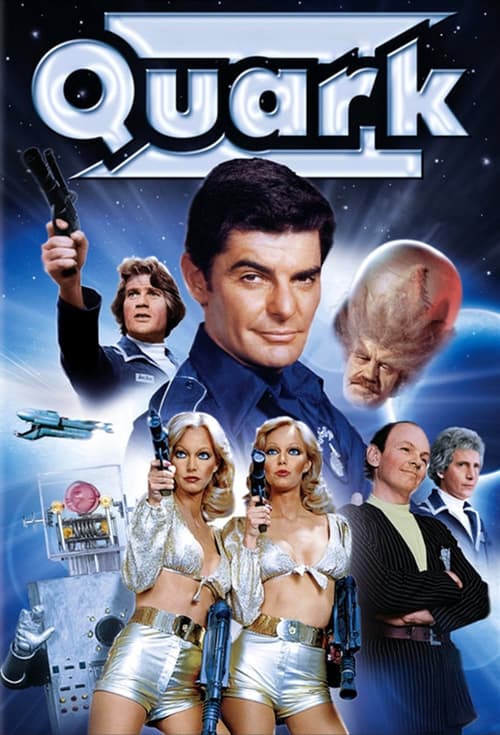
10. Quark
Gene Roddenberry's weird sci-fi comedy about a garbage collector in space. It was a bizarre, low-budget parody of Star Trek, complete with a commander who talked to a plant and a duo of interchangeable female clones. It was ahead of its time as a spoof, full of quirky characters and very 70s aesthetics. Pure cult gold.

11. Forever Knight
A vampire detective in modern-day Toronto, haunted by his past, working the night shift. This show was pure syndicated mood. It combined noir detective tropes with gothic romance and existential angst. Nick Knight was the ultimate conflicted anti-hero, always wrestling with his immortal nature. Dark, moody, and surprisingly deep.
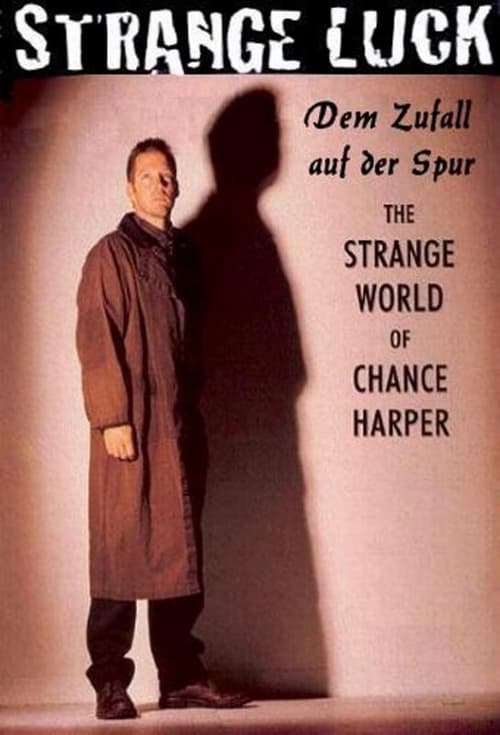
12. Strange Luck
D.B. Sweeney as a guy who sees patterns in random events, believing that everything is connected. This show was a deep dive into fate, chance, and conspiracy, often with a melancholic, philosophical edge. It was dark, episodic, and genuinely thought-provoking, a hidden gem that pushed the boundaries of network storytelling.