
1 / 12
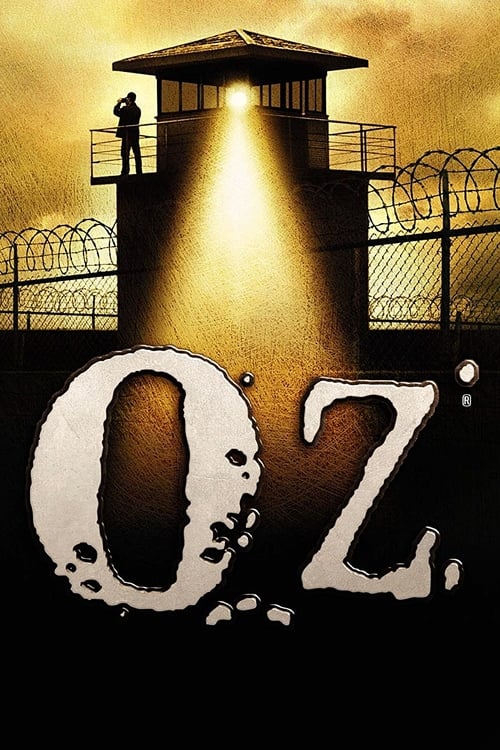
1. Oz
Before "prestige TV" was a buzzword, "Oz" hit HBO like a shiv. This wasn't just a prison show; it was a character study in moral decay, a brutal, serialized look at a microcosm of society where no one was safe. It showcased cable's willingness to go places network television wouldn't dare, setting a new standard for adult drama and ensemble intensity.
2 / 12
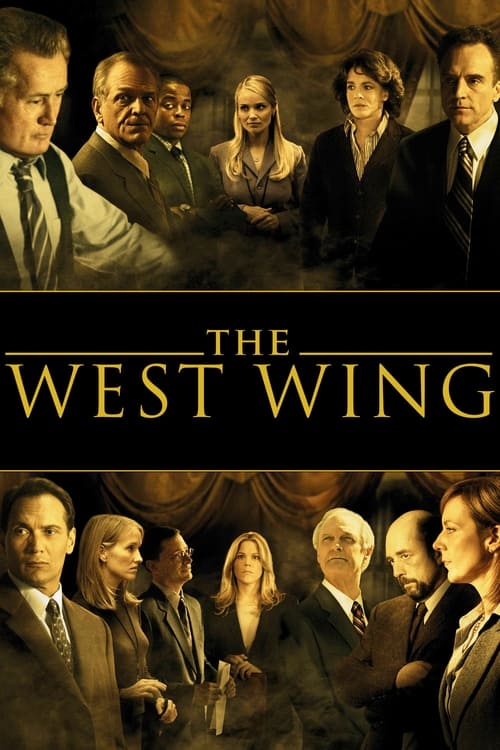
2. The West Wing
Sorkin's "walk and talk" became iconic, but it was the dense, intelligent dialogue and the peek behind the Oval Office curtain that hooked us. This show made politics thrilling, revealing the idealism and cynicism within the White House. It was a network drama that proved you could still do smart, serialized storytelling without compromising its reach, balancing ensemble dynamics with sharp writing.
3 / 12

3. Six Feet Under
Alan Ball took us inside a funeral home, forcing us to confront mortality every week. This HBO masterpiece was deeply character-driven, exploring family dysfunction, grief, and the search for meaning with unflinching honesty. Its serialized narrative allowed for profound emotional arcs, setting a high bar for cable's ability to tell intimate, complex stories.
4 / 12
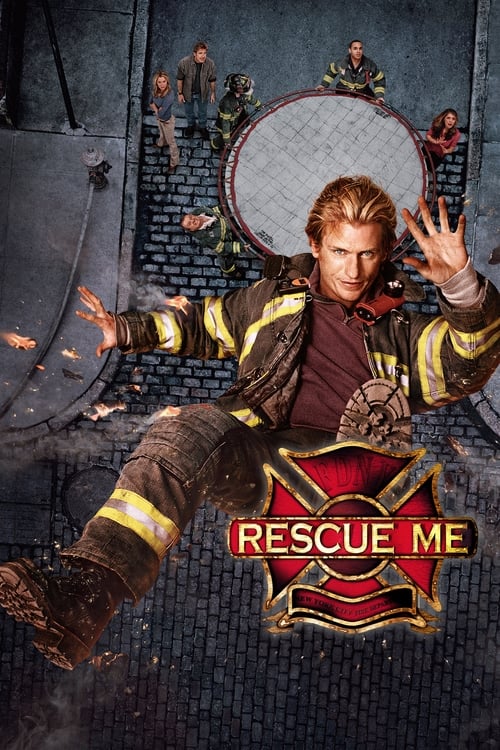
4. Rescue Me
Denis Leary's Tommy Gavin was no hero; he was a mess, haunted by 9/11, women, and alcohol. FX let this show be dark, funny, and utterly human. It captured the raw, messy aftermath of tragedy through a complex anti-hero and a strong ensemble, showing how cable could support serialized character studies that were far from neat or tidy.
5 / 12

5. The Office
Ricky Gervais and Stephen Merchant pioneered the mockumentary format for comedy here. This wasn't about big punchlines; it was about the excruciating awkwardness of everyday workplace life, a groundbreaking, cringe-inducing realism that felt both utterly fresh and painfully familiar. It proved television could find humor in subtlety and human foibles, setting a new standard for comedy.
6 / 12
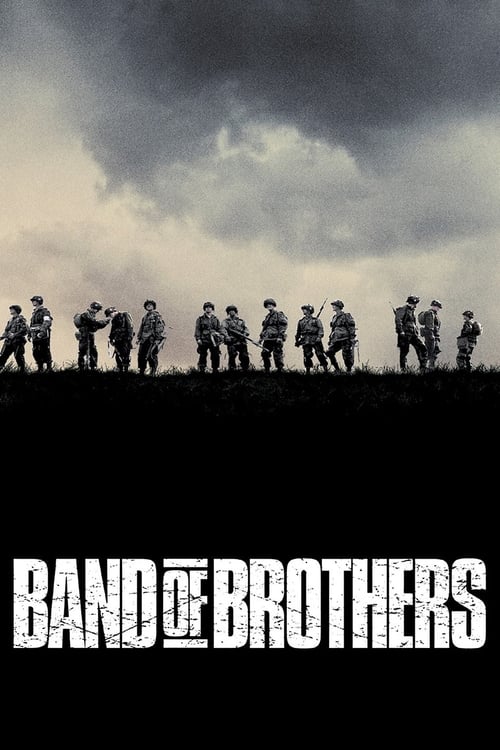
6. Band of Brothers
This HBO miniseries felt like a 10-hour movie event. Spielberg and Hanks brought cinematic scope and unflinching realism to World War II, following the Easy Company. It wasn't just a historical retelling; it was an immersive, emotionally devastating experience, demonstrating how premium cable could invest in epic, serialized storytelling with unparalleled production value, raising the bar for television.
7 / 12
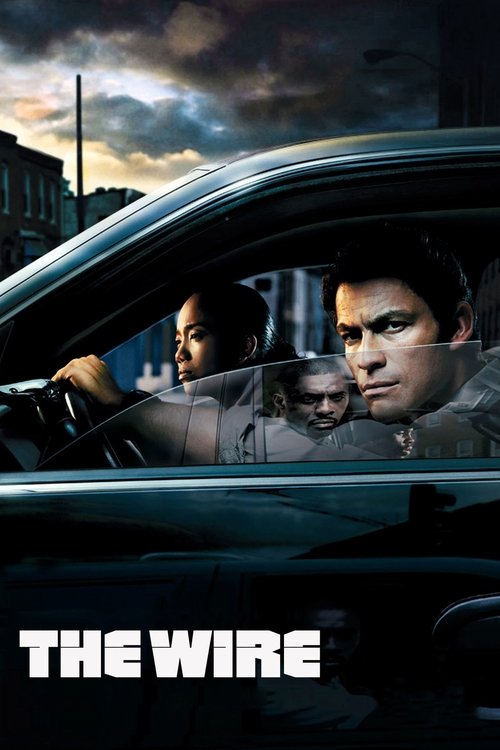
7. The Wire
David Simon’s opus wasn’t just a cop show; it was a novelistic dissection of an American city, viewed through the lenses of drugs, schools, politics, and the media. Its serialized structure allowed for an unprecedented depth, treating every institution as a character. HBO gave it the space to be patient, complex, and utterly essential viewing, a true game-changer.
8 / 12

8. The Comeback
Lisa Kudrow’s Valerie Cherish was a cringe-comedy icon, desperately chasing relevance while a camera crew documented her every humiliating step. This HBO gem was a sharp, early critique of reality television and celebrity culture, playing with meta-narrative long before it became common. It was uncomfortable, brilliant, and ahead of its time, a truly brave experiment.
9 / 12
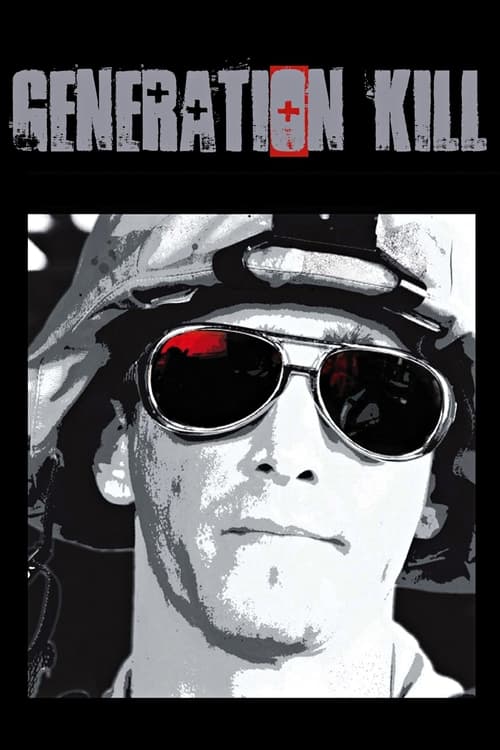
9. Generation Kill
Another David Simon masterclass for HBO, this miniseries plunged viewers into the early days of the Iraq War with stark, almost journalistic realism. Based on Evan Wright’s book, it eschewed heroics for the mundane, often absurd, realities of modern combat, showcasing premium cable’s commitment to nuanced, gritty, and serialized storytelling without compromise.
10 / 12
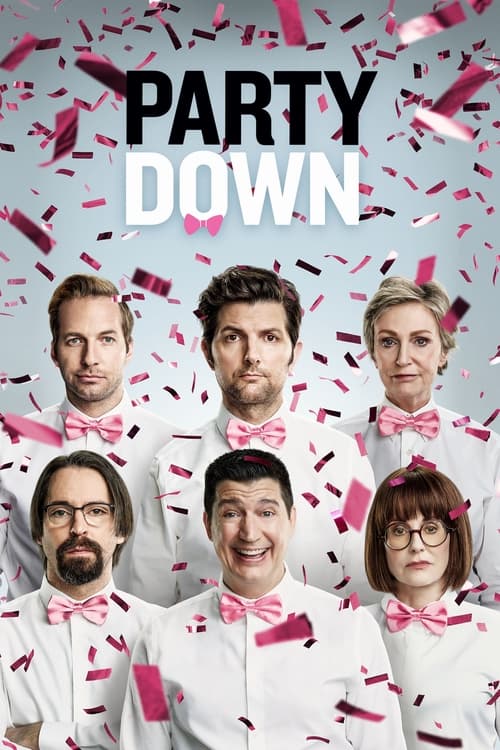
10. Party Down
This Starz cult classic followed a catering crew of struggling actors and writers. It blended sharp, character-driven comedy with a melancholic undertone, each episode a self-contained event while quietly advancing serialized personal dramas. It proved that even niche cable channels could produce smart, ensemble-driven stories that resonated deeply with a dedicated audience, often through early on-demand viewing.
11 / 12
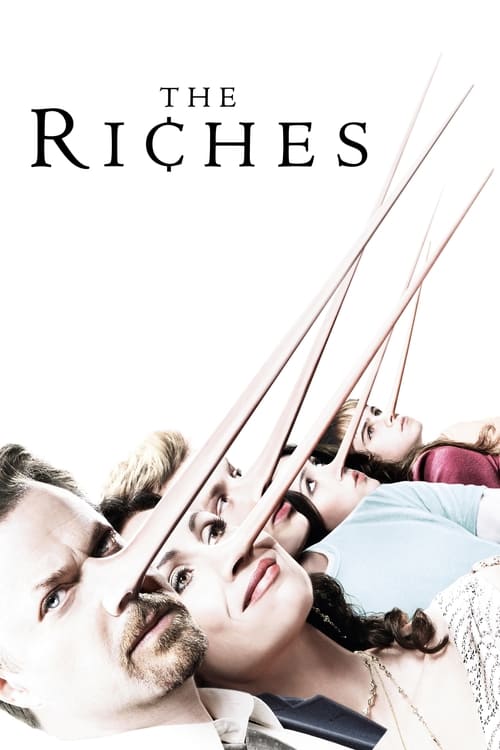
11. The Riches
Eddie Izzard and Minnie Driver as con artist "travelers" who assume a suburban family's identity? FX took a big swing here. It was a darkly comedic, deeply empathetic look at class, identity, and the American dream, proving that cable was willing to greenlight truly unique, character-driven concepts that defied easy categorization and embraced serialized complexity, pushing boundaries.
12 / 12
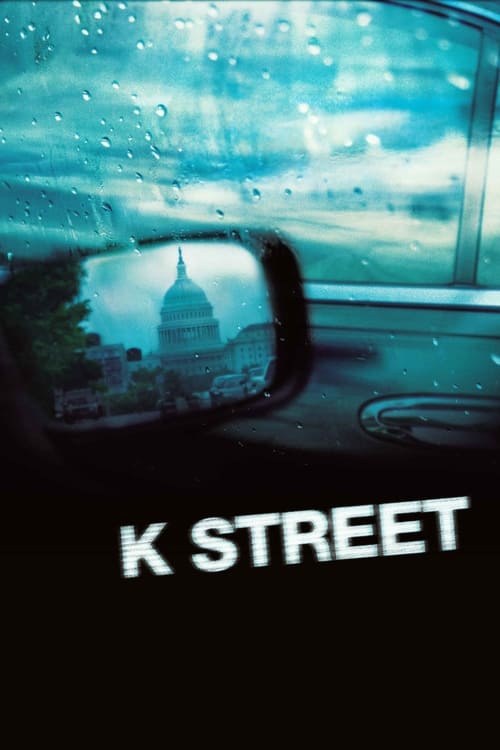
12. K Street
This HBO experiment, spearheaded by Soderbergh and Clooney, was wild. Blending fiction with real-world D.C. politics and featuring actual consultants improvising, it felt like a precursor to reality TV's more sophisticated forms, or maybe a docu-drama. It was a bold, early attempt by cable to blur lines and push boundaries in serialized political storytelling and production.