
1 / 12
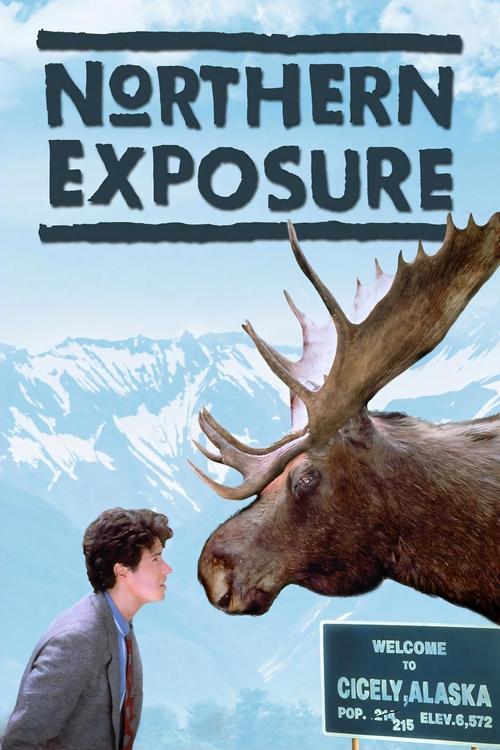
1. Northern Exposure
This wasn't just another small-town show. Cicely, Alaska, felt real, yet utterly surreal, a character unto itself. It blended quirky humor with genuine philosophical depth, crafting an ensemble where every eccentric resident got their moment. Before cable truly took off, *Northern Exposure* showed network TV could be smart, serialized, and beautifully atmospheric, proving you didn't need car chases to tell compelling stories. It just clicked.
2 / 12
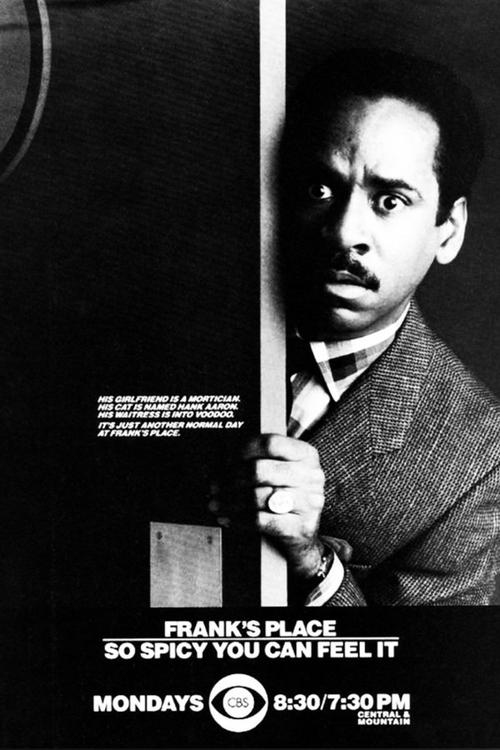
2. Frank's Place
Man, *Frank's Place* was a revelation, way ahead of its time. This wasn't your laugh-track sitcom; it was a single-camera dramedy, steeped in New Orleans culture, delivering genuine warmth and complex characters. Hugh Wilson and Tim Reid crafted something that felt cinematic, rich with atmosphere and understated humor. It dared to be different on network TV, and its early cancellation was a real damn shame.
3 / 12
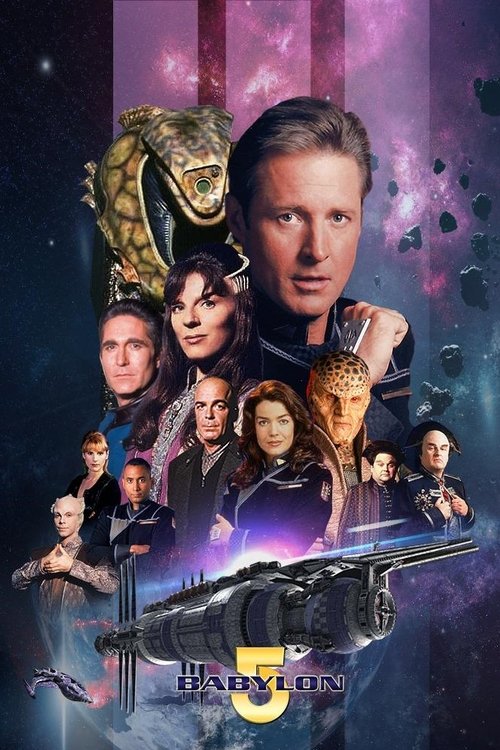
3. Babylon 5
Forget week-to-week resets. *Babylon 5* gave us actual serialized storytelling on a scale nobody had attempted in sci-fi before. J. Michael Straczynski mapped out five seasons from day one, weaving a complex political drama across an entire galactic war. It proved that television could build a vast, continuous narrative, demanding viewer commitment in a way that felt fresh and utterly groundbreaking. It was an epic.
4 / 12
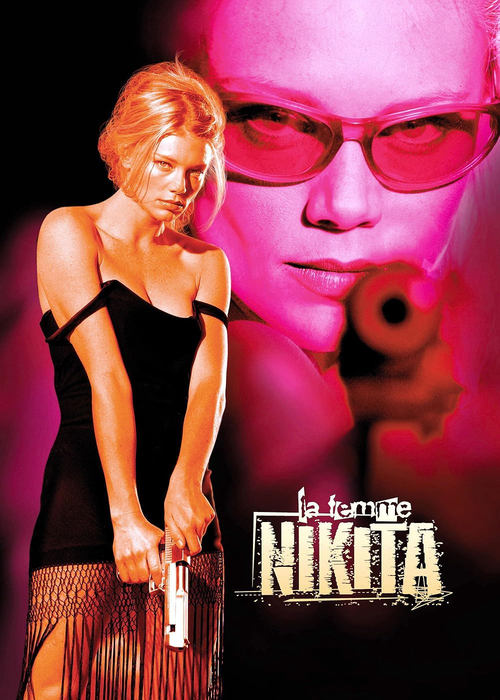
4. La Femme Nikita
USA Network, and it felt like something from a darker, edgier universe. *La Femme Nikita* wasn't just a spy show; it was a stylish, moody, serialized character study about a woman trapped in a shadowy organization. It embraced its cable freedom, pushing boundaries with its mature themes and action, becoming a blueprint for the kind of risk-taking genre television that defined late 90s cable.
5 / 12
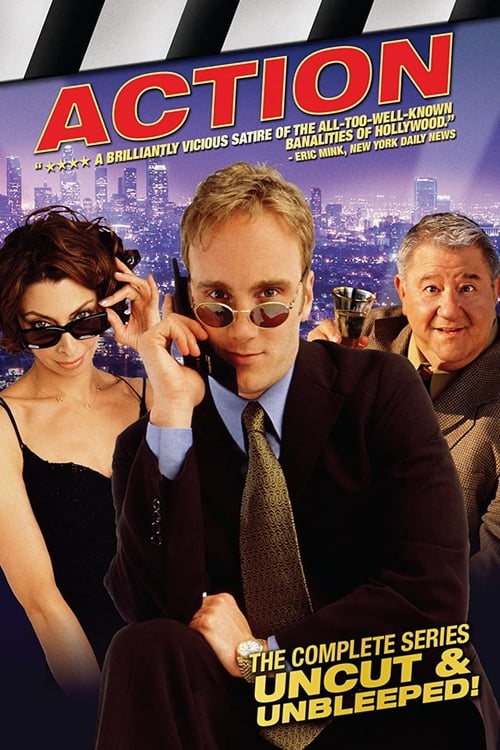
5. Action
Fox tried to be HBO with *Action*, and man, did it go there. This Hollywood satire was so brutal, so cynical, and so hilariously profane, it felt like a breath of fresh, toxic air. Jay Mohr's character was a monster, but the show pulled no punches dissecting the industry's dark underbelly. It crashed and burned, but not before proving network TV could get seriously dark and edgy, even if audiences weren't ready.
6 / 12

6. The Comeback
HBO, naturally. Lisa Kudrow's Valerie Cherish was cringe-comedy gold before "cringe" was even a common descriptor. This mockumentary perfectly skewered reality TV and the desperation for fame, making you simultaneously laugh and squirm. It was meta, painfully honest, and gave us a character so deeply flawed yet undeniably human. It nailed the awkwardness and ambition of early 2000s celebrity culture.
7 / 12
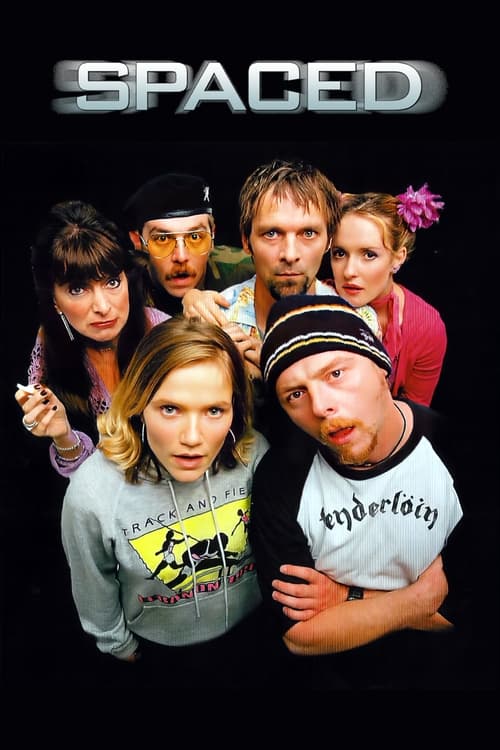
7. Spaced
Edgar Wright, Simon Pegg, and Nick Frost before they were household names. *Spaced* was a brilliant, rapid-fire pop culture explosion, a British sitcom that felt like a love letter to geekdom. Its visual gags, cinematic flourishes, and incredibly sharp writing were unlike anything else on TV. It showed how a small ensemble could create something wildly inventive, fresh, and deeply funny, pushing sitcom boundaries.
8 / 12
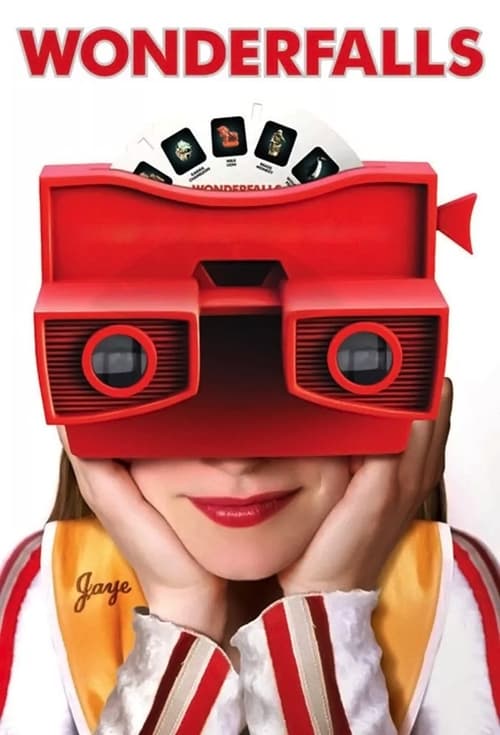
8. Wonderfalls
Bryan Fuller's early work, and it had his signature quirk all over it. A young woman in Niagara Falls starts getting cryptic advice from inanimate objects. It was whimsical, darkly funny, and had a unique voice, but Fox pulled the plug way too soon. *Wonderfalls* was a cult classic in the making, a reminder that some of the most original shows often don't get the chance they deserve to find an audience.
9 / 12
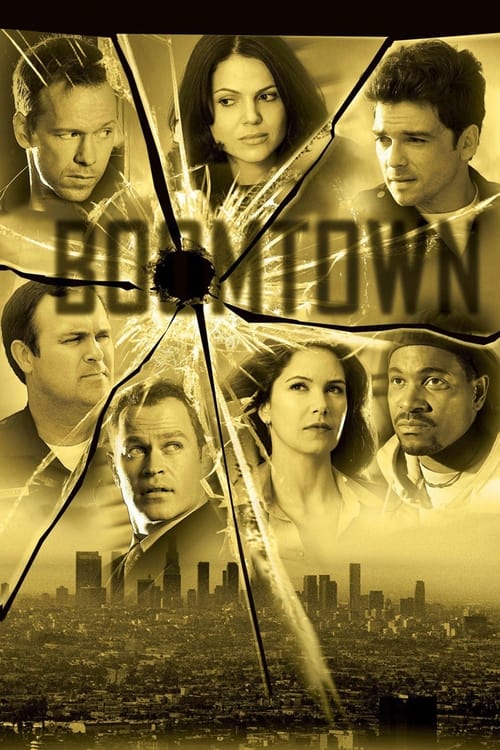
9. Boomtown
NBC took a big swing with this one. *Boomtown* was a serialized procedural that told its stories from multiple perspectives, showing events through the eyes of cops, victims, and criminals. It was ambitious, complex, and demanded attention, elevating the genre beyond simple case-of-the-week formats. This show truly experimented with narrative structure, proving network TV could deliver prestige drama.
10 / 12
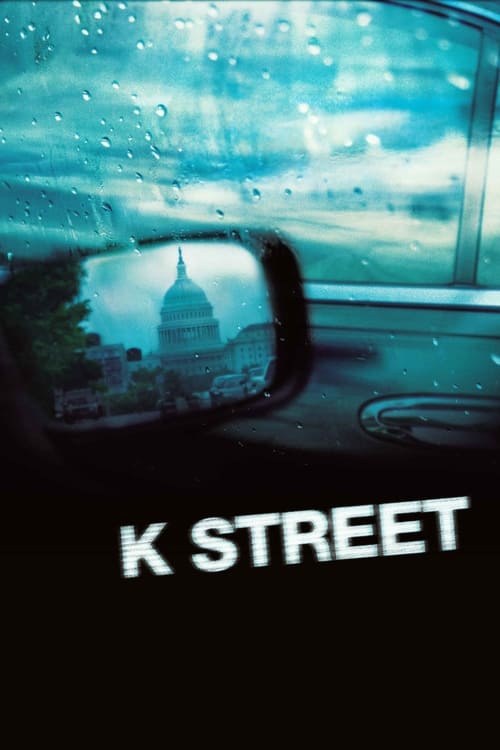
10. K Street
This was HBO going full experimental. Soderbergh and Clooney, semi-improvised, blurring the lines between fiction and reality with real political figures. It felt raw, immediate, and utterly unique. While maybe not a ratings giant, *K Street* was a groundbreaking attempt to capture the pulse of Washington D.C., pushing the boundaries of what television could be, foreshadowing a more interactive viewing future.
11 / 12
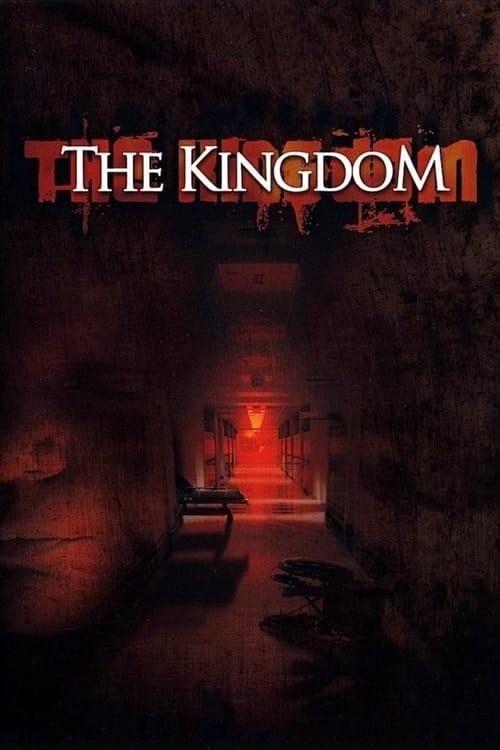
11. The Kingdom
Lars von Trier's Danish miniseries, *Riget*, was a revelation before subtitles were common. This hospital horror-comedy was raw, unsettling, and darkly funny, shot with a gritty, almost documentary feel. It introduced me to a whole new world of international television, proving that compelling, genre-bending stories weren't just coming from Hollywood. It was a pre-internet, global TV experience.
12 / 12
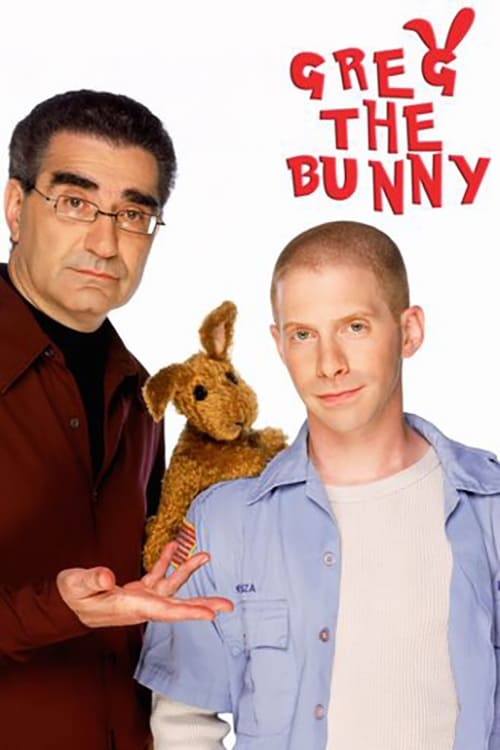
12. Greg the Bunny
Fox then IFC, *Greg the Bunny* was a mockumentary that put puppets in a very adult, very meta sitcom. It was absurdly clever, tackling workplace comedy with a completely straight face, despite half the cast being felt. It showed how a genuinely bizarre premise could yield smart, subversive humor, challenging what a "sitcom" could be and delighting those of us looking for something truly different.