

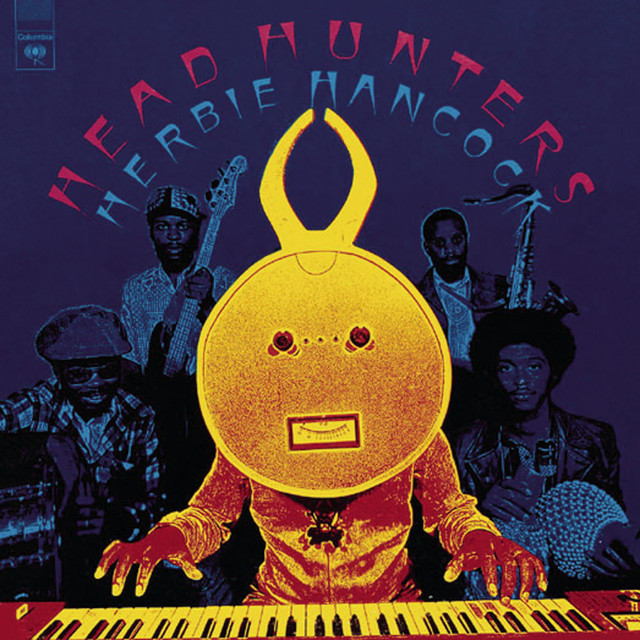
1. Head Hunters
Herbie Hancock’s 1973 opus redefined funk-jazz fusion. The Rhodes and Clavinet, often run through wah pedals, created an almost hydraulic rhythm section. It wasn't about pristine digital clarity; it was about the analog warmth, the organic interplay, and the raw, polyrhythmic grooves that felt both primal and impossibly advanced. This was a masterclass in sonic sculpting before presets ruled the world.
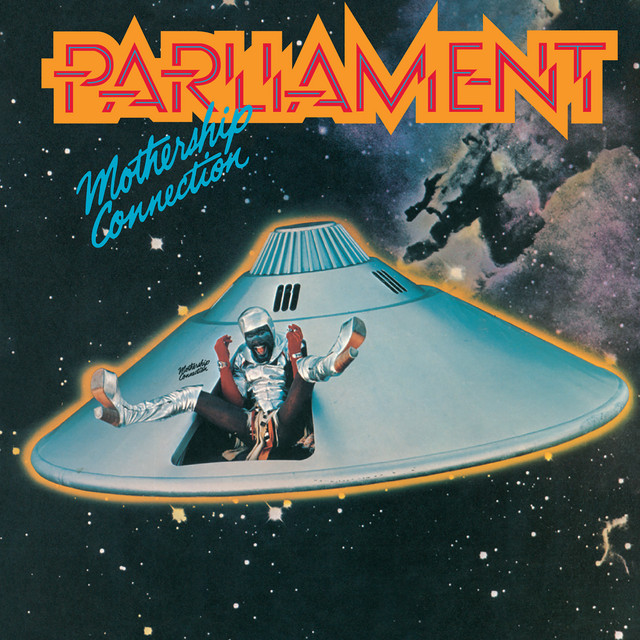
2. Mothership Connection
Parliament's 1975 masterpiece is pure, unadulterated P-Funk. George Clinton engineered a universe of sound, where Bootsy Collins' basslines were gravitational pulls and the horns sliced through the cosmic haze. The studio was a playground for layered vocals, unexpected breakdowns, and a psychedelic sheen that was all tape-based artistry. And it had *groove*, a deep, undeniable, physical force.
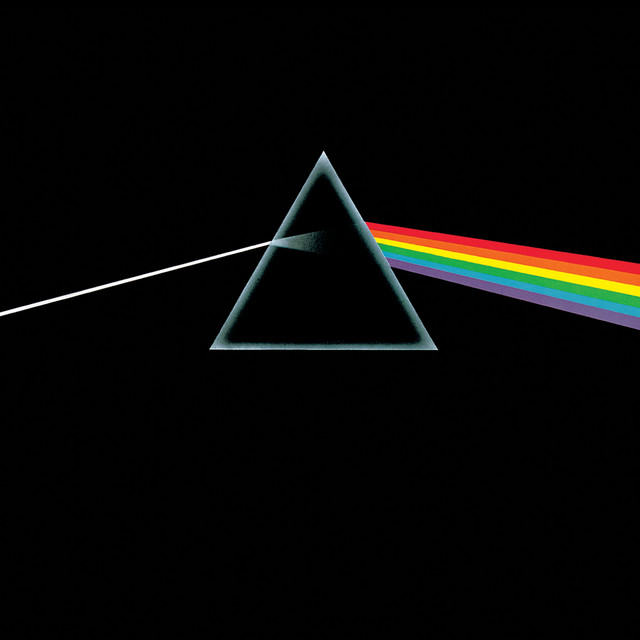
3. The Dark Side of the Moon
Pink Floyd's 1973 behemoth is an exercise in meticulously crafted sonic architecture. The VCS3 synthesizer textures, the tape loops, the exquisite reverb tails, and the spatial mixing techniques were revolutionary. It wasn't just music; it was an enveloping soundscape, a testament to what a dedicated team could achieve in an analog studio. The sonic depth remains unparalleled.
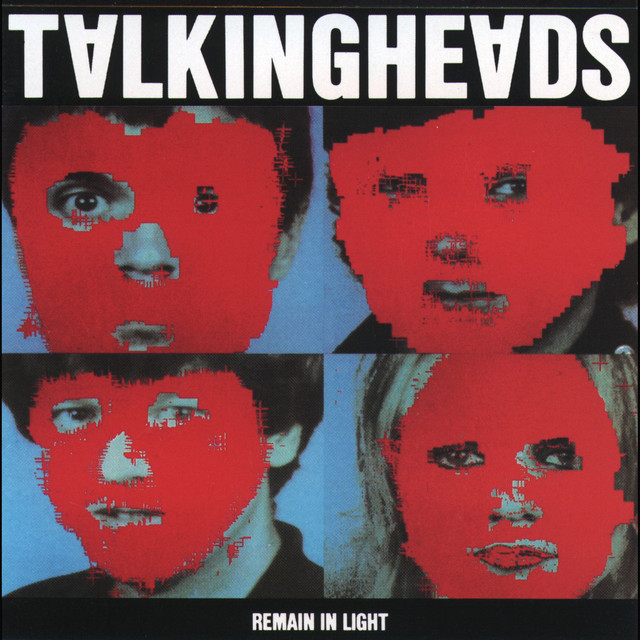
4. Remain in Light
Talking Heads, 1980. Eno's production here, with its dense, polyrhythmic layers, felt like proto-sampling, but executed entirely with live instruments and studio trickery. The interlocking basslines, the gated drums, and the almost tribal vocal chants created a rhythmic tension that was both intellectual and utterly danceable. It showcased how organic sounds could be engineered to feel electronic.
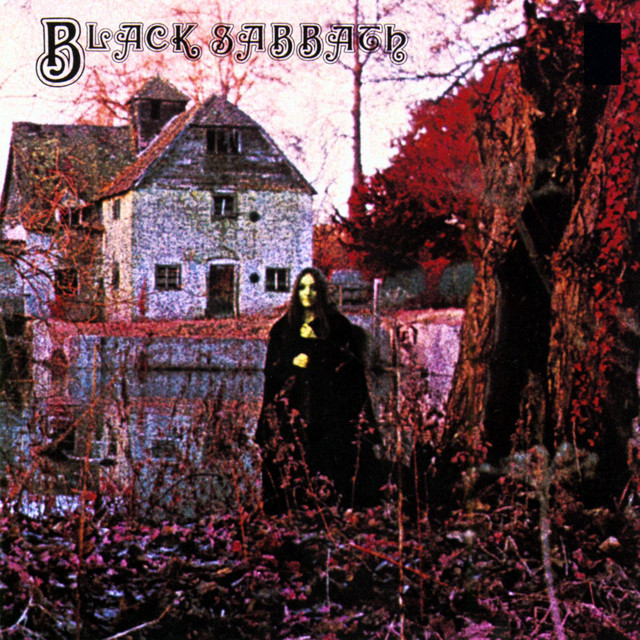
5. Black Sabbath (2014 Remaster)
Forget the remaster for a moment, and recall the raw 1970 original. This wasn’t just heavy; it was *dark*. The recording itself, somewhat murky and unpolished, only amplified the sinister atmosphere. Iommi's riffs were foundational, a blueprint for metal to come, carved out of tube amps and analog tape. It felt less like music and more like a warning, a genuine sonic dread.

6. The Blues Don’t Care If It’s Man or Machine
This Ministry-esque sentiment perfectly encapsulates the industrial paradigm shift of the mid-to-late '80s. Here, the machine was the star. Aggressive drum programming, distorted samples ripped from unknown sources, and a relentless, mechanical rhythm section created a brutal soundscape. It was the antithesis of human warmth, a cold, calculated assault that proved electronics could be utterly ferocious.
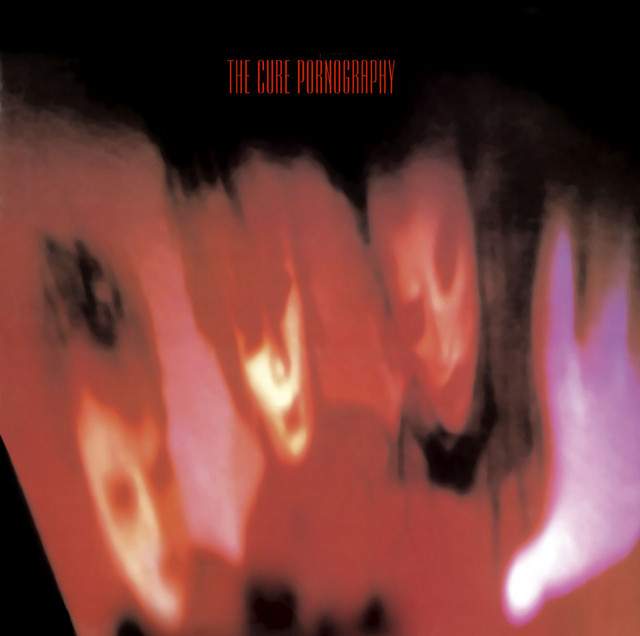
7. Pornography
The Cure, 1982. This album was a descent into a deeply atmospheric, almost suffocating darkness. The production drowned everything in cavernous reverb, the basslines were relentlessly bleak, and the drum machines, though simple, added to the mechanical despair. It wasn't just goth; it was a carefully constructed sound of psychological collapse, a masterclass in sonic mood-setting.
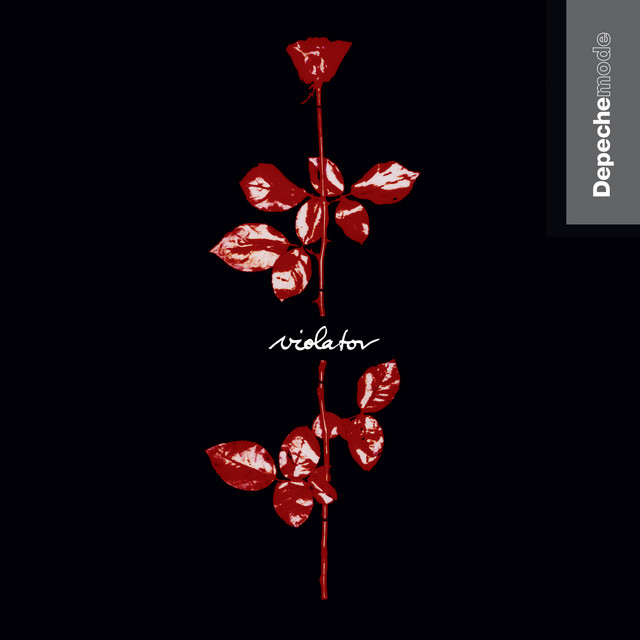
8. Violator
Depeche Mode's 1990 high-water mark solidified their mastery of electronic sound. The synths here weren't just background; they were characters, each patch meticulously crafted, each sample perfectly placed. There was a warmth to the analog core, even as the arrangements felt so precise, so *programmed*. It was slick, dark, and undeniable, a true synthesis of songwriting and technology.
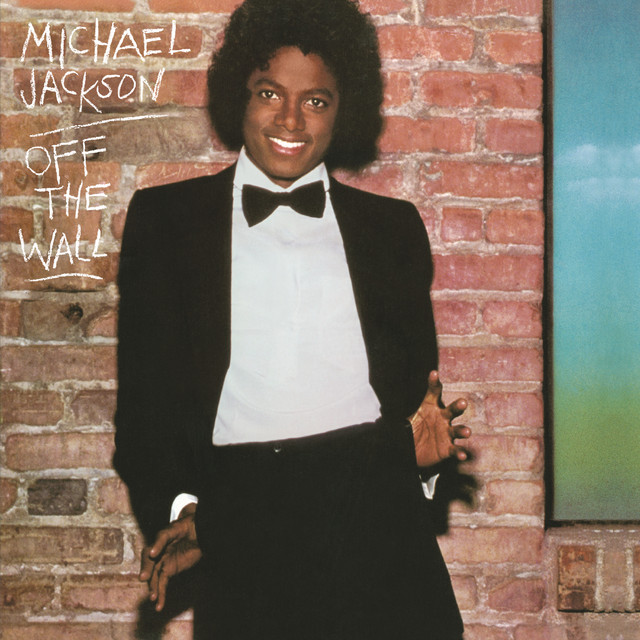
9. Off the Wall
Michael Jackson's 1979 breakthrough, helmed by Quincy Jones, was a post-disco marvel. Every instrument, every vocal layer, was perfectly placed and immaculately recorded. The arrangements were complex yet effortlessly groovy, proving that pop could be sophisticated and soulful without sacrificing an ounce of funk. It was a triumph of analog studio craft, setting the stage for a decade of pop dominance.

10. From the Land of Rape and Honey (The Suppressed Tapes)
Ministry, 1988. This was a raw, visceral collision of metal guitars, relentlessly pounding drum machines, and aggressive, often disturbing samples. Al Jourgensen and company carved out a sound that was both primal and technologically advanced, using analog distortion and early sampling techniques to forge an industrial metal hybrid. This wasn't subtle; it was a blunt instrument.
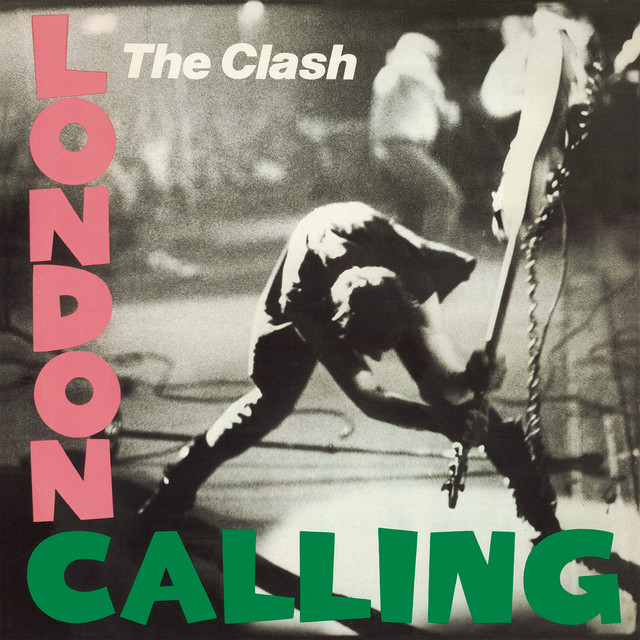
11. London Calling (Remastered)
The Clash, 1979. This wasn't just punk; it was a sprawling, eclectic masterpiece recorded with a raw, organic energy. The analog production captured the band's furious versatility, moving from reggae to rockabilly to straight-up punk without losing an inch of grit. It felt live, immediate, and utterly authentic, a testament to capturing performance directly to tape.
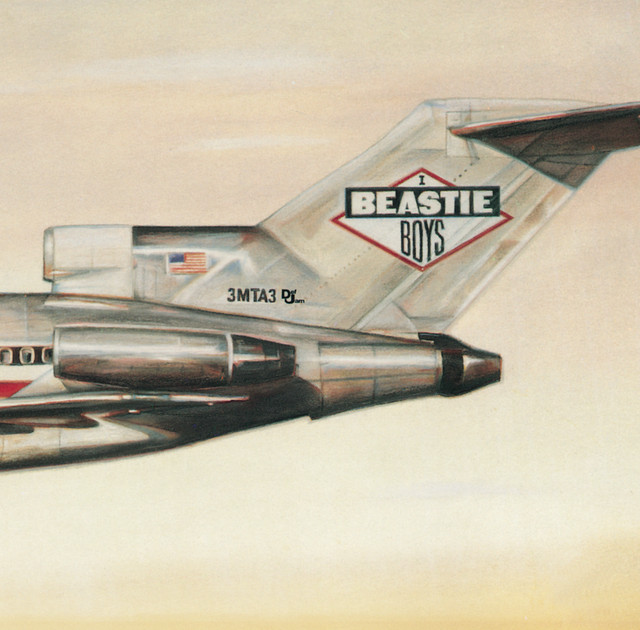
12. Licensed To Ill
Beastie Boys, 1986. Rick Rubin’s production here was revolutionary for rap. The aggressive guitar samples, the heavy drum breaks, and the raw, unpolished energy created a sound that bridged hip-hop and hard rock. It was loud, boisterous, and utterly unique, built from classic rock riffs and powerful drum machine programming, all before digital workstations streamlined the process.