
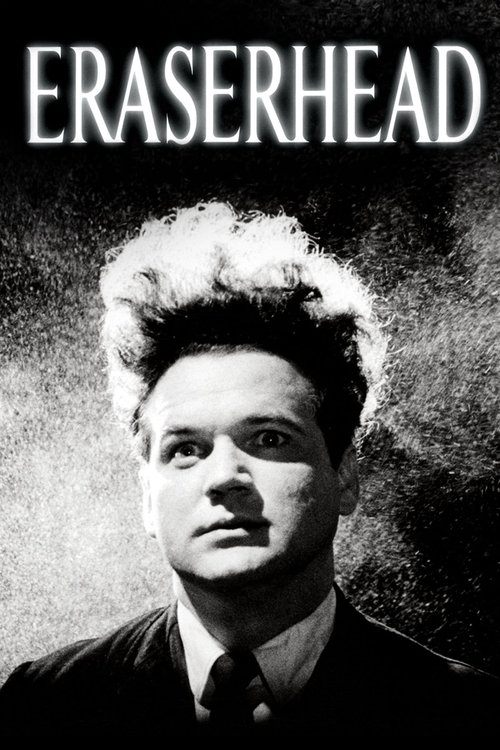
1. Eraserhead
David Lynch's debut feature is a masterclass in industrial dread and psychological horror. Shot in stark black and white, its surreal, nightmarish landscape and unsettling sound design craft an experience that transcends conventional narrative. It is a primal scream about anxiety, fatherhood, and the grotesque beauty found in the mundane. Lynch’s vision here is raw, unfiltered, and utterly singular, laying the groundwork for his distinctive auteurist voice.
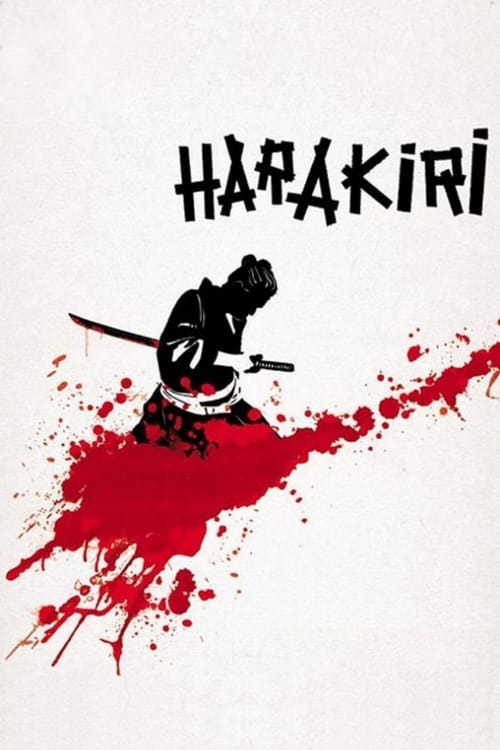
2. Harakiri
Masaki Kobayashi’s jidai-geki masterpiece is a devastating critique of samurai honor and feudal hypocrisy. Through a meticulously structured narrative and stunning widescreen cinematography, it dissects the brutal realities behind a supposedly noble code. Tatsuya Nakadai delivers a performance of quiet, simmering rage, making the film a profound meditation on dignity, despair, and the corrosive nature of institutionalized cruelty. Its power resonates far beyond its historical setting.
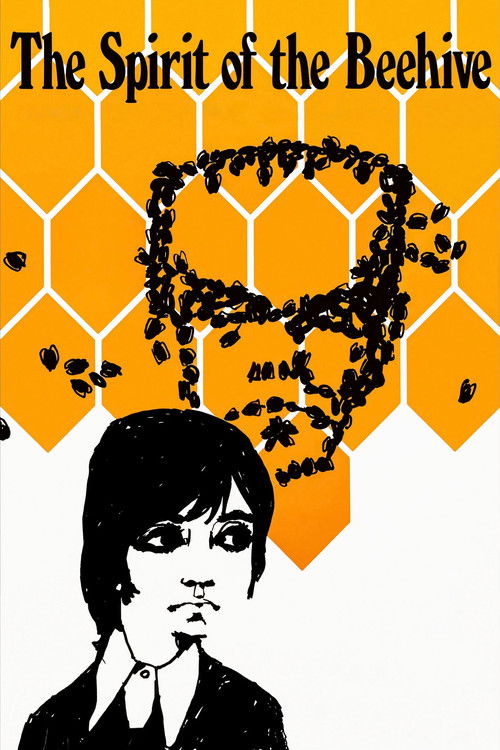
3. The Spirit of the Beehive
Víctor Erice’s poignant Spanish film is a dreamlike exploration of childhood innocence and post-Civil War trauma. Seen through the eyes of young Ana, it blends reality with fantasy, as she becomes obsessed with Frankenstein's monster. The film’s exquisite cinematography and unhurried pace create an immersive, melancholic atmosphere, reflecting a nation grappling with its past while hinting at profound, unspoken truths. It is a work of delicate, haunting beauty.
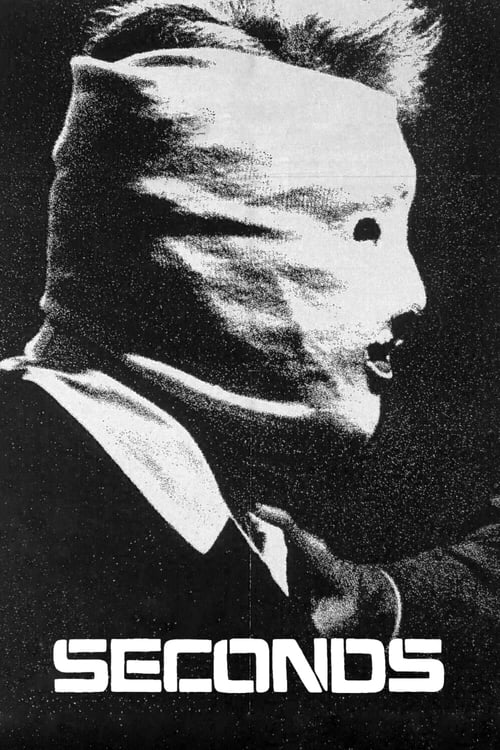
4. Seconds
John Frankenheimer's chilling sci-fi thriller is a potent allegory for identity, consumerism, and the American dream's dark underbelly. Rock Hudson delivers a career-redefining performance as a man given a second chance at life, only to find himself trapped in a new kind of prison. Its unsettling camera work and existential dread make for a truly disquieting experience, exploring the terrifying consequences of trying to escape one's own self.

5. My Dinner with Andre
Louis Malle’s remarkable film is essentially an extended, philosophical conversation between two men over dinner. Wally Shawn and André Gregory, playing semi-fictionalized versions of themselves, discuss life, art, and the nature of reality. It is a testament to the power of dialogue, proving that cinema can be captivating even without action. This intimate, intellectual exchange is both profoundly engaging and unexpectedly cinematic in its simplicity.
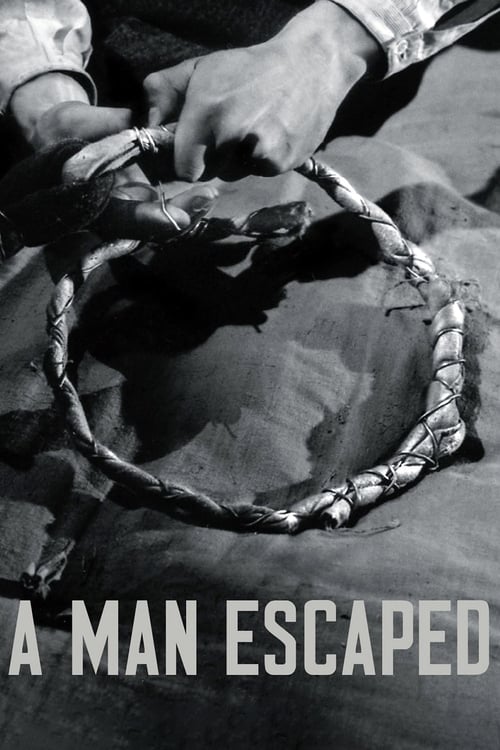
6. A Man Escaped
Robert Bresson’s austere masterpiece chronicles a French Resistance fighter's meticulous, agonizingly slow escape from a Nazi prison during World War II. Stripped of melodrama and psychological exposition, the film focuses on the sheer physicality and mental discipline of the escape itself. Bresson's minimalist style, using non-professional actors and precise sound design, elevates the narrative to a transcendental, almost spiritual experience, celebrating the resilience of the human spirit.
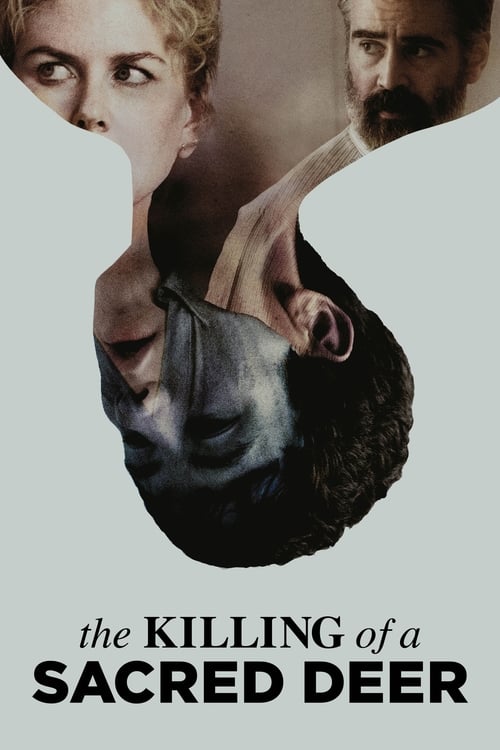
7. The Killing of a Sacred Deer
Yorgos Lanthimos's unsettling, darkly comedic thriller operates with a chilling, clinical precision. Its deadpan performances and unsettling dialogue create a pervasive sense of dread, as a surgeon's family is targeted by a mysterious, vengeful teenager. The film meticulously builds an atmosphere of existential horror, forcing viewers to confront uncomfortable questions about justice, fate, and the disturbing absurdities of human nature. It's a uniquely disturbing modern fable.
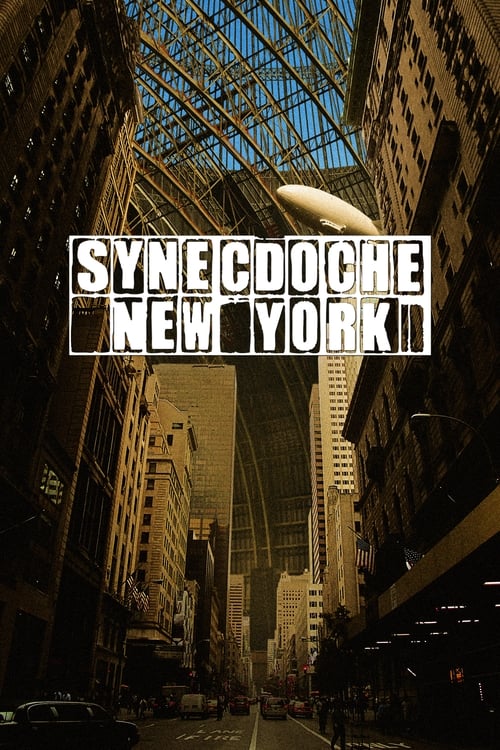
8. Synecdoche, New York
Charlie Kaufman's directorial debut is an astonishingly ambitious and profoundly melancholic exploration of life, art, and mortality. Philip Seymour Hoffman plays a theater director attempting to stage a play of his entire life, leading to increasingly complex and surreal layers of meta-narrative. It is a dizzying, heartbreaking meditation on the impossibility of truly capturing existence and the relentless march of time, a truly singular cinematic achievement.
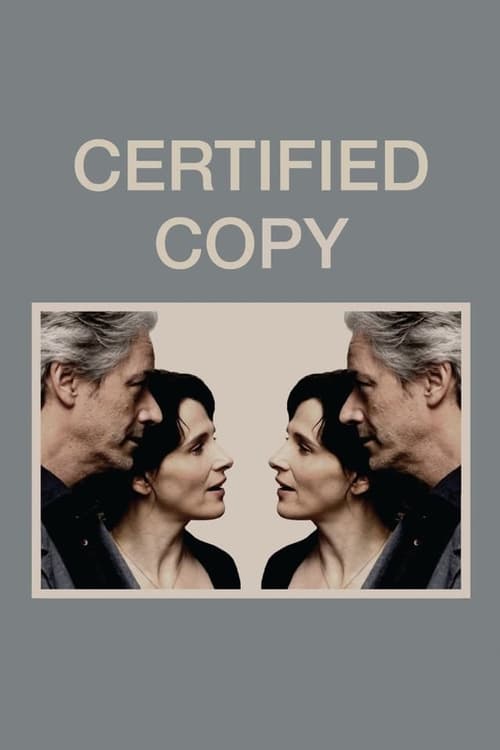
9. Certified Copy
Abbas Kiarostami’s exquisite film starring Juliette Binoche blurs the lines between reality and artifice, exploring themes of authenticity and imitation. What begins as a seemingly simple encounter between an author and an antique dealer in Tuscany evolves into a complex, ambiguous dance of assumed identities and relational dynamics. It's a subtle, intellectual, and deeply romantic film that invites multiple interpretations, a masterclass in cinematic ambiguity.
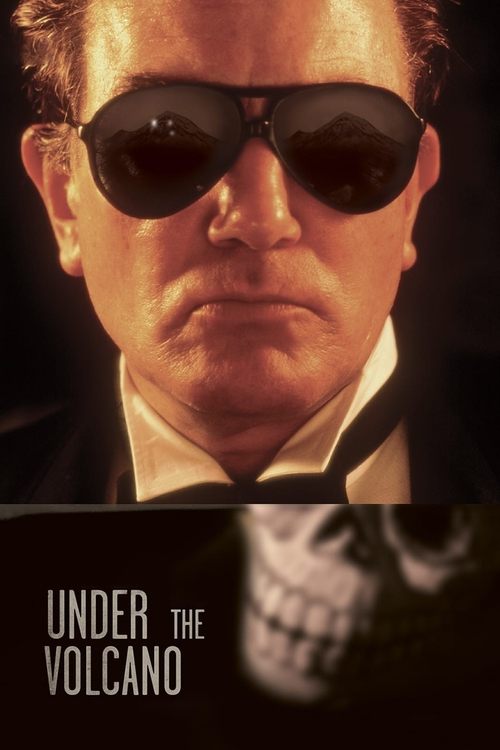
10. Under the Volcano
John Huston's adaptation of Malcolm Lowry's notoriously difficult novel is a visceral, unflinching portrayal of an alcoholic British consul's final, self-destructive day in 1938 Mexico. Albert Finney delivers a monumental performance, embodying the character's intellectual brilliance and profound despair. The film captures the suffocating atmosphere of impending doom and personal collapse, a harrowing and deeply tragic descent into a man's private hell.
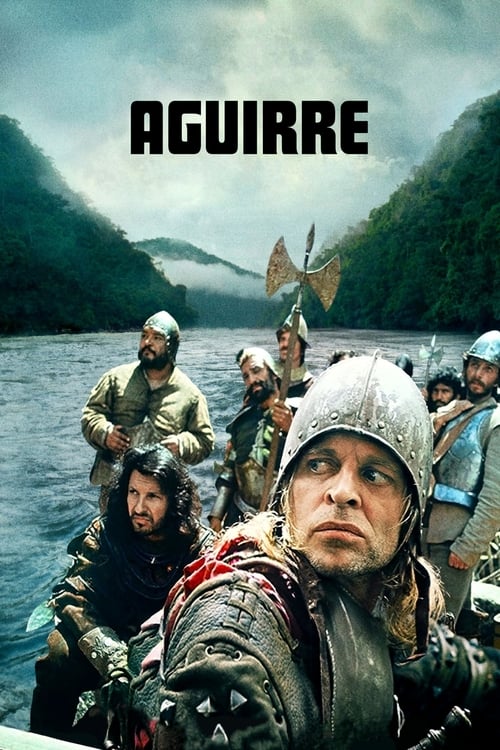
11. Aguirre, the Wrath of God
Werner Herzog’s epic, hallucinatory journey into the Amazon is a chilling testament to human hubris and madness. Klaus Kinski’s unforgettable performance as the deranged conquistador Aguirre anchors this fever dream of colonial ambition and environmental desolation. Shot on location with Herzog's characteristic blend of documentary-like realism and poetic vision, it's an immersive, existential nightmare that stands as a towering achievement in auteur cinema.
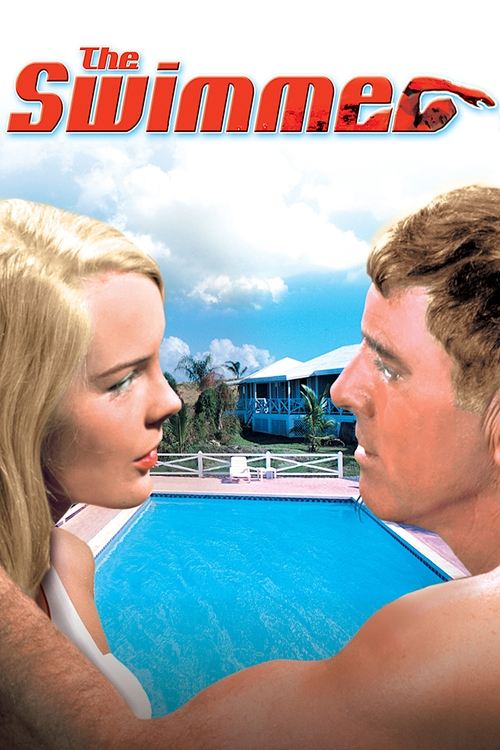
12. The Swimmer
Frank Perry's surreal and melancholic drama features Burt Lancaster in a career-defining role as a man who decides to "swim home" through his affluent neighbors' backyard pools. What begins as an eccentric adventure slowly unravels into a poignant, devastating critique of suburban malaise, lost youth, and the illusion of success. It's a beautifully shot, deeply unsettling film that explores the fragility of the American dream and the weight of unspoken regret.