
1 / 12
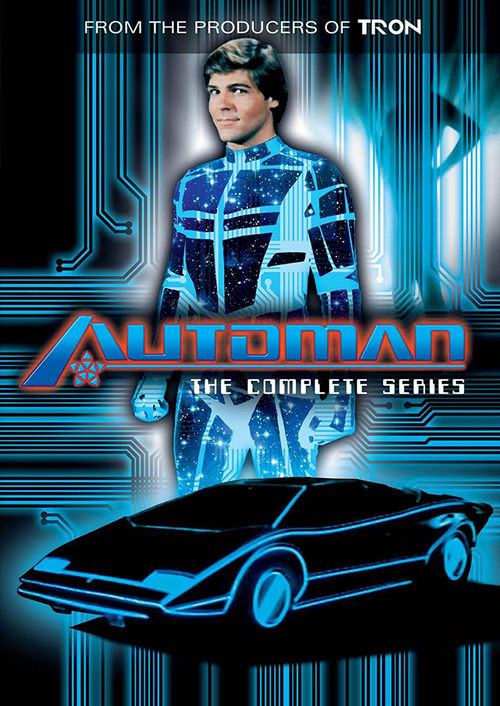
1. Automan
This was Tron on a broadcast budget, pure 80s neon-grid ambition. A cop who literally materialized from a computer, complete with a digital car that could turn corners at right angles. The effects were clunky but revolutionary for TV at the time, pushing the boundaries of what analog could pretend to be. It was a glorious, short-lived experiment in high-concept, low-fidelity sci-fi. A true proto-cyberpunk curiosity.
2 / 12
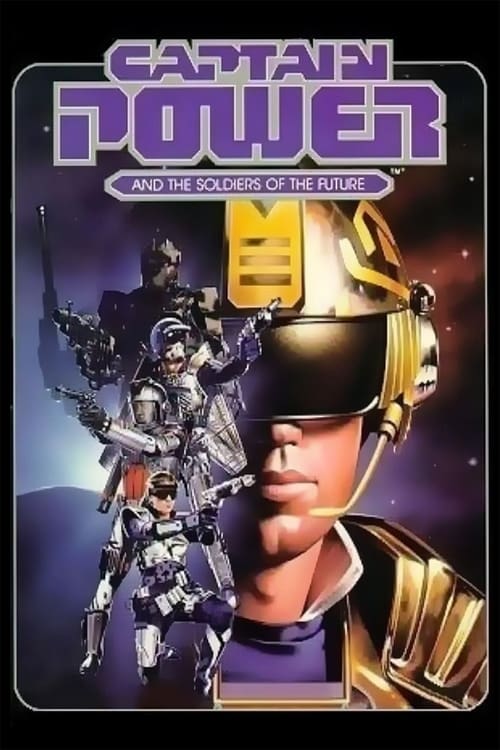
2. Captain Power and the Soldiers of the Future
Forget kids' shows, this was grim post-apocalyptic sci-fi where humanity fought intelligent machines. It pushed interactive TV long before it was cool, letting you blast on-screen enemies with a toy gun. But beneath the gimmick, it was genuinely dark, exploring themes of survival and sacrifice with surprisingly bleak visuals. A serialized, existential dread trip wrapped in a Saturday morning package.
3 / 12
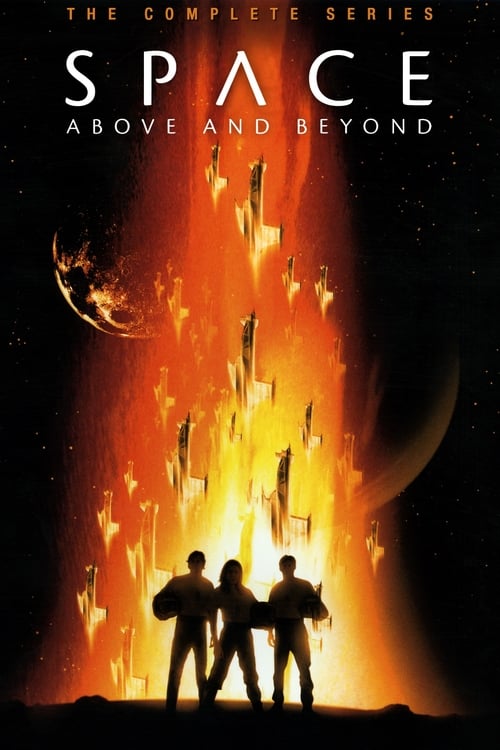
3. Space: Above and Beyond
Before Firefly, there was this. Gritty, serialized military sci-fi from Fox, following a squad of space marines in a brutal alien war. It was ambitious, dark, and didn't pull punches, exploring themes of prejudice and loss with a mature tone. The practical effects and early CGI blended into a convincing, desperate future. Too good, too bleak, and gone too soon, like many cult favorites.
4 / 12

4. The Adventures of Pete & Pete
This wasn't just a kids' show; it was a surreal, indie-rock-infused fever dream from Nickelodeon. Set in a perpetually quirky suburb, it found magic in the mundane, with talking tattoos, metal detector enthusiasts, and endless oddities. Its analog aesthetic and off-kilter humor felt totally unique, a genuine broadcast glitch in the mainstream. It cultivated weirdness and celebrated the extraordinary in everyday life.
5 / 12
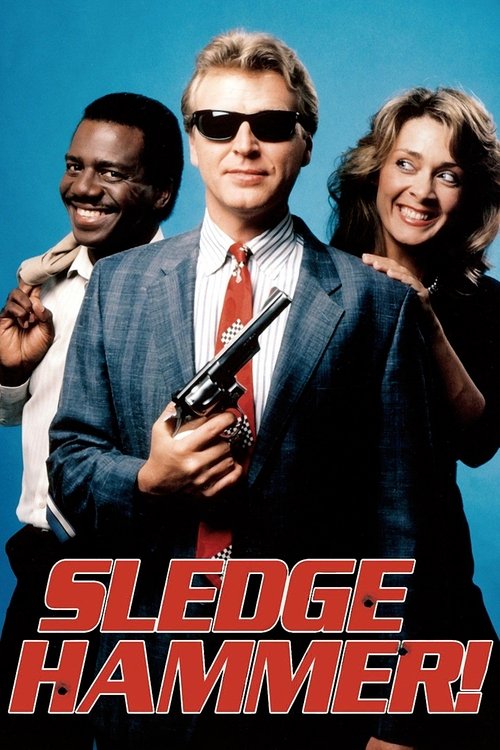
5. Sledge Hammer!
A glorious, over-the-top satire of every tough-guy cop show, starring a detective who loved his .44 Magnum more than life itself. It was absurd, darkly comedic, and constantly broke the fourth wall. The maximalist violence and deadpan delivery made it feel like a live-action cartoon for adults. Ahead of its time in its meta-commentary, it was a syndicated slice of pure, unadulterated punk humor.
6 / 12
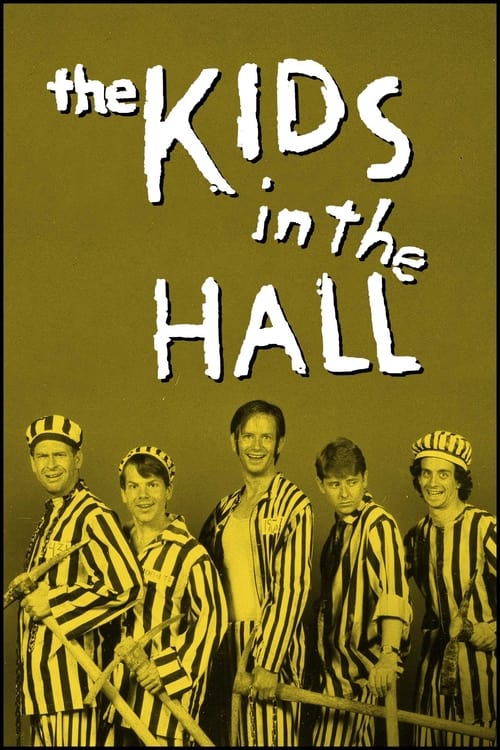
6. The Kids in the Hall
These Canadian absurdists brought their brand of surreal, intelligent sketch comedy to HBO and then Comedy Central. They fearlessly embraced cross-dressing, bizarre characters, and an often dark, subversive sensibility. It wasn't about catchphrases; it was about genuine, off-kilter artistry that felt like a punk rock band doing comedy. Unapologetically weird, totally unique, and endlessly quotable for those in the know.
7 / 12
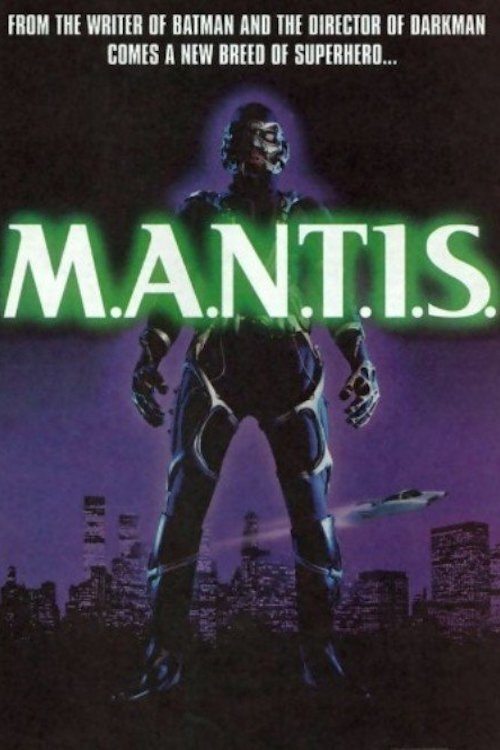
7. M.A.N.T.I.S.
Fox tried for a groundbreaking Black superhero, and it delivered a proto-cyberpunk vision, albeit with 90s network TV limitations. Dr. Miles Hawkins, paralyzed, built an armored suit to fight crime. The suit itself was a practical effects marvel, but the show sometimes struggled with its ambition. Still, it had that early sci-fi grit and a unique aesthetic, a noble experiment trying to find its footing.
8 / 12
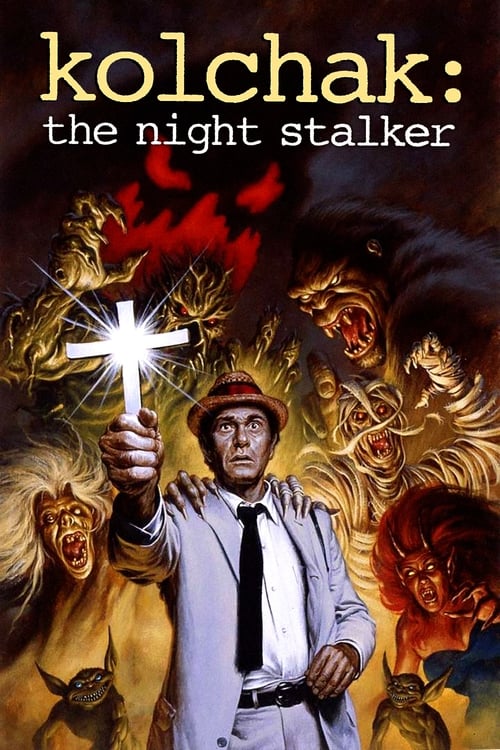
8. Kolchak: The Night Stalker
Decades before Mulder and Scully, Carl Kolchak was the original paranormal investigator. A cynical, fedora-wearing reporter chasing vampires, werewolves, and all manner of monsters through the gritty streets. It was low-budget, atmospheric, and terrifying, leaning on practical effects and sheer suspense. This syndicated cult classic laid the groundwork for modern supernatural procedural shows. Pure analog horror.
9 / 12

9. Forever Knight
A vampire cop in Toronto, struggling with his immortality and ancient sins while solving modern crimes. This show was pure syndicated maximalism: brooding gothic romance, police procedural, and historical flashbacks all rolled into one. It had a dark, melancholic aesthetic and a soap-operatic heart. A true late-night cable gem, drenched in atmosphere and existential angst.
10 / 12

10. Dark Shadows
The original gothic soap opera, where vampires, ghosts, and witches ran rampant through Collinwood Manor. Forget subtle; this was daily, melodramatic chaos with cheap sets, wild plot twists, and intense close-ups. It was pioneering daytime maximalism, creating a cult following by just going for it, full throttle. A broadcast anomaly that embraced its own beautiful, campy weirdness.
11 / 12
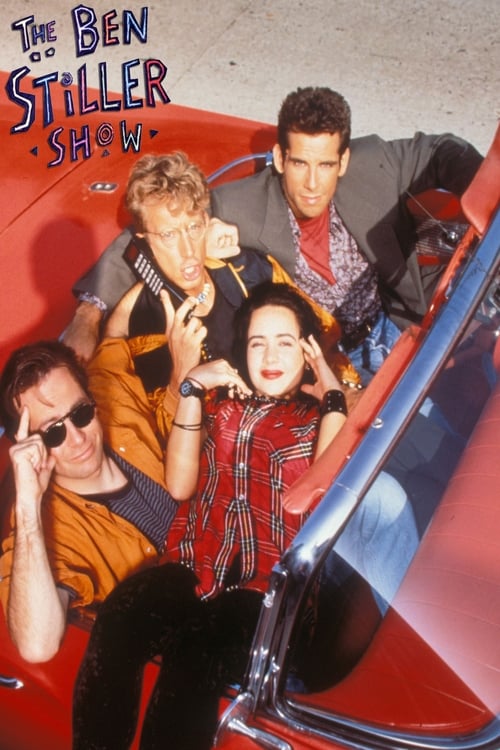
11. The Ben Stiller Show
This sketch comedy gem on Fox was a breeding ground for future talent like Judd Apatow and Bob Odenkirk. It was smart, bitingly satirical, and full of sharp parodies that often flew over the heads of mainstream audiences. It felt like a DIY, punk-rock comedy troupe got a network slot. A brilliant, short-lived experiment that influenced so much of what came after.
12 / 12
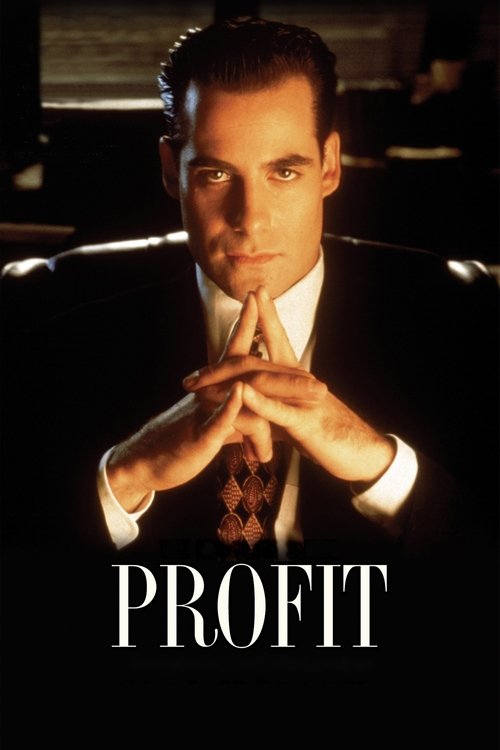
12. Profit
This show was a disturbing, cynical masterclass in corporate evil. Jim Profit, a psychopathic businessman, ruthlessly climbed the ladder, breaking every moral boundary. It was bleak, stylish, and deeply unsettling, pushing the limits of what network TV would allow for an anti-hero. Far too dark and brilliant for its time, it’s a forgotten gem of aggressive, proto-prestige television.