
1. Chrono Trigger
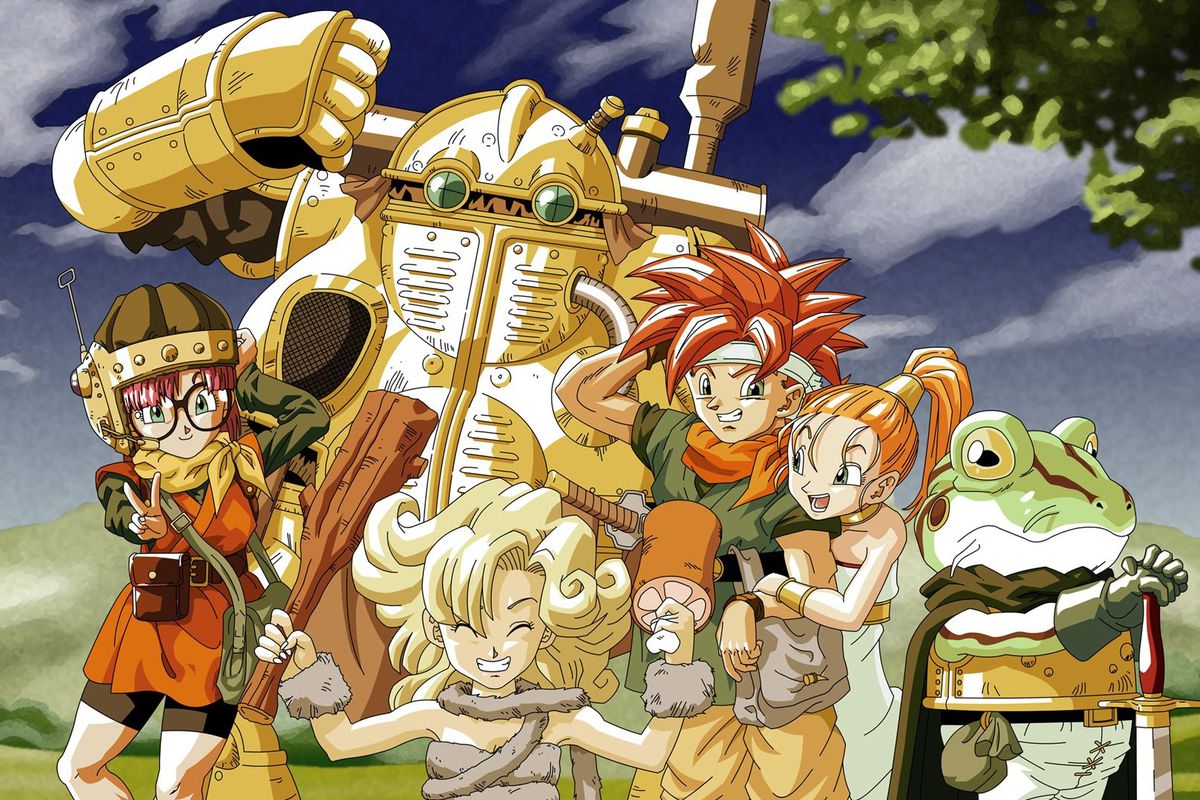
Square Enix really dropped the ball on preserving this gem properly. It's a masterclass in JRPG design, with time travel done right, multiple endings, and character development that still shames most modern, bloated narratives. No battle passes, no microtransactions, just pure, unadulterated adventure. It’s a stark reminder of what Square *used* to be before chasing every fleeting trend. And honestly, it still plays better than 90% of the indie "retro" RPGs trying to mimic its magic.
2. Portal 2
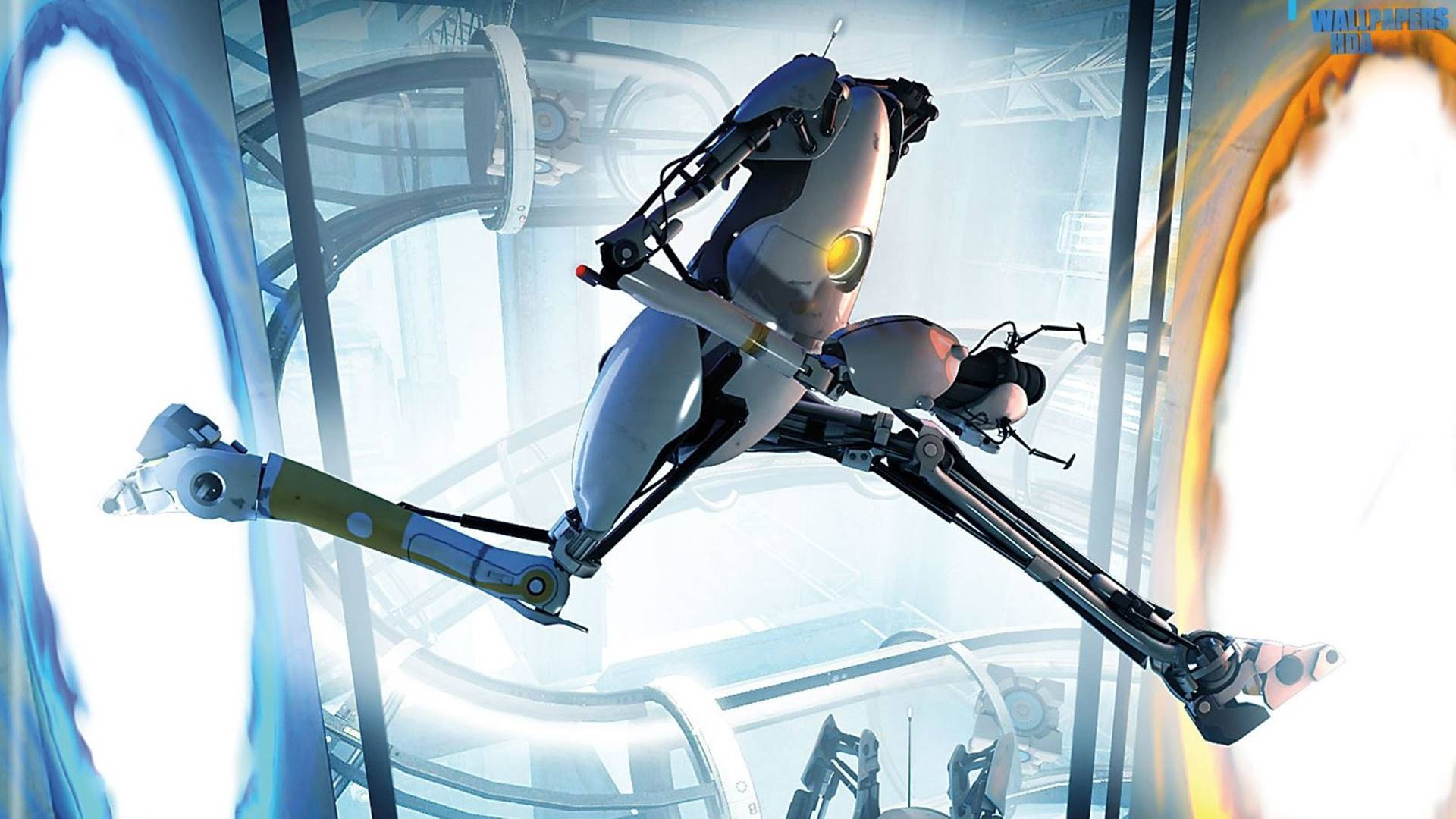
This game is a prime example of Valve at its absolute peak, delivering a sequel that not only matched but arguably surpassed its predecessor. The writing is sharp, the puzzles are ingenious, and the character performances are legendary. It’s a masterclass in environmental storytelling and game mechanics, never once feeling like it needed live-service nonsense to keep players engaged. You bought it, you owned it, and you got a complete, perfect experience. A true monument to intelligent game design.
3. Hades
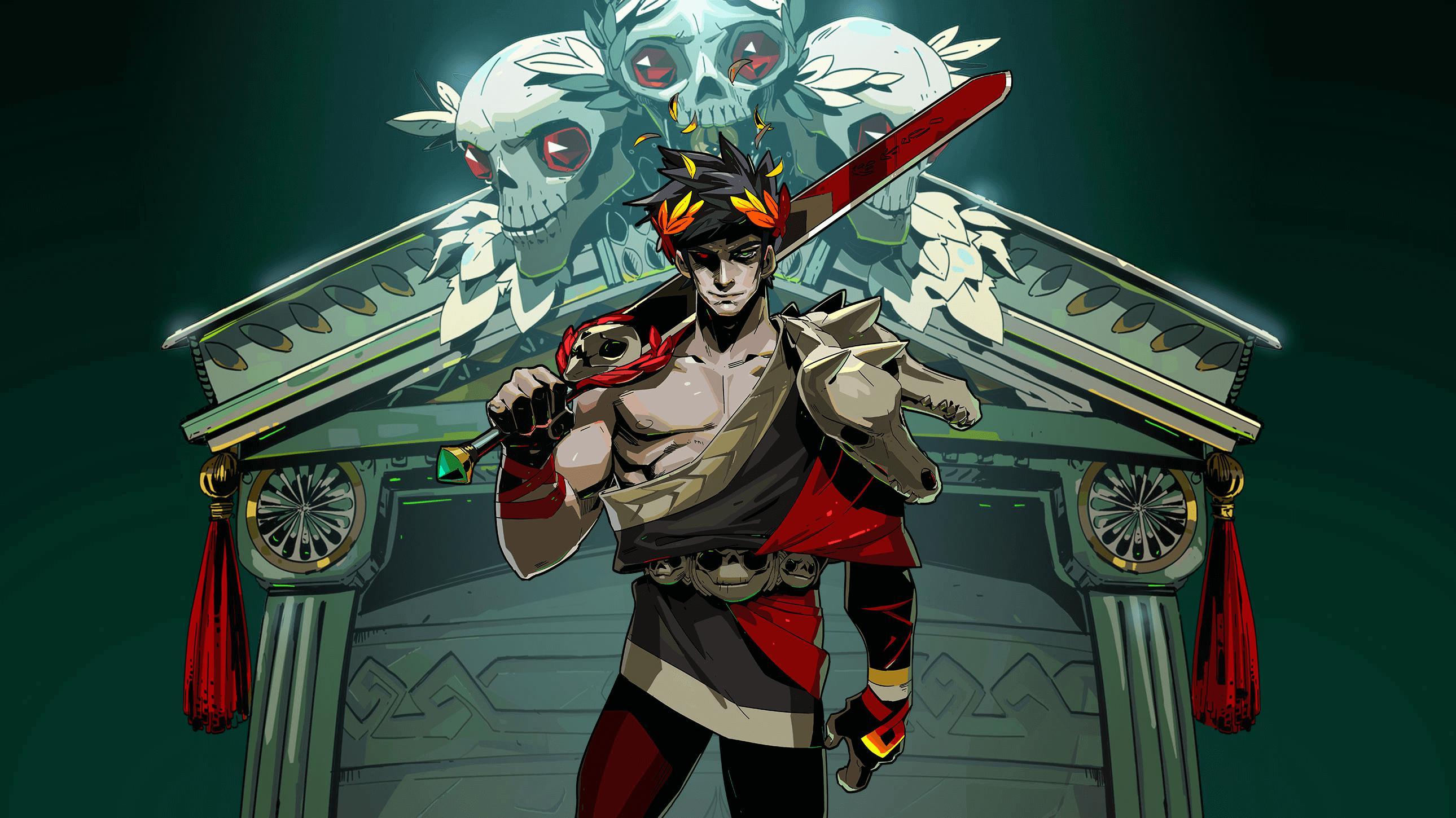
Supergiant showed everyone how to do roguelites with actual heart, phenomenal art direction, and a story that unfolds naturally, encouraging replayability without feeling like a grind. Unlike many modern games that gate content behind endless, repetitive loops, Hades respects your time while constantly offering new dialogue and progression. It's a testament to passionate indie development proving you don't need a triple-A budget to deliver an epic, addictive experience that keeps you coming back for more.
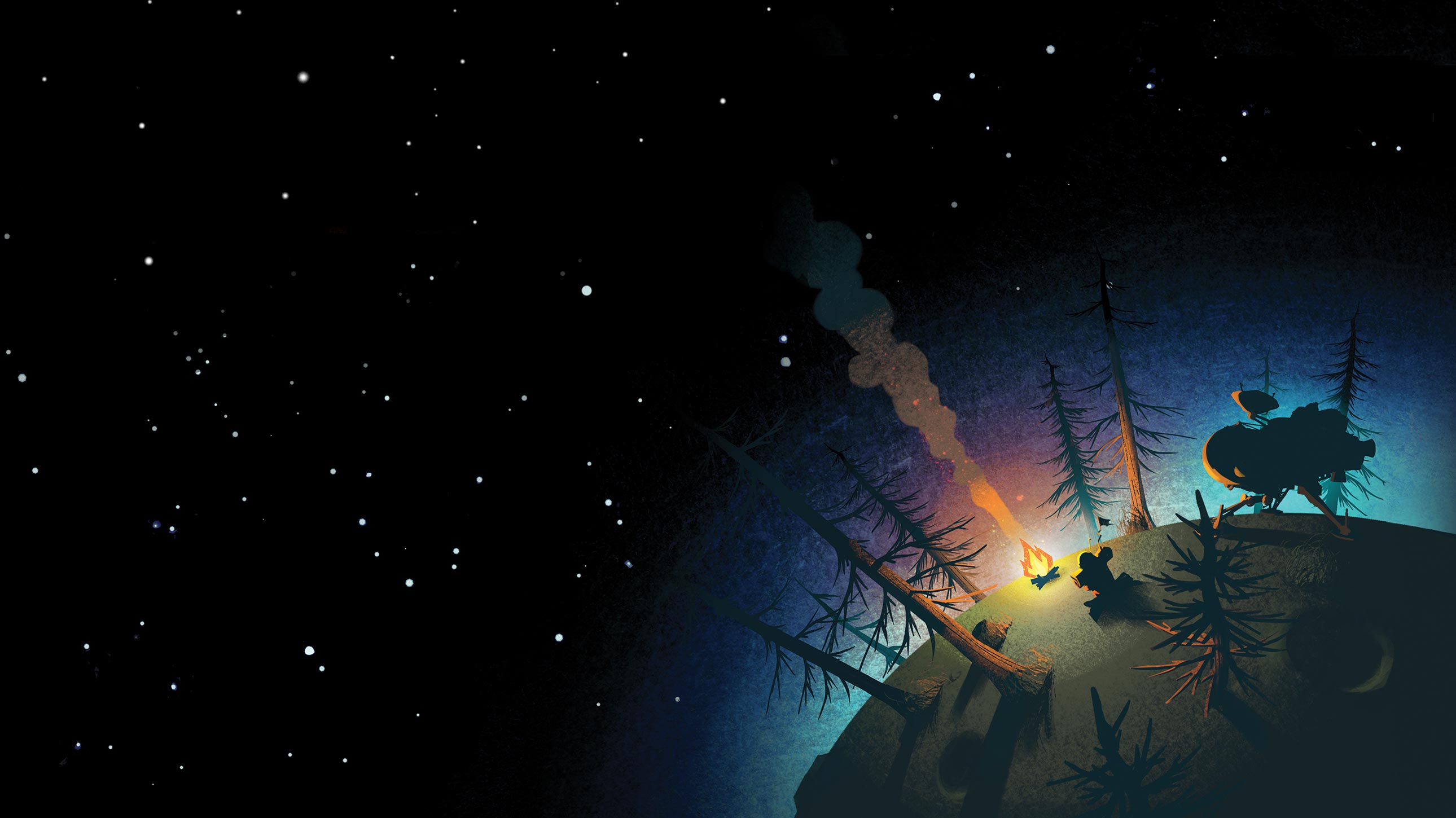
4. Outer Wilds
This game is a singular achievement, a true exploration sandbox that trusts the player's intelligence. No objective markers, no hand-holding, just a mystery to unravel through observation and curiosity. In an era where every game wants to fill your screen with icons and quests, Outer Wilds proves that a sense of genuine discovery is far more powerful. It’s an experience that sticks with you, completely unlike the open-world checklist simulators we're constantly fed.
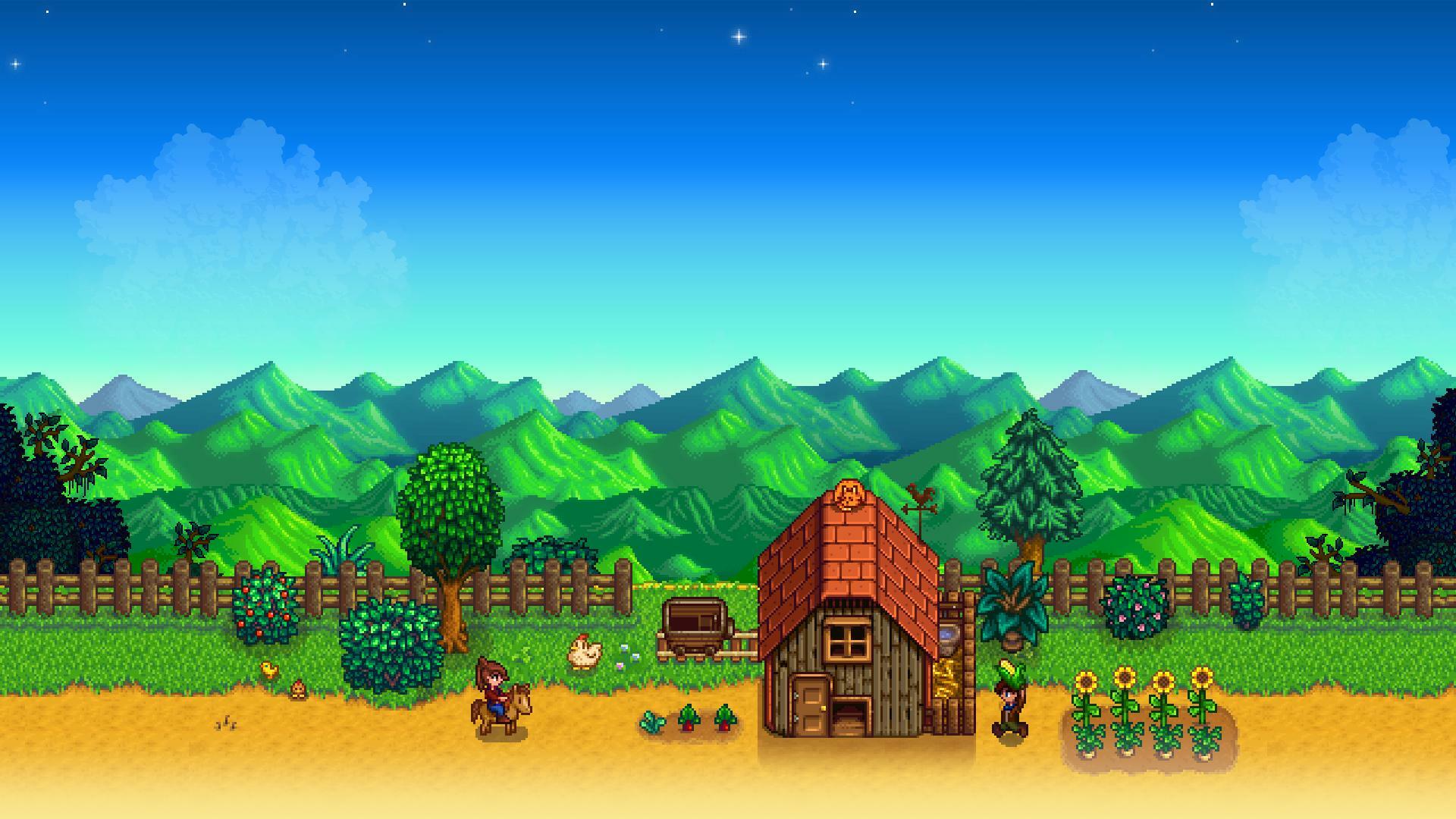
5. Stardew Valley
ConcernedApe basically built an entire genre-defining game by himself, demonstrating that passion and a clear vision beat corporate budgets almost every time. It’s a cozy escape, a farming sim, an RPG, and a life simulator all rolled into one, free from predatory monetization. The sheer amount of content and continuous free updates put many big publishers to shame. This game is a masterclass in how to build a community and keep them happy, not just milk them for cash.
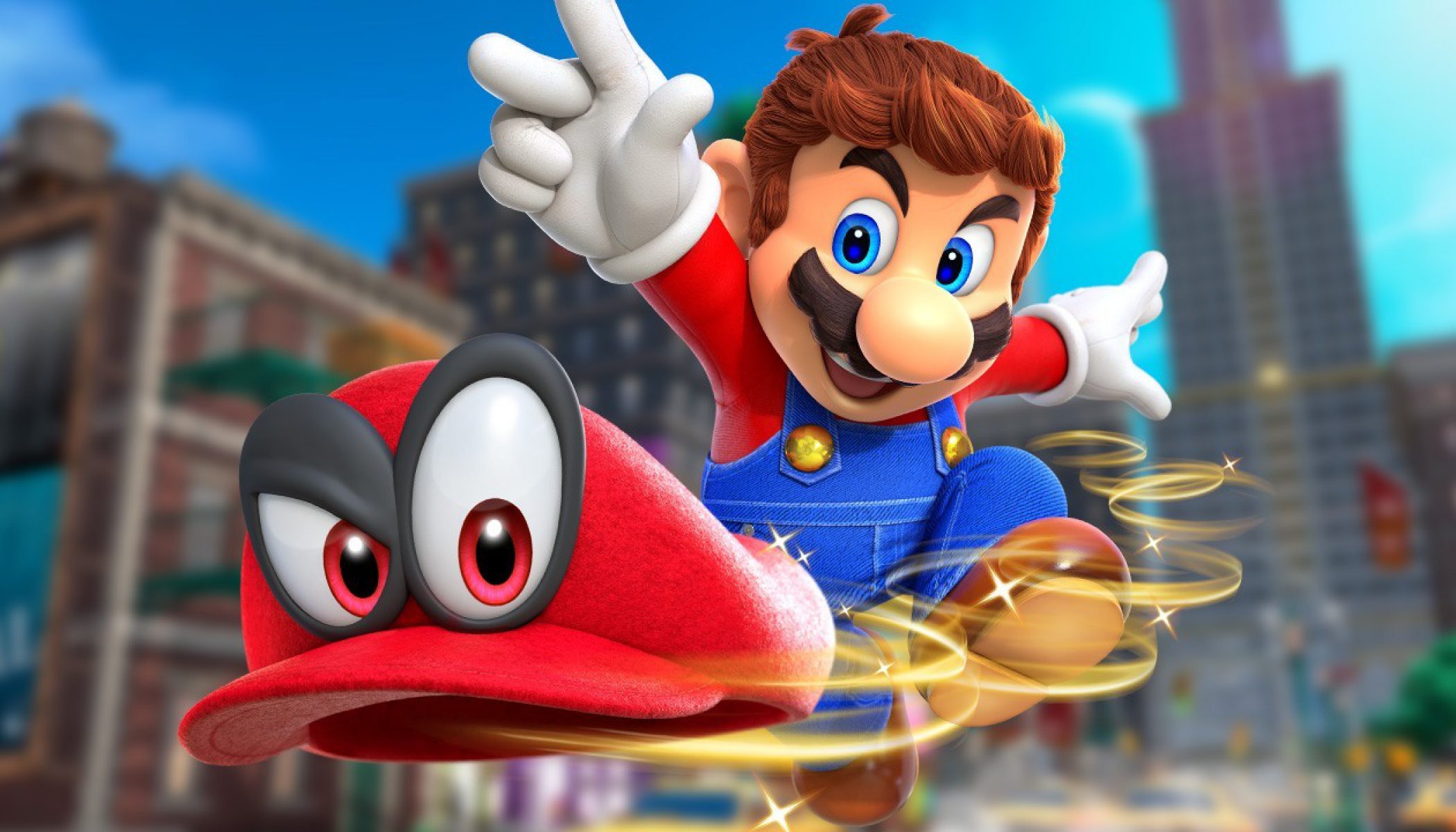
6. Super Mario Odyssey
Nintendo's flagship platformer proves that the old guard can still innovate without compromising on fun. It’s a joyous celebration of exploration, packed with creative mechanics and secrets around every corner. While some might criticize its "easy" difficulty, it prioritizes pure, unadulterated playfulness over artificial challenge. It's a refreshing contrast to games that feel like endless chores, reminding us that sometimes, pure delight is the best design goal.
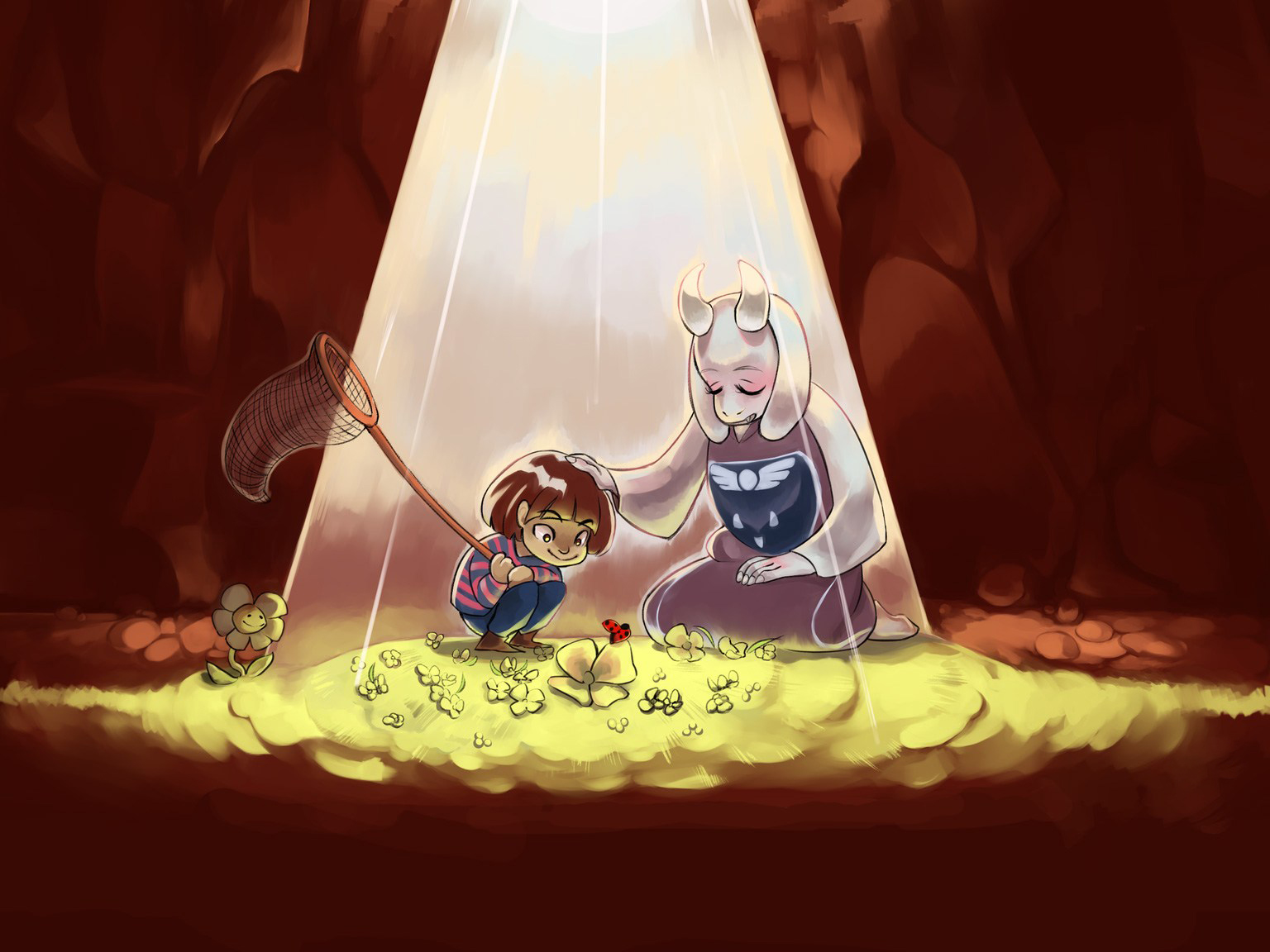
7. Undertale
Toby Fox redefined what an RPG could be with this title, proving that narrative choices can have profound, genuinely impactful consequences beyond simple good/evil meters. Its meta-commentary, memorable characters, and groundbreaking pacifist run option challenged conventional game design. It’s a powerful, emotional, and often hilarious experience that asks you to think about how you play games, something few big-budget titles dare to attempt anymore. A true indie masterpiece.
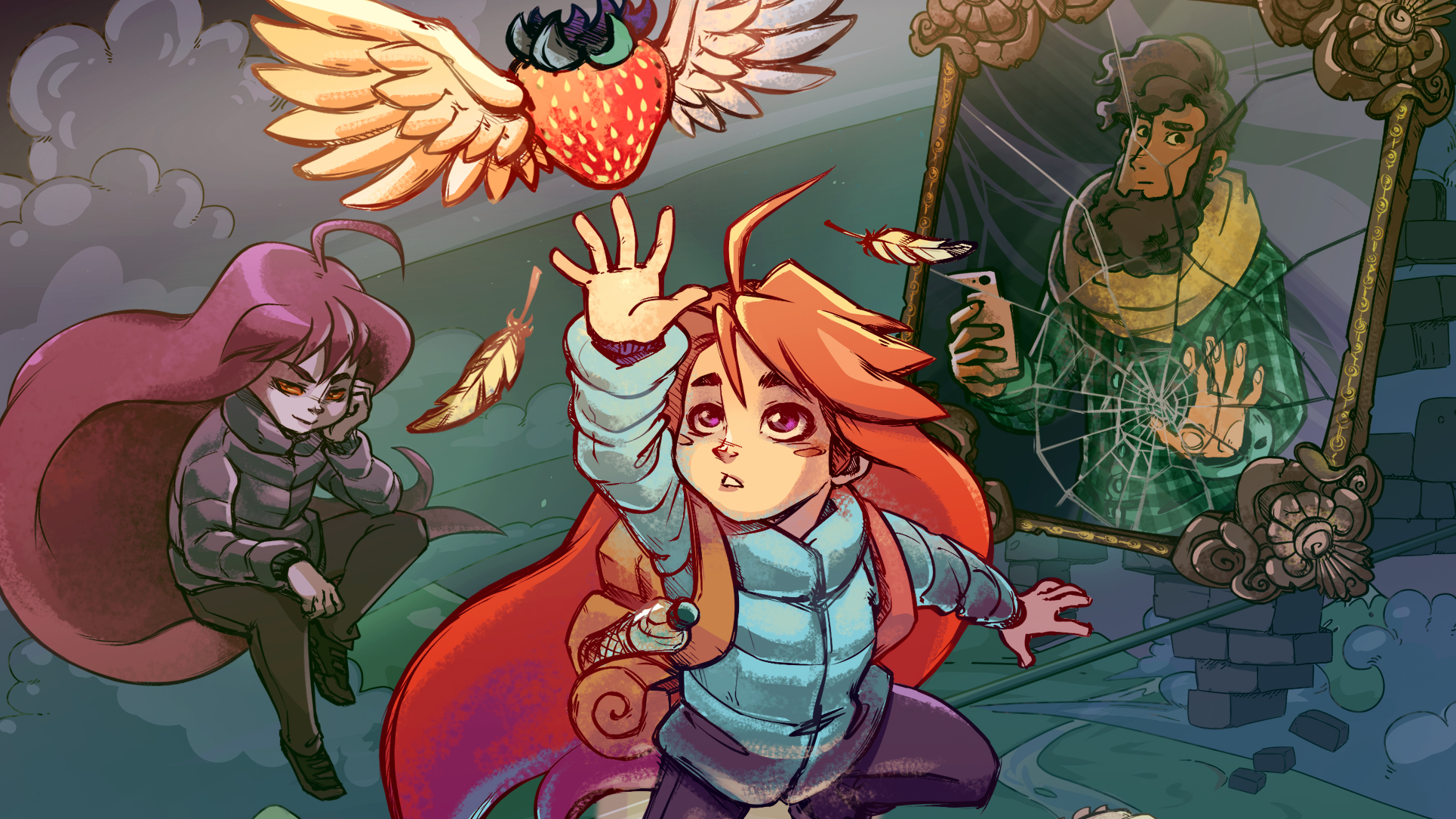
8. Celeste
This game is a masterclass in precision platforming, paired with an incredibly moving story about mental health and overcoming personal struggles. It’s challenging but fair, with mechanics that feel incredible to execute. Unlike many modern games that feel the need to pad playtime, Celeste delivers a perfectly paced, emotionally resonant experience. It’s proof that a tight gameplay loop and a meaningful narrative can elevate a game far beyond its pixel art aesthetic.
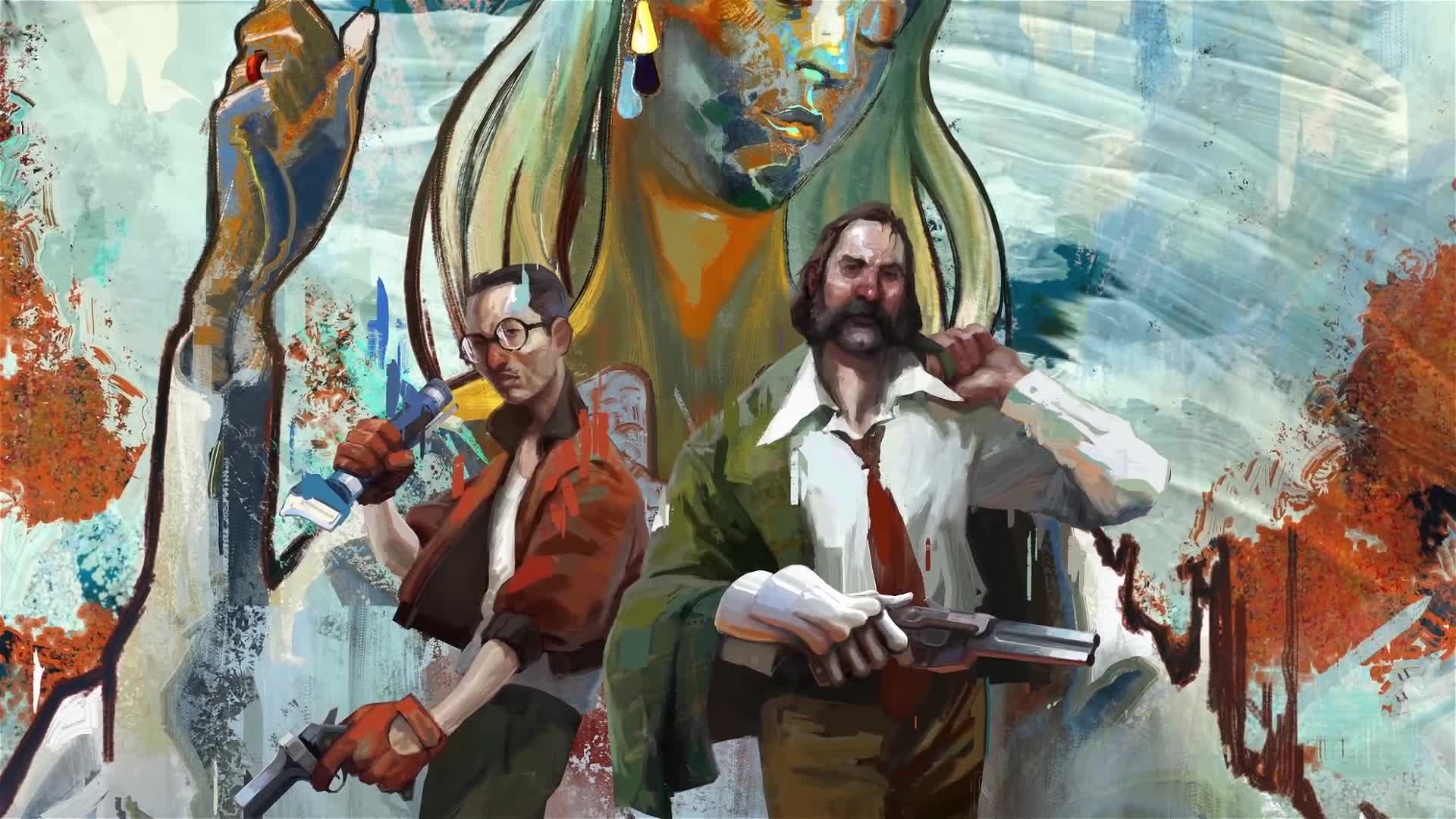
9. Disco Elysium
ZA/UM delivered a narrative RPG unlike anything before it, eschewing traditional combat for pure, unadulterated dialogue and thought processes. It’s a dense, brilliantly written masterpiece that dives deep into philosophy, politics, and the human condition. In an industry obsessed with flashy graphics and combat loops, Disco Elysium dared to be different, offering an unparalleled level of player agency within its unique narrative framework. It's a breath of fresh air.
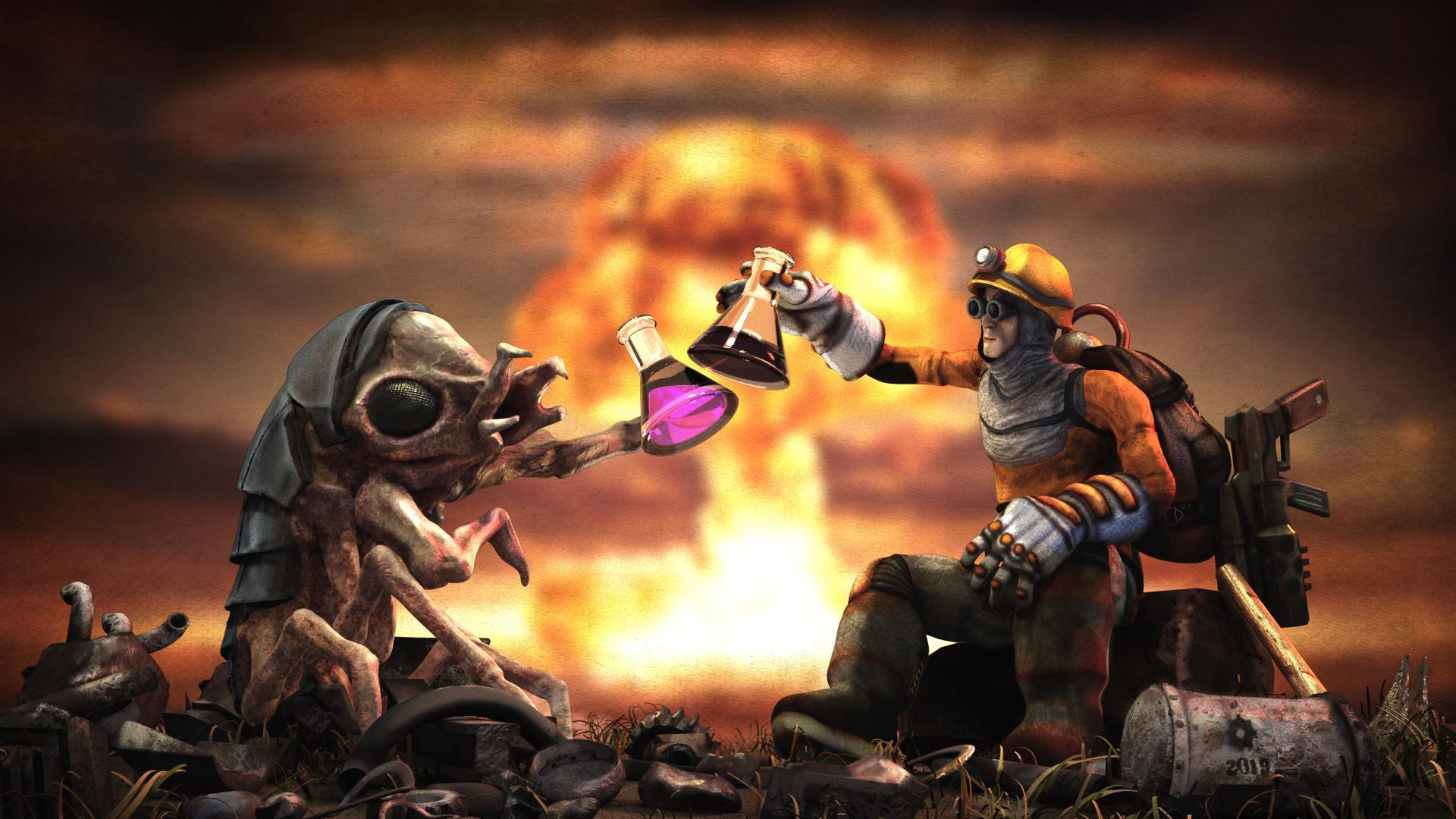
10. Factorio
This game is an absolute time sink, a testament to the addictive power of efficiency, automation, and problem-solving. It's a factory-building simulation that respects player intelligence and offers endless possibilities for complex design. While many modern games try to simplify and streamline, Factorio embraces its complexity, rewarding methodical planning and relentless optimization. It's a game that could only exist thanks to a dedicated team, not a focus-group-driven publisher. The factory must grow.
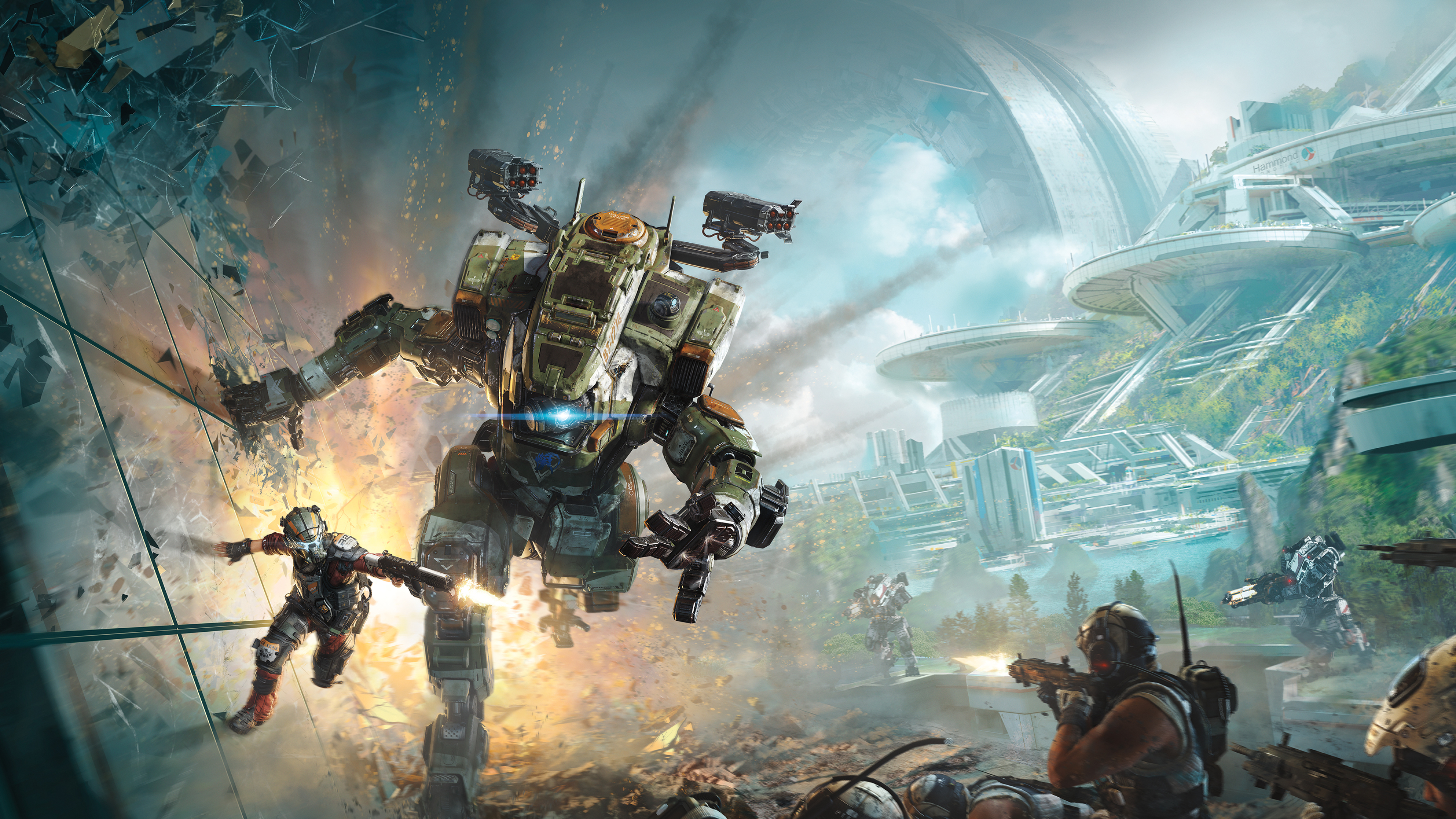
11. Titanfall 2
Respawn crafted one of the most underrated FPS campaigns of all time, blending fast-paced, fluid movement with genuinely innovative level design and a surprisingly heartfelt story. The multiplayer, though often overshadowed, was equally fantastic. It's a crying shame it was released between two juggernaut titles, proving that sometimes, even a phenomenal game can get lost in the industry's release calendar chaos. A masterclass in mech-based combat and narrative integration.

12. Left 4 Dead 2
Valve once again proved they understood co-op better than almost anyone. This game is a masterclass in replayability, emergent gameplay, and dynamic AI, creating unique experiences every time you play with friends. It didn't need battle passes or endless cosmetic monetization to keep people coming back; the sheer fun of surviving a zombie apocalypse with pals was enough. It's a stark reminder of what focused, player-centric design can achieve.