
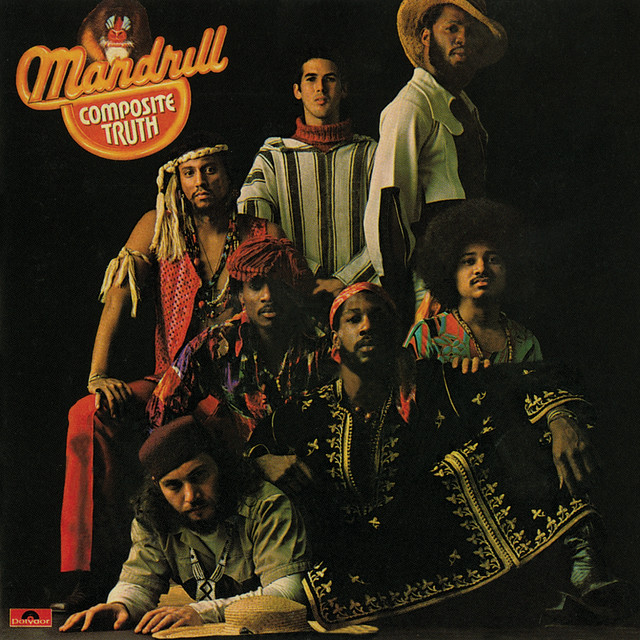
1. Composite Truth
Ah, 'Composite Truth.' This track from *Café Bleu* exemplified Paul Weller's elegant pivot away from the Jam's punkish urgency. Here, the meticulously layered synthesizers, that crisp drum machine, and the sophisticated brass arrangements coalesce into a refined slice of synth-pop, yet it retains a distinct soulful undercurrent. It’s a testament to pre-digital studio artistry, crafting complex textures with limited, but expertly utilized, hardware. A sophisticated listen.
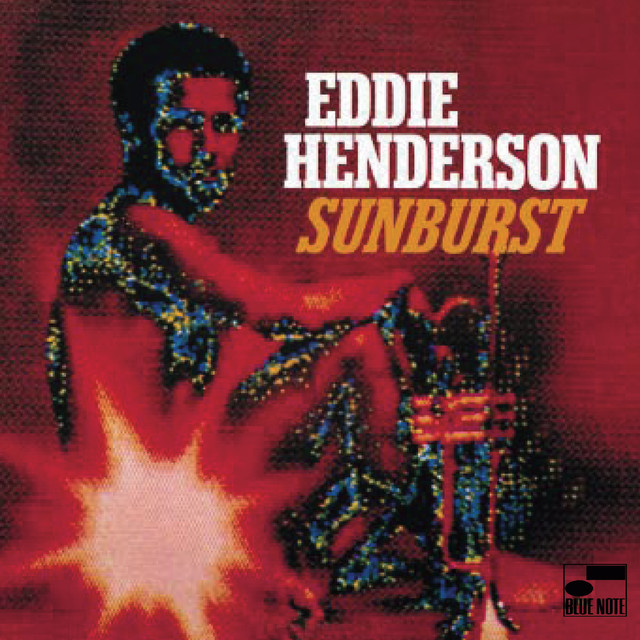
2. Sunburst
Larry Coryell's *Sunburst* stands as a pivotal document of early jazz-fusion, where his virtuosic guitar work blazes with an almost psychedelic intensity. The recording captures the raw energy of improvisation, yet with a precision that belies its organic flow. Its sonic palette, shaped by analog warmth and unadorned instrumentals, showcases a period when technical prowess met exploratory ambition without digital intervention. A vital, fiery journey.
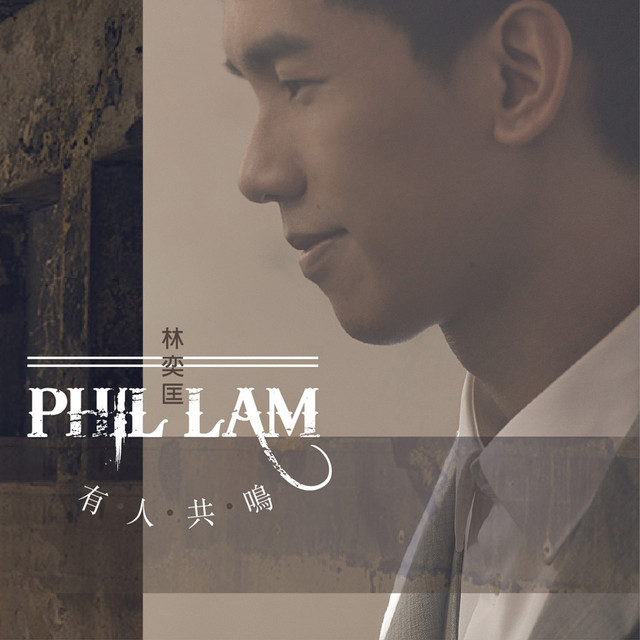
3. 有人共鳴
Leslie Cheung's '有人共鳴' from 1985, an exquisite example of Canto-pop's sophisticated embrace of synth-pop. The track’s production, rich with that distinctive mid-80s Yamaha DX7 sheen and programmed LinnDrum beats, creates a melancholic yet propulsive atmosphere. It demonstrates how global pop assimilated cutting-edge studio techniques, proving that genuine emotional depth could absolutely thrive within synthesized soundscapes, long before digital gloss took over.

4. Squawk (2013 Remaster)
The Stranglers, even on their 1978 album *Black and White*, maintained a provocative edge, and 'Squawk' is no exception. Its aggressive bassline, driving organ, and raw, unpolished guitar tones define a primal force in early post-punk. The track's energy is a direct result of analog limitations being pushed to their absolute maximum, yielding a sound that feels both visceral and intellectually challenging, devoid of any digital polish.

5. Fireside Favourites
*Fireside Favourites* by The Monochrome Set from 1985 is a masterclass in understated, idiosyncratic art-rock. The production, favoring clarity over bombast, allows the quirky instrumentation and Bid's detached vocal delivery to shine. It's a precisely engineered sound, built on simple, effective arrangements that hint at darkwave's intellectual leanings, all meticulously recorded on tape, capturing a unique, almost theatrical, sonic space.
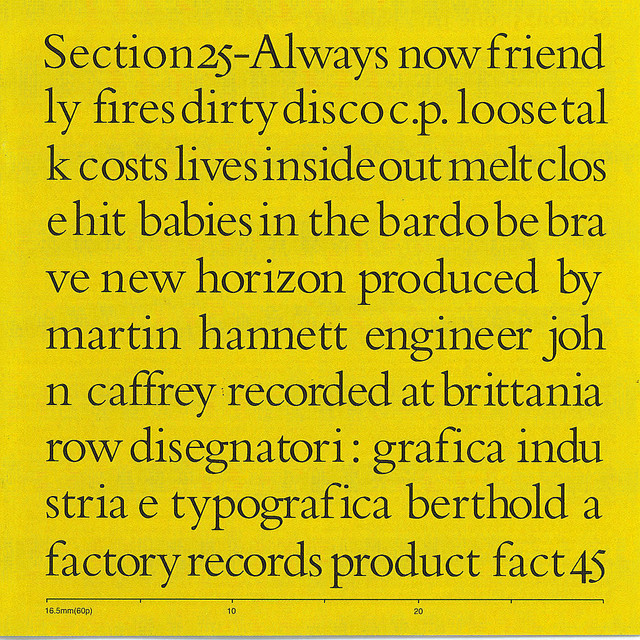
6. Always Now
Section 25's *Always Now* from 1981 is a cornerstone of coldwave, its bleak atmosphere forged from stark synths, propulsive bass, and austere drum patterns. The analog recording process amplifies its inherent chill, giving the often-sparse arrangements a tangible weight. It’s a compelling example of early industrial aesthetics merging with post-punk's introspective gloom, demonstrating profound emotional resonance through minimal, pre-digital means.
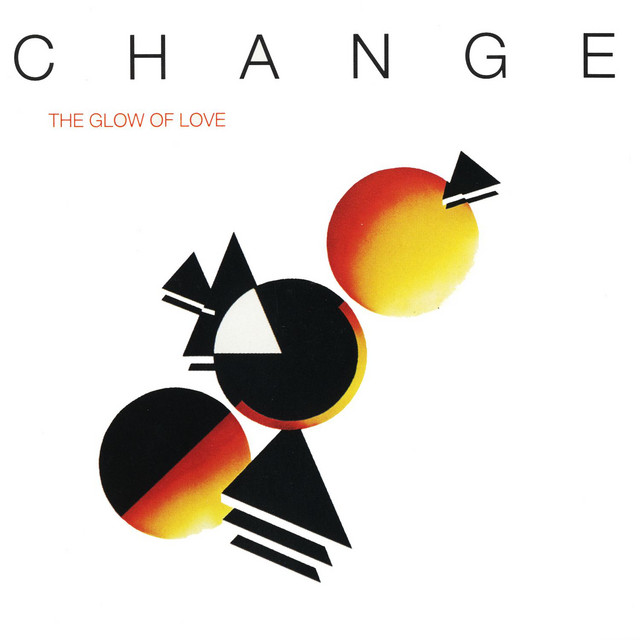
7. The Glow Of Love
'The Glow Of Love' by Change, released in 1980, is a foundational track for post-disco and boogie. The production is immaculate, showcasing that distinct early 80s warmth from analog boards. Its smooth bassline, shimmering synthesizers, and perfectly placed horns create an undeniably infectious groove. It exemplifies how funk evolved into a more polished, yet still deeply soulful, dance music before digital production became commonplace.
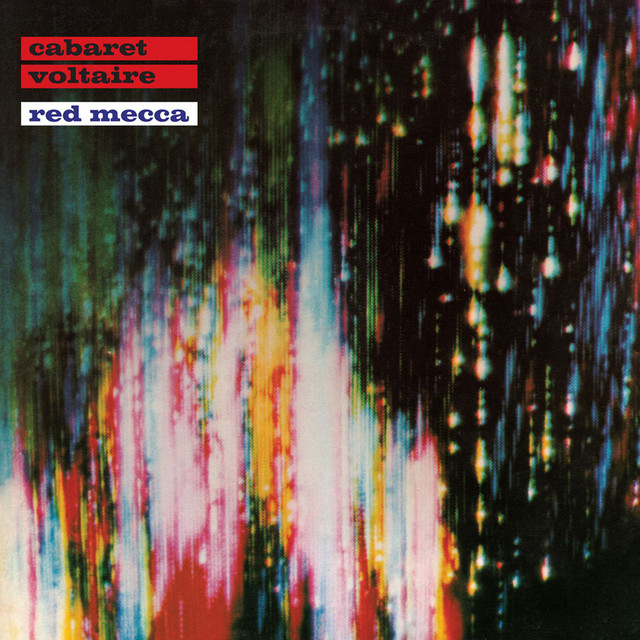
8. Red Mecca
Cabaret Voltaire's *Red Mecca* from 1981 is a formidable dive into early industrial soundscapes. This album thrives on its raw, often abrasive textures, built from tape loops, found sounds, and early synthesizers. The pre-digital methodology meant a hands-on, almost sculptural approach to sound. It's an unnerving, rhythmic exploration, laying groundwork for techno's more experimental fringes, challenging perceptions of what music could be.
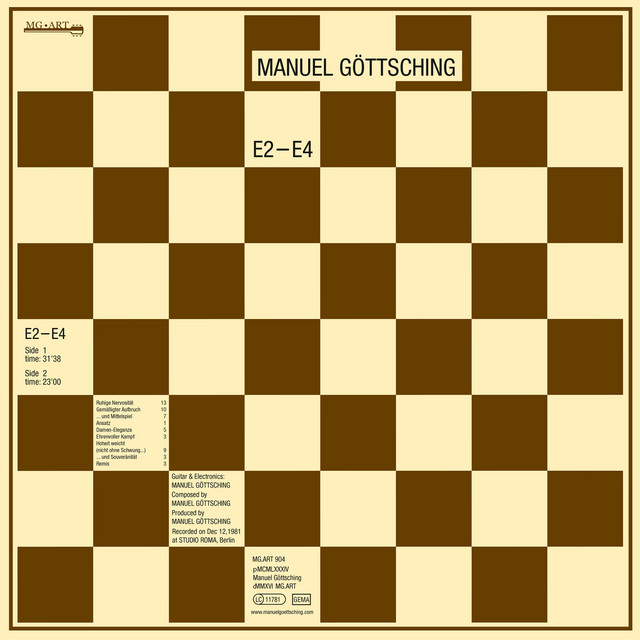
9. E2-E4 (Mixed)
Manuel Göttsching's *E2-E4*, recorded in 1981 and released in 1984, remains an unparalleled exercise in ambient proto-techno. Its single, hour-long composition, built entirely from a looping guitar motif and minimal analog synth accompaniment, demonstrates the hypnotic power of repetition. This was a pre-digital masterclass in generative music, laying conceptual and sonic foundations for entire genres with an elegant, almost spiritual minimalism.
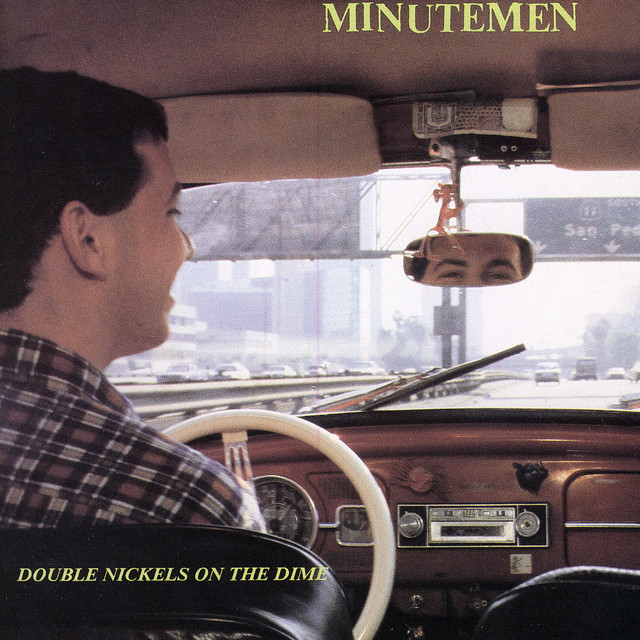
10. Double Nickels on the Dime
Minutemen's *Double Nickels on the Dime* from 1984 is a sprawling, audacious statement in post-hardcore. Its rapid-fire, concise tracks and jarring stylistic shifts are precisely captured with raw, unpretentious analog fidelity. The album challenges conventional song structures and genre boundaries, showcasing an unfiltered creative urgency that could only truly be expressed through the immediate, vibrant energy of a pre-digital studio environment.

11. vs.
Mission of Burma's *Vs.* from 1982 is a towering achievement in post-hardcore, its sonic aggression tempered by intricate arrangements and a unique tape-loop sound. The raw power of Roger Miller's guitar and Clint Conley's driving bass, combined with Martin Swope's distinctive tape manipulations, creates a dense, almost claustrophobic intensity. This analog craftsmanship delivered a sound that was both cerebral and brutally impactful.
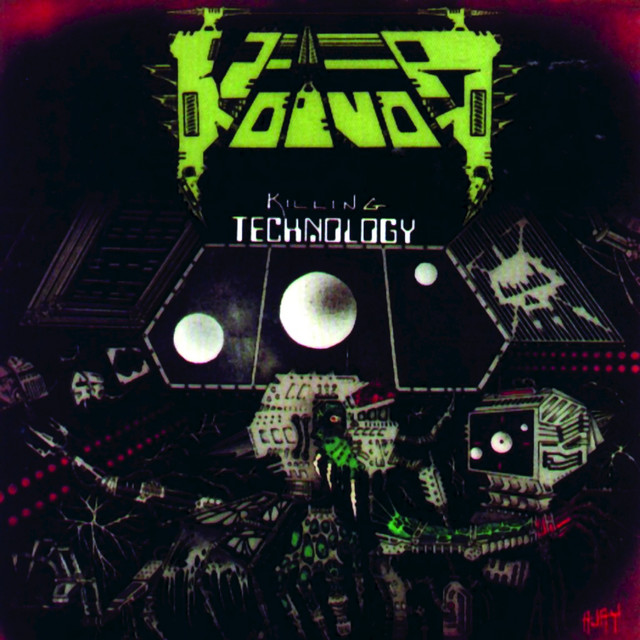
12. Killing Technology
Voivod's *Killing Technology* from 1987 is a landmark in progressive thrash, fusing aggressive metal with futuristic, almost industrial concepts. The album's dense, angular riffs and complex song structures were painstakingly sculpted in an analog studio, yielding a powerful, almost dystopian sound. Its raw, yet precise, production defined a new frontier for metal, demonstrating how intricate arrangements could coexist with sheer sonic force.