
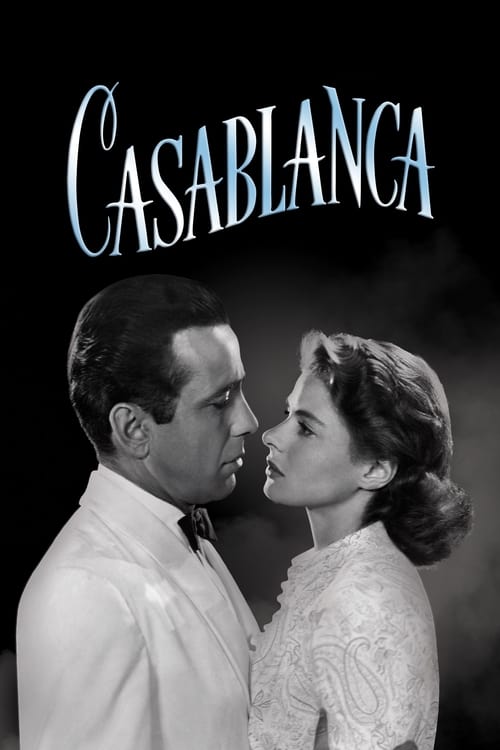
1. Casablanca
This wartime romance, directed by Michael Curtiz, masterfully blends geopolitical turmoil with personal sacrifice. Its enduring appeal lies in its iconic dialogue, the indelible performances of Bogart and Bergman, and its reflection on moral choices amidst global conflict. It's a testament to classical Hollywood storytelling, where style and substance converge to create a timeless narrative of duty and doomed love, echoing through generations.
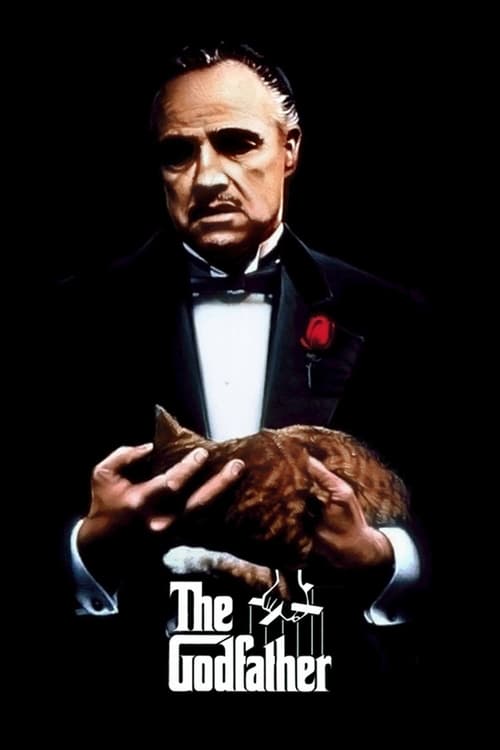
2. The Godfather
Francis Ford Coppola's sprawling crime epic redefines the gangster genre, elevating it to Shakespearean tragedy. Through its meticulous world-building and profound character studies, it explores themes of family, power, and the corrupting nature of the American Dream. The film's influence on cinematic narrative and character development is immeasurable, cementing its place as a cornerstone of modern storytelling.
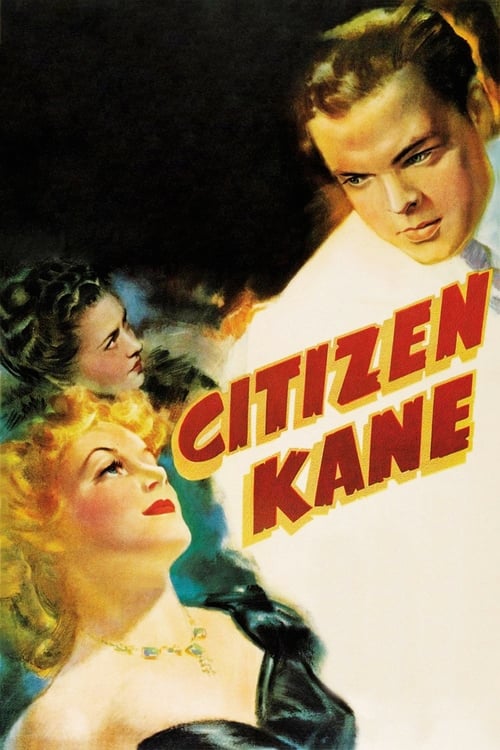
3. Citizen Kane
Orson Welles' debut remains a cinematic marvel, pioneering narrative structures and photographic techniques that reshaped the medium. Its non-linear exploration of Charles Foster Kane's life, a thinly veiled portrait of William Randolph Hearst, delves into the elusive nature of truth and the hollowness of material success. Welles’ audacious vision continues to inspire and challenge filmmakers.
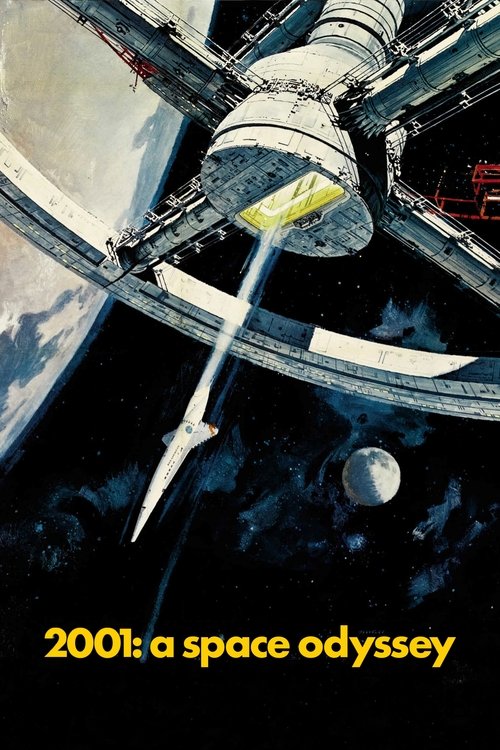
4. 2001: A Space Odyssey
Stanley Kubrick’s monumental work transcends conventional sci-fi, offering an elliptical, philosophical journey through human evolution and artificial intelligence. Its groundbreaking visual effects and sparse dialogue create an unparalleled immersive experience, prompting profound contemplation on our place in the cosmos. Indeed, it remains a benchmark for ambitious, intellectually stimulating cinema, influencing countless subsequent works.

5. Seven Samurai
Akira Kurosawa’s epic about a desperate village hiring ronin to fend off bandits is more than an action film; it’s a masterclass in character development, strategic pacing, and moral complexity. Its influence on global cinema, particularly Westerns, is undeniable, demonstrating universal themes of heroism, sacrifice, and the class struggle. Kurosawa’s meticulous craftsmanship forged a foundational cinematic language.
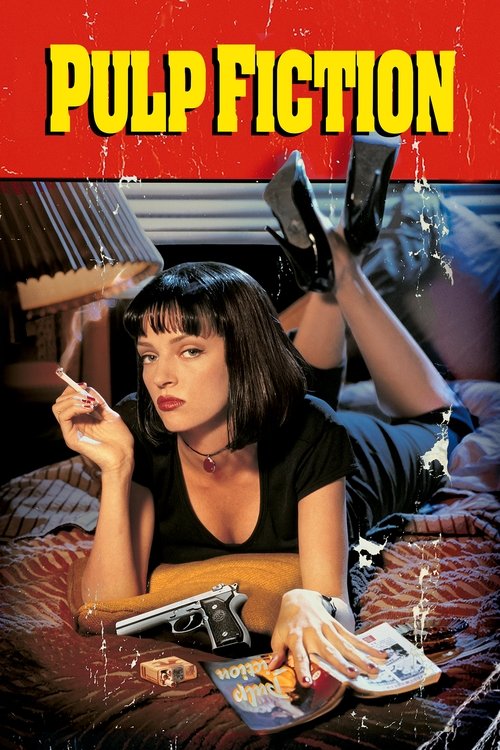
6. Pulp Fiction
Quentin Tarantino’s postmodern masterpiece shattered narrative conventions with its non-linear structure, razor-sharp dialogue, and eclectic soundtrack. It redefined cool for a generation, blending crime, dark humor, and pop culture references into an intoxicating cinematic cocktail. And so, its audacious style and cultural impact solidified Tarantino’s auteur status, forever altering the landscape of independent filmmaking.
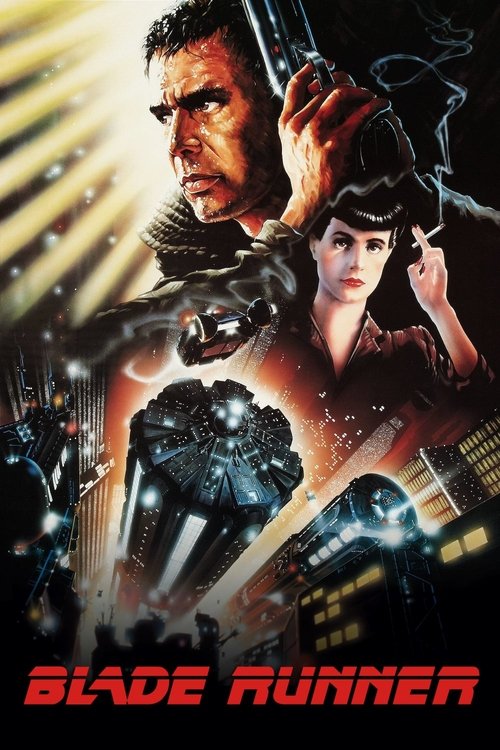
7. Blade Runner
Ridley Scott's dystopian neo-noir established the visual lexicon of cyberpunk, crafting a haunting vision of a future Los Angeles. Its existential questions about humanity, memory, and artificial life resonate deeply, making it more than just a sci-fi thriller. The film's atmospheric density and thematic richness continue to provoke thought and inspire aesthetic choices across media.
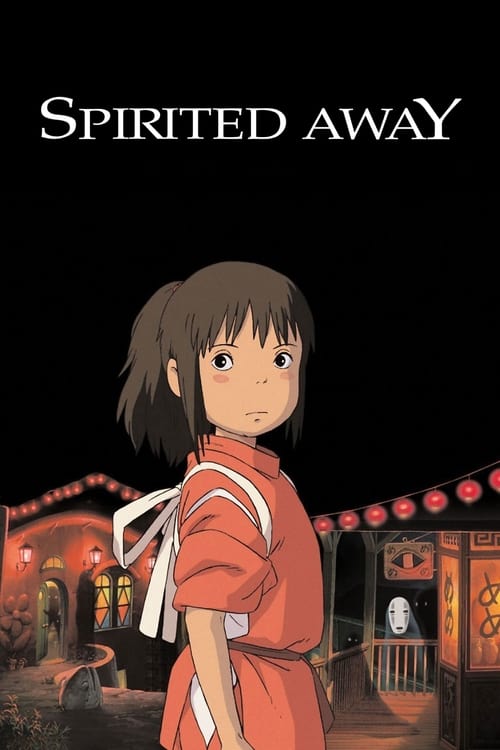
8. Spirited Away
Hayao Miyazaki’s animated epic transports viewers into a fantastical spirit world, blending traditional Japanese folklore with universal themes of identity, courage, and environmentalism. Its breathtaking animation and imaginative storytelling captivated global audiences, proving animation's capacity for profound artistic expression. This film stands as a testament to Studio Ghibli's unparalleled vision and enduring cultural impact.
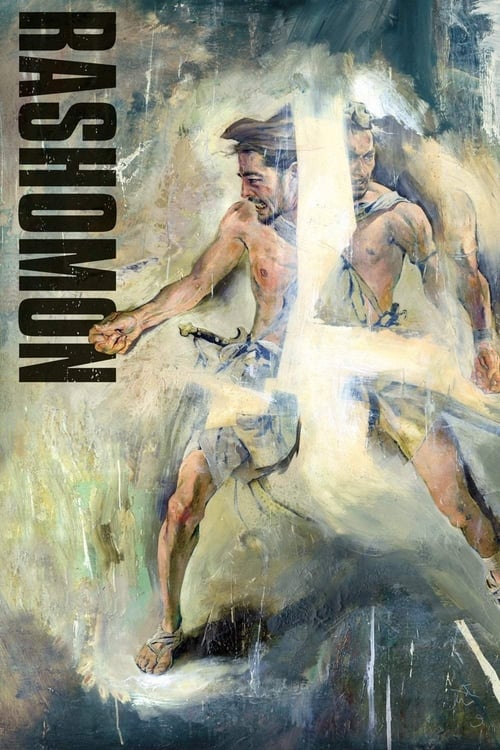
9. Rashomon
Akira Kurosawa's revolutionary film explores the subjective nature of truth through multiple, conflicting accounts of a single event. Its innovative narrative structure, presenting different perspectives without a definitive resolution, challenged cinematic storytelling conventions. This "Rashomon effect" profoundly influenced subsequent films and literature, illustrating the inherent unreliability of testimony and human perception itself.
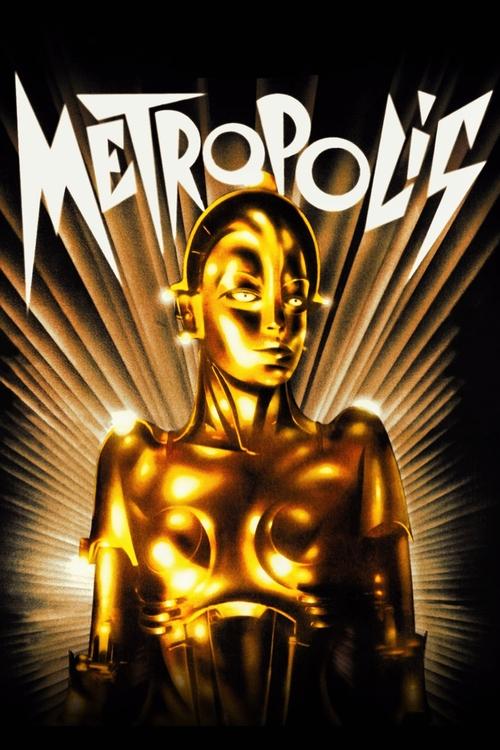
10. Metropolis
Fritz Lang’s silent film masterpiece remains a towering achievement of expressionistic cinema and dystopian sci-fi. Its stark visuals and monumental set designs depict a future society starkly divided by class, where technology both liberates and oppresses. A foundational work, its enduring imagery and social commentary have resonated through generations of filmmakers and artists.
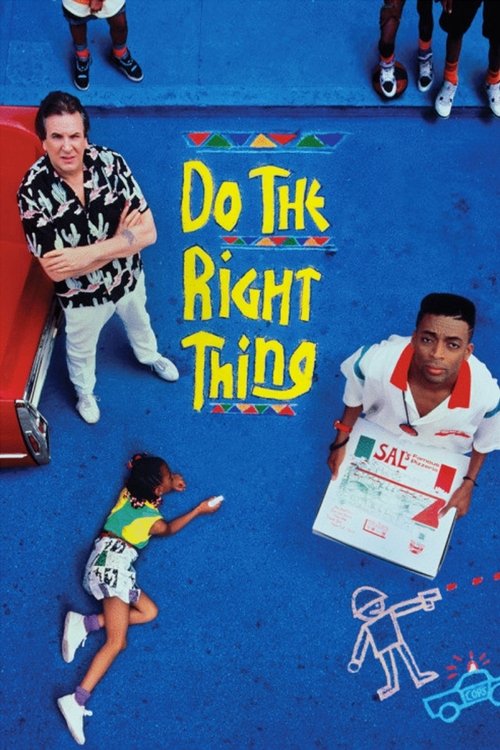
11. Do the Right Thing
Spike Lee’s potent examination of racial tensions in a Brooklyn neighborhood on the hottest day of the summer is a masterclass in social commentary. It deliberately avoids easy answers, provoking uncomfortable but essential conversations about prejudice, anger, and systemic inequality. The film’s vibrant aesthetic and moral ambiguity ensure its continued relevance in contemporary discourse.

12. Parasite
Bong Joon-ho’s Palme d'Or and Oscar-winning film is a razor-sharp satire of class struggle, blending dark humor, suspense, and social critique with masterful precision. Its intricate plot and allegorical depth expose uncomfortable truths about wealth disparity and the illusion of upward mobility. This film cemented Bong’s global auteur status, demonstrating cinema's power to reflect urgent societal anxieties.