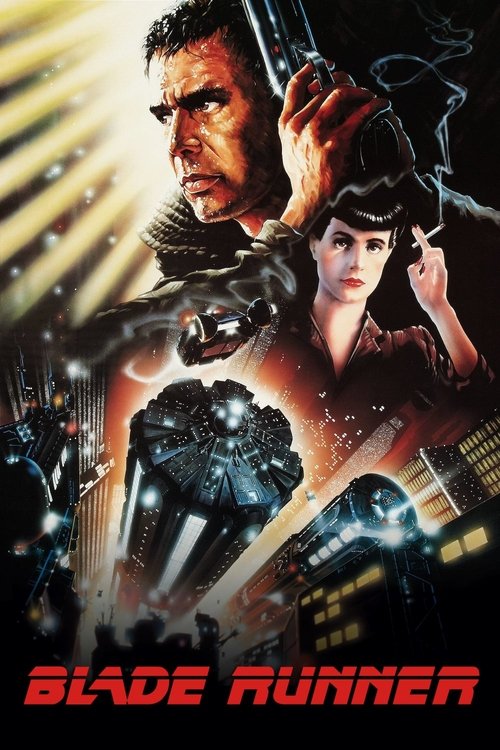
1. Blade Runner
Ridley Scott’s neo-noir masterpiece redefined science fiction, weaving a rain-slicked tapestry of existential dread and artificial intelligence. Its dystopian Los Angeles, a perpetual night illuminated by neon, became the blueprint for countless cyberpunk narratives. The film’s philosophical inquiries into humanity, memory, and what defines life continue to resonate, cementing its place as a visually stunning and intellectually profound cinematic landmark, whose influence on subsequent world-building is undeniable.
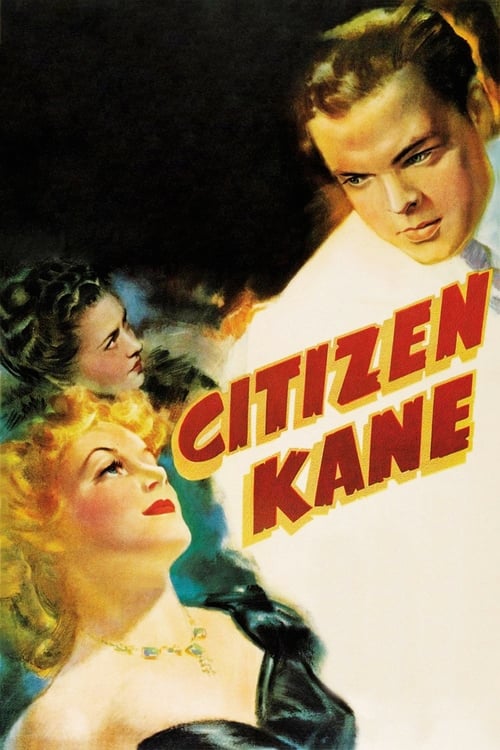
2. Citizen Kane
Orson Welles’ audacious debut shattered conventional filmmaking. Its non-linear narrative, told through fragmented perspectives, unveiled a complex character study while pioneering deep-focus cinematography and innovative sound design. Welles, a true auteur, utilized every cinematic tool to explore power, isolation, and the elusive nature of truth, fundamentally altering how stories could be constructed and perceived on screen. It remains a masterclass in narrative ambition and technical innovation.
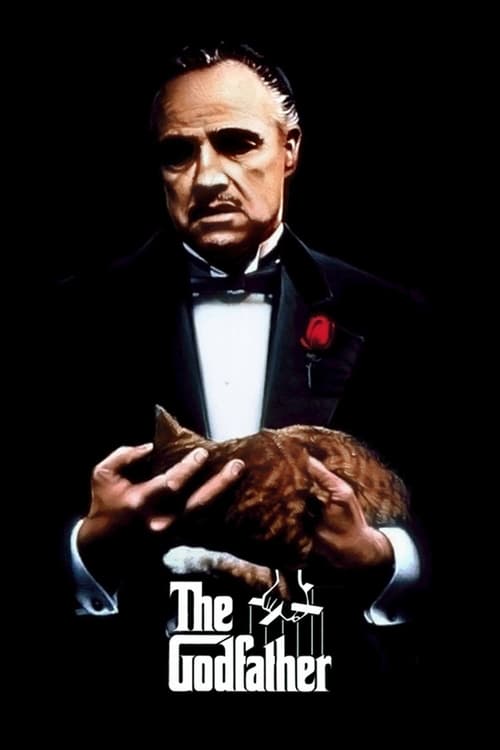
3. The Godfather
Francis Ford Coppola’s epic transformed the gangster film into a Shakespearean tragedy, exploring the corrupting allure of power and the erosion of American ideals. Its operatic scope, meticulous performances, and iconic cinematography crafted a multi-generational saga that transcended genre. The film’s examination of family, loyalty, and violence within the pursuit of the American Dream resonated deeply, establishing a new benchmark for character-driven drama and cinematic grandeur.

4. Seven Samurai
Akira Kurosawa’s monumental epic established a template for countless ensemble action films, yet its influence runs far deeper than structure. Through its meticulous character development and patient pacing, it explores honor, sacrifice, and the dynamics of community amidst overwhelming odds. Kurosawa’s mastery of composition and pacing created a visceral, humanistic portrayal of conflict, proving that spectacle could serve profound storytelling and universal themes.
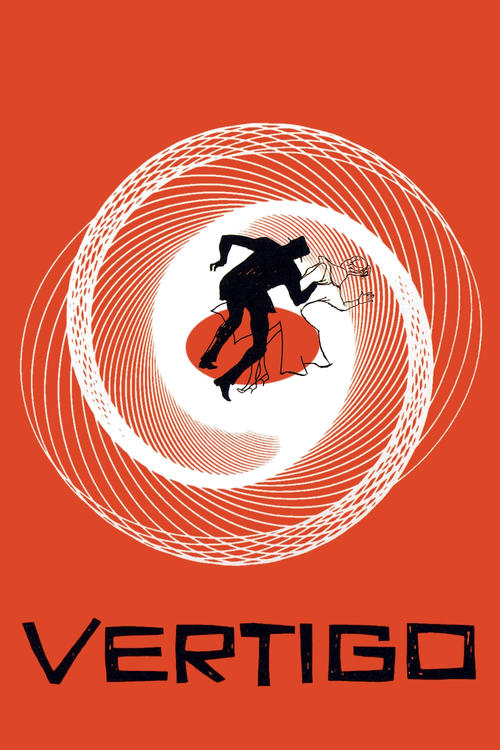
5. Vertigo
Alfred Hitchcock’s psychological masterpiece is a dizzying descent into obsession and manipulation. Its innovative use of camera techniques, particularly the dolly zoom, visually expressed psychological disorientation, while its narrative coils around themes of identity, memory, and control. Hitchcock, the master of suspense, crafted a profoundly unsettling and visually arresting experience, demonstrating cinema’s power to embody subjective states of mind and explore the darkest corners of human desire.
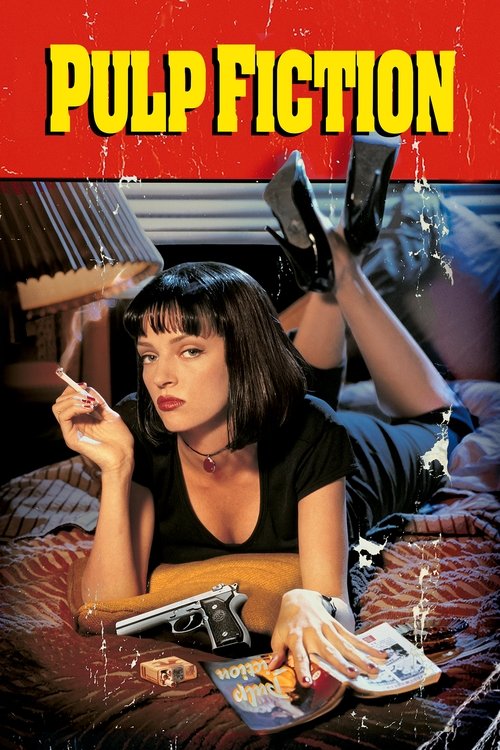
6. Pulp Fiction
Quentin Tarantino’s explosive mosaic of pop culture references and non-linear storytelling irrevocably altered the independent film landscape. Its sharp, idiosyncratic dialogue, intertwined narratives, and audacious blend of humor and violence created a unique cinematic language. The film’s irreverent spirit and stylish execution captured a zeitgeist, demonstrating that genre conventions could be playfully subverted to produce something both intellectually engaging and wildly entertaining.
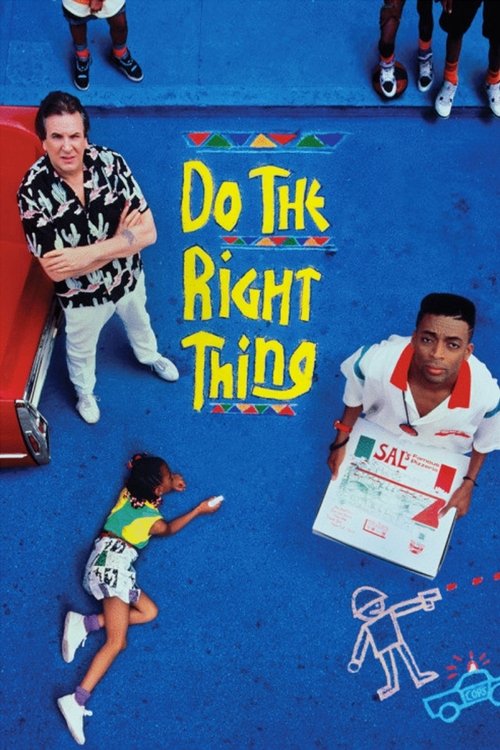
7. Do the Right Thing
Spike Lee’s searing examination of racial tension in a Brooklyn neighborhood on the hottest day of the summer remains as potent today as it was in 1989. The film’s vibrant palette, dynamic camerawork, and raw, unflinching dialogue capture the simmering frustrations and complex realities of systemic inequality. Lee masterfully forces audiences to confront uncomfortable truths, sparking essential conversations about justice, prejudice, and societal responsibility.
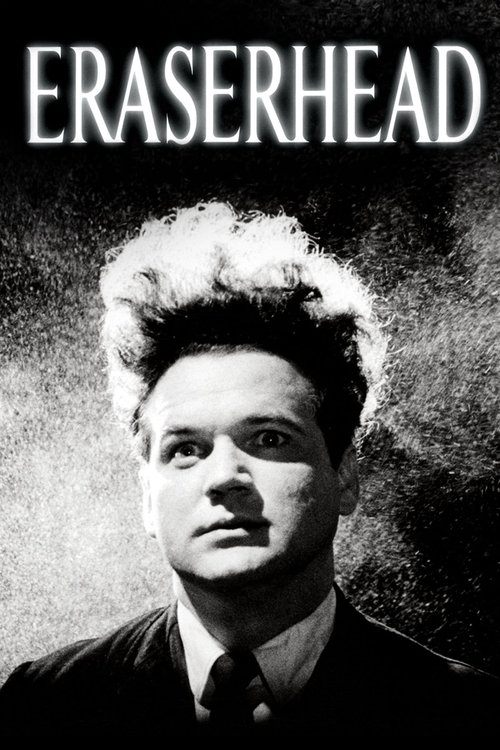
8. Eraserhead
David Lynch’s debut feature is a nightmarish dive into industrial squalor and domestic anxiety, a monochrome fever dream that defies easy categorization. Its meticulously crafted soundscape and grotesque imagery evoke a palpable sense of dread and existential isolation. Lynch’s surreal vision, born from personal anxieties, established his distinct auteurial voice, proving that experimental cinema could be both deeply unsettling and profoundly influential in shaping atmospheric horror.
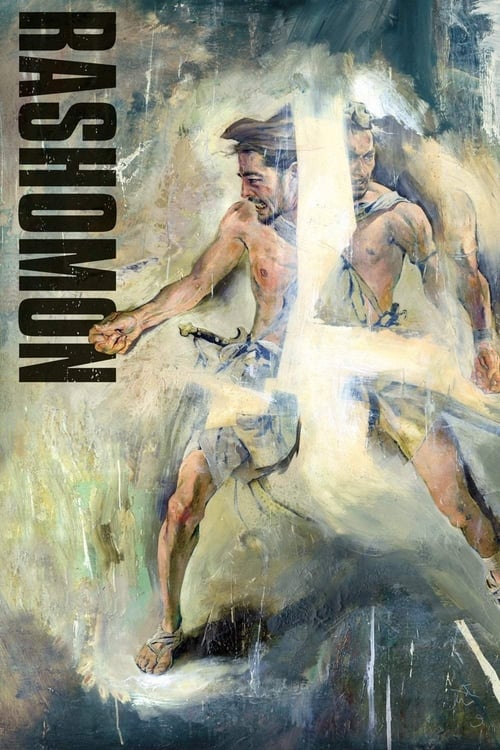
9. Rashomon
Akira Kurosawa’s groundbreaking film introduced a narrative device that would echo through cinema for decades: multiple, contradictory perspectives on a single event. Through this innovative structure, Kurosawa provocatively questioned the nature of truth, memory, and subjective reality. The film’s profound philosophical inquiry, combined with its stark visual storytelling, pushed the boundaries of cinematic narration, forcing audiences to actively engage with the reliability of what they witnessed.
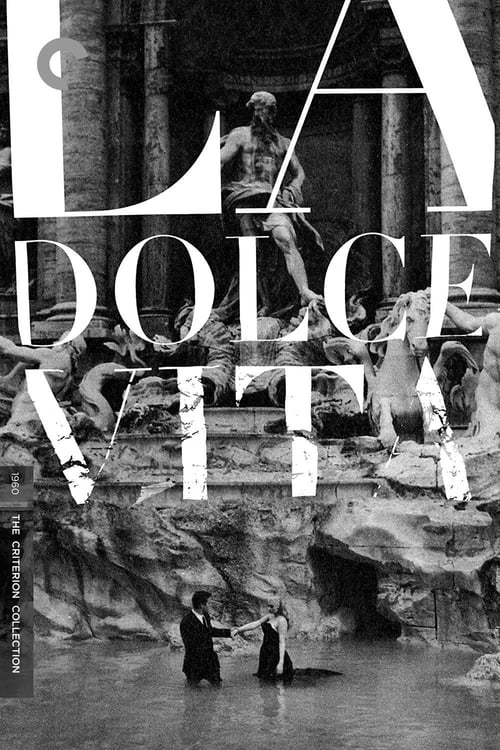
10. La Dolce Vita
Federico Fellini’s sprawling panorama of Roman high society captures a moment of opulent decay and existential ennui. Marcello Mastroianni’s jaded journalist navigates a world of celebrity, excess, and spiritual emptiness, immortalizing the term "paparazzi." Fellini’s baroque visual style and episodic structure created a poignant, bittersweet critique of modern alienation and the search for meaning amidst superficiality, a lavish yet melancholic reflection on a changing world.

11. Stalker
Andrei Tarkovsky’s meditative science fiction epic is less about plot and more about profound philosophical inquiry. Its slow, deliberate pacing and stunning, often bleak, cinematography guide viewers through a mysterious, forbidden "Zone" where desires might be granted. Tarkovsky crafted a deeply spiritual journey, exploring faith, hope, and the human condition with unparalleled atmospheric density, demonstrating cinema’s capacity for transcendental contemplation and challenging traditional narrative conventions.
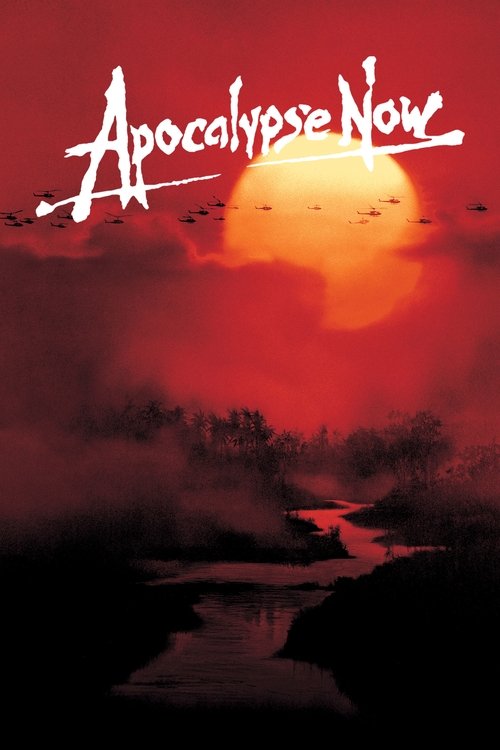
12. Apocalypse Now
Francis Ford Coppola’s hallucinatory descent into the madness of the Vietnam War is a visceral, unforgettable experience. Loosely adapting Conrad’s "Heart of Darkness," the film explores the psychological toll of conflict, the corruption of power, and the blurred lines between civilization and savagery. Its monumental scale, groundbreaking sound design, and daring visuals redefined the war genre, leaving an indelible mark on cinematic storytelling and audience perception of conflict.