


1. Parasite
Bong Joon-ho's masterful dissection of class disparity isn't just a film with a twist; it's a suffocating unveiling of societal rot. It forces us to confront uncomfortable truths about economic systems and the human cost of wealth inequality, echoing cinematic traditions of social realism while crafting something entirely unique. The genius lies in its ability to be both universally accessible and deeply specific in its critique.

2. American Beauty
Sam Mendes' directorial debut, fueled by Alan Ball's incisive script, peeled back the veneer of American suburban domesticity. It revealed the quiet desperation and hidden desires festering beneath manicured lawns and corporate smiles. The film's iconic imagery, particularly the rose petals, became shorthand for a profound yearning for beauty amidst existential ennui, challenging audiences to look beyond surface perfection.
3. Spotlight
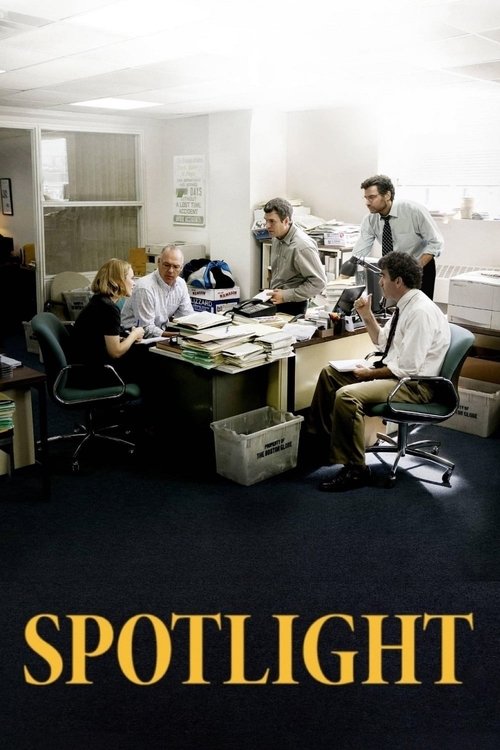
Thomas McCarthy's powerful, understated procedural meticulously detailed the journalistic process behind exposing systemic corruption within the Catholic Church. The film isn't merely about the shocking revelations of abuse, but also the pervasive complicity of institutions and communities. It prompted vital conversations about accountability and the enduring power of investigative reporting to ignite profound societal change.
4. The Truman Show
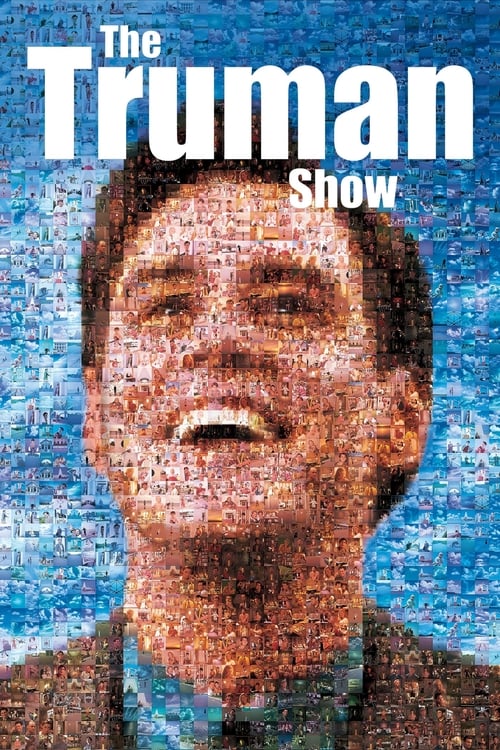
Peter Weir's profound meditation on reality, surveillance, and manufactured existence predated the social media age yet perfectly captured anxieties about authenticity. Truman's dawning realization that his entire life is a televised spectacle forces viewers to question their own perceived realities, blurring the lines between observer and observed in a deeply unsettling, prescient manner that resonates more strongly today.
5. Gone Girl
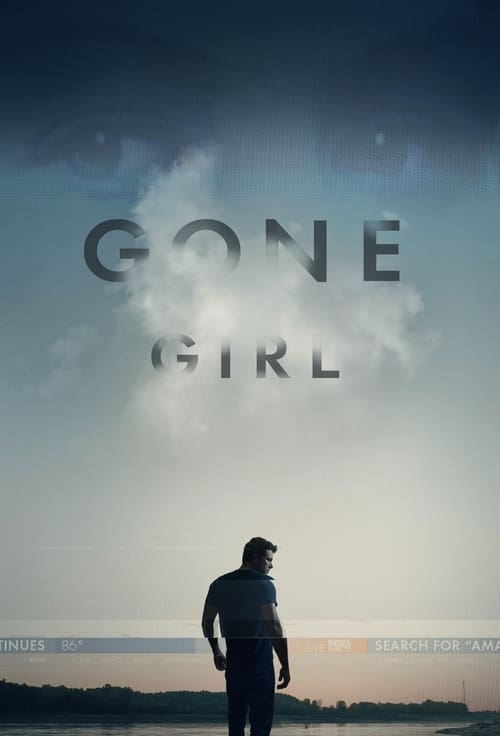
David Fincher's adaptation of Gillian Flynn's novel is a masterclass in psychological manipulation. Its central mystery unravels not just a crime, but a scathing indictment of marriage, media frenzy, and constructed identities. The film's shocking twists reveal the dark underbelly of domesticity and the performative nature of relationships, leaving an indelible mark on contemporary thriller cinema and sparking endless debate.

6. Eyes Wide Shut
Stanley Kubrick's final, enigmatic work is a dreamlike journey into the hidden desires and secret societies of the elite. The film slowly uncovers a world of ritualistic orgies and insidious power dynamics, reflecting a pervasive sense of unease about what truly operates behind closed doors. It's less about a singular plot twist and more about a gradual, disturbing immersion into a subconscious realm.

7. Fight Club
David Fincher's visceral adaptation exploded late-90s consumerism and male angst onto the screen. Its central revelation about Tyler Durden and the Narrator isn't just a clever narrative device; it's a profound statement on identity fragmentation and the psychological toll of modern life. The film became a cultural touchstone, prompting audiences to question societal structures and their own sense of self within them.
8. Get Out
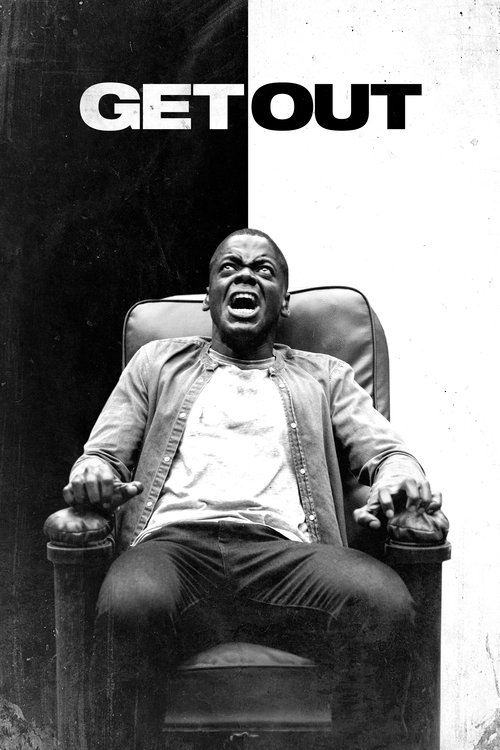
Jordan Peele's directorial debut ingeniously blended horror with biting social commentary. The film's reveal of the "Blythe" procedure and the true intentions of the Armitage family serves as a chilling metaphor for systemic racism and appropriation. Peele masterfully uses genre conventions to expose deeply uncomfortable truths about racial dynamics in America, cementing his status as a vital contemporary voice.
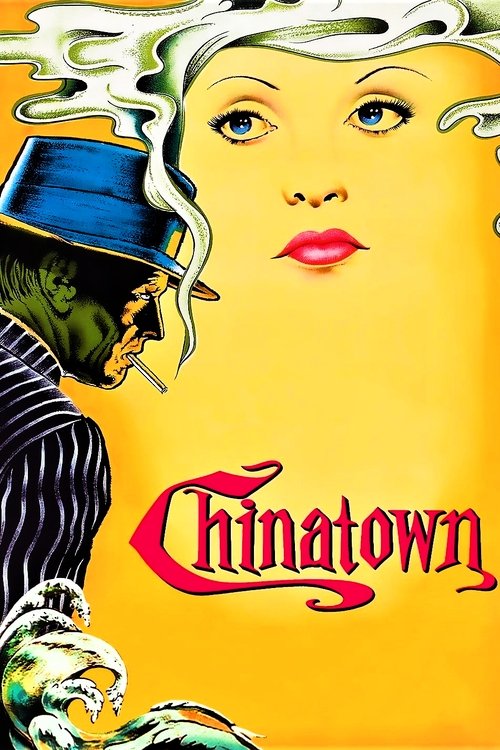
9. Chinatown
Roman Polanski's neo-noir masterpiece is a labyrinthine tale of corruption and moral decay. The film's final, devastating revelation about Evelyn Mulwray's parentage and the extent of Noah Cross's depravity is perhaps one of the most shocking in cinematic history. It cements a pervasive sense of powerlessness against an entrenched, amoral system, echoing classic noir themes of fate and inevitable tragedy.

10. The Social Network
David Fincher's incisive look at the origins of Facebook, penned by Aaron Sorkin, isn't driven by a conventional "twist." Instead, the film's revelation lies in its unflinching portrayal of Mark Zuckerberg's relentless ambition and the personal costs of digital innovation. It subtly exposes the complex, often morally ambiguous genesis of a platform that fundamentally reshaped global communication, reflecting on connection and isolation.
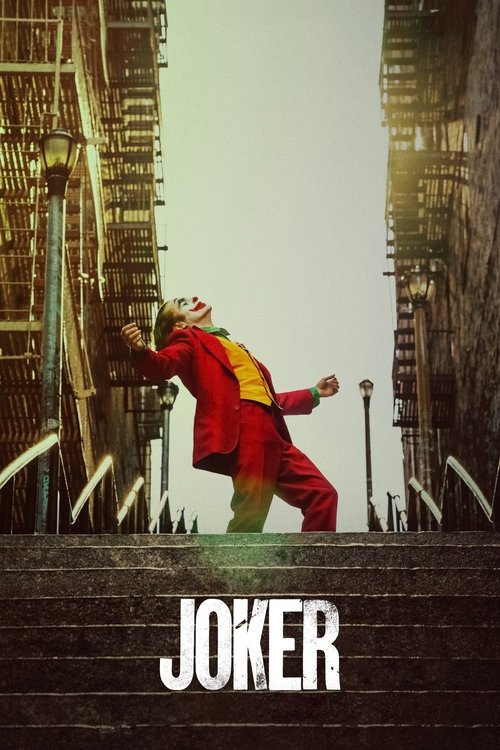
11. Joker
Todd Phillips' character study of Arthur Fleck polarized audiences but undeniably provoked profound discussion. The film's shifting perception of reality, particularly concerning Arthur's relationships and mental state, forces viewers to question the veracity of what they're seeing. It's a revelation not of plot, but of perspective, highlighting the fragility of truth and the societal factors contributing to profound alienation.
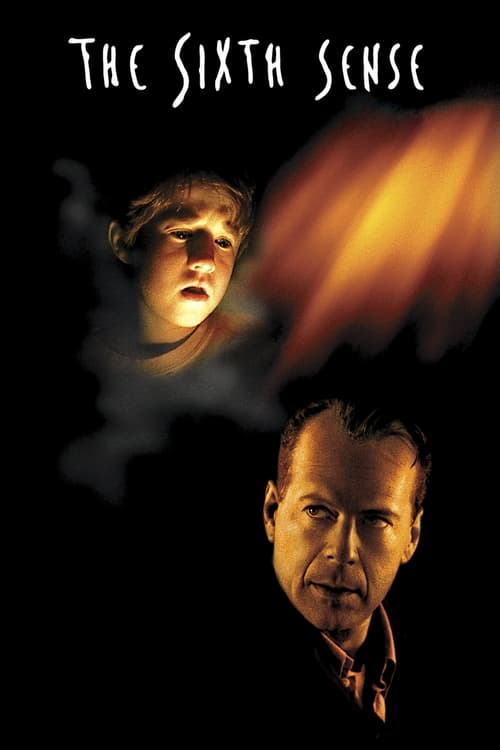
12. The Sixth Sense
M. Night Shyamalan's breakout hit is famous for its indelible final twist. The revelation about Malcolm Crowe's true state wasn't just a clever narrative trick; it redefined the entire film upon rewatch, transforming initial perceptions and solidifying Shyamalan's early reputation as a master of suspense. It became a benchmark for cinematic reveals, influencing countless subsequent thrillers.