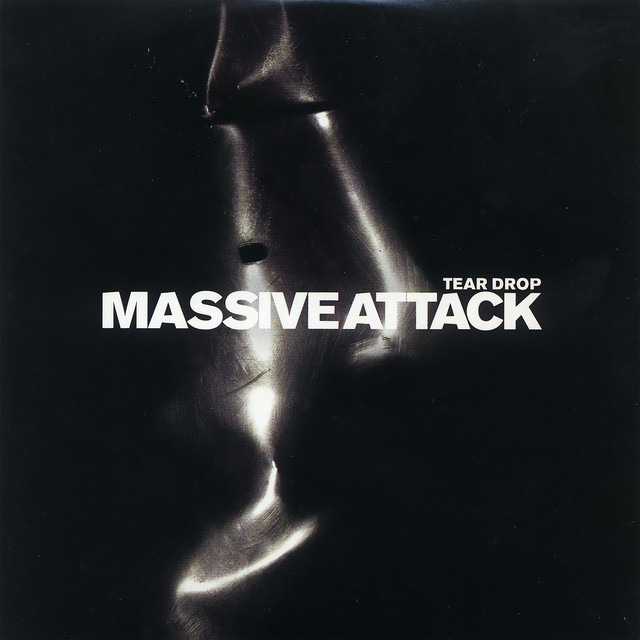
1. Teardrop
When this dropped, it felt like the air itself shifted, dense and electric. Shara Nelson's voice, that heartbeat bassline, the whole atmosphere was just *other*. Trip-hop was already a thing, but "Teardrop" wasn't just genre-defining; it carved out its own universe. It was the sound of a digital soul baring itself, moody and deeply human, yet utterly alien. You heard it and knew music wasn't going back to simple rock hooks anytime soon. Pure, unadulterated future.

2. Bitter Sweet Symphony (Remix)
Even if this remix never really existed beyond the original’s monumental presence, the sheer ambition of "Bitter Sweet Symphony" certainly felt like a future loading. That orchestral loop, Richard Ashcroft’s swagger – it was Britpop on an epic scale, shedding its pub-rock skin for something grander. It transcended simple rock, hinting at a sonic landscape where classical gravitas met street-level yearning. The future wasn't just electronic; it was this kind of widescreen, emotionally charged statement.
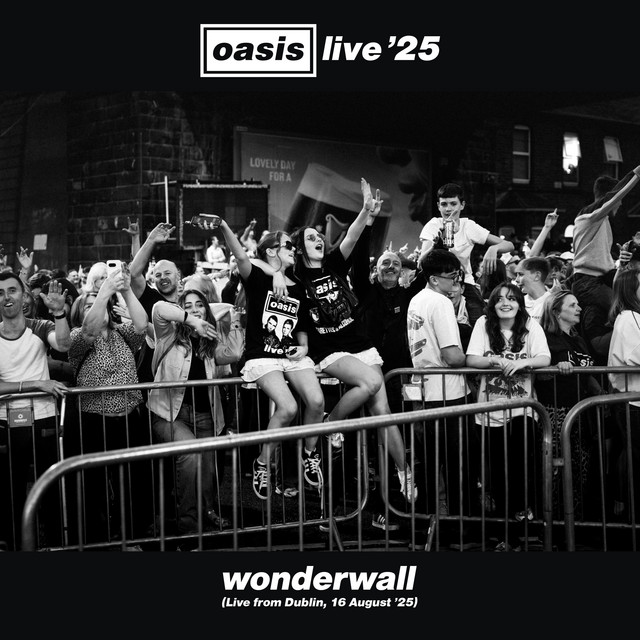
3. Wonderwall (Live from Dublin, 16 August '25)
A live recording from a future date? That’s the genius. "Wonderwall" already felt immortal, a ubiquitous anthem that somehow captured both desperation and hope. Imagining its persistence into 2025 speaks to its timeless, almost prophetic, resonance. It’s a track that, regardless of its original era, always felt like it was meant for *tomorrow*. It suggests some sounds are so fundamental they simply echo through any future, digital or otherwise, still loading their familiar, comforting melody.

4. Disarm
Corgan’s raw vulnerability, those aching strings, the chimes – "Disarm" was a gut punch disguised as an orchestral lament. It wasn't about sonic innovation in the electronic sense, but about pushing alternative rock’s emotional depth into new, cinematic territory. This track showed that the future of rock wasn't just loud guitars; it was the bravery to be utterly fragile, to build vast soundscapes around intimate pain. It made you feel everything, and that felt utterly revolutionary.

5. Breadcrumb Trail / Good Morning, Captain (Original Alternate “Dry” Mixes from 1990)
These "dry" mixes just amplify the stark, skeletal genius of Slint. Before "post-rock" was even a term, they were meticulously crafting tension and release, using silence as much as sound. "Breadcrumb Trail" and "Good Morning, Captain" were blueprints for a different kind of rock music – one that valued atmosphere, angular precision, and narrative over traditional song structures. It was a future where rock got smarter, weirder, and infinitely more compelling.
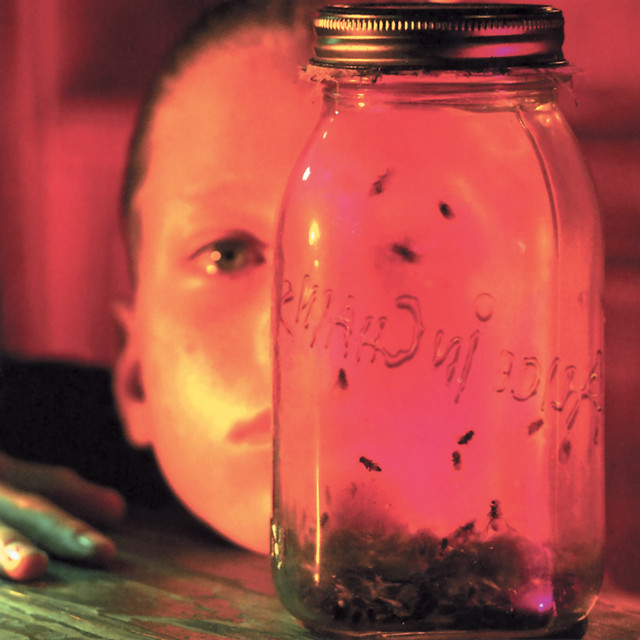
6. Jar Of Flies
This EP felt like a profound, acoustic exhale after the grunge explosion. It wasn't just "unplugged"; it was a masterclass in melancholic texture, showcasing Alice in Chains' songwriting depth beyond the distorted riffs. Every track on "Jar of Flies" conjured a specific, heavy atmosphere, proving that vulnerability could be just as impactful as aggression. It was the future loading a more introspective, nuanced kind of rock, raw and hauntingly beautiful.
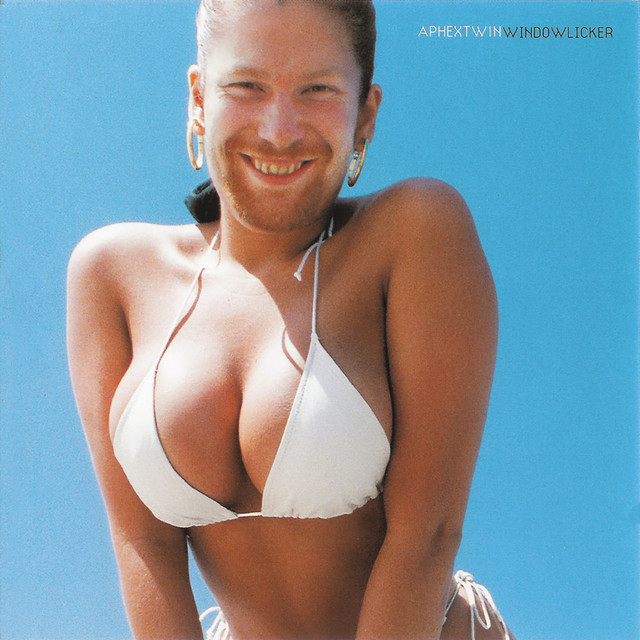
7. Windowlicker
Richard D. James didn't just make music; he downloaded sonic data directly from the future. "Windowlicker" was a glorious, unsettling assault of glitch, warped R&B vocals, and impossibly complex drum programming. It wasn't just experimental; it was a digital hallucination. This track wasn't just predicting the future of electronic music; it *was* the future, screaming its hyper-speed, beautiful chaos right into your brain. Nothing sounded quite like it, then or now.
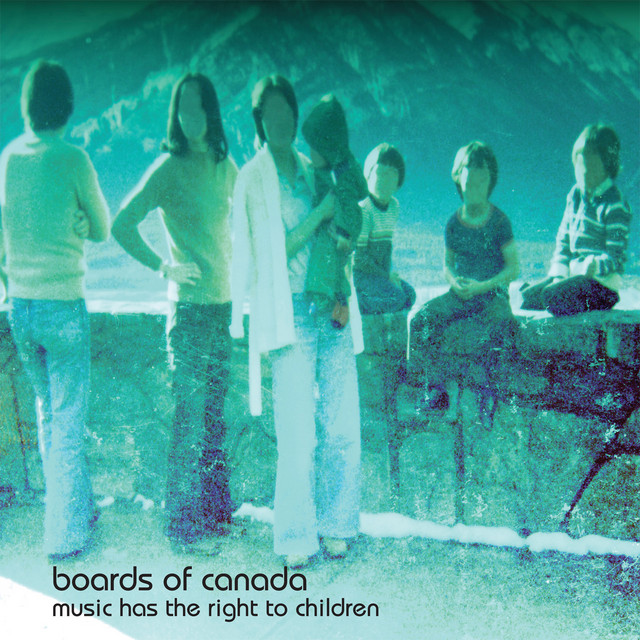
8. Music Has The Right To Children
This album was a warm, analog-drenched dream of futures past. Boards of Canada crafted an entire world from dusty samples, hazy synths, and half-remembered melodies. It felt like uncovering a lost children’s program from a parallel dimension, simultaneously nostalgic and utterly groundbreaking. "Music Has The Right To Children" wasn't just IDM; it was ambient storytelling, creating emotional landscapes that felt both deeply personal and universally resonant. The future, but as a comforting, slightly melancholic memory.
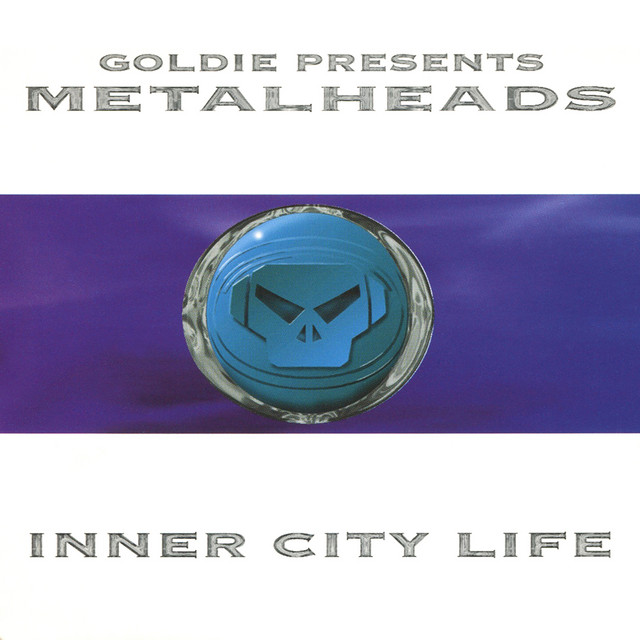
9. Inner City Life
When "Inner City Life" hit, it ripped through everything. Goldie’s masterpiece was more than just drum & bass; it was a symphony of urban angst and soaring hope. Diane Charlemagne’s vocals soared over those frantic, intricate breakbeats, creating something both brutal and beautiful. It showed that electronic music could carry profound emotional weight, not just provide a beat. This wasn't background noise; it was the future’s pulse, raw and undeniable.
10. Golden Brown
Okay, so it’s from the early '80s, but "Golden Brown" felt like a timeless anomaly that resonated deeply through the digital explosion era. Its harpsichord-driven, waltz-time melancholy and jazzy undertones were so distinct, so elegant, it always sounded ahead of its time. It was a quirky, sophisticated precursor to the genre-bending openness that defined the 90s and 00s, proving that true originality always feels perpetually fresh, perpetually *future*.
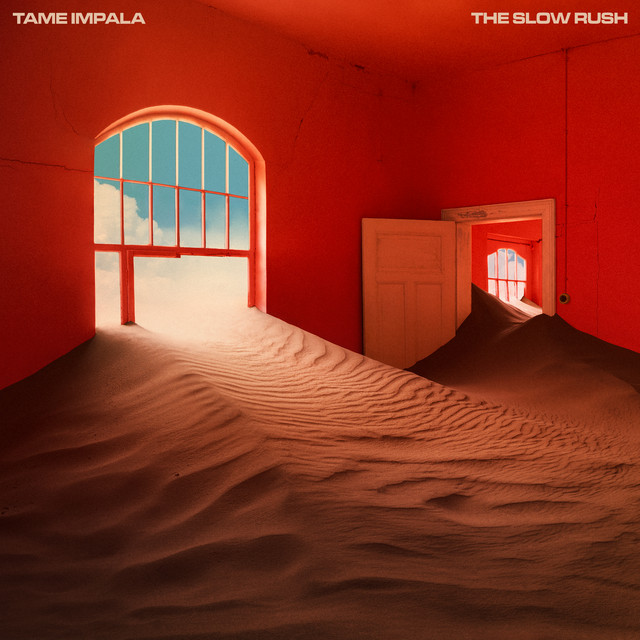
11. The Slow Rush
Alright, so this album technically landed later, but "The Slow Rush" perfectly encapsulates how the future kept loading, building on the psychedelic, synth-drenched groundwork of the digital explosion era. Kevin Parker’s meticulous layering, those swirling textures, and his signature hazy vocals felt like a direct continuation of that forward-thinking spirit. It’s a masterclass in modern psych-pop that still sounds utterly fresh, proving the future keeps arriving, one shimmering synth wave at a time.

12. Untitled 3
Often known as "Samskeyti," this track from `( )` wasn't just music; it was an experience. Sigur Rós crafted breathtaking, glacial soundscapes that felt utterly otherworldly, sung in their invented "Hopelandic." It stripped away traditional song structures, opting for pure, soaring emotion and vast, atmospheric builds. This was the future of post-rock taken to its most ethereal extreme, proving that instrumental music could convey more raw feeling than any lyric.