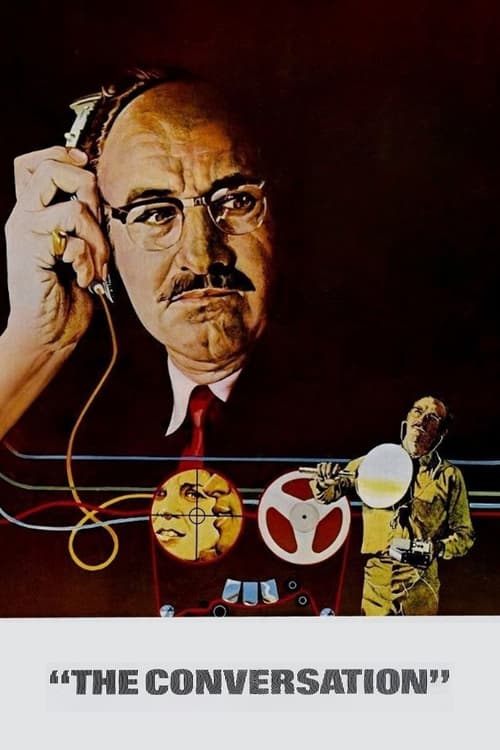
1. The Conversation
Francis Ford Coppola's masterful study of surveillance and paranoia, born in the unsettling wake of Watergate. Gene Hackman's Harry Caul, a surveillance expert, descends into a moral and psychological abyss, grappling with the ethical implications of his work. The film's meticulous sound design and deliberate pacing create an unbearable tension, a chilling reflection on privacy and the unseen eyes and ears that permeate modern life. Its resonance only deepens with time.
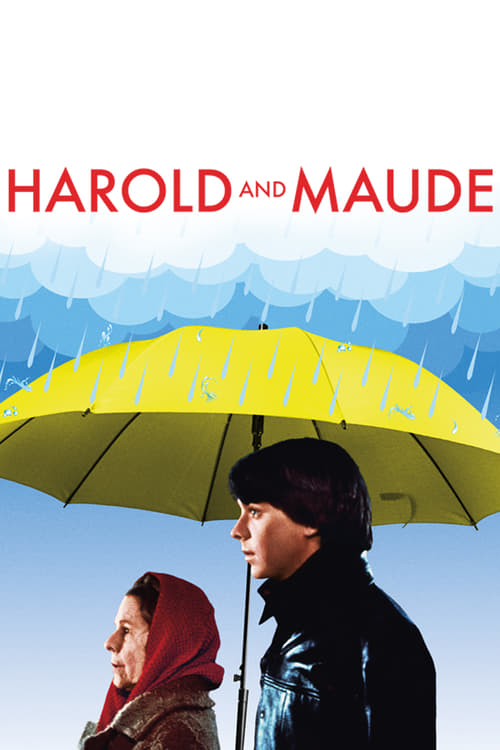
2. Harold and Maude
Hal Ashby’s singular black comedy, a subversive romance between a death-obsessed young man and a life-affirming octogenarian. It defied conventional storytelling, lampooning societal expectations of love, death, and conformity with an anarchic spirit. Ruth Gordon and Bud Cort create an unforgettable, tender, and hilariously morbid duo, teaching us that true connection often blossoms in the most unexpected and unconventional corners. This film remains an enduring, quirky classic.
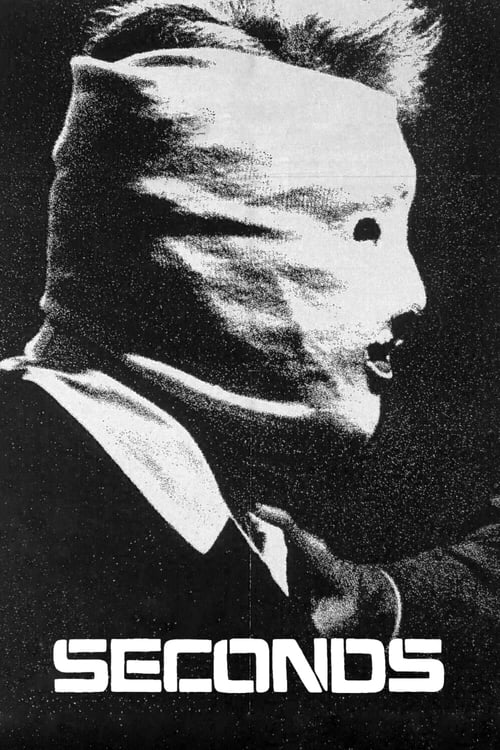
3. Seconds
John Frankenheimer’s unsettling science-fiction horror, a chilling exploration of identity, desire, and the terrifying prospect of a second chance. A middle-aged banker, disillusioned with his life, undergoes a radical surgical procedure to assume a new identity. Rock Hudson, in a brave performance, embodies the existential dread of losing oneself entirely, exposing the hollowness beneath manufactured perfection. It’s a prescient, nightmarish vision of consumerism and conformity.
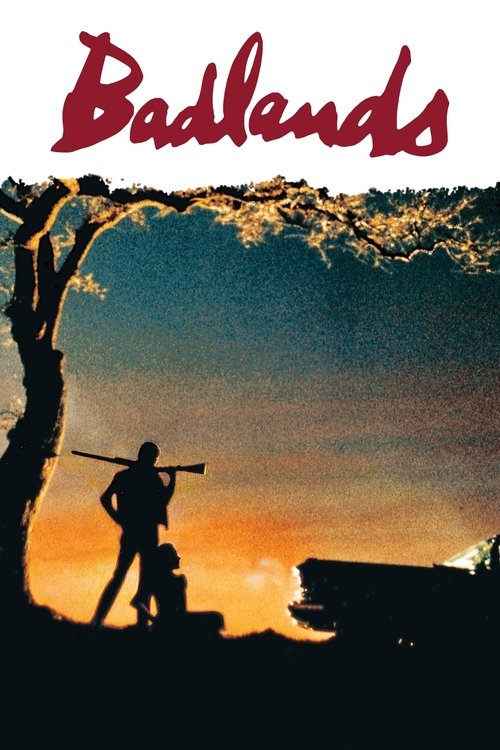
4. Badlands
Terrence Malick's haunting debut, an elegiac yet brutal meditation on crime, youth, and the American landscape. Sissy Spacek and Martin Sheen portray a young couple on a murder spree, their detachment from violence rendered with poetic, almost dreamlike indifference. Malick’s distinctive visual style and sparse dialogue imbue their destructive journey with a strange, melancholic beauty, presenting a morally ambiguous reflection on the allure of infamy.

5. Withnail & I
Bruce Robinson’s exquisitely quotable and profoundly melancholic black comedy, a portrait of two unemployed, alcoholic actors navigating the squalor of late 1960s London and the Lake District. Richard E. Grant and Paul McGann deliver career-defining performances, their wit as sharp as their desperation. It’s a cult phenomenon, a bleakly hilarious exploration of friendship, failure, and the cruel inevitability of growing up.
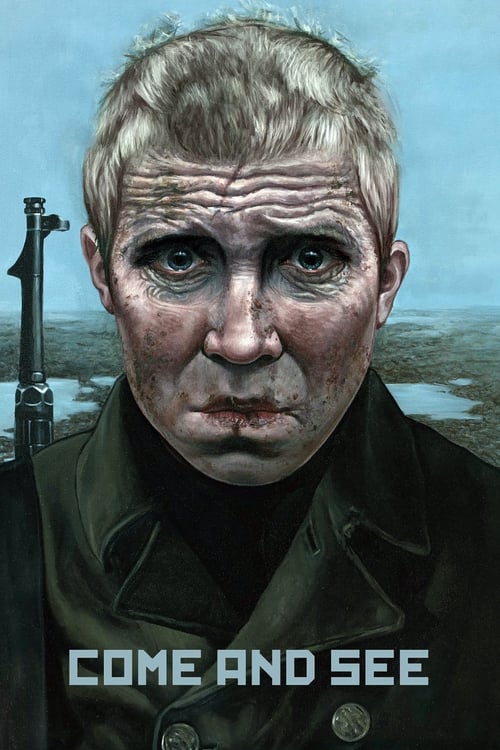
6. Come and See
Elem Klimov's harrowing, unflinching depiction of World War II through the eyes of a Belarusian boy. This is not a war film of heroism, but of pure, unadulterated terror and psychological devastation. The film meticulously crafts an atmosphere of surreal dread, showing the brutalization of innocence and the sheer barbarity of conflict. Its visceral imagery and relentless intensity leave an indelible, deeply disturbing mark on the viewer.
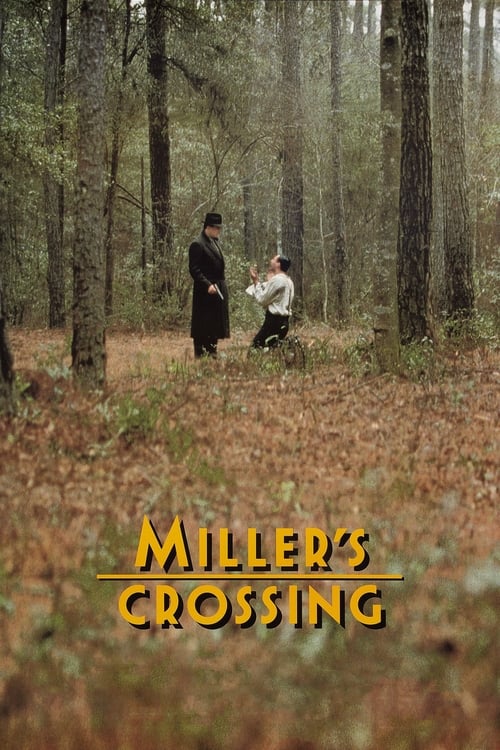
7. Miller's Crossing
The Coen Brothers’ impeccably stylized gangster film, a labyrinthine tale of loyalty, betrayal, and shifting allegiances in Prohibition-era America. Gabriel Byrne’s Tom Reagan navigates a treacherous underworld with sardonic wit and moral ambiguity, constantly playing both sides. Its intricate plot, memorable dialogue, and distinctive visual flair create a neo-noir masterpiece, a meticulously crafted homage to classic crime cinema.
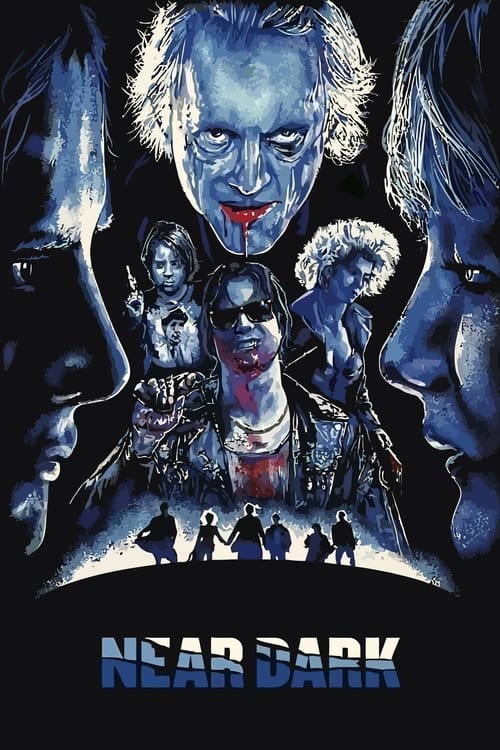
8. Near Dark
Kathryn Bigelow’s gritty, revisionist take on the vampire mythos, blending horror with the iconography of the American Western. This isn’t about aristocratic bloodsuckers but a nomadic, dysfunctional family of denim-clad predators existing on the fringes. The film’s raw energy, atmospheric cinematography, and practical effects deliver a visceral, often brutal, experience. It’s a seminal, influential work that redefined creature features with a punk rock sensibility.

9. Drugstore Cowboy
Gus Van Sant’s poignant and understated look at a quartet of drug addicts robbing pharmacies in the Pacific Northwest. Matt Dillon leads a compelling ensemble, portraying the existential ennui and fleeting camaraderie of life on the margins. Van Sant avoids moralizing, instead offering an empathetic, unvarnished glimpse into the cyclical nature of addiction and the desperate search for meaning in a self-destructive existence.
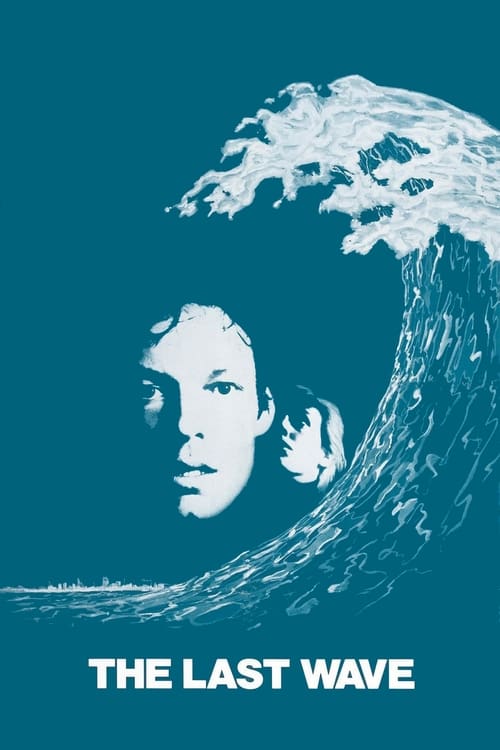
10. The Last Wave
Peter Weir’s atmospheric psychological thriller, steeped in Australian Aboriginal mysticism and an ominous sense of impending catastrophe. Richard Chamberlain plays a lawyer drawn into a murder case that unravels supernatural phenomena and ancient prophecies. The film masterfully builds a quiet, pervasive dread, blending cultural clash with environmental portent, suggesting humanity's fragile place within a larger, more powerful, and unknowable natural order.
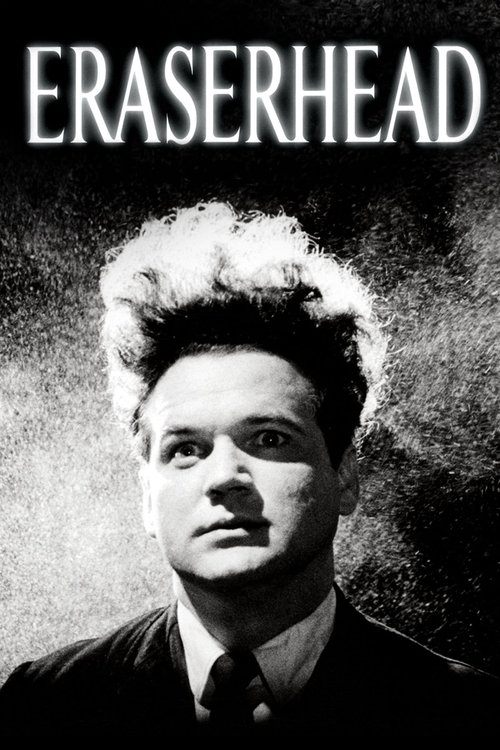
11. Eraserhead
David Lynch’s seminal debut feature, a monochrome descent into industrial decay, domestic anxiety, and surreal body horror. Jack Nance’s Henry Spencer navigates a nightmarish urban landscape, plagued by a grotesque, crying "baby." This deeply unsettling, dreamlike film explores themes of fatherhood, sexuality, and alienation with an audacious, disturbing visual language that instantly established Lynch as a unique cinematic visionary.

12. Blow Out
Brian De Palma’s electrifying neo-noir thriller, a virtuoso exercise in cinematic suspense and sound design. John Travolta plays a sound engineer who accidentally records evidence of a political assassination, plunging him into a dangerous conspiracy. A loving homage to Antonioni's *Blow-Up* and Coppola's *The Conversation*, De Palma orchestrates a meticulously crafted, intensely stylish narrative, showcasing his mastery of visual storytelling and Hitchcockian tension.