

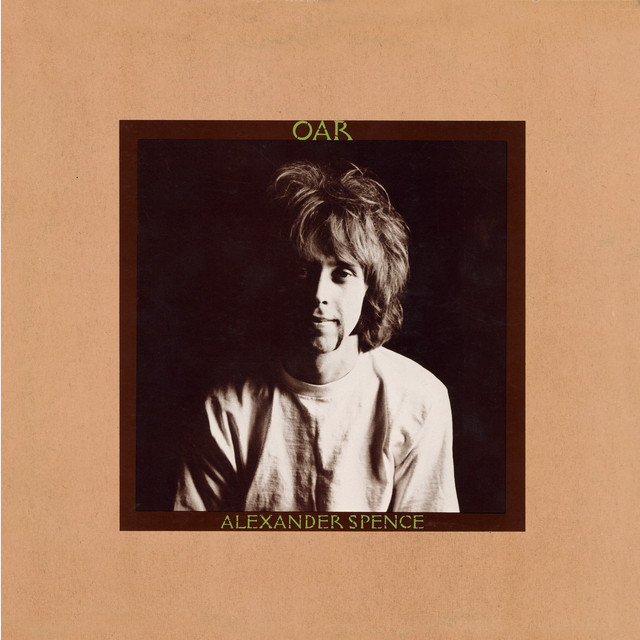
1. Oar
Skip Spence, fresh from Moby Grape, laid down this fractured psychedelic folk-rock masterpiece during a stint in Bellevue. It's a raw, unsettling intimacy, full of haunting melodies. The sparse arrangements and his unique vocal delivery make it a proto-lo-fi classic, more like a whispered confession than an album. It’s a stark, beautiful trip into a troubled mind that isn’t easy listening, but remains an essential deep cut for the true heads.
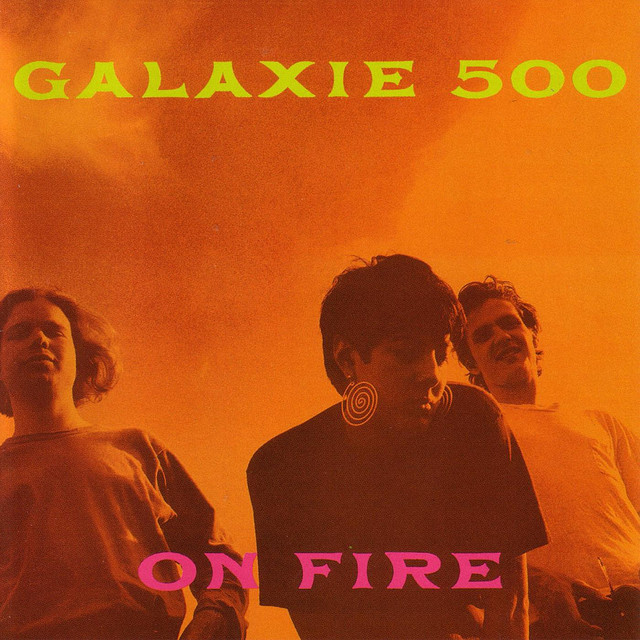
2. On Fire
This one’s pure melancholic drift, a slow-burn post-punk haze from Galaxie 500. Dean Wareham’s guitar lines just shimmer, almost barely there, while Naomi Yang’s bass holds down a quiet, insistent groove. It’s got that Velvets-meets-dream-pop vibe, a kind of elegant minimalism that’s just hypnotic. The drums are sparse, almost hesitant, but they build this deep atmospheric current. Perfect for a late-night unraveling, when the city lights start to blur.
3. Third
When the Canterbury scene really stretched out, man. This isn't your standard jazz-rock fusion; it's more like a sprawling, psychedelic beast from Soft Machine. Mike Ratledge's organ work is foundational, a swirling, sometimes frantic counterpoint to Robert Wyatt's intricate drumming. 'Facelift' alone is a journey, shifting from frantic bebop-inflected improvisation to spacious, almost ambient passages. It’s challenging, yet deeply rewarding, a testament to pushing boundaries in the early 70s.
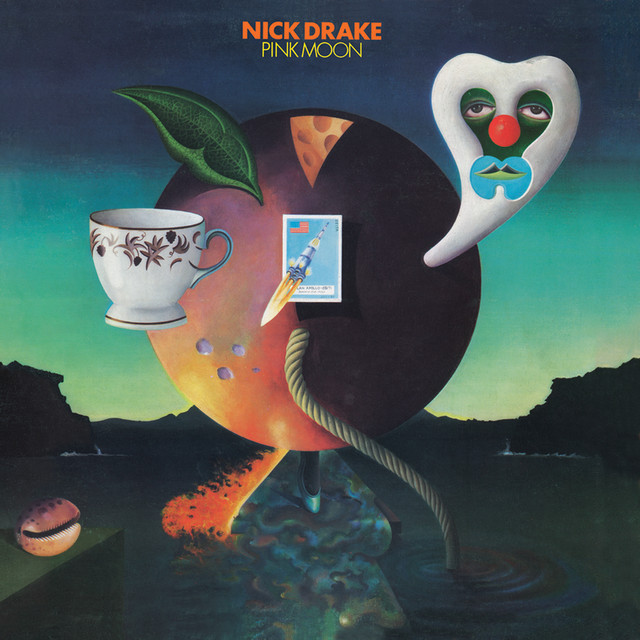
4. Pink Moon
Just Nick Drake and his acoustic guitar, maybe a whisper of piano on the title track. It’s stark, profoundly intimate, and utterly heartbreaking. This isn't folk music for singalongs; it's a deep dive into existential melancholy. His fingerpicking is precise, almost classical, but the vocal delivery is what gets you – understated, fragile, yet immensely powerful. It’s a record that feels like a shared secret, a quiet, devastating masterpiece of the early 70s.
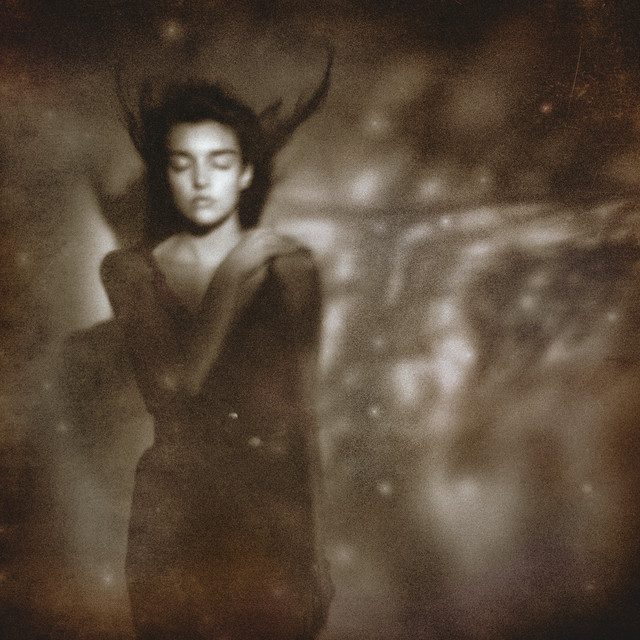
5. It'll End In Tears (Remastered)
Ivo Watts-Russell's visionary project, This Mortal Coil, a shifting collective of 4AD artists reimagining tracks. This remastered version shines a light on its ethereal beauty and gothic undertones. It’s a masterclass in atmospheric post-punk, using guest vocalists like Elizabeth Fraser to weave a tapestry of sorrow and beauty. The covers often transcend the originals, creating something hauntingly new, a pure sonic balm for dark moods when everything feels thin.
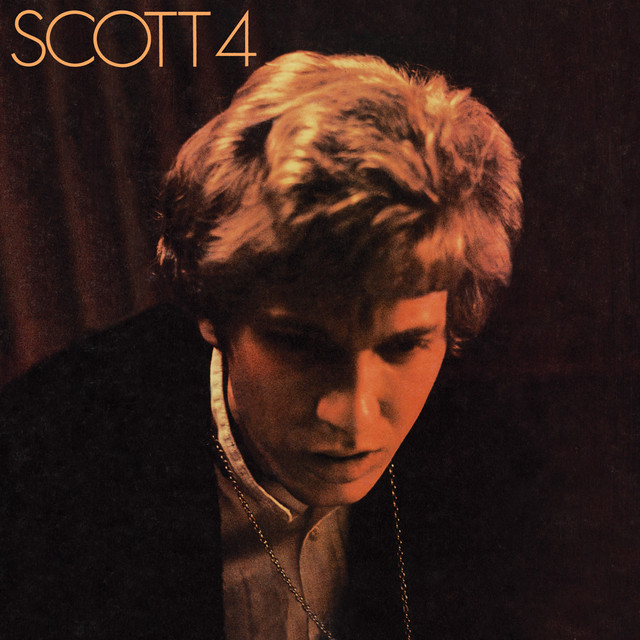
6. Scott 4
After the symphonic pop of his earlier work, Scott Walker dug deeper into a more personal, cinematic vision. This isn't easy listening; it's dense, orchestral, and lyrically complex, hinting at the challenging experimentalism to come. His baritone is commanding, weaving narratives of outsiders and lost souls over arrangements that blend sophisticated pop with classical flourishes. It's a brooding, ambitious statement, a vital bridge from the 60s crooner to the avant-garde provocateur.
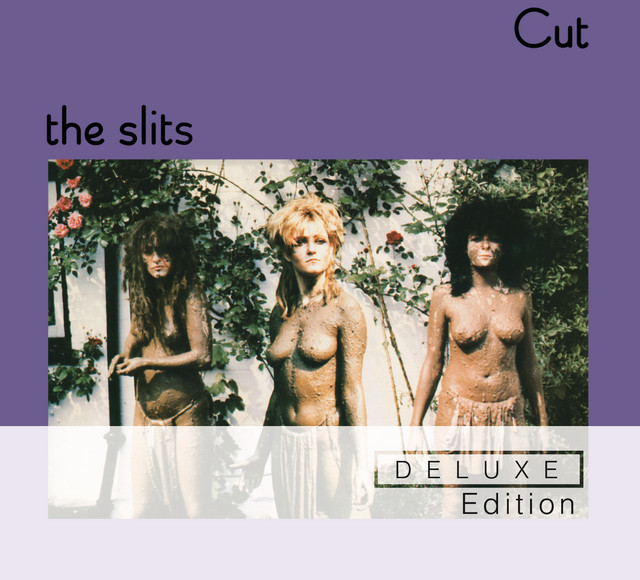
7. Cut (Deluxe Edition)
This is punk stripped bare and then re-stitched with reggae basslines and tribal rhythms. The Slits were pure rebellion, fierce and unapologetic. Ari Up’s vocals are primal, sometimes childlike, always confrontational. The 'Deluxe Edition' just underscores the raw power and inventive spirit of this late 70s landmark. It’s not about polished performance; it’s about attitude, freedom, and creating a sound that was genuinely new and challenging the established order.

8. Tago Mago (40th Anniversary Edition)
Can, man, they were on another plane. This 40th anniversary cut really lets the krautrock sprawl breathe. It’s an epic, psychedelic jam session fused with avant-garde electronic minimalism. Damo Suzuki's vocals are otherworldly, perfectly complementing the relentless, hypnotic grooves laid down by Jaki Liebezeit. It's a foundational text for experimental rock, a deep, trance-inducing trip that still sounds utterly revolutionary, a testament to pushing the boundaries of rhythm.
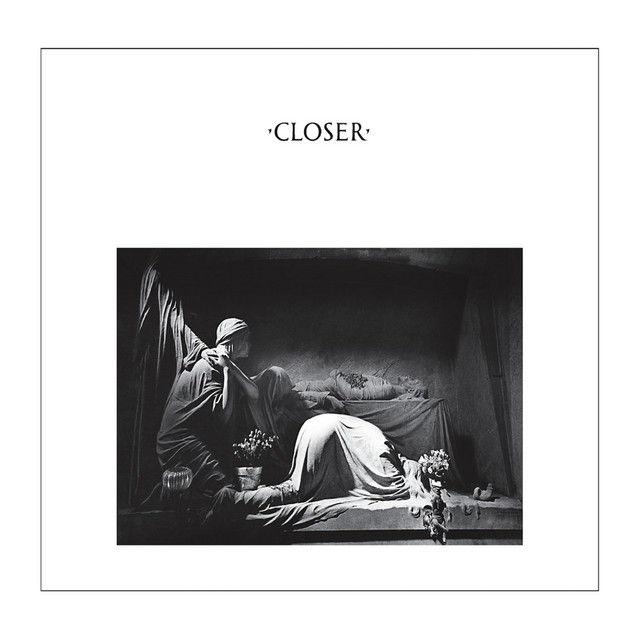
9. Closer (Collector's Edition)
The final, chilling statement from Joy Division. This 'Collector's Edition' emphasizes the stark, industrial precision of their sound, a bleak landscape of post-punk dread. Ian Curtis’s baritone cuts through the dense, almost metallic arrangements, delivering lyrics steeped in isolation and despair. It's a profoundly dark, beautiful album, a landmark of its era, capturing the claustrophobia and raw emotion that defined the band's tragic brilliance and lasting impact.
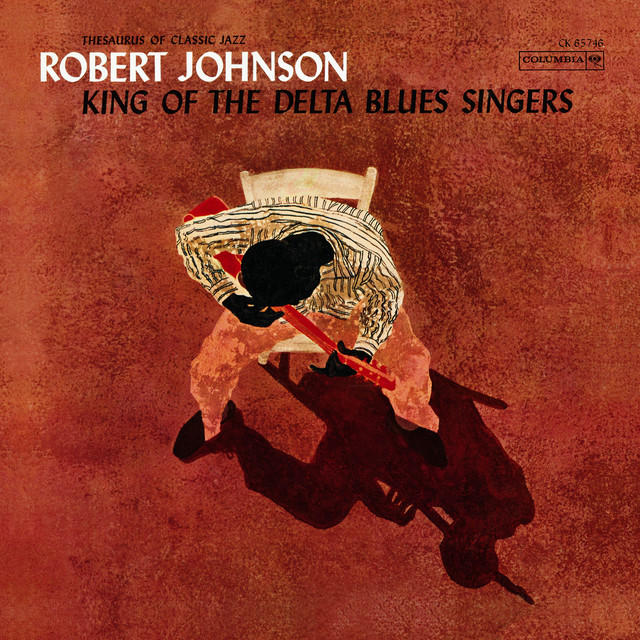
10. King Of The Delta Blues Singers
The foundational text, man. This isn't just music; it's a ghostly transmission from the deepest roots of American sound. Robert Johnson's guitar work is astonishingly complex for its time, weaving basslines and melodies with a raw, almost supernatural dexterity. His voice, haunting and expressive, tells tales of hardship, hellhounds, and redemption. It’s the raw, unvarnished blueprint for rock and roll, gospel, and soul. Absolutely essential listening.

11. Suicide (2019 - Remaster)
This 2019 remaster brings out the terrifying, minimalist brilliance of Suicide's proto-punk electronic masterpiece. Alan Vega's sneering, confrontational vocals over Martin Rev's stark, primitive drum machine and synth pulses. It’s brutal, hypnotic, and utterly groundbreaking. This isn't just punk; it's industrial, it's early electronic minimalism, a blueprint for so much that came after. A true sonic assault, still shocking, still vital for understanding the 70s underground.
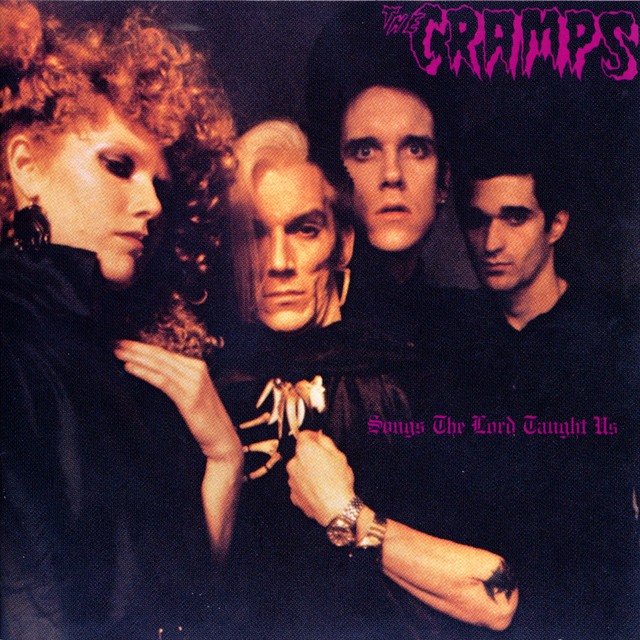
12. Songs The Lord Taught Us
Pure trashy, primal rock and roll. The Cramps dug deep into obscure 50s rockabilly and B-movie horror, then spit it back out with a sneer and a fuzz-drenched guitar. Lux Interior’s vocals are a wild, unhinged howl, perfectly matched by Poison Ivy Rorschach’s gritty, minimalist guitar attack. It’s a glorious mess, a celebration of the grotesque and the greasy, a foundational text for psychobilly and garage punk that still feels dangerous.