

1. Flashback
This track, in its most idealized form, encapsulates the shimmering synth arpeggios and driving four-on-the-floor rhythms that defined the era's emergent dance sound. It speaks to a fleeting moment, captured on magnetic tape, where analog synthesizers were pushed to their limits, crafting both melodic hooks and pulsating basslines. The production, warm yet precise, illustrates the meticulous craft of pre-digital sequencing. It's a sonic memory, indeed.
2. Birdland
Weather Report’s seminal fusion piece remains a masterclass in ensemble interplay and dynamic arrangement. Jaco Pastorius's fretless bass lines, a liquid counterpoint to Joe Zawinul's shimmering synth pads and Wayne Shorter's tenor saxophone, propelled this track into an entirely new sonic space. The meticulously layered production, a hallmark of the late '70s studio prowess, captures every nuance of its complex, yet undeniably groovy, structure. A true analog marvel.

3. Ashes
This track carries the unmistakable weight of post-punk's intellectual angst, a tapestry woven with stark guitar textures and a rhythmic foundation that feels both mechanical and deeply human. The vocals, often layered and distant, articulate a particular kind of urban desolation. Its production exemplifies the artful manipulation of space within the analog realm, using reverb and delay not as effects, but as integral components of its melancholic architecture.
4. Ace of Spades (Expanded Edition)
Motörhead's signature blitzkrieg embodies the raw, unadulterated power of early metal. Forget the "expanded edition" for a moment; the original's ferocious drive, Lemmy's gravel-throated bark, and the relentless, distorted bass are all that matter. This track, captured with a directness that belied its complex energy, became a blueprint for speed and aggression. It's a primal scream recorded on tape, full of untamed analog fury.

5. Blue Monday (Slowed)
New Order redefined electronic music with this lengthy, monolithic statement. The iconic LinnDrum pattern, cold and precise, laid the groundwork for countless imitators, while the arpeggiated sequencers and Bernard Sumner's detached vocals created an atmosphere both danceable and profoundly melancholic. Its revolutionary 12-inch format showcased the ambition of analog synthesis and early sampling technology, pushing the boundaries of what a single could be.
6. A Forest
The Cure's quintessential atmospheric piece masterfully crafts a sense of creeping dread and alluring mystery. Robert Smith's distinctive flanged guitar tone, swimming in rich analog delay, carves a path through the sparse, echoing soundscape. The relentless, driving bassline and stark drum patterns provide a hypnotic pulse, allowing the track's spatial qualities to unfold. It’s a testament to the power of careful arrangement within a limited sonic palette.
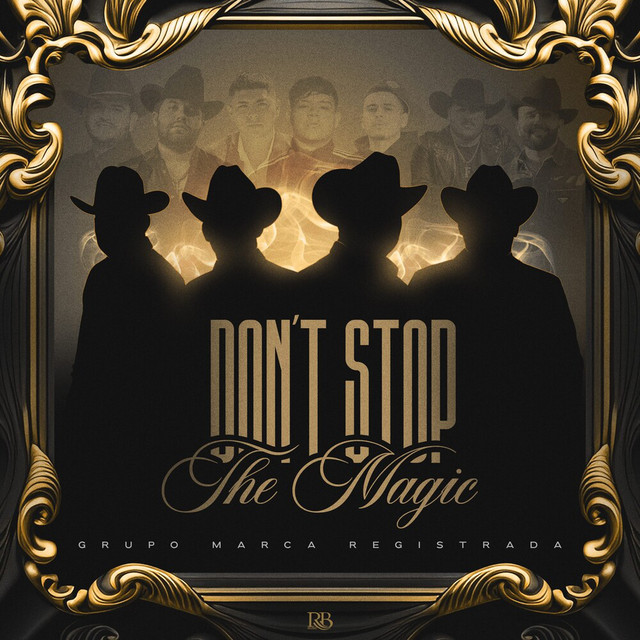
7. Don't Stop The Magic
This track, in its purest form, channels the exuberant energy of late-period disco and the burgeoning boogie scene. Its infectious bassline, often delivered by a warm analog synthesizer, couples with crisp drum machine patterns and soaring vocal harmonies, creating an undeniable floor-filler. The production emphasizes clarity and punch, designed to translate perfectly through club sound systems, capturing a very specific kind of euphoric analog groove.
8. Can You Feel It
Mr. Fingers’ "Can You Feel It" is a foundational text in the development of deep house and ambient music. Its sparse arrangement, built around a haunting, sustained chord progression from a Roland Juno-60 and a gentle, persistent drum machine rhythm, evokes a profound sense of introspection and spiritual warmth. This track proves the immense emotional resonance achievable with minimal analog instrumentation, a true masterclass in sonic restraint.

9. TOP ITALIAN TRADITIONAL SONGS
While my focus typically gravitates towards the synthetic and electrified, I acknowledge the enduring power of these acoustic forms. Such collections, representing centuries of folk heritage, stand as a stark contrast to the burgeoning electronic soundscapes of the late 20th century. They serve as a reminder of music's foundational elements – melody, narrative, and unamplified human expression – even as the analog studio pushed new frontiers.
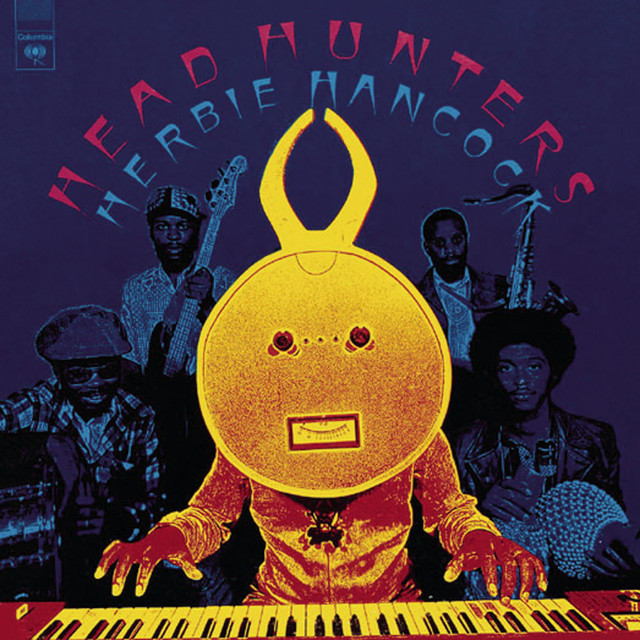
10. Head Hunters
Herbie Hancock's "Head Hunters" LP, specifically the title track, is a monumental work of funk-fusion. The iconic Hohner Clavinet riff, distorted and percussive, along with Paul Jackson's impossibly tight bassline, established a new paradigm for groove. Recorded with the warmth and punch characteristic of early '70s analog studios, it represents a peak in rhythmic complexity and instrumental virtuosity, inspiring countless funk and hip-hop artists.
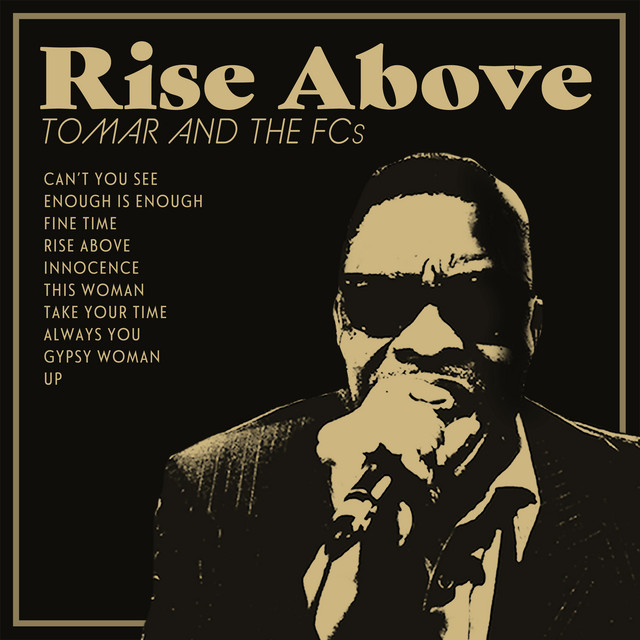
11. Rise Above
Black Flag's anthem is a raw, unyielding declaration of hardcore punk ethos. Greg Ginn's angular, often dissonant guitar work, paired with Henry Rollins's visceral, unvarnished vocals, delivers an urgent, confrontational message. The track's sparse, aggressive production, captured with minimal studio polish, amplifies its defiant energy. It’s a pure, unfiltered blast of analog aggression, a stark rejection of musical complacency.
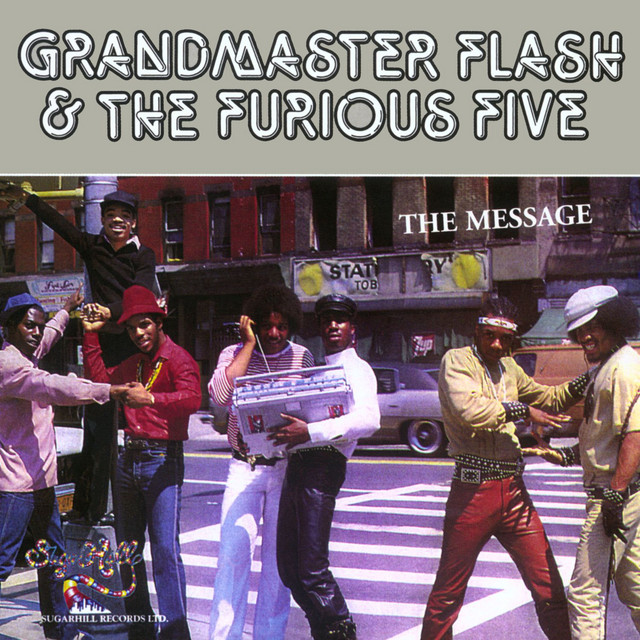
12. The Message
Grandmaster Flash & The Furious Five fundamentally shifted the landscape of popular music with this socio-political landmark. The stark, electro-funk drum machine beat, punctuated by sparse synth lines and inventive sound effects, provided the perfect backdrop for Melle Mel's gritty, poetic observations on urban decay. It transcended simple party rhymes, proving the power of a narrative-driven track, all meticulously crafted within the early analog hip-hop studio.