

1. Possession
Andrzej Żuławski's 1981 film is a visceral, unhinged exploration of divorce and identity. Isabelle Adjani's performance, particularly her infamous subway scene, remains a masterclass in raw, physical intensity, pushing the boundaries of psychological horror. It's less a narrative and more an experience, a descent into a marital inferno that leaves one questioning the very nature of human connection and monstrous creation. Its Cold War anxieties are palpable, adding another layer to its unsettling brilliance.
2. The Vanishing
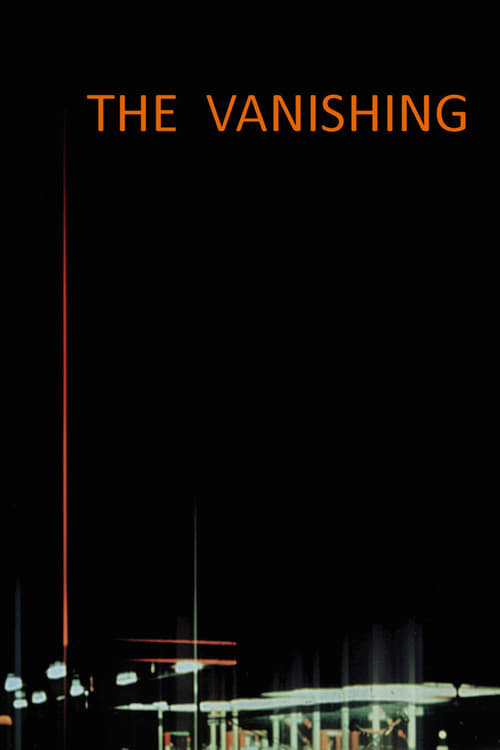
George Sluizer's original 1988 Dutch-French thriller builds an unbearable tension through its methodical unraveling of obsession. It’s a chilling psychological study, not reliant on jump scares but on the terrifying logic of its antagonist and the protagonist’s relentless, desperate search for answers. The film’s cold, calculated precision in depicting a man’s descent into a moral abyss for the sake of understanding a monstrous act is profoundly disturbing and unforgettable.
3. Performance
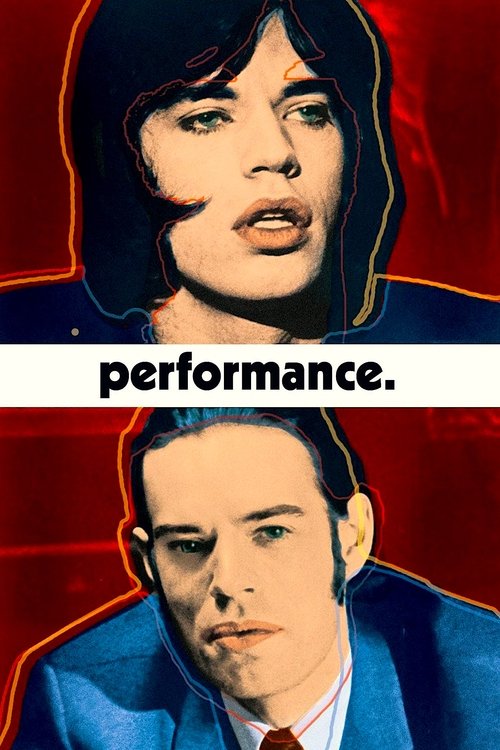
Donald Cammell and Nicolas Roeg's 1970 collaboration is a psychedelic, disorienting journey into identity dissolution within the counter-culture milieu of swinging London. James Fox's gangster and Mick Jagger's reclusive rock star blur boundaries, challenging notions of masculinity and self. The film’s non-linear structure and explicit themes of sexuality and violence were revolutionary, a hallucinatory reflection of a decade's end, and a potent, often misunderstood, cinematic experiment.
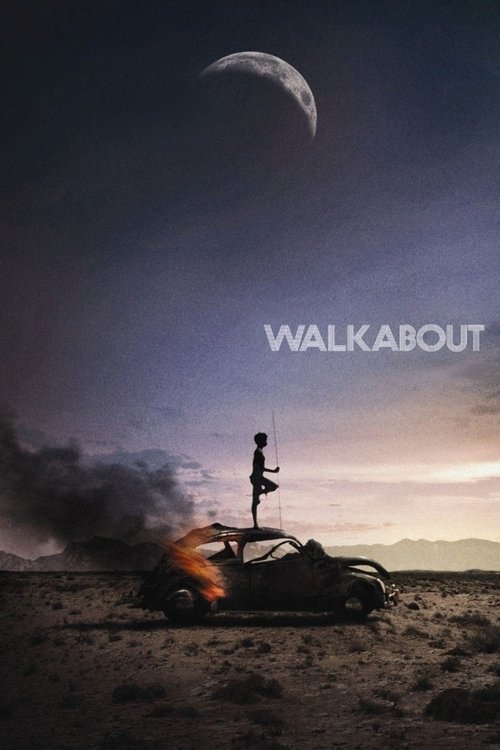
4. Walkabout
Nicolas Roeg’s 1971 film is a visually stunning, elegiac meditation on nature, civilization, and innocence lost. Two British schoolchildren, stranded in the Australian outback, encounter an Aboriginal boy on his "walkabout," leading to a poignant clash of cultures. Roeg’s ethnographic eye and poetic editing create a dreamlike narrative, highlighting the stark beauty of the landscape while subtly critiquing colonial perspectives and the destructive encroachment of modernity.
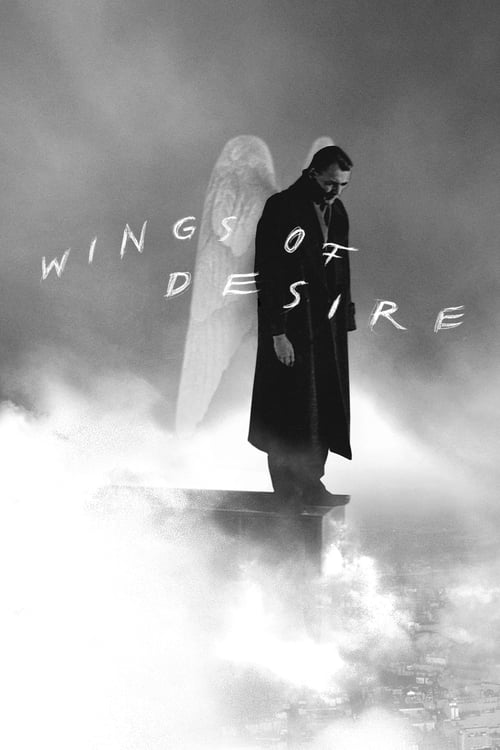
5. Wings of Desire
Wim Wenders’ 1987 masterpiece offers a unique perspective on human existence through the eyes of two angels observing Berlin. Shot in evocative black and white, occasionally bursting into color, it’s a profound rumination on empathy, isolation, and the simple joys and sorrows of being mortal. Bruno Ganz and Solveig Dommartin anchor this poetic, philosophical work, making the invisible tangible and celebrating the richness of everyday life.

6. My Dinner with Andre
Louis Malle’s 1981 film is essentially a two-hour conversation between Wallace Shawn and André Gregory, yet it’s utterly captivating. Their discussion, spanning life, art, society, and spirituality, is a masterclass in intellectual engagement and theatrical minimalism. It questions the nature of reality and the search for meaning, proving that cinema can be profound and deeply moving with nothing more than compelling dialogue and incisive performances.
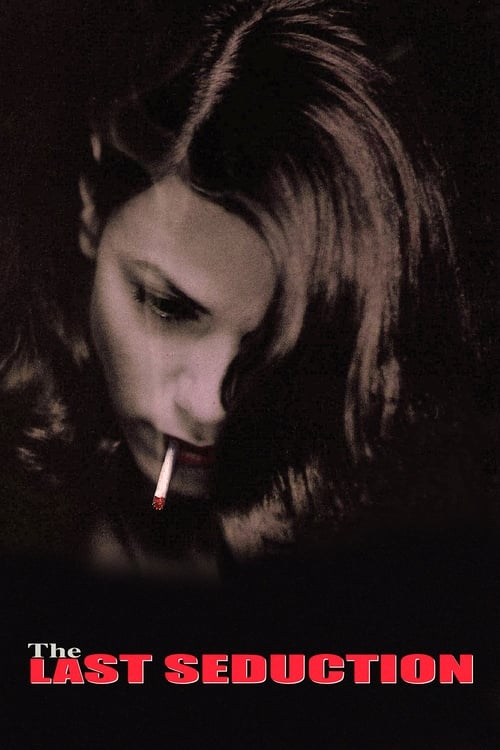
7. The Last Seduction
John Dahl’s 1994 neo-noir is a deliciously cynical character study, distinguished by Linda Fiorentino's iconic performance as Bridget Gregory. She's a femme fatale for the modern age: ruthless, intelligent, and utterly devoid of remorse, turning genre tropes on their head. The film revels in its moral ambiguity, offering a sharp, witty critique of masculinity and power dynamics, solidifying its place as a quintessential 90s thriller.
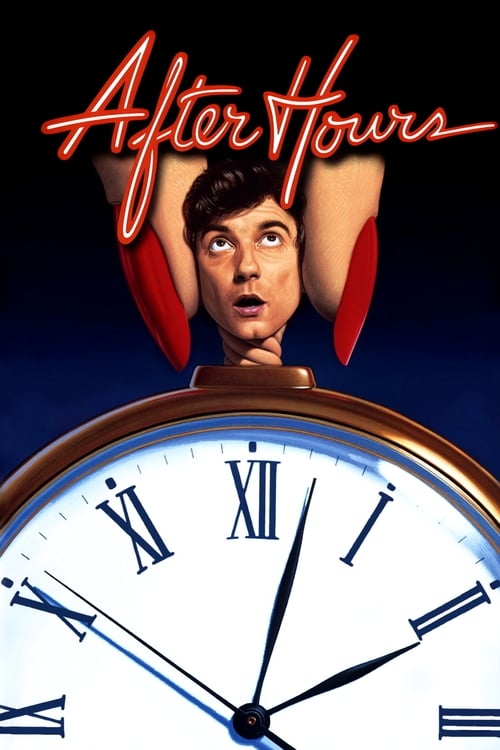
8. After Hours
Martin Scorsese’s 1985 dark comedy is a nightmarish odyssey through downtown Manhattan, a Kafkaesque descent into urban paranoia. Paul Hackett’s increasingly bizarre encounters after a failed date spiral into a surreal, claustrophobic ordeal. Scorsese masterfully crafts an atmosphere of escalating dread and absurd humor, capturing the existential terror of feeling utterly lost and helpless within a seemingly indifferent, chaotic metropolis.
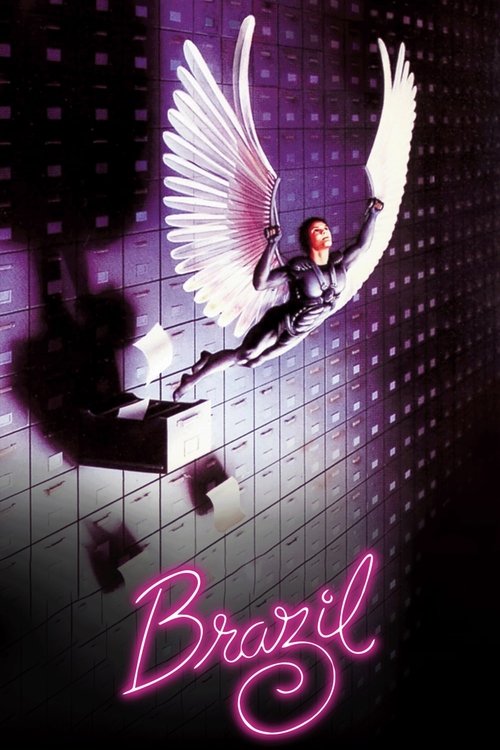
9. Brazil
Terry Gilliam’s 1985 dystopian satire is a visionary, darkly humorous critique of bureaucratic absurdity and authoritarianism. Sam Lowry's quest for a woman he's seen in his dreams unfolds in a retro-futuristic world of endless paperwork, crumbling infrastructure, and invasive surveillance. Gilliam's distinctive visual flair and keen social commentary create a sprawling, unforgettable nightmare, a prescient warning wrapped in surreal, baroque design.
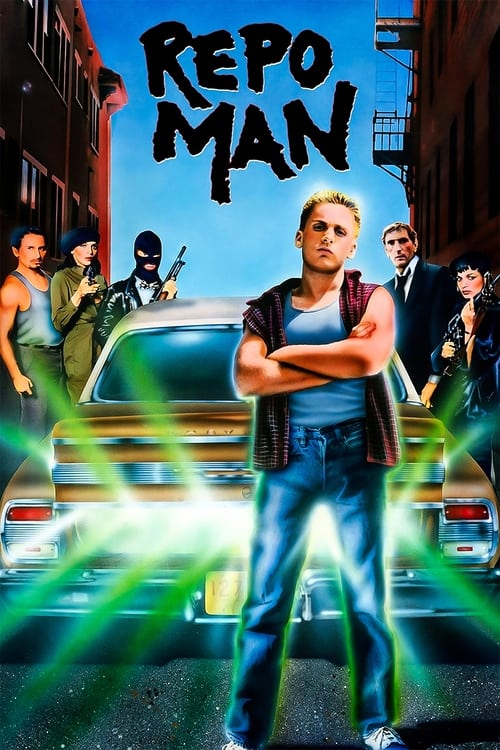
10. Repo Man
Alex Cox’s 1984 cult classic is a punk rock sci-fi comedy, an anarchic snapshot of Reagan-era alienation and conspiracy theories. Emilio Estevez's Otto joins a crew of eccentric repo men, stumbling into a bizarre plot involving a Chevy Malibu, aliens, and government agents. Its deadpan humor, memorable dialogue, and defiant anti-establishment spirit perfectly encapsulate the DIY ethos of 80s independent cinema.
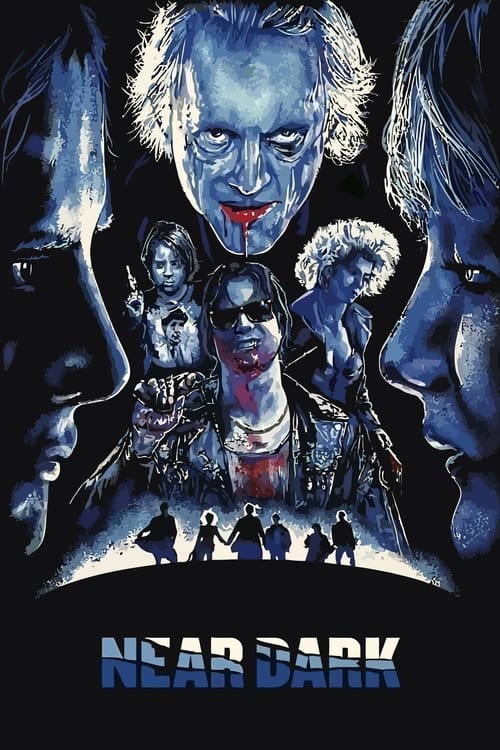
11. Near Dark
Kathryn Bigelow's 1987 vampire Western subverts genre expectations with its gritty, neo-realist approach. Eschewing traditional gothic tropes, it portrays vampires as nomadic, blue-collar outlaws, a terrifying found family roaming the American Southwest. Bigelow's direction imbues the film with a raw, kinetic energy and a palpable sense of danger, making it a pivotal, influential entry in the horror canon.
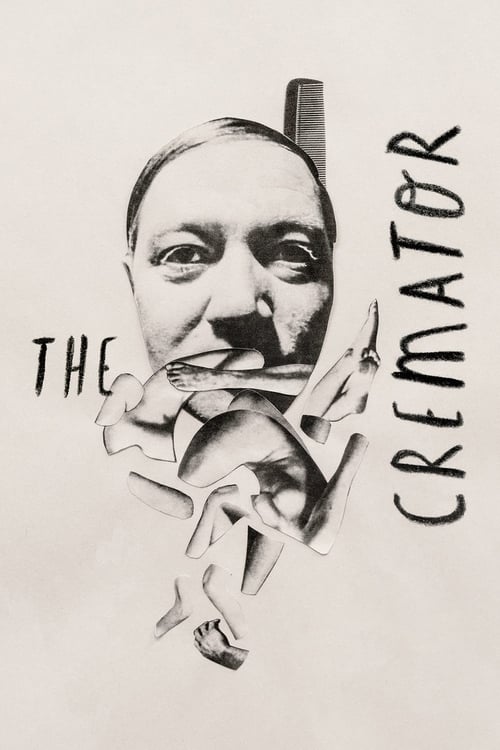
12. The Cremator
Juraj Herz’s 1969 Czechoslovak New Wave horror-comedy is a chilling, darkly ironic character study of a cremator who embraces fascism. Shot with surreal, expressionistic flourishes and a disorienting narrative structure, it delves into the psychological transformation of a seemingly ordinary man into a monstrous ideologue. Its unsettling blend of macabre humor and historical commentary makes it a uniquely disturbing and profound cinematic achievement.