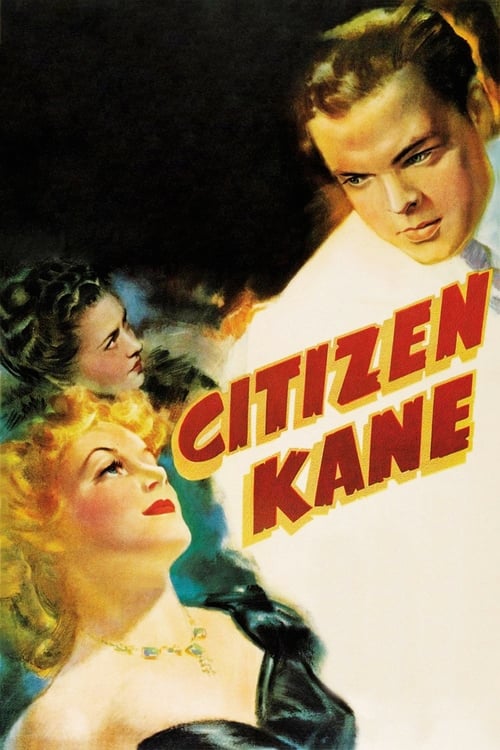
1. Citizen Kane
Orson Welles' debut remains a monumental achievement, a masterclass in narrative innovation and visual storytelling. It dissected the American dream, power, and the elusive nature of truth through revolutionary deep-focus cinematography and a non-linear structure. More than a film, it's a foundational text for understanding modern cinema, a testament to authorial vision that continues to shape our perception of character and memory.

2. Seven Samurai
Kurosawa’s epic is a profound study of duty, class, and the human condition against a backdrop of feudal Japan. Its influence on global cinema, particularly Westerns, is immeasurable, showcasing meticulous character development and dynamic action choreography. This film isn't just a thrilling adventure; it's a meditation on collective struggle and individual sacrifice, proving that heroism often resides in humble, shared endeavor.

3. Persona
Bergman's psychological drama is an intensely personal and intellectually demanding work. It probes identity, communication, and the porous boundaries between two women through stark, often unsettling imagery. A daring experiment in cinematic abstraction, *Persona* challenges viewers to confront existential anxieties and the very nature of performance and self. Its influence reverberates through art house cinema, a testament to its raw, unvarnished power.
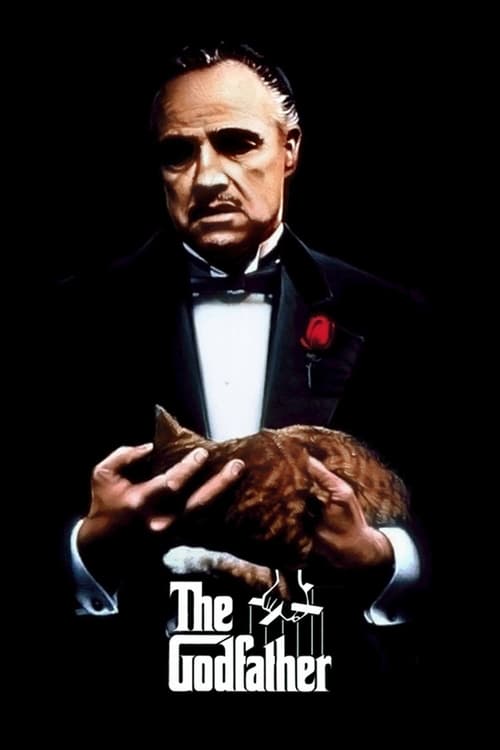
4. The Godfather
Coppola's magnum opus redefined the gangster genre, elevating it to Shakespearean tragedy. It explores themes of family, power, and the corruption of the American dream with a meticulous eye for detail and character. The film's rich texture and operatic scope, combined with iconic performances, created a cultural touchstone that continues to inform our understanding of morality within illicit power structures. It is peerless in its dramatic gravitas.
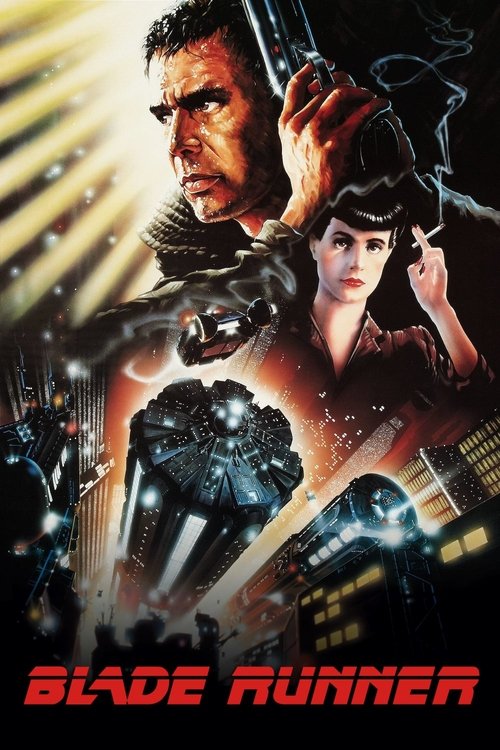
5. Blade Runner
Ridley Scott's neo-noir masterpiece birthed the cyberpunk aesthetic for a generation. Its rainy, neon-drenched Los Angeles, populated by replicants questioning their humanity, offered a prescient vision of technological alienation and corporate overreach. More than just science fiction, it's an existential meditation on what it means to be alive, influencing countless subsequent films and solidifying its place as a cornerstone of speculative cinema.
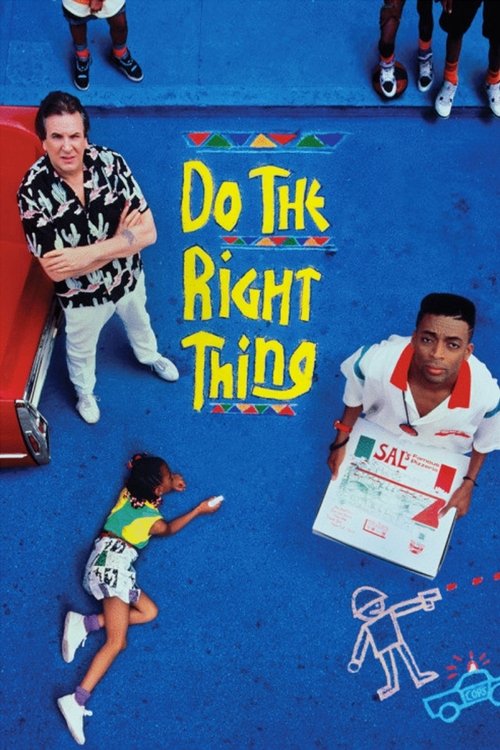
6. Do the Right Thing
Spike Lee’s potent exploration of racial tension in a Brooklyn neighborhood on the hottest day of summer remains as urgent and incendiary today as it was in 1989. It masterfully uses color, music, and dialogue to build an inescapable sense of escalating conflict, offering no easy answers but provoking vital, uncomfortable conversations about prejudice, anger, and community. A raw, essential piece of American social commentary.
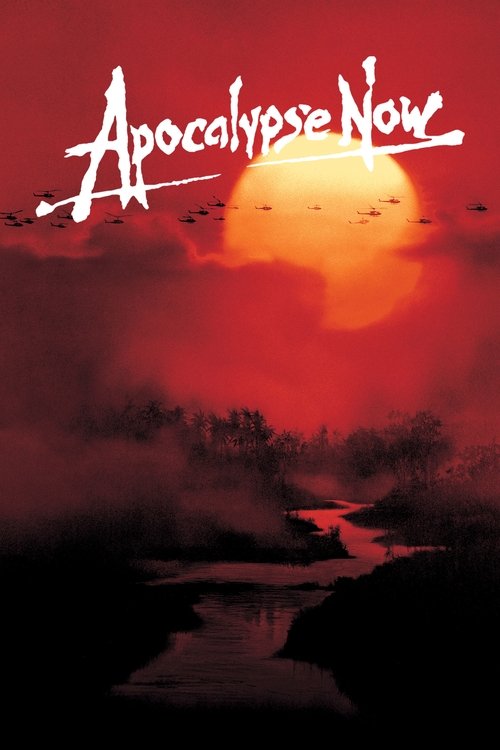
7. Apocalypse Now
Coppola's hallucinatory journey into the heart of darkness transcends the war genre, transforming Joseph Conrad’s novella into a searing indictment of colonial hubris and moral decay. The film’s epic scale, unsettling visuals, and unforgettable sound design plunge viewers into a psychological maelstrom. It’s a profound, disturbing reflection on the madness of conflict and the primal urges unleashed by unchecked power.
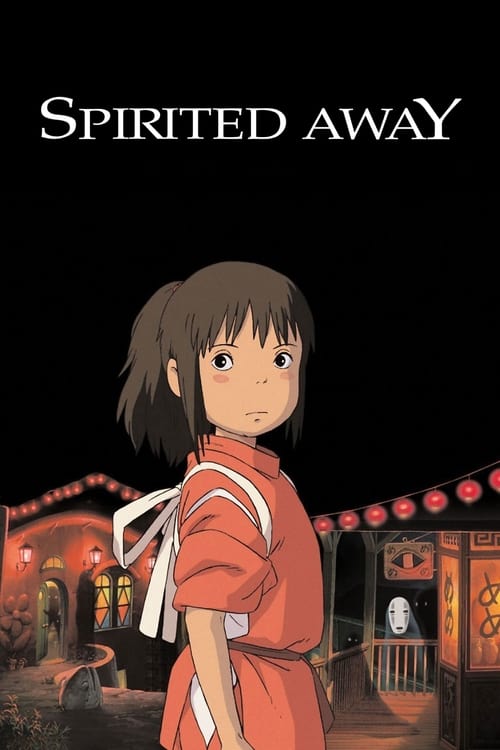
8. Spirited Away
Miyazaki’s animated epic is a wondrous, richly imagined odyssey into Japanese folklore and the anxieties of childhood. Its breathtaking visuals and intricate world-building create a universal tale of courage, identity, and environmental stewardship. Beyond its fantastical elements, the film offers gentle yet profound commentary on consumerism and tradition, cementing Studio Ghibli’s place as a purveyor of animated masterpieces for all ages.
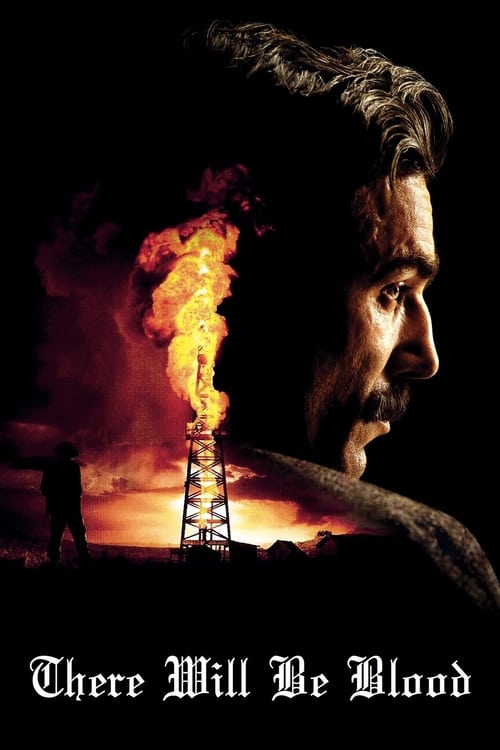
9. There Will Be Blood
Paul Thomas Anderson's epic tells a searing tale of ambition, greed, and spiritual desolation in early 20th-century California. Daniel Day-Lewis's transformative performance anchors a film of stark landscapes and chilling intensity. It's a brutal, uncompromising examination of capitalism's corrosive effects on the human soul, crafted with a meticulous eye for period detail and an unsettling, almost biblical sense of dread.
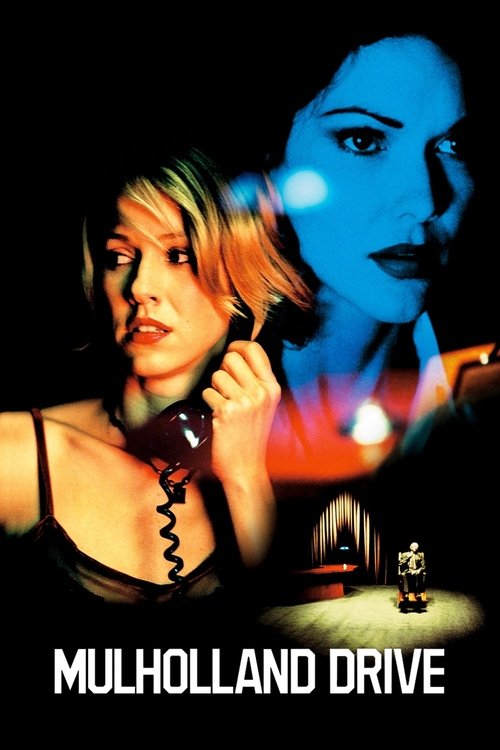
10. Mulholland Drive
David Lynch’s enigmatic neo-noir is a dream logic puzzle box, unraveling Hollywood's seductive illusions and dark underbelly. It weaves a fractured narrative of identity, desire, and shattered dreams, demanding active participation from its audience. A surreal and haunting exploration of memory and the subconscious, *Mulholland Drive* stands as a quintessential Lynchian experience, a labyrinthine journey into cinematic mystery.
11. Parasite
Bong Joon-ho’s masterful class satire is a thrilling, genre-bending exposé of economic disparity. It deftly shifts tones, moving from dark comedy to suspense to tragedy, all while dissecting the insidious nature of wealth inequality and the desperate measures it breeds. *Parasite* is a timely, incisive critique of modern society, proving that even within its specific Korean context, its themes resonate universally and powerfully.
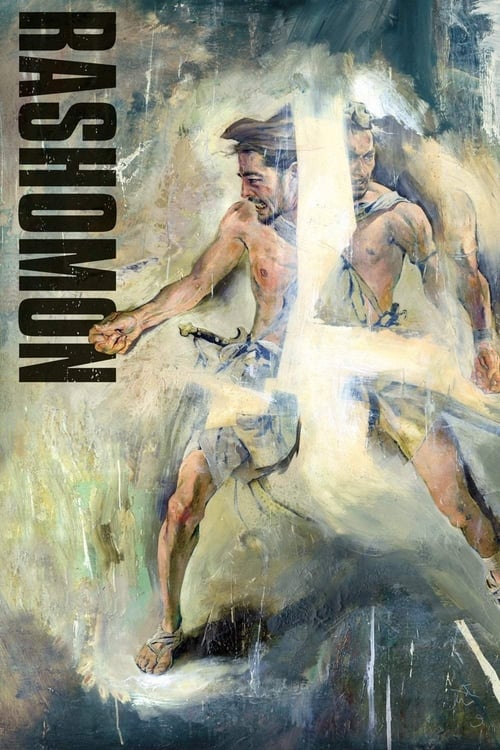
12. Rashomon
Kurosawa’s groundbreaking film introduced the 'Rashomon effect' to popular culture, a narrative device exploring the subjective nature of truth through conflicting testimonies. Its innovative structure and compelling performances challenged conventional storytelling, forcing audiences to question perspective and objective reality. This film remains a pivotal work, demonstrating cinema's power to dissect philosophical dilemmas with profound, lasting impact.