
1 / 12
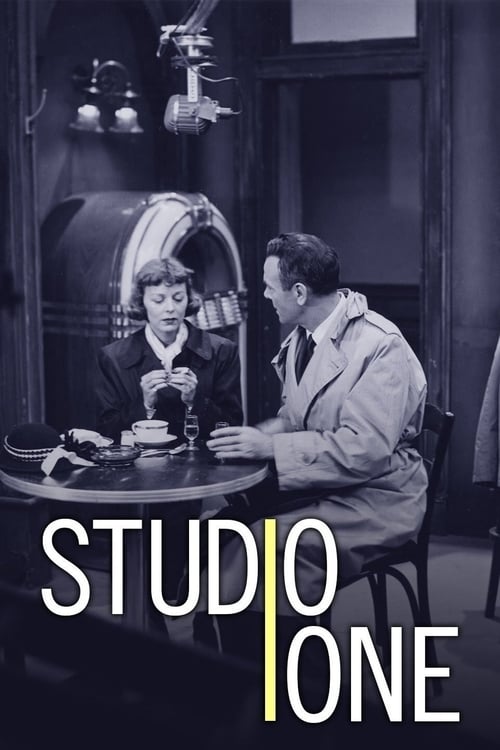
1. Studio One
Now, *Studio One*, that was television in its infancy, pure and unadulterated. Live, week after week, these folks put on full-length dramas right there in front of the cameras. You could feel the tension, the raw energy, with no retakes. Black and white, of course, with that wonderful kinescope glow if you catch the old prints. It was grand, ambitious storytelling, a real testament to what the tube could do even before it really knew what it was. A true pioneer, that one.
2 / 12
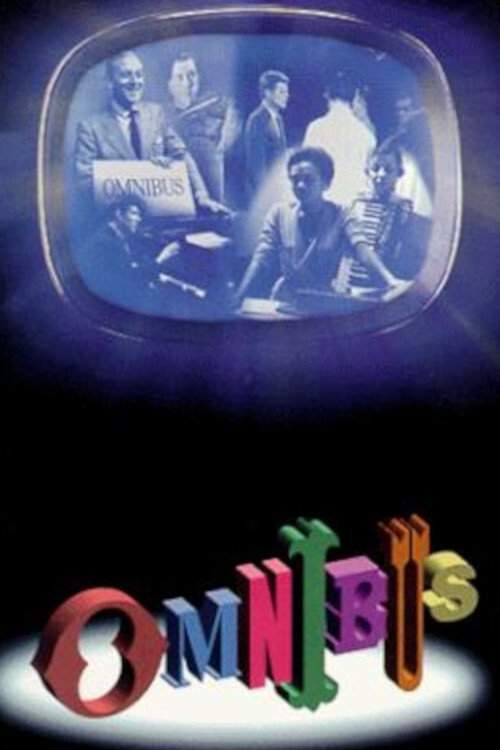
2. Omnibus
Folks, *Omnibus* was something else. Where else could you get high culture, serious discussions, and brilliant performances all in one tidy package? Alistair Cooke, he was the host, a real intellectual. They'd tackle everything from Shakespeare to modern art, explaining it all with grace. It was smart television, plain and simple, reminding you that the tube wasn't just for cowboys and comedies. It wanted to educate, to broaden horizons, and it did a mighty fine job of it.
3 / 12
3. Playhouse 90
*Playhouse 90*? That was the Golden Age, friend. Ninety minutes of live, original drama, like a full-length movie every week. Big stars, heavy themes, and the kind of writing that just doesn't happen anymore. 'Requiem for a Heavyweight,' 'Days of Wine and Roses' – these were powerful, gut-wrenching stories. It was bold, often controversial, and proved that television could deliver serious, impactful art right into your living room. A true broadcast powerhouse.
4 / 12
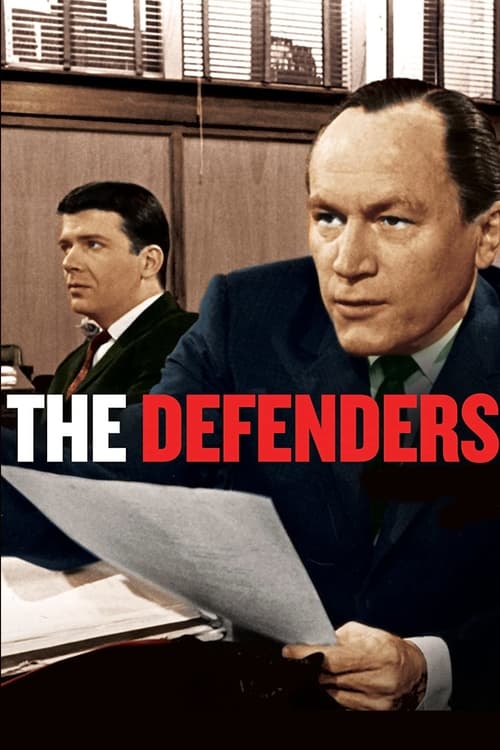
4. The Defenders
*The Defenders* took the legal drama and gave it some real bite. Here you had a father-and-son law team, played by E.G. Marshall and Robert Reed, tackling tough social issues long before others dared. Capital punishment, abortion, civil rights – they weren't afraid to dive deep. It wasn't just about winning cases; it was about justice, morality, and making you think. Smart, intense, and a groundbreaking show that really pushed the envelope for its time.
5 / 12
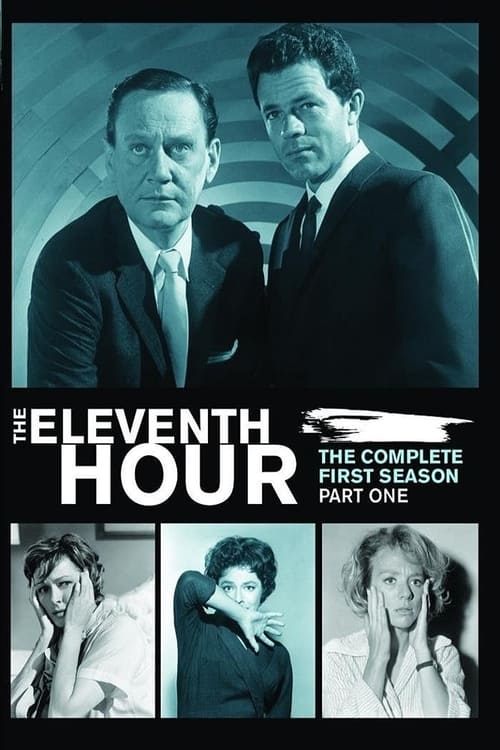
5. The Eleventh Hour
Before *Ben Casey* and *Dr. Kildare* cornered the market on medical drama, *The Eleventh Hour* was exploring the human mind. Psychiatry as a television premise? That was daring! Wendell Corey and Jack Ging played the doctors, delving into the emotional and mental struggles of their patients. It was a serious, often somber look at mental health, trying to destigmatize it. A quiet trailblazer, this one, and it certainly left its mark on the dramatic landscape.
6 / 12
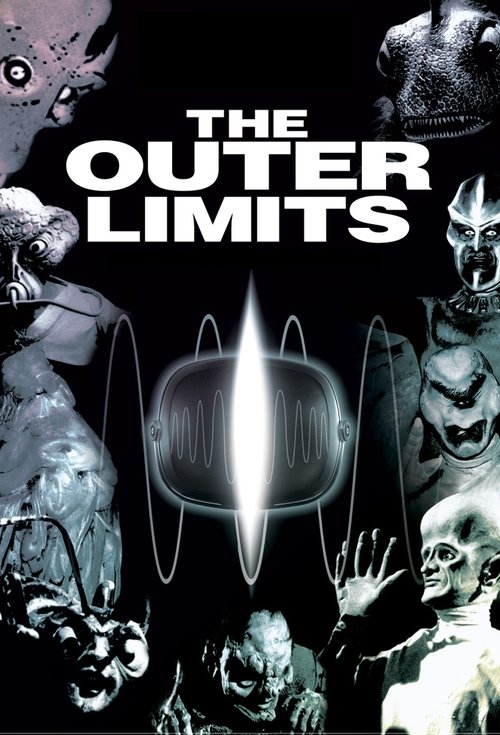
6. The Outer Limits
Oh, *The Outer Limits*! Now *that* was some unsettling science fiction. Not just rockets and ray guns, see, but ideas that burrowed into your brain. Each week, a new tale, often with an eerie, almost claustrophobic atmosphere. It made you think, and sometimes it made you jump. And that opening narration, telling you they had 'control of your television set' – a brilliant touch. It was smart, it was creepy, and it really pushed the boundaries of what the tube could present.
7 / 12
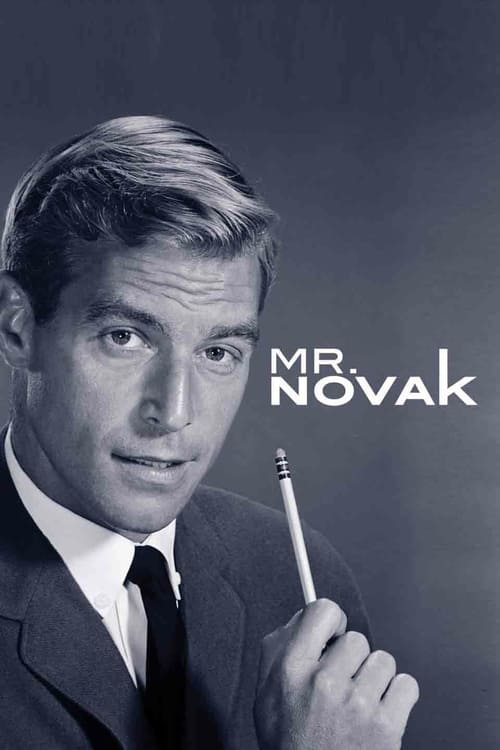
7. Mr. Novak
*Mr. Novak* was a different kind of drama, taking us right into the high school classroom. James Franciscus played the English teacher, dealing with all the real-life issues kids and educators faced. Dropouts, prejudice, rebellious students – it tackled them head-on, not shying away from the complexities. It was earnest, often sentimental, and showed the power a good teacher could have. A wholesome look at education, but with real dramatic weight.
8 / 12
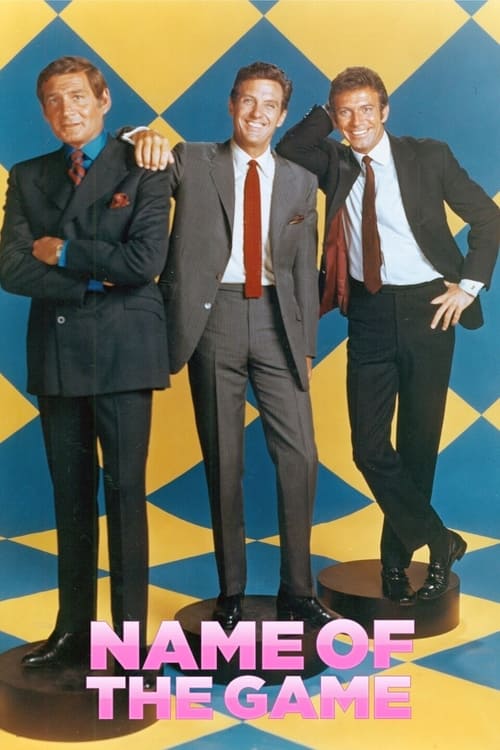
8. The Name of the Game
Now, *The Name of the Game* was an interesting experiment. You had three rotating leads – Robert Stack, Tony Franciosa, and Gene Barry – each heading up their own stories within the same publishing empire. Ninety minutes long, usually, so it felt like a weekly movie. It had glamour, intrigue, and a certain sophistication. A big, ambitious show that tried new ways of telling stories, and for the most part, it pulled it off with style.
9 / 12
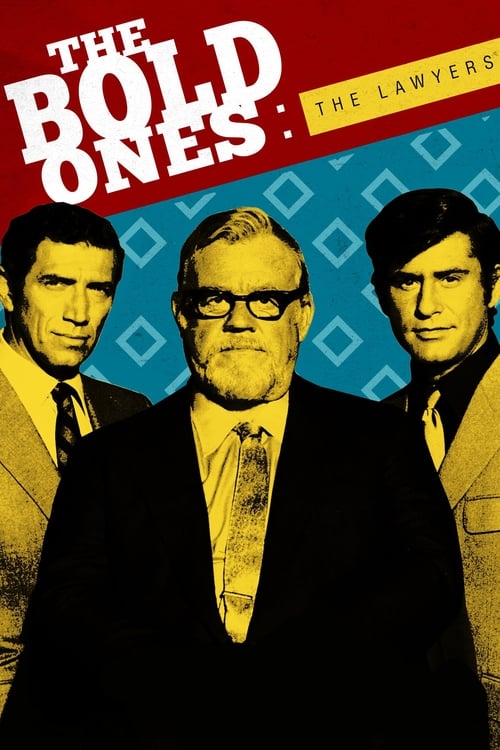
9. The Bold Ones: The Lawyers
Part of the *The Bold Ones* umbrella, 'The Lawyers' segment really stood out. Burl Ives, Joseph Campanella, and James Farentino were the legal eagles, and they weren't afraid to tackle some truly thorny cases. It was another show that wasn't content with just simple court victories; it explored the moral dilemmas and the human cost. Serious, compelling drama that held its own alongside the medical and police counterparts in that anthology series.
10 / 12

10. Banyon
*Banyon* was a throwback, a private eye show set in the 1930s. Robert Forster played the detective, a sharp-dressed guy in a world of fedoras and smoky offices. It had that classic noir feel, you know, gritty but with a touch of class. It ran as a movie-of-the-week before becoming a series, and it captured that era perfectly. A solid, old-fashioned mystery that made for great viewing on a quiet evening.
11 / 12

11. The Snoop Sisters
Oh, these two! Helen Hayes and Mildred Natwick as *The Snoop Sisters* were just delightful. Two elderly, eccentric sisters who happened to be mystery novelists, and they kept stumbling into real-life crimes. It was charming, witty, and a refreshing change from all the hard-boiled detectives. A real 'cozy mystery' before that term was even common. It was a limited run, but it left a warm, memorable impression. Pure fun, that show.
12 / 12
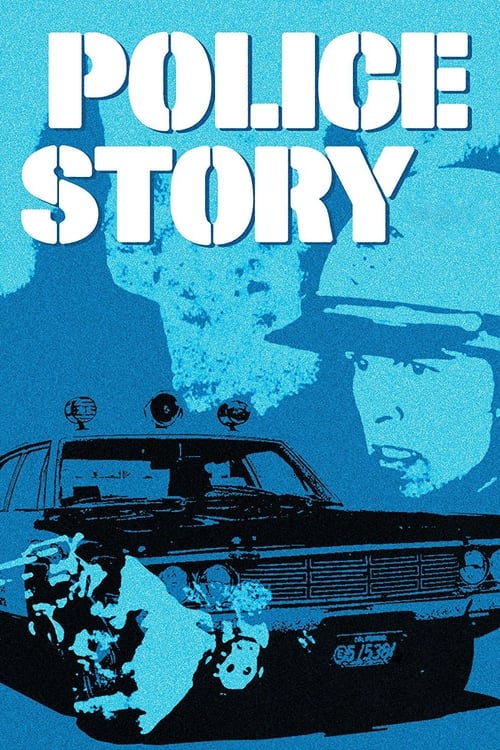
12. Police Story
*Police Story* was gritty, realistic, and a real game-changer for cop shows. Joseph Wambaugh, a former LAPD sergeant, created it, and you could feel the authenticity. No regular cast, just rotating stories focusing on different officers each week, from patrolmen to detectives. It showed the tough, often unglamorous side of police work. It was raw, powerful, and paved the way for a whole new kind of procedural drama on the tube.