
1 / 12
1. The Outer Limits
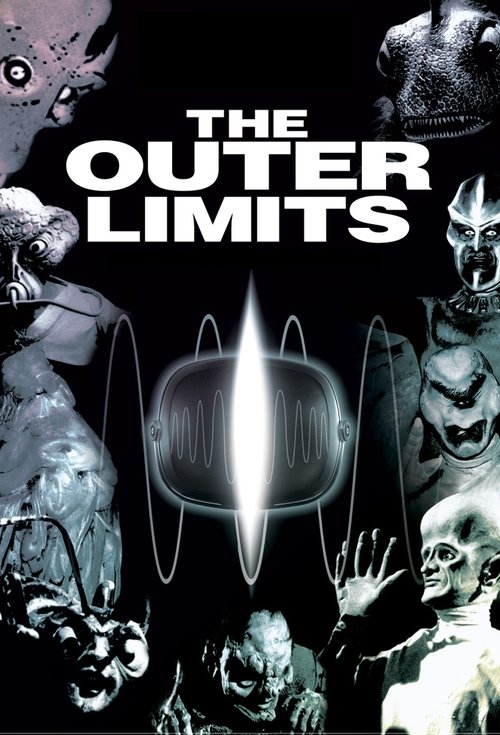
Now, this was a show that truly understood what terror could be on the small screen. Black and white, of course, which only amplified the shadows and the bizarre creatures. It wasn't just about monsters, though; they made you think. Each week, a new story, a new cautionary tale. And that opening narration? Gave you chills every time. A real intellectual horror, without needing buckets of blood. It showed what a good story and clever direction could do.
2 / 12
2. The Invaders
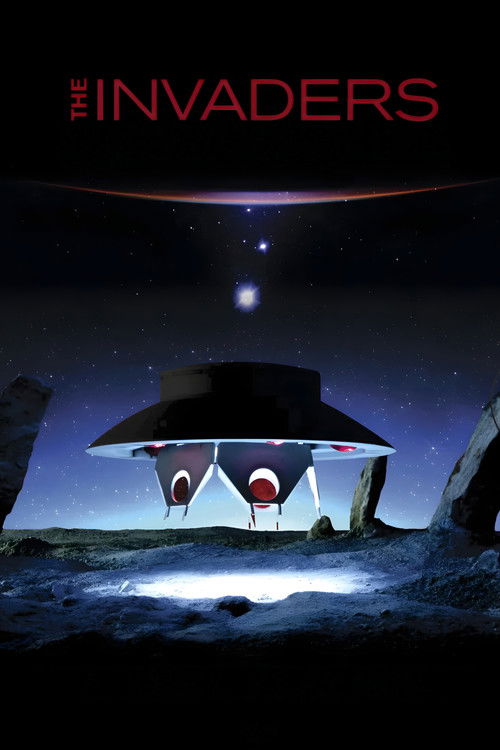
David Vincent, a man alone, chasing aliens disguised as us. It was pure paranoia fuel, a running nightmare spread over a whole season. You never knew who to trust, and the sense of dread was palpable. They tried to tell a continuous story, which was a bold move for the time, keeping you hooked week after week. And those glowing pinky fingers? A simple, effective visual that screamed "other." A smart thriller that kept you looking over your shoulder.
3 / 12
3. Kolchak: The Night Stalker
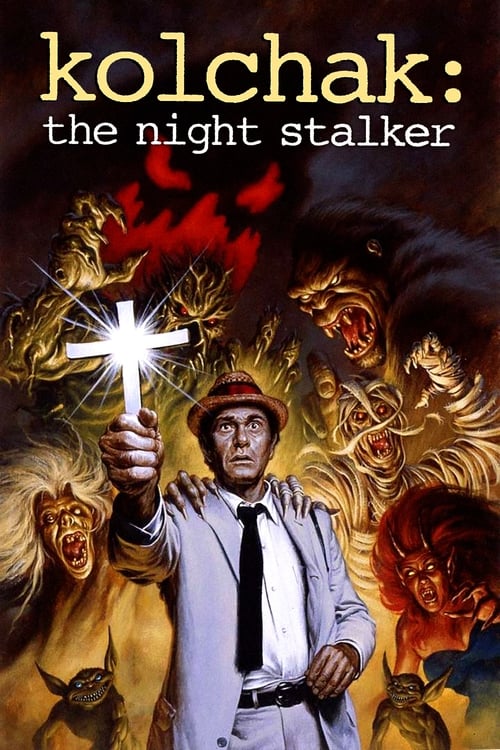
Darren McGavin as Kolchak was a masterstroke. A rumpled reporter, always stumbling onto the supernatural, but nobody ever believed him. It was a procedural, sure, but with werewolves and vampires instead of bank robbers. The show had a real gritty, urban feel, a contrast to some of the slicker productions. And the way he’d narrate his dispatches? Made you feel like you were right there with him, chasing down the impossible. A cult classic, and rightly so.
4 / 12
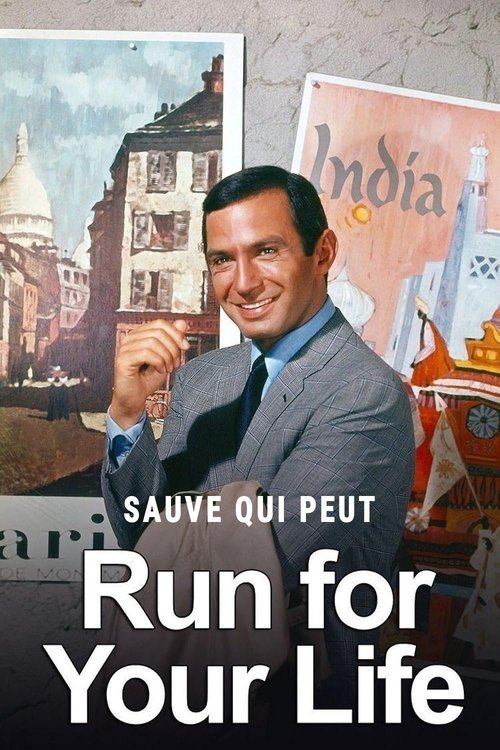
4. Run for Your Life
Ben Gazzara played Paul Bryan, a man with only a year or two left to live, deciding to truly *live*. It was an interesting premise, allowing for a new adventure every week in exotic locales. He’d get involved in other people's dramas, a sort of wandering do-gooder with a ticking clock. And though it was episodic, that underlying melancholy about his fate gave it a deeper resonance. A bit of melodrama, yes, but with a purpose.
5 / 12
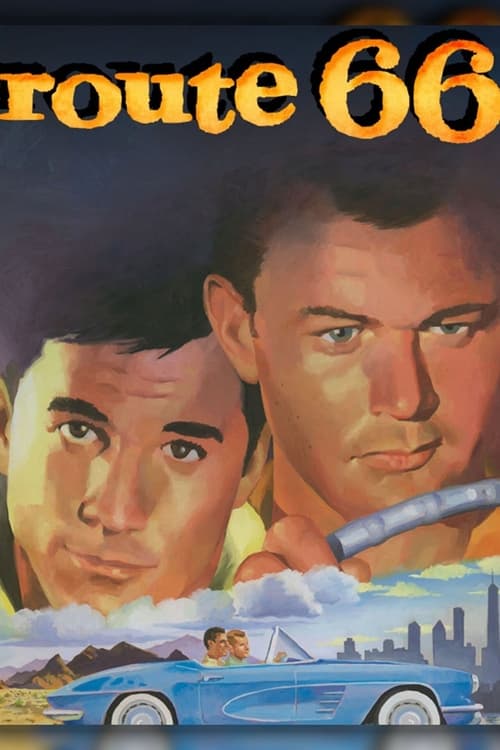
5. Route 66
Oh, this was the open road on television. Two young fellas, Tod and Buz, later Tod and Linc, driving a Corvette across America, finding trouble and helping folks. It was filmed on location, which was a big deal then, giving it a real sense of place. And the stories, often exploring social issues of the day, felt immediate. It showed you the country, and it showed you what a pair of drifters could learn about life. Pure wanderlust.
6 / 12

6. Danger Man
Before he was a number, Patrick McGoohan was John Drake, the original "Danger Man." This was proper spy stuff, none of those fancy gadgets like later shows. Just a smart, resourceful agent solving international puzzles. It was a British import, shown in black and white here, and it felt more grounded, more serious than some of the domestic fare. And McGoohan had a real intensity, a quiet menace that made him compelling to watch.
7 / 12
7. Alfred Hitchcock Presents
Hitchcock himself, right there on your screen, with those wonderfully dry, morbid introductions. This was the gold standard for anthology. Every week, a new tale of suspense, often with a wicked twist at the end. Black and white, naturally, which suited the dark, often cynical tone perfectly. And the way it just snapped shut, leaving you to ponder the implications, was masterful. Nobody did psychological thrillers quite like Hitch, even on the small screen.
8 / 12
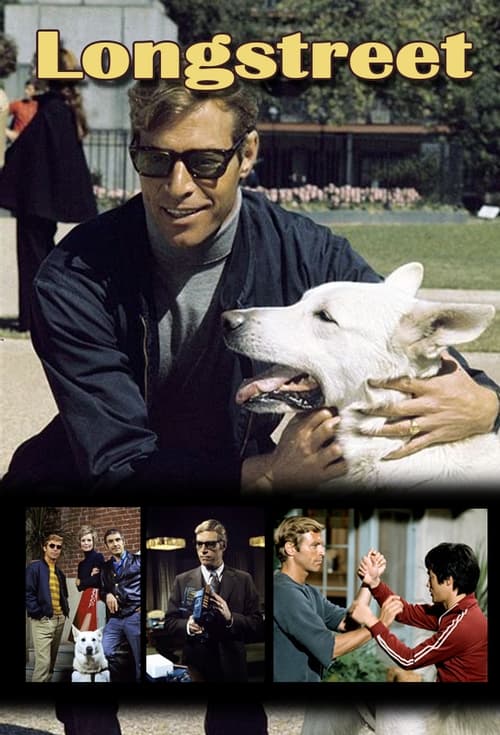
8. Longstreet
James Franciscus as Mike Longstreet, a blind insurance investigator, was a novel idea. He’d lost his sight, and his wife, in an explosion, giving him a real chip on his shoulder. It was a procedural, but his reliance on his other senses and his guide dog made it unique. And for a few episodes, you even saw Bruce Lee as his self-defense instructor. It showed how a disability could be a strength, not just a weakness.
9 / 12
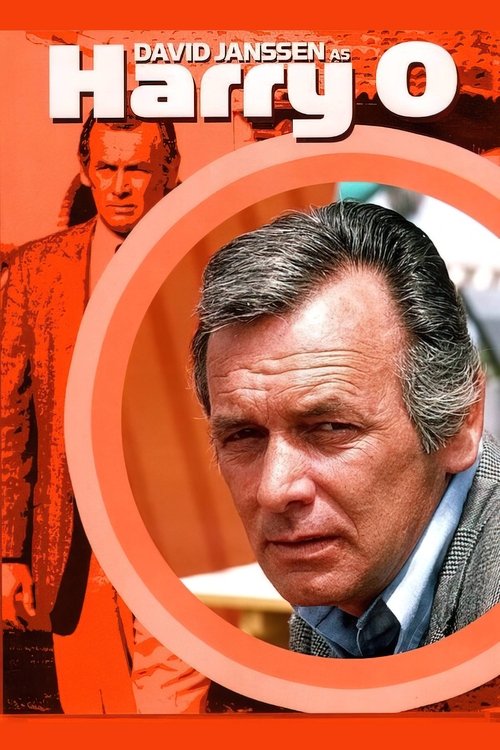
9. Harry O
David Janssen, after "The Fugitive," played Harry Orwell, a private eye who lived on a beachfront property, preferred fishing to chasing leads, and often needed a ride. He was a low-key detective, a real contrast to the tough-guy types. It was character-driven, more about Harry's wry observations and quiet struggles than flashy car chases. And the California sunshine setting gave it a unique, somewhat melancholic, atmosphere. A thoughtful procedural.
10 / 12

10. Soap
Now, "Soap" was something else entirely. It took all those crazy, dramatic storylines from the daytime soap operas and crammed them into a half-hour comedy. Murder, kidnapping, aliens, gay characters – it had it all, and people were scandalized! But it was brilliantly funny, a true satire. And for a sitcom, it was completely serialized, a real gamble that paid off, making you tune in every week to see what absurdity would happen next.
11 / 12
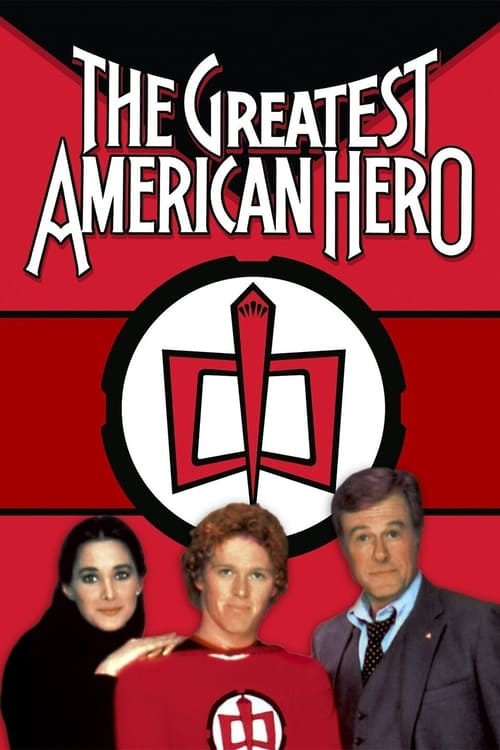
11. The Greatest American Hero
Ralph Hinkley, a regular guy who gets a super suit but loses the instructions. What a premise! William Katt played him perfectly, always bumbling but with a good heart. It was a lighthearted superhero show, embracing the goofy side of things. And that theme song? You couldn't get it out of your head. It showed that heroes didn't have to be perfect; sometimes, a good laugh was just as important as saving the day.
12 / 12

12. Wiseguy
This was a game-changer for network drama. Vinnie Terranova, an undercover agent, burrowing deep into criminal organizations for long, multi-episode arcs. It wasn't just a "case of the week"; it was a serialized novel on television. You really got invested in the characters and the moral complexities. And the acting, especially Ken Wahl and the guest villains, was top-notch. It proved that audiences would stick around for a truly long-form, gritty story.