1 / 12
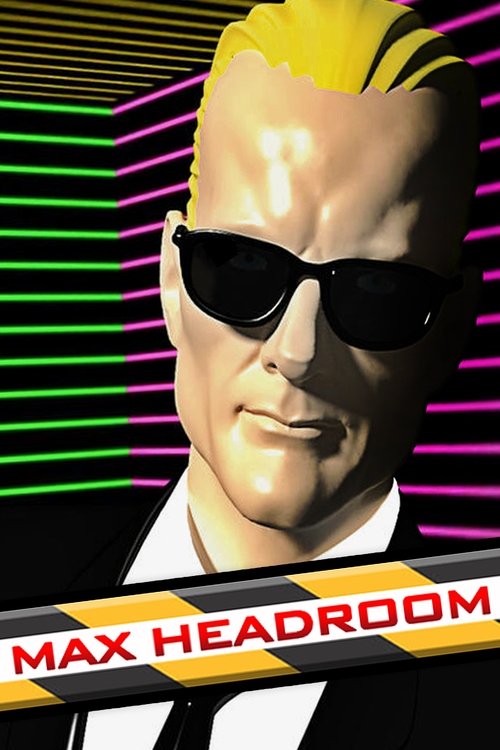
1. Max Headroom
This show was a glitch in the system, man. A truly visionary broadcast, it took that British TV movie and blew it wide open into a full-blown cyberpunk nightmare. The digital talking head, all stutter and distortion, felt like the future screaming at you from inside a cathode ray tube. It was a brutal satire on media, consumerism, and artificial intelligence, wrapped in practical, neon-soaked visuals that still feel dangerous. It understood the wired world before most even had dial-up.
2 / 12
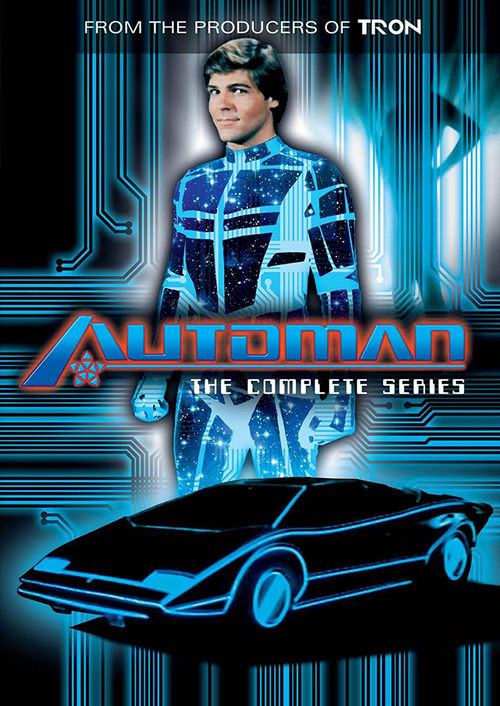
2. Automan
Talk about proto-CGI, this was it. Automan, a living computer program, drove around in a glowing Lamborghini, fighting crime with light cycles and a digitized sidekick. The effects were clunky, sure, but they were *there*. It was pure 80s sci-fi ambition, mixing practical stunts with those early, blocky graphics. A neon-drenched fever dream, a genuine oddity that tried to visualize the digital age when screens were still mostly green text.
3 / 12
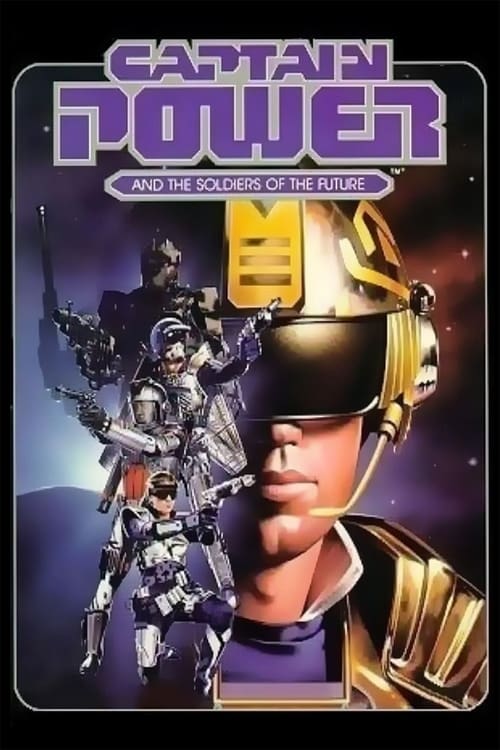
3. Captain Power and the Soldiers of the Future
This wasn't some kiddie cartoon; it was a grim, post-apocalyptic war zone. Humanity against sentient machines, and those practical robot effects were genuinely unsettling. Plus, you could shoot your *own* toy gun at the TV screen! That interaction was wild, breaking the fourth wall before it was cool. Dark, desperate, and surprisingly violent for its time, it carved out a brutal niche in syndicated sci-fi.
4 / 12
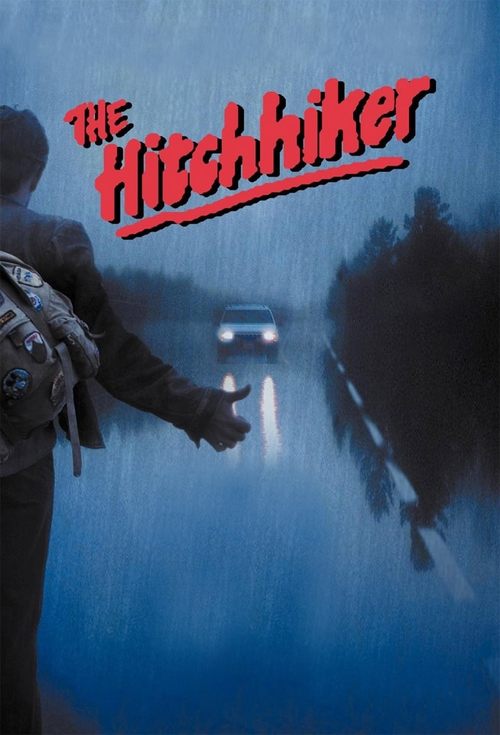
4. The Hitchhiker
HBO gave us this gem, a true cable anomaly. Each episode was a dark, often sleazy, standalone tale of desire, betrayal, and consequence. The enigmatic Hitchhiker himself just introduced the sordid affairs, then vanished. It was adult, gritty, and always felt like something you shouldn't be watching. A raw, pre-prestige anthology that reveled in the shadows and pushed boundaries with its mood and psychological twists.
5 / 12
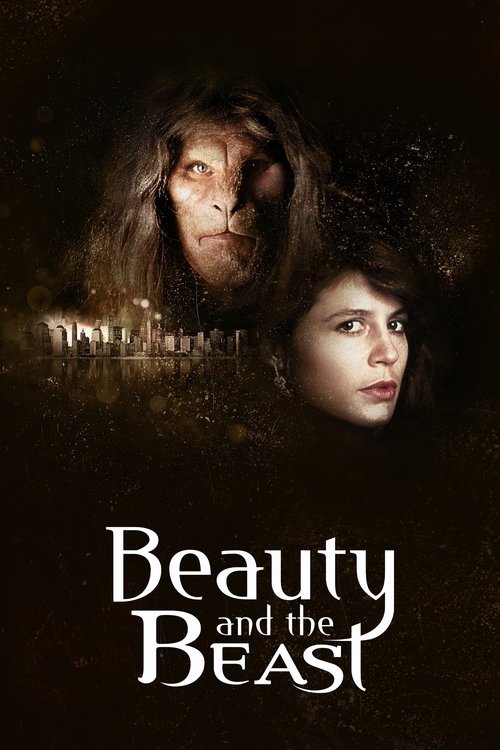
5. Beauty and the Beast
Forget the fairy tale; this was a moody, gothic romance set in the dark underbelly of New York City. Vincent, the beast, lived in hidden tunnels, while Catherine navigated the cold, cruel world above. It was pure soap-operatic maximalism, with dark cinematography and a deeply earnest, almost melodramatic core. This show proved that network TV could still get weird and embrace its emotional extremes.
6 / 12
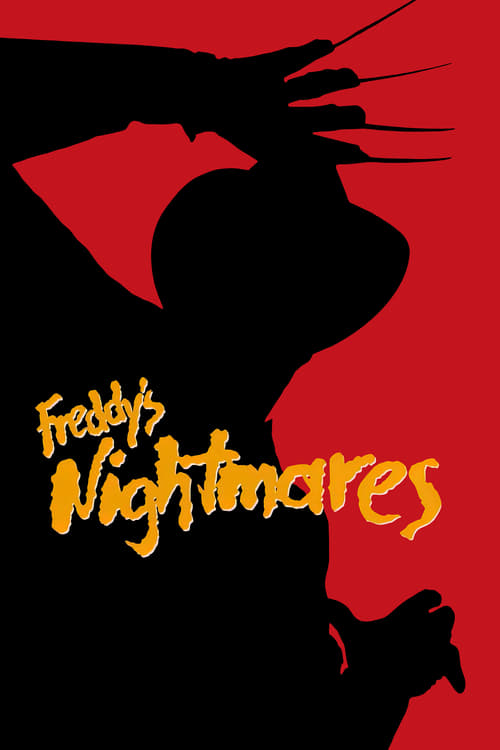
6. Freddy's Nightmares
Freddy Krueger hosting an anthology horror show? Yes, please. This syndicated terror brought Elm Street's boogeyman into weekly rotation, delivering twisted tales of small-town dread. It often tied into the movies' lore, but mostly it was just Freddy being Freddy, cracking wise while people met grisly ends. A perfect midnight watch, fueled by practical effects and that distinct 80s horror vibe. Pure cult gold.
7 / 12
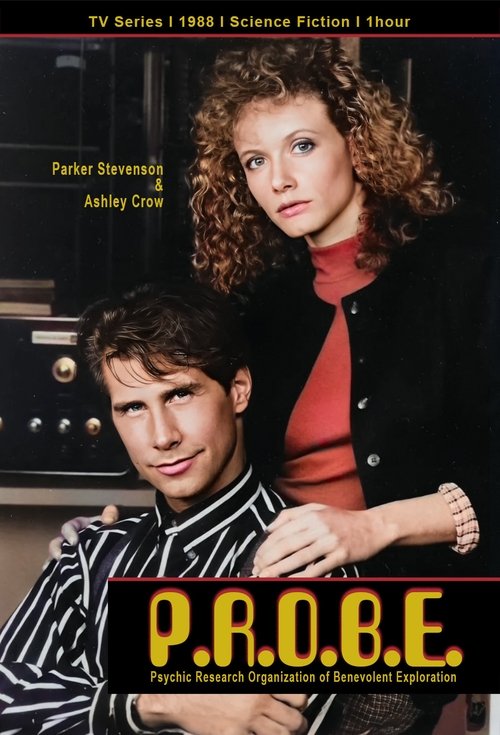
7. Probe
Isaac Asimov co-created this, a brainy detective show about a brilliant, eccentric inventor who solved high-tech crimes. It was proto-cyberpunk, crammed with gadgets and convoluted puzzles. The genius protagonist felt like a precursor to later quirky detectives, but it had this distinct late-80s tech aesthetic. Short-lived but memorable, it tried to blend hard sci-fi with procedural drama, a definite ahead-of-its-time curiosity.
8 / 12
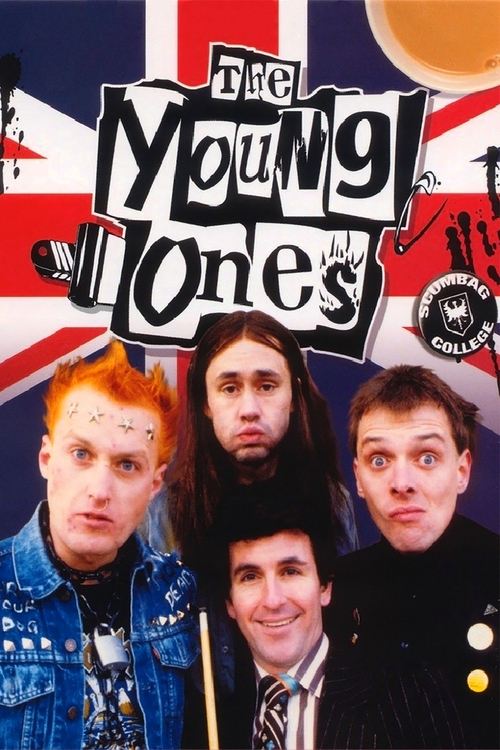
8. The Young Ones
British punk comedy at its absolute best. Four mismatched students, a squalid house, and pure, unadulterated chaos. The practical visual gags, the non-sequiturs, the musical interludes – it was anarchy on screen. It blew apart sitcom conventions with a sledgehammer, a raw, aggressive energy that felt genuinely rebellious. This show was a glorious, messy middle finger to polite television.
9 / 12
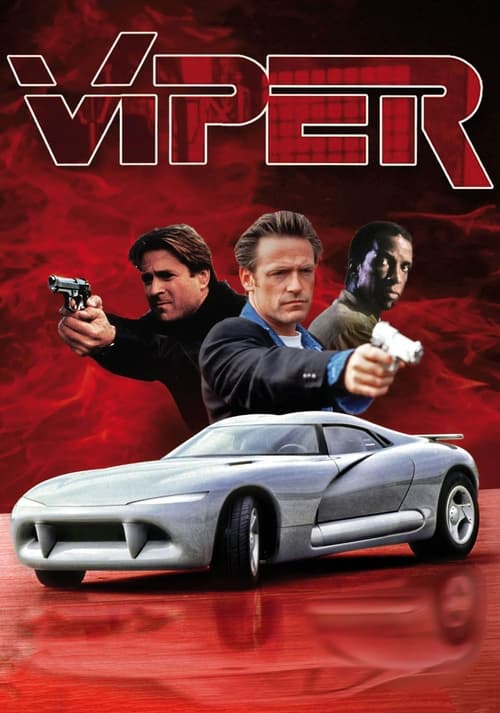
9. Viper
A transforming car fighting crime, but with a surprising gritty edge for syndicated fare. The Viper Defender, a souped-up Dodge, was the star, morphing from civilian vehicle to armored beast. It was pure 90s action, relying heavily on practical vehicle stunts and early CGI for the transformations. A slick, high-concept show that delivered explosive car chases and straightforward heroics, a solid cult classic.
10 / 12
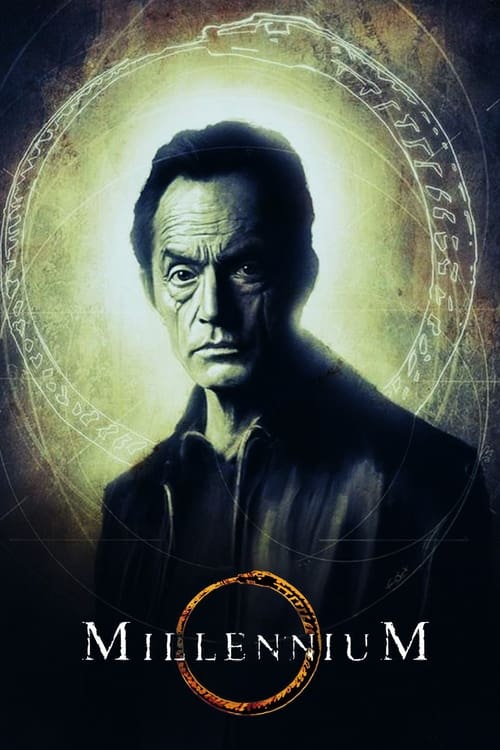
10. Millennium
Chris Carter went dark, *really* dark, after X-Files. This was Frank Black, a retired FBI profiler seeing the evil that men do, wrapped in a bleak, apocalyptic dread. It was intense, disturbing, and visually atmospheric, full of shadows and psychological terror. The show tapped into that end-of-the-millennium anxiety, delivering a relentless, unsettling mood that still lingers. A heavy, uncompromising watch.
11 / 12
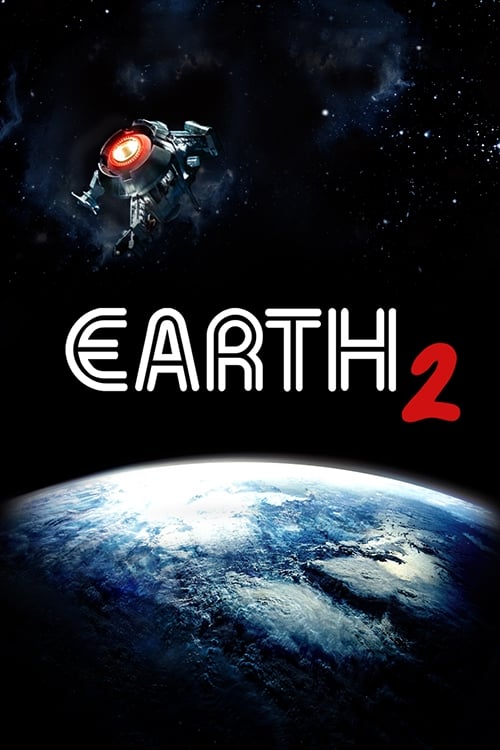
11. Earth 2
Ambitious sci-fi that tried to build a whole new world. A group of colonists crash-land on a distant planet, encountering strange alien life and fighting for survival. The practical creature effects and expansive sets tried to sell the epic scope. It had a real sense of wonder and danger, even if the execution sometimes stumbled. A bold swing for network sci-fi, aiming for a true space opera feel.
12 / 12
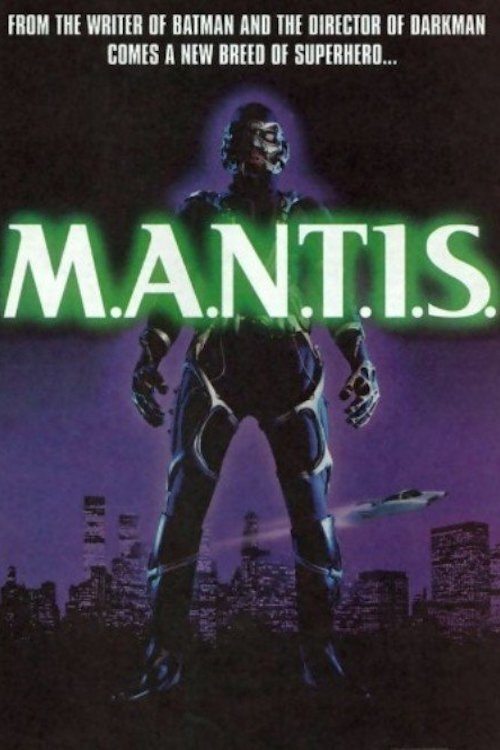
12. M.A.N.T.I.S.
This was a groundbreaking concept: a Black paraplegic scientist creates an armored, insect-like suit to fight crime. The suit itself, all practical effects, looked awesome and clunky in the best way. It tackled urban issues and sci-fi tropes with a distinct 90s flair. A short-lived but truly unique superhero show, it pushed boundaries by putting a different kind of hero front and center.