
1 / 11

1. FLASHING LIGHT
FLASHING LIGHT conjures images of a nascent industrial sound, perhaps a B-side from a European coldwave outfit experimenting with sequenced rhythms and stark synthesis. The title suggests a visual, almost strobe-like attack, fitting for a club's nascent electronic pulse before digital precision took hold. One imagines layers of analog grit, percussive elements fighting for dominance, a relentless, almost mechanical energy. It's the sound of the future as envisioned through a late-80s lens.
2 / 11
2. Birdland
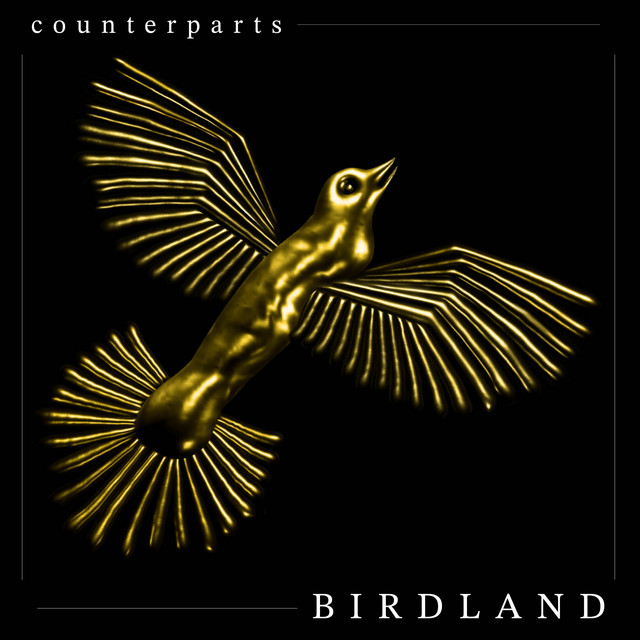
Weather Report's "Birdland" exemplifies the sophisticated intertwining of jazz harmonics with a burgeoning funk sensibility, all captured with remarkable clarity on multi-track tape. The track's architecture, driven by Jaco Pastorius's melodic basslines and Joe Zawinul's pioneering synth voicings, built a bridge from acoustic improvisation to electric ensemble work. It’s a masterclass in controlled chaos and compositional foresight, a true landmark of fusion's golden age.
3 / 11

3. Ashes
"Ashes" evokes a sense of stark decay, the sort of industrial-tinged soundscapes emerging from the late 80s. One pictures a heavily processed drum machine, perhaps a TR-808 or 909, struggling under layers of metallic reverb and distorted synth drones. It’s the sonic equivalent of urban desolation, a precursor to the more polished, yet equally bleak, electronic sound that would soon dominate the underground. This is tape-era grit, pure and unvarnished.
4 / 11
4. Ace of Spades
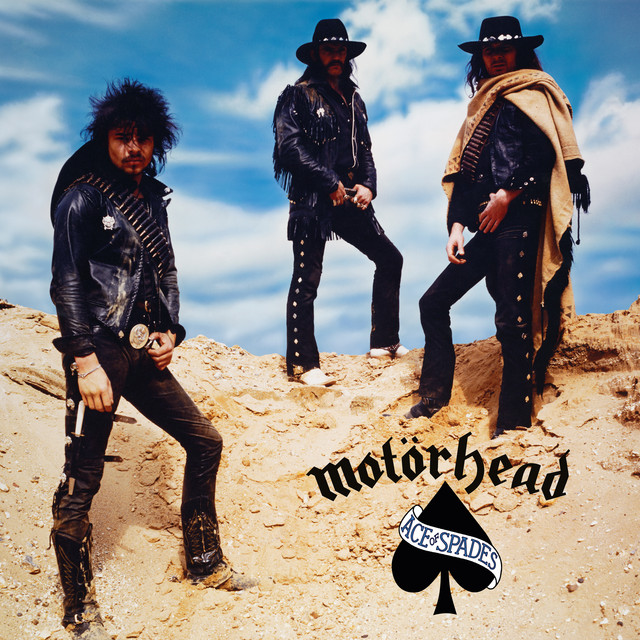
Motörhead’s "Ace of Spades" is an unadulterated blast of raw, speed-infused metal, a three-chord assault that redefined aggression. Lemmy's gravelly roar, paired with Phil Taylor's relentless double-kick drumming and Fast Eddie Clarke's blistering guitar, created a blueprint for thrash. Recorded with a blunt force that tape saturation only amplified, it's a testament to maximalist impact through minimalist means, pure, unadulterated rock 'n' roll fury.
5 / 11

5. Blue Monday
New Order's "Blue Monday" remains an epochal statement, a darkwave masterpiece that fused post-punk angst with the emerging pulse of electronic dance music. The iconic LinnDrum pattern, layered with Bernard Sumner's melancholic vocals and Peter Hook's driving bass, created an unprecedented hybrid. Its extended structure, perfectly engineered for the dancefloor, showcased how analog synthesizers and drum machines could craft something both mechanically precise and emotionally resonant.
6 / 11

6. Don't Stop 'til You Get Enough
Michael Jackson's "Don't Stop 'til You Get Enough" is a masterclass in post-disco funk, a shimmering tapestry of intricate rhythms and infectious grooves. Quincy Jones's impeccable production transformed the track into a kinetic marvel, showcasing the tight, almost telepathic interplay of live instrumentation and a burgeoning R&B sensibility. The vocal arrangements, the propulsive bassline, the crisp drums—it’s an undeniable testament to the era's peak studio craftsmanship.
7 / 11
7. Can You Feel It
The Jacksons’ "Can You Feel It" is an epic excursion into symphonic disco, a sprawling, uplifting anthem that foreshadowed house music's expansive forms. Its extended intro, built on layers of synthesizers and percussion, created a sense of grand anticipation, a true journey. The track's sheer scale, meticulously recorded on multi-track, demonstrated how sophisticated arrangements could elevate pop into an almost spiritual experience, brimming with positive energy.
8 / 11

8. UFO
ESG's "UFO" is a raw, skeletal funk-punk anomaly, a track whose sparse, insistent groove became an undeniable bedrock for early hip-hop and house. The band's unvarnished approach, driven by a hypnotic bassline and minimal percussion, captured a primal energy directly onto tape. It's a testament to the power of repetition and space, proving that less instrumentation, when perfectly locked, could create an infinitely more compelling rhythmic foundation.
9 / 11
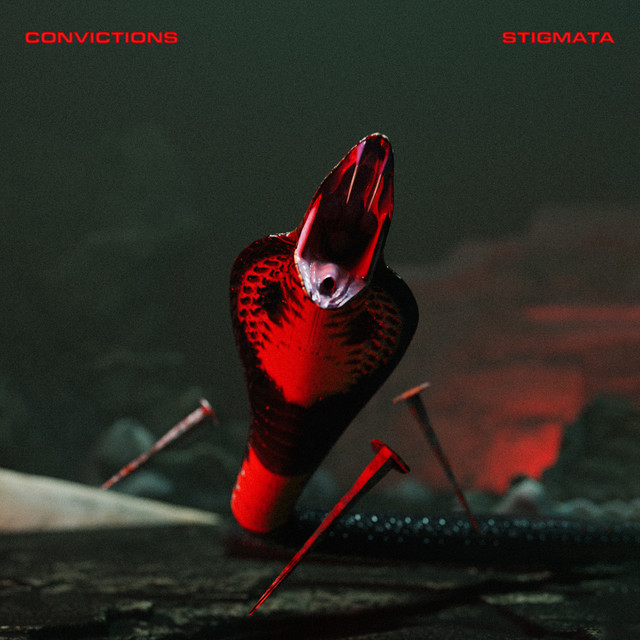
9. Stigmata
Ministry's "Stigmata" represents industrial music's brutalist ascension, a cacophony of searing guitar riffs, metallic percussion, and Al Jourgensen's guttural snarl. The track's relentless, almost machine-gun rhythm, combined with heavily processed samples and distorted vocals, pushed the boundaries of sonic aggression. Recorded in an era where tape manipulation was key to achieving such abrasive textures, it solidified industrial's reputation as a genre of visceral, unyielding force.
10 / 11
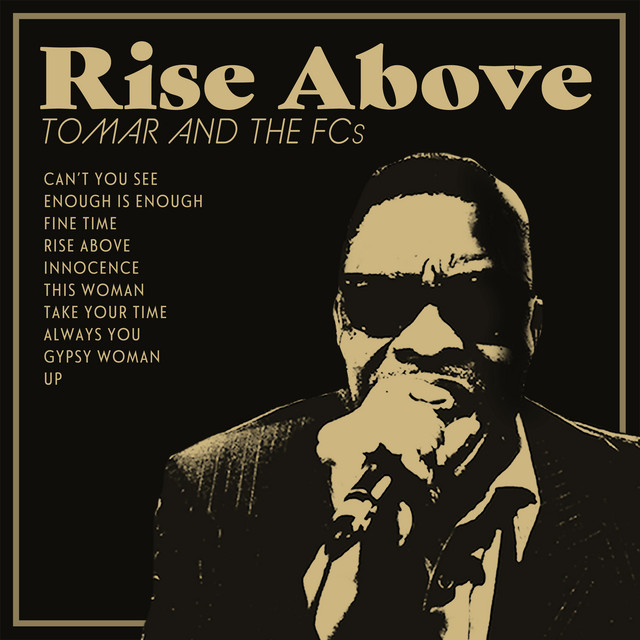
10. Rise Above
Black Flag's "Rise Above" is the definitive statement of hardcore punk, a furious, uncompromising surge of youthful rebellion. Greg Ginn's angular guitar riffs, coupled with Henry Rollins's raw, impassioned vocals, captured an urgent, unvarnished energy. The track's brevity and intensity, recorded with a deliberate rawness that tape faithfully preserved, became a sonic manifesto for a generation. It’s a pure, unadulterated blast of defiant, essential punk rock.
11 / 11
11. Messages From The Blue (Rushkeys Remix)
Even in remix form, "Messages From The Blue" would have resonated with the nascent ambient techno and darkwave scenes of the early nineties. A hypothetical "Rushkeys Remix" of that era might emphasize deep, evolving synth pads and subtle, propulsive rhythms, drawing listeners into an almost cinematic soundscape. It speaks to the period when electronic textures began to explore both the hypnotic and the melancholic, pushing sonic boundaries with tape delays and analog warmth.