

1. GOOD TIMES
This track is a masterclass in economic funk arrangement, where Bernard Edwards' bassline isn't just a foundation; it's the entire architecture. Nile Rodgers' rhythmic guitar chops, perfectly syncopated, provide the necessary sparkle without ever cluttering the groove. The pre-digital studio's warmth is palpable, capturing the interplay between live instruments with an organic fidelity that digital recording often struggled to replicate. It's a testament to the power of a perfectly locked-in rhythm section.

2. Blue Monday
"Blue Monday" redefined what a band could be, abandoning conventional rock structures for a stark, mechanized pulse. The sheer ambition of that DMX drum machine sequence, painstakingly programmed, alongside the arpeggiated synths and Peter Hook's melodic bass, forged a sound both alien and danceable. It pushed the boundaries of what was possible in the pre-MIDI era, a genuine analogue marvel that hinted at the digital future without losing its cold, human touch.

3. Head Like a Hole
Trent Reznor, even in these early years, demonstrated a profound grasp of sonic aggression, crafting industrial textures from analog synthesizers and distorted drum machines. The visceral impact of "Head Like a Hole" isn't just its confrontational lyrics; it's the raw, unpolished circuitry, the controlled feedback, and the sheer percussive force that feels less like music and more like a machine tearing itself apart. This was the sound of analog pushing its limits.

4. “FROM ASHES TO EMPIRE”
This composition, with its brooding atmosphere and deliberate pace, exemplifies the art-rock sensibility pushing into darker territories. The layered guitars, often drenched in chorus and delay, construct a vast, melancholic soundscape, while the rhythm section lays down a sparse yet potent groove. It speaks to a time when studio experimentation, without digital crutches, meant meticulous mic placement and a deep understanding of analog signal chains to evoke such evocative, cinematic moods.

5. Planet Rock
"Planet Rock" was a seismic event. The sheer audacity of taking Kraftwerk's mechanized precision and grafting it onto Bronx breakbeats, powered by the iconic Roland TR-808, birthed an entirely new vocabulary for rhythm. It’s a testament to the pre-digital era's ingenuity, where hardware limitations forced creativity, resulting in those stark, unforgettable synth lines and drum patterns that would blueprint electro, hip-hop, and even early techno for decades to come.
6. Birdland
This Weather Report classic is a masterclass in jazz-fusion, a seamless tapestry woven from Jaco Pastorius's lyrical fretless bass, Wayne Shorter's evocative saxophone, and Joe Zawinul's pioneering synth work. The track’s complexity doesn't feel academic; it breathes with an organic, almost cinematic quality, showcasing incredible musicianship recorded with the warmth and spaciousness only a well-engineered analog studio could provide, capturing every nuance of their virtuosity.
7. A Forest
The Cure's "A Forest" is a quintessential darkwave artifact, its chilling atmosphere built upon sparse instrumentation and Robert Smith's haunting vocals. That iconic, reverb-drenched guitar riff, almost a primal cry, anchors the track, while the insistent, almost ritualistic drum machine and sparse bassline drive the sense of existential dread. It’s a prime example of how analog effects and careful arrangement could conjure vast, melancholic spaces.

8. Police Story
"Police Story" is a raw, unadulterated blast of hardcore punk. The track's sheer velocity and aggressive simplicity are its strengths, a defiant roar against societal norms. Its production, or rather lack thereof, captures the furious energy of a live performance, epitomizing the DIY ethos of the era. The guitars are abrasive, the drums relentless, and the vocals a visceral scream, all perfectly preserved by the immediate, unvarnished nature of analog recording.

9. Life of a Tree
This piece unfurls like a slow-motion landscape painting, its ambient textures meticulously crafted from analog synthesizers and perhaps treated acoustic instruments. There’s a profound sense of patience in its composition, allowing sonic elements to drift and intertwine, building an immersive, almost meditative environment. It’s a testament to the pre-digital art of sound design, where subtle shifts in timbre and careful decay were sculpted without the aid of endless digital plug-ins.
10. Forget Me Nots
Patrice Rushen's "Forget Me Nots" is a clinic in post-disco brilliance, perfectly bridging the gap between disco's exuberance and the emerging synth-funk aesthetic. That instantly recognizable bassline and the bright, articulate synth hook are inextricably linked, demonstrating a perfect fusion of live instrumentation and early electronic elements. The pre-digital mix allows every instrument to breathe, creating a vibrant, irresistible groove that feels both sophisticated and utterly joyous.
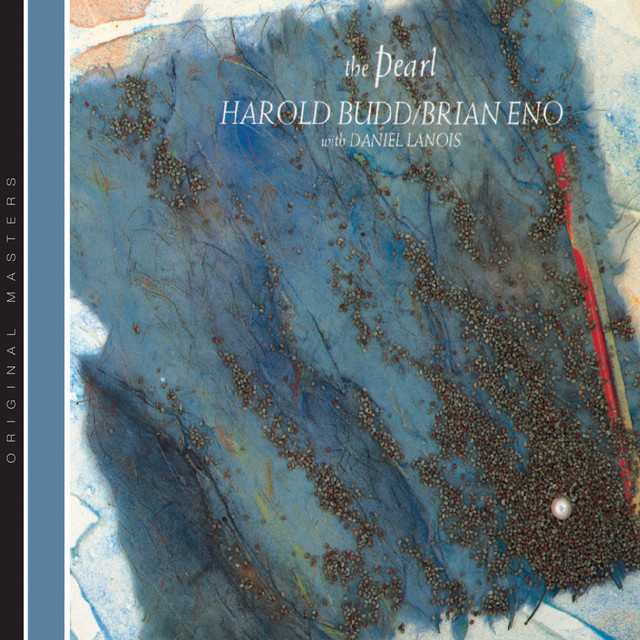
11. The Pearl
"The Pearl" represents ambient music at its most refined, a masterwork of delicate textures and spacious arrangements. Harold Budd's ethereal piano, softened and extended by Brian Eno's pioneering use of tape loops and analog processing, creates a truly immersive, almost sculptural sound. This was an era where sonic exploration meant deep understanding of reverb chambers, analog delays, and careful mixing, crafting vast soundscapes from limited elements, a true analog marvel.