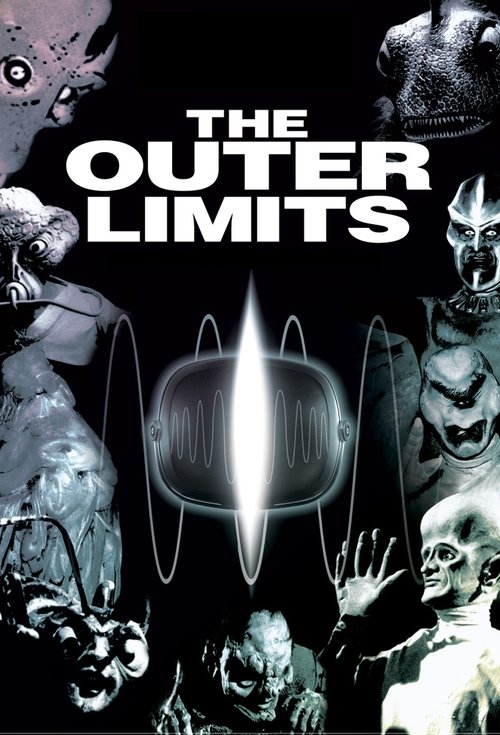
1. The Outer Limits
Oh, this one, it truly understood mood. Those grainy black-and-white shadows, they just amplified the dread, didn't they? Every week, a new creature, a new idea to chew on. And the opening narration, it set a tone you just couldn't shake. It proved you didn't need fancy color to make your skin crawl or your mind ponder the unknown. A real thinker's sci-fi, that.

2. Naked City
Now, "Naked City," that was something else. Shot right there on the streets of New York, not some backlot. You felt the city breathe, saw the real faces. And that opening line, "There are eight million stories in the Naked City..." it just stuck with you. It offered a raw, almost documentary-style look at crime and consequences, without ever needing a lick of paint to sell the drama.
3. Playhouse 90
"Playhouse 90," what an era. Live, remember? Ninety minutes, unedited, with stars like Paul Newman and Kim Stanley doing serious work. It was theater for the home, really. You got these powerful, self-contained dramas, sometimes gritty, sometimes grand, all unfolding right before your eyes. And the tension of that live broadcast, you just couldn't replicate it. Pure, unadulterated drama.
4. Route 66
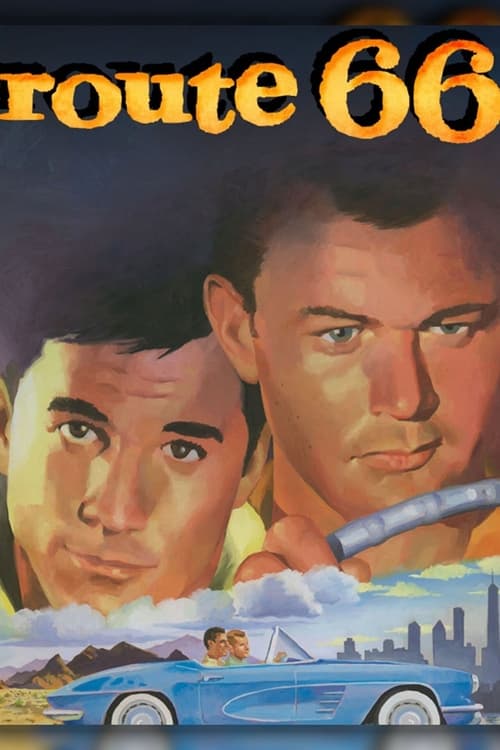
Two young fellows, cruising America in a Corvette. That was "Route 66." It showed you the country, all those different towns and people, week after week. And it wasn't about a big mystery; it was about character and place. The black-and-white photography really made those landscapes pop, gave them a stark beauty. It was an adventure, a journey, and a peek into other lives, all on the road.
5. Studio One
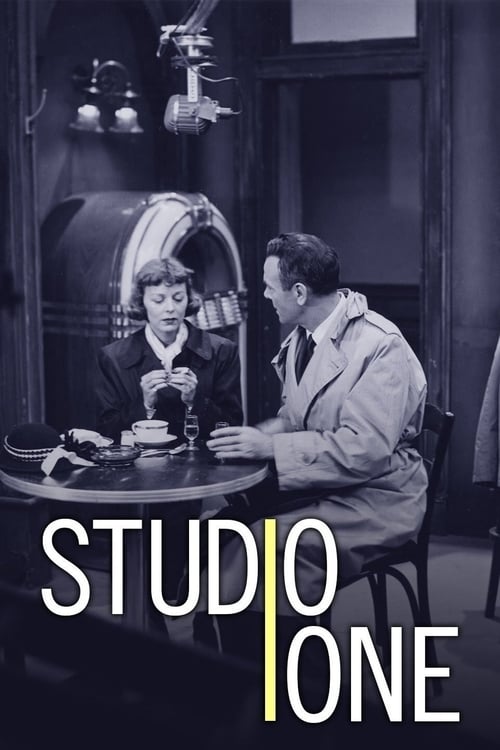
"Studio One" began way back, didn't it? Live drama, often adapted from great literature, right into your living room. Talk about pioneering. You'd see these earnest performances, sometimes a bit stiff, but always heartfelt. And the kinescopes, well, they preserved a slice of television's very beginnings, showing us how ambitious these early broadcasters truly were. A foundational piece, really.
6. Car 54, Where Are You?
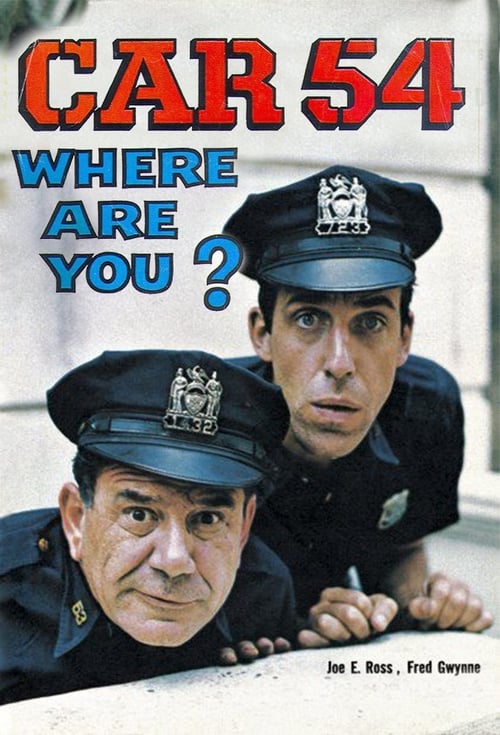
Oh, Herman Munster and Gunther Toody, two bumbling cops in a patrol car. "Car 54" was just plain silly, and that's why it worked. It was classic sitcom structure, but with such distinctive characters and physical comedy. You didn't need bright uniforms; the humor shone through every black-and-white frame. A real laugh-a-minute, and a testament to how character can carry a show.
7. The Danny Kaye Show
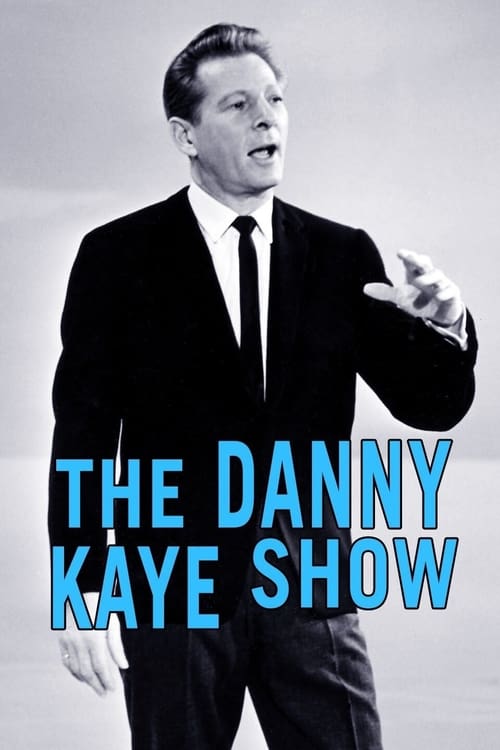
Danny Kaye, what a talent. This man could sing, dance, act, tell jokes, and charm the pants off anyone. His variety show was a masterclass in entertainment. You got guest stars, big musical numbers, and Danny just being Danny. Even without color, his energy and charisma filled the screen. It was pure, old-fashioned showmanship, delivered straight to your home every week.
8. Kolchak: The Night Stalker
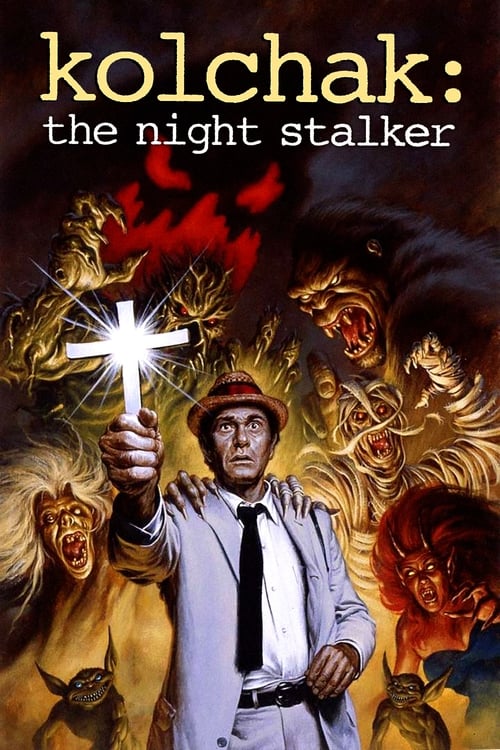
Carl Kolchak, that rumpled reporter chasing monsters. This show, even if it aired later, had the spirit of those classic black-and-white thrillers. The atmosphere was everything. You felt the chill, the dread, the loneliness of his quest. It was a procedural with a supernatural twist, and Darren McGavin made that character unforgettable. A true cult classic, full of shadows and scares.
9. Police Story
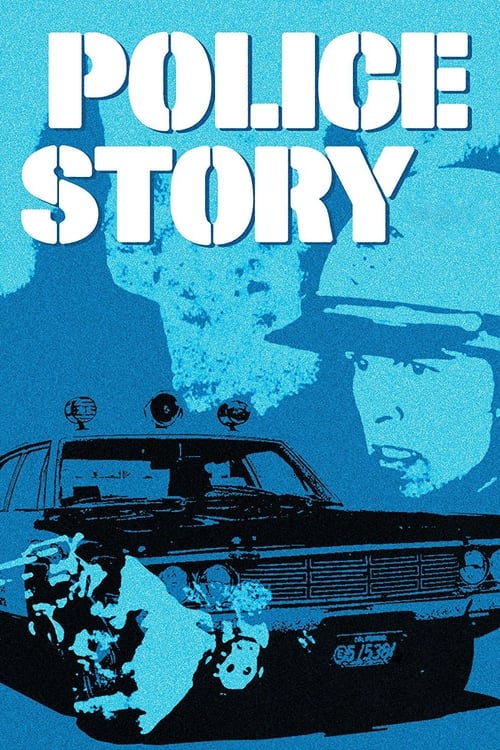
"Police Story," now that was a groundbreaking show. It wasn't just car chases; it was about the lives of the officers, the moral dilemmas, the grime. Each episode felt like a mini-movie, with different stars and stories, giving you a real peek behind the badge. And it showed you the tough realities, no gloss. It redefined the police procedural, bringing raw honesty to the small screen.
10. The Prisoner
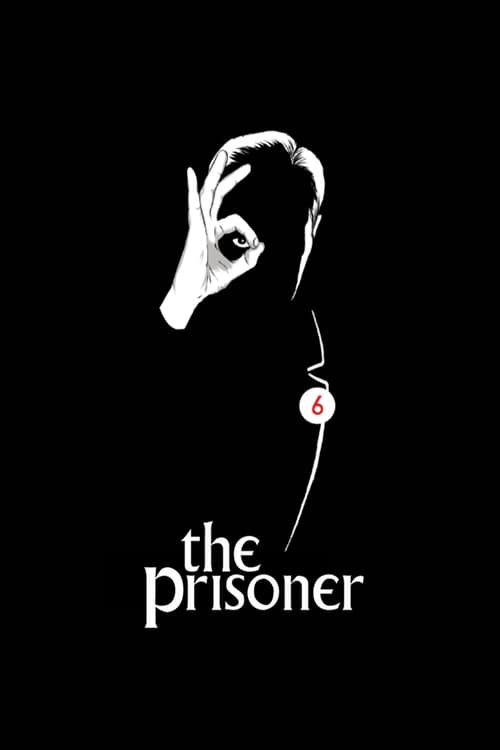
"The Prisoner" was something else entirely. Patrick McGoohan, trapped in that bizarre village, always trying to escape. It was mind-bending, wasn't it? Not your typical spy fare. Every episode left you pondering, questioning. The surreal imagery and the psychological depth, they didn't need bright hues to make their point. A truly intelligent and unsettling piece of television, even today.

11. The Many Loves of Dobie Gillis
Dobie Gillis, always chasing girls, and Maynard G. Krebs, his beatnik pal. This was a charming, witty sitcom, full of memorable characters and sharp dialogue. It captured that youthful angst and silliness perfectly. And the black-and-white lent it a timeless, almost storybook quality. It proved that good writing and great performances are all you need to create television magic.