
1. Good Times Go
Chic's "Good Times," it's more than just a groove; it's a masterclass in rhythmic economy. Bernard Edwards' bassline, a paragon of funk precision, anchors the entire composition, allowing Nile Rodgers' guitar to weave its sparse, yet utterly effective, counter-rhythms. The production, all pre-digital, showcases impeccable separation and a clarity that many later records couldn't touch. This track didn't just define disco; it laid a foundational blueprint for hip-hop's emergent rhythmic vocabulary. A pristine, undeniable classic.
2. Birdland
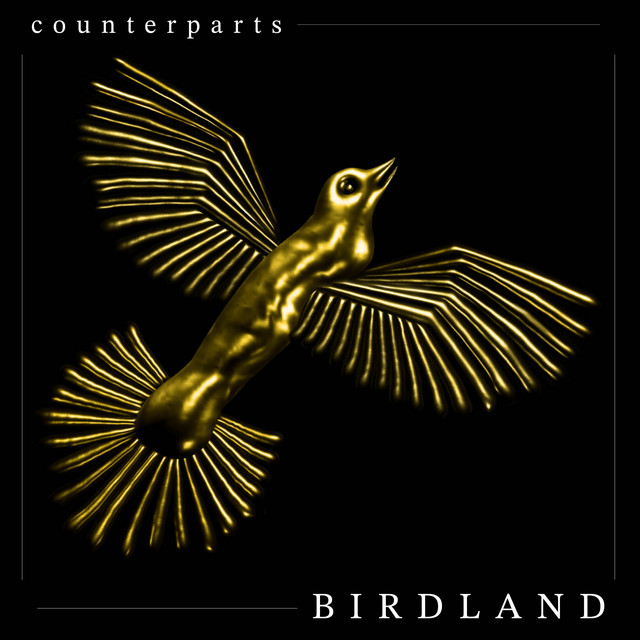
Weather Report's "Birdland," that's a true fusion opus. Joe Zawinul's layered synth orchestrations, marrying acoustic warmth with electronic sheen, were groundbreaking. And Jaco Pastorius, of course, his fretless bass lines are a melodic force unto themselves, providing both harmonic foundation and blistering lead work. The track's dynamic shifts and intricate polyrhythms, all captured with remarkable sonic fidelity in a pre-Pro Tools environment, demonstrate a pinnacle of ensemble musicianship and studio craft. It's an intelligent, vibrant piece.
3. Once In A Lifetime
Talking Heads' "Once In A Lifetime" is an exercise in controlled chaos. Brian Eno's production here is paramount, constructing a dense, polyrhythmic soundscape where every instrument seems to occupy its own distinct pocket. David Byrne's vocal delivery, that almost sermon-like cadence, perfectly articulates the existential dread and suburban ennui. The track’s organic, yet meticulously arranged, feel is a testament to analogue studio wizardry, building tension through repetition and subtle shifts. It's hypnotic, and disturbingly prescient.
4. Blue Monday
New Order’s "Blue Monday," it was a revelation. The length alone was audacious for a single, but it justified every second. That iconic drum machine pattern, a programmed, almost robotic heartbeat, laid the groundwork for so much subsequent dance music. Gillian Gilbert’s arpeggiated synth line is instantly recognizable, cold yet utterly compelling. The sheer scale and meticulous layering achieved through analogue synthesizers and sequencers, without the digital safety net, speaks volumes about its creators' ambition and ingenuity. Still a monumental achievement.

5. Bela Lugosi's Dead (The Hunger Mix)
Bauhaus' "Bela Lugosi's Dead (The Hunger Mix)," that's raw atmosphere. Peter Murphy's voice, a sepulchral croon, commands attention from the onset. The sparse, almost skeletal arrangement, with Daniel Ash's guitar weaving spectral textures and David J's bass providing a deep, resonant throb, creates an oppressive yet alluring sonic space. The analogue reverb and tape delays are crucial here, expanding the sound without losing its essential grittiness. It’s a definitive statement of darkwave’s aesthetic power. Unsettling, and utterly compelling.
6. Iron Man 2
Black Sabbath's "Iron Man" — a cornerstone. Tony Iommi's riff, that monolithic, lumbering beast, is pure sonic architecture, built for maximum impact. Ozzy's vocal, drenched in an eerie echo, tells a tale of transformation and despair. The sound, captured in what was then considered rudimentary studio conditions, possesses a raw, visceral power that digital clarity often struggles to replicate. This wasn't just loud; it was heavy, defining an entire genre with its oppressive, yet undeniably catchy, gloom.

7. Thieves Haven
"Thieves Haven," a track that perhaps didn't catch the mainstream but holds its own. The production creates an expansive, almost cinematic soundscape, built with carefully modulated analogue synthesizers. It’s a testament to the era's pioneering spirit in crafting intricate sonic environments without relying on digital post-processing. The interplay of sustained pads and subtly shifting rhythmic elements draws you into its dense, yet oddly soothing, world. This is about texture and mood, meticulously constructed.
8. Rise Above
Black Flag's "Rise Above" from *Damaged* — that’s pure, unadulterated aggression. Henry Rollins's vocal delivery, a guttural roar of defiance, is utterly captivating in its intensity. Greg Ginn's guitar tone, a buzzsaw of distortion, cuts through everything, propelled by the relentless rhythm section. The production, stark and unpolished, perfectly captures the band's raw, uncompromising energy. It wasn't about studio sheen; it was about capturing a visceral, immediate feeling. A furious, essential statement.
9. The Message
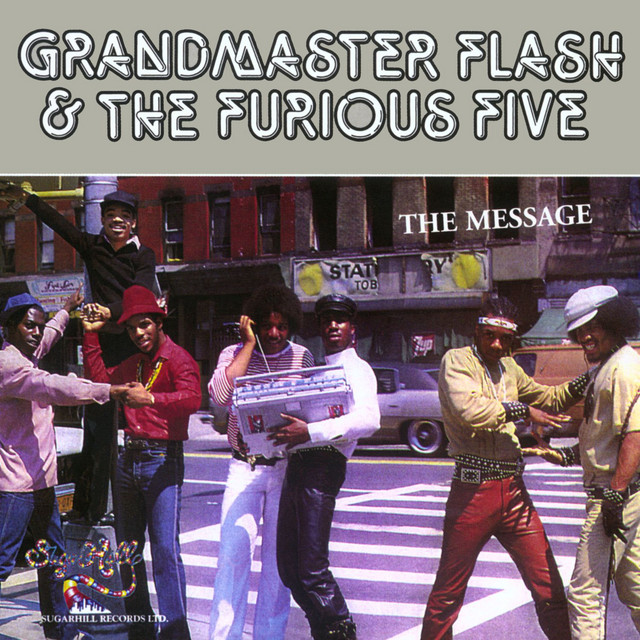
Grandmaster Flash & The Furious Five’s "The Message," it fundamentally shifted the landscape. Beyond the revolutionary lyrical content, painting a stark portrait of urban decay, the track's rhythmic foundation was groundbreaking. That sparse, yet insistent, drum machine beat, combined with the instantly recognizable synth riff, created a mood that was both stark and deeply funky. It proved that rap could be a powerful vehicle for social commentary, all crafted with the limited but impactful tools of the early 80s studio.

10. Oxygene (Part IV)
Jean-Michel Jarre's "Oxygene (Part IV)" – a masterpiece of analogue synthesis. The sheer warmth and organic quality of those sounds, sculpted from a vast array of vintage equipment, is still breathtaking. Jarre understood how to build expansive, cinematic soundscapes with limited tracks, creating a sense of wonder and vastness. The meticulous layering and spatial effects, all achieved through tape delays and spring reverbs, showcase a true artisan at work, pushing the boundaries of electronic music without any digital shortcuts. Timeless.
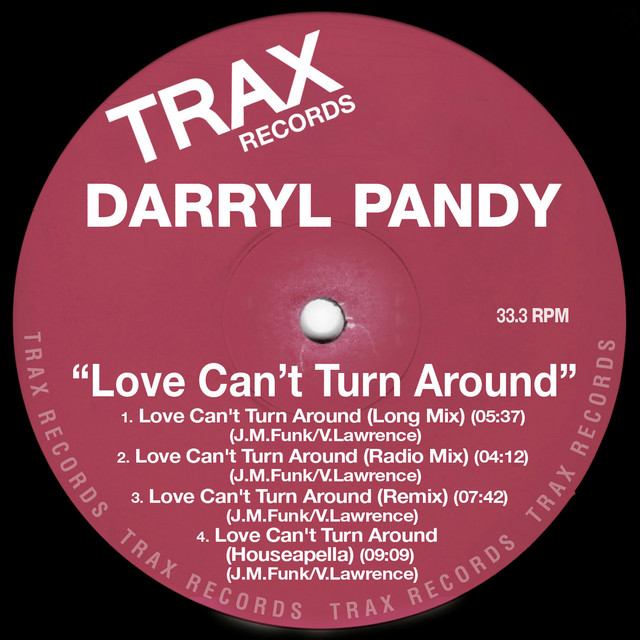
11. Love Can't Turn Around
Farley Jackmaster Funk's "Love Can't Turn Around" – this is foundational house. Darryl Pandy's vocal, a soaring, gospel-infused performance, is pure fire and energy. The raw, driving rhythm, built around a Roland 909 and a simple but effective synth bassline, created an irresistible pulse. It's a prime example of how ingenuity with limited equipment in a pre-digital studio could yield such a powerful, emotionally charged dance record. You can hear the future of dance music in every beat.