

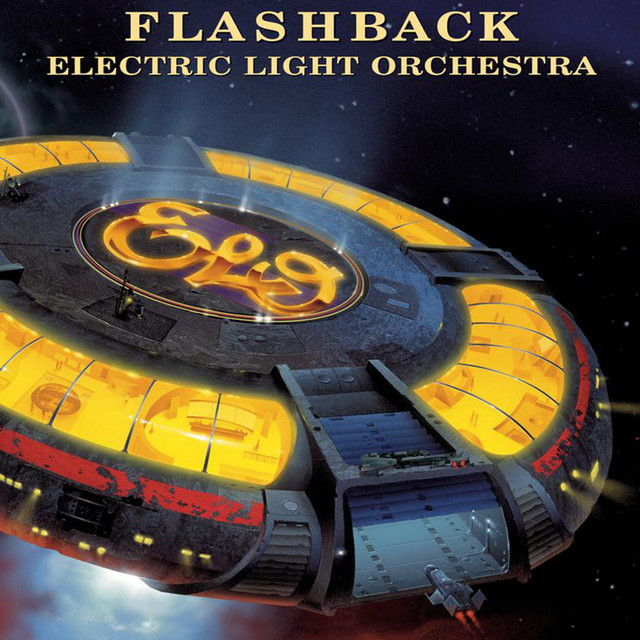
1. Flashback
The sheer audacity of this track's production reveals the synthesizer as a central character, not merely accompaniment. That vocoder-drenched vocal, meticulously layered and processed, stands as a testament to engineers pushing the boundaries of what was sonically achievable. Every synth patch, every drum machine hit, feels sculpted with an almost architectural precision, demonstrating how a studio could become a sonic laboratory. It's a masterclass in early electronic sound design.
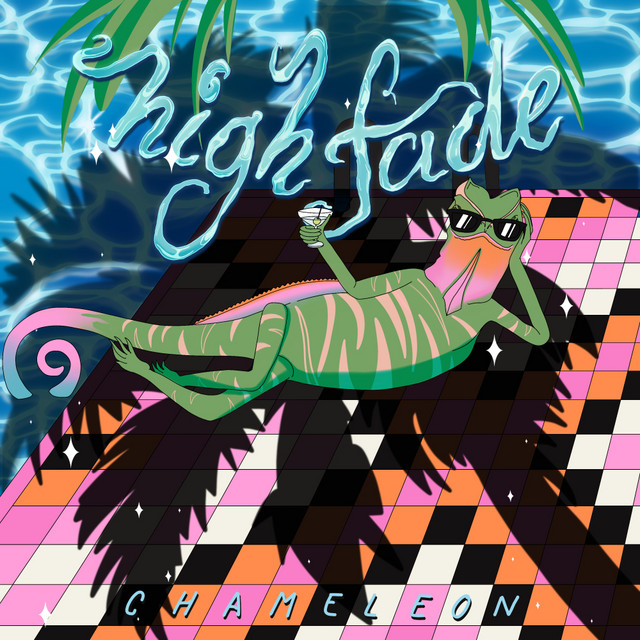
2. Chameleon
Hancock's masterpiece isn't just about the musicianship; it's about the studio as a crucible for that iconic groove. The way the Clavinet's wah-wah is sculpted, the meticulous placement of each percussive element, and the seamless integration of electronic textures with acoustic instruments—it all speaks to an engineer's deft hand. This isn't merely a recording; it's a carefully constructed sonic environment where every sound occupies its perfect space, driving that irresistible funk.
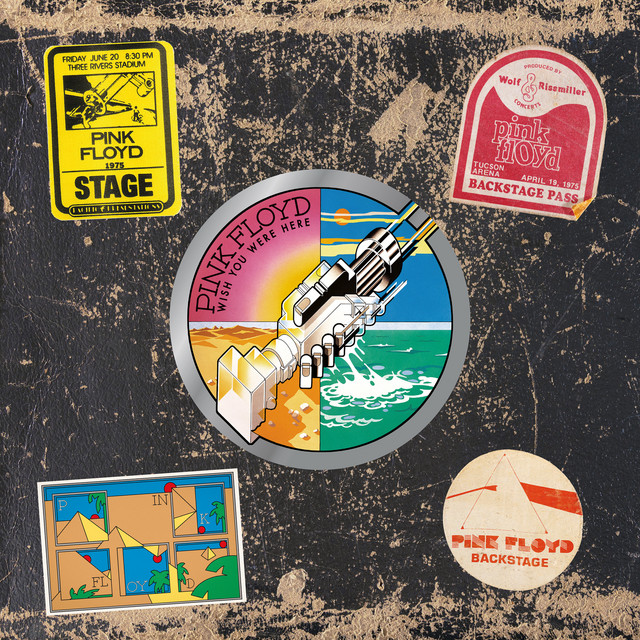
3. Shine On You Crazy Diamond (Pts. 1-9, New Stereo Mix)
Forget the 'new stereo mix' for a moment; the original's genius lay in its spatial manipulation. The legendary EMS VCS 3, the endless tape delays, the reverbs stretching into cosmic voids—these weren't just effects, but integral compositional elements. The studio became a vast canvas, allowing Gilmour's guitar to weep across dimensions, each note suspended in an ethereal, meticulously crafted atmosphere. It proved that sound could be architected, not just captured.

4. War Pigs (Charity Version)
The original 'War Pigs' is a masterclass in raw, unadulterated power, meticulously captured. The sheer heft of Iommi's guitar, the cavernous rumble of Butler's bass, and Ward's thunderous drums—it all screams analog saturation. Microphones were placed not just to record, but to emphasize the crushing weight. The studio became a pressure cooker, distilling aggression and doom into a sonic wall that few could replicate without understanding the nuances of overloading tape and tubes.

5. Blue Monday
This track exemplifies how the studio itself could be the primary instrument, even more than the musicians. The relentless LinnDrum pattern, the iconic sequenced bassline, the meticulously layered synthesizers—they were all painstakingly assembled, often note by note, on early sequencers and tape. The cold, precise aesthetic wasn't accidental; it was engineered, a testament to the era's nascent electronic music production pushing sonic and rhythmic boundaries. It was a machine-driven symphony.

6. Bela Lugosi's Dead (The Hunger Mix)
The original's legendary atmosphere is amplified here, a testament to the analog studio's ability to craft dread. That endless, echoing guitar, the spectral vocals, the sparse, clanking percussion—it's all swimming in a carefully constructed sonic void. The engineers didn't just record; they built a haunted house with reverb and delay units, making silence as potent as sound. It’s an immersion into a gothic soundscape, engineered for maximum chilling effect.

7. Don't Stop 'til You Get Enough
Quincy Jones and Michael Jackson used the studio as a precision instrument here, crafting an intricate tapestry of sound. Each layer—from the crisp drum machine and live percussion interplay to the myriad vocal harmonies and meticulously placed string and horn arrangements—is flawlessly executed and polished. The sheer number of tracks, expertly blended and compressed, creates a vibrant, expansive soundstage that defined the era's sophisticated pop-funk production. It's a marvel of analog mixing.
8. Can You Feel It
This track is a masterclass in orchestral funk, where the studio became the conductor's baton. The immense soundstage, the soaring strings, the precise horn arrangements, and the multi-layered vocals all converge into a glorious, uplifting wave. Engineers meticulously balanced dozens of tracks, creating a panoramic sonic experience that felt both intimate and epic. It demonstrated how analog warmth could be harnessed to create a truly grand, immersive production.

9. Thieves Haven
Throbbing Gristle didn't just record music; they weaponized the studio. This track is a stark example of how tape loops, feedback, and raw, unfiltered noise could be sculpted into something profoundly unsettling. The degradation of sound, the deliberate use of distortion, and the abrasive textures weren't flaws but intentional expressions. The studio was a laboratory for sonic deconstruction, proving that 'imperfections' could be the very essence of the art.
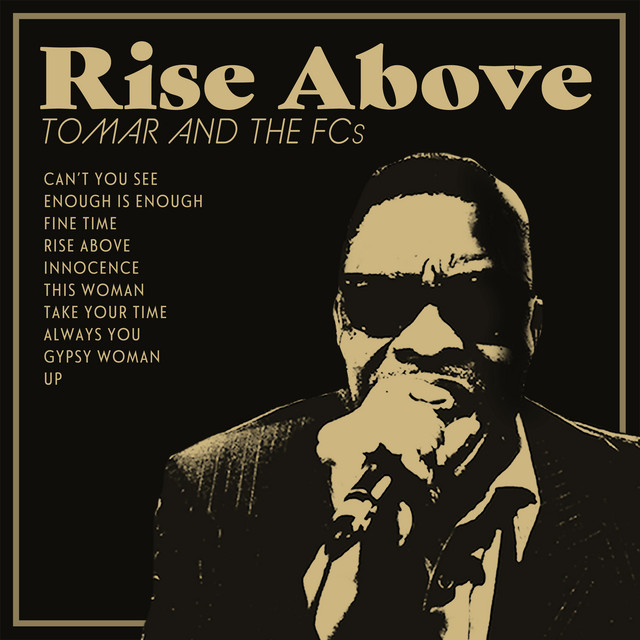
10. Rise Above
For all its raw aggression, 'Rise Above' exemplifies the pre-digital studio's ability to capture visceral energy without sanitization. The sound is direct, unflinching, with instruments colliding in a tightly wound burst of fury. There's little in the way of polished effects; instead, the engineers focused on conveying the band's unbridled power and immediacy. It's a testament to how stripped-down production could amplify punk's fundamental urgency.
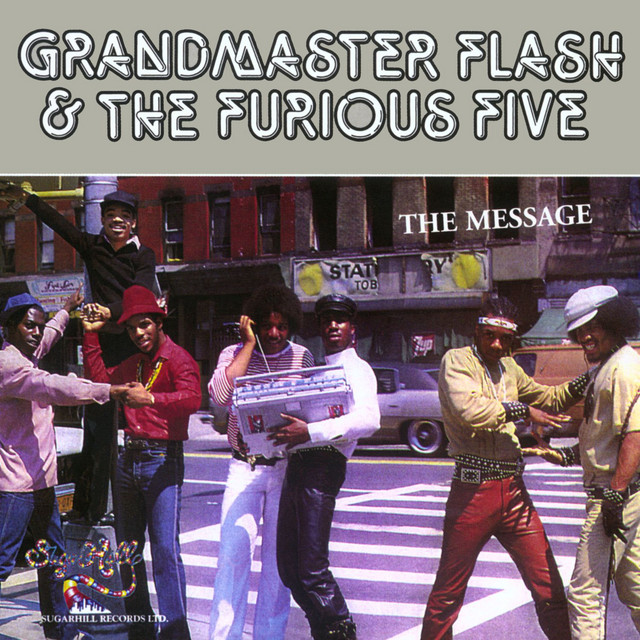
11. The Message
This wasn't just a record; it was a manifesto, built brick-by-brick in the studio. The iconic Roland TR-808 drum machine provided the gritty, urban heartbeat, while carefully selected samples and effects (tape echo, rudimentary filters) painted the bleak soundscape. The vocals, delivered with stark clarity, sit atop this meticulously constructed rhythmic and atmospheric foundation, proving that the studio could be the primary architect of a new musical language.