
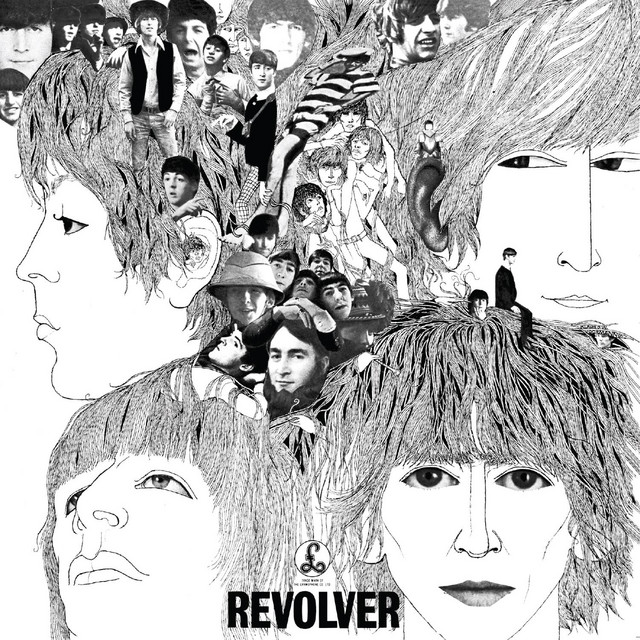
1. Revolver (Remastered)
Hearing these tracks on CD for the first time, then later through early digital files, felt like unlocking history. The remastering wasn't just about polish; it highlighted the raw studio innovation that birthed so much of what came later. It’s a foundational text, reminding us how intricate and boundary-pushing pop could be, influencing countless bands who then shaped the Digital Explosion's sound. Still sounds impossibly fresh.

2. Teardrop
That opening heartbeat, a primal rhythm pulling you into Massive Attack's world. It was the sound of late-night contemplation, the soundtrack to navigating early internet forums. Liz Fraser's voice just floats, ethereal and haunting, over those dark, intricate beats. This track defined trip-hop for me, a genre that felt uniquely suited to the digital age's melancholic introspection. Pure atmosphere.
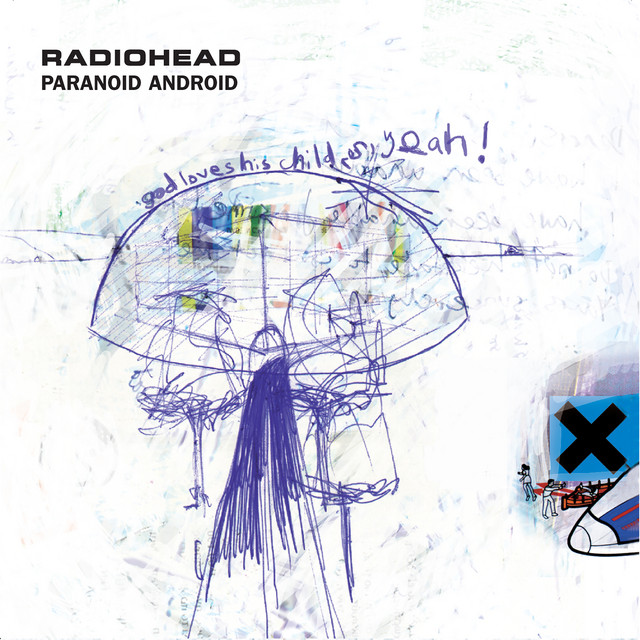
3. Paranoid Android
Radiohead truly went for it here. Seven minutes of shifting moods, from acoustic melancholy to full-blown guitar chaos, then back again. It felt like a sprawling, ambitious statement about modern anxiety, perfectly mirroring the information overload starting to define our lives. Every listen still uncovers a new layer, a new glitch in the matrix of its composition. A masterpiece of digital-era angst.
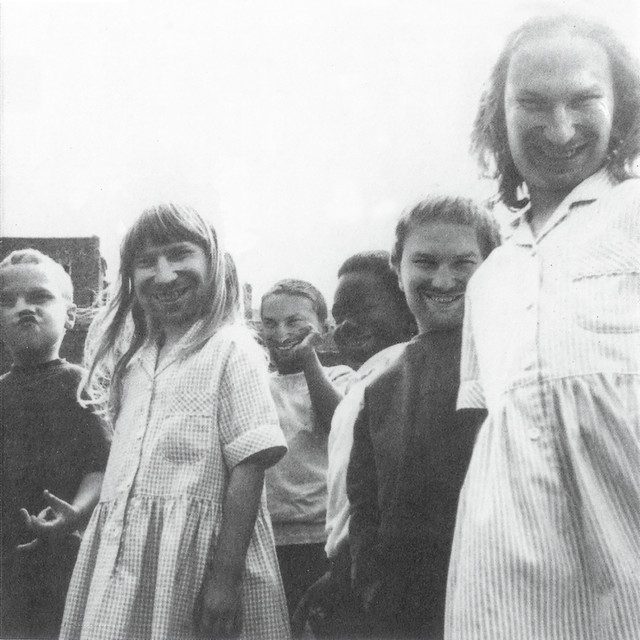
4. Come To Daddy
Aphex Twin was an enigma, and this track was his terrifying, exhilarating calling card. It’s pure IDM chaos, industrial rhythms clashing with warped vocals and abrasive synths. The video was iconic, but the sound itself was a visceral shock, a glimpse into the darker, more experimental fringes of electronic music. It proved digital sound design could be utterly unhinged, yet meticulously constructed.

5. Spiderweb
No Doubt brought this energetic, ska-punk-infused pop-rock directly into my early digital listening. Gwen Stefani’s vocals, full of attitude and defiance, made it an anthem for navigating suburban angst. It had that perfect blend of catchy hooks and raw energy, a staple on burned CDs and early MP3 players. The kind of track that just *fit* the vibe of mid-90s youth culture.

6. The Life Aquatic Exclusive Studio Sessions Featuring Seu Jorge
This soundtrack dropped right when I was devouring indie films, and Seu Jorge’s Portuguese Bowie covers were a revelation. Stripped-down, acoustic, and heartfelt, they transformed familiar melodies into something entirely new and intimate. It showed how digital distribution could bring niche, beautiful projects to a wider audience, proving that sometimes, less truly is more.

7. Woke Up
The Dandy Warhols had this effortless cool, and "Woke Up" was its slacker anthem. That fuzzy guitar riff, the detached vocals – it just clicked. It was the sound of cruising through the late 90s, a perfect blend of Britpop swagger and American indie rock nonchalance. Hearing it felt like discovering a secret club, a digital handshake among those who appreciated its understated brilliance.

8. Cannonball (feat. Don Toliver)
Even though it arrived later, "Cannonball" channels that experimental digital energy. It’s a track that feels undeniably *now*, but its warped synths and trap-infused beat speak to the digital production evolutions that started in the 90s. The layered textures and vocal processing show how far digital manipulation has come, yet the spirit of sonic exploration feels familiar.

9. Left Hand Suzuki Method
DJ Shadow was a wizard, turning dusty crate-digging finds into entirely new soundscapes. This track, with its intricate samples and cinematic scope, was a masterclass in instrumental hip-hop. It felt like hacking into a forgotten archive, reassembling fragments into something profound. Digital technology was the loom, and Shadow was weaving sonic tapestries that defied categorization.
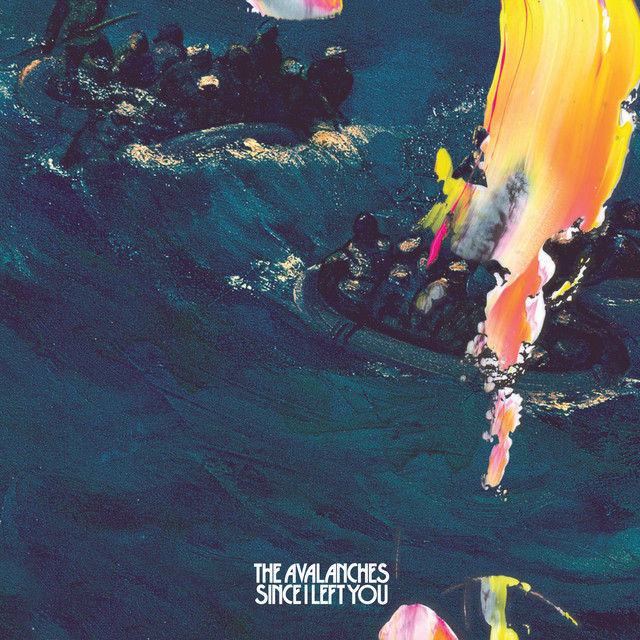
10. Since I Left You (20th Anniversary Deluxe Edition)
The original album was a kaleidoscopic journey, a sample-based masterpiece that felt like a love letter to music itself. The deluxe edition reminded me of that initial magic. It was pure joy, constructed from thousands of tiny digital fragments. The Avalanches showed how a computer and an encyclopedic knowledge of samples could create something so utterly human and uplifting.

11. Common People
Pulp’s masterpiece, a scathing, witty commentary on class and aspiration. Jarvis Cocker's storytelling, combined with that iconic synth riff and soaring chorus, made it an instant Britpop classic. It was intelligent, sarcastic, and utterly danceable. This track perfectly encapsulated the era's blend of social observation and pop brilliance, a truly unforgettable anthem of the digital 90s.