
1 / 11
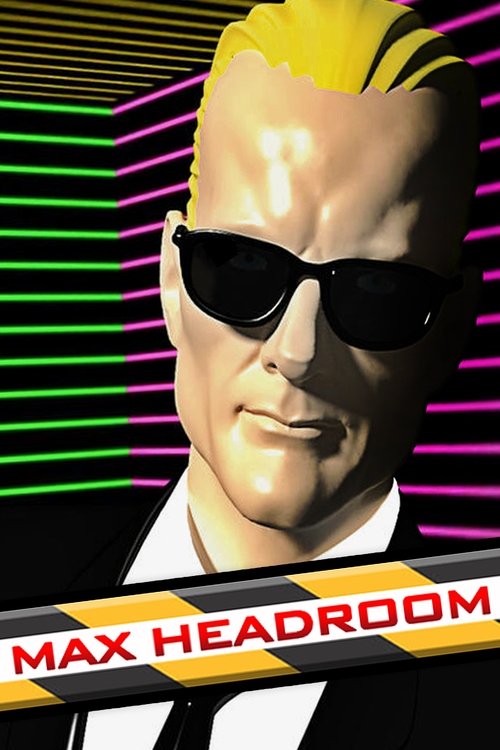
1. Max Headroom
That glitchy, stuttering AI face was pure future shock, man. This wasn't just some talking head; it was a mirror held up to a world drowning in screens, information overload, and corporate control. The analog distortion, the neon glow, the frantic energy – it felt like a pirate broadcast from tomorrow. It was cyberpunk before cyberpunk was cool, a hyper-stylized warning that media was going to eat us alive. And that laugh? Still echoes in the static.
2 / 11

2. Lexx
Oh, *Lexx*. A giant, sentient, insectoid spaceship eating planets, captained by a coward, crewed by a dead assassin and a love slave. It was cheap, it was dirty, and it was glorious. Part space opera, part grotesque comedy, part philosophical acid trip, it carved its own weird niche. The practical effects were often dodgy, but the vision was always enormous. Pure, unadulterated cult weirdness that stuck with you.
3 / 11
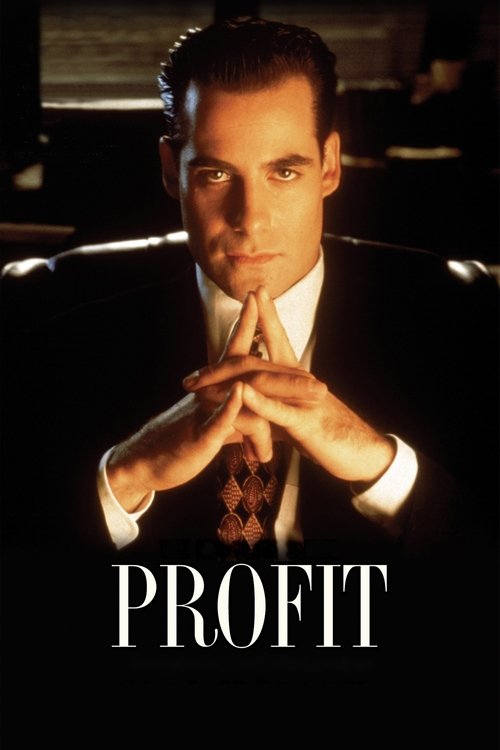
3. Profit
This show was a cold, hard slap to the face. Jim Profit wasn't just a corporate villain; he was the pure, unadulterated id of capitalism, and you almost rooted for him. No heroes, just a terrifyingly intelligent sociopath manipulating everyone in his path with surgical precision. It was sharp, it was cynical, and it got cancelled because it dared to show the ugly, amoral truth of power. Still ahead of its time, still unsettling.
4 / 11
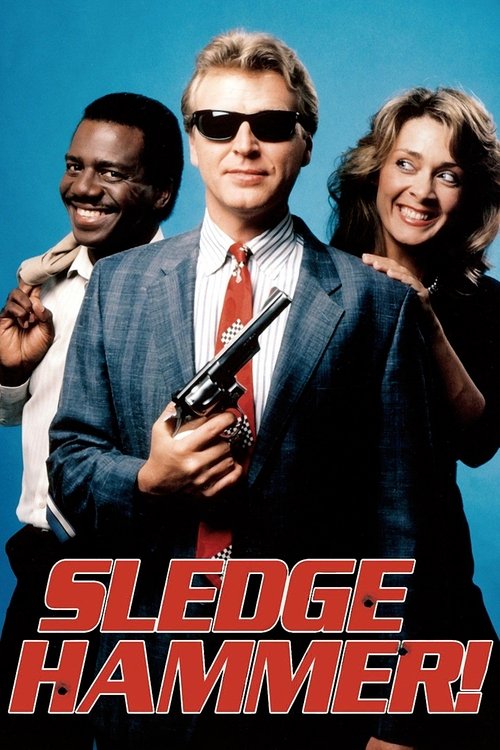
4. Sledge Hammer!
"Trust me, I know what I'm doing." Sledge Hammer was the ultimate send-up of every tough-guy cop show, but with a shotgun-wielding maniac as the hero. It was dumb, it was brilliant, and it absolutely reveled in its own absurdity, constantly breaking the fourth wall. The practical explosions and over-the-top violence were part of the joke. That ending where he blows up the city? Pure, unadulterated legend, a shocking finale.
5 / 11
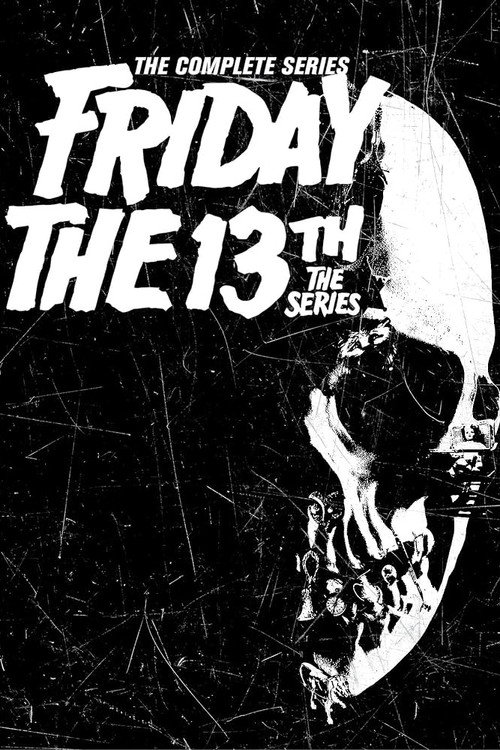
5. Friday the 13th: The Series
Forget Jason, this was about cursed objects and the poor souls trying to get them back before they killed more people. Every week, a new evil antique, a new demonic possession, a new creepy practical effect. It had that syndicated late-night vibe, cheap but effective scares, and a real knack for disturbing imagery. It wasn't high art, but it delivered those creepy chills reliably, every single time, without fail, on a shoestring budget.
6 / 11
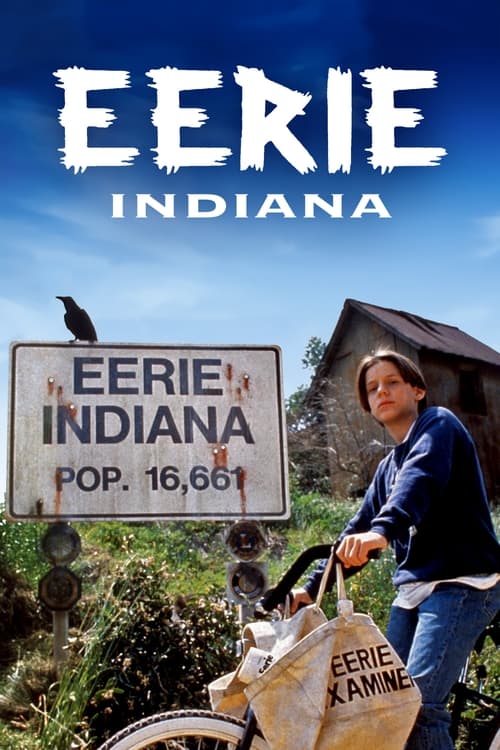
6. Eerie, Indiana
Imagine *The X-Files* but for kids, mixed with a healthy dose of *Twin Peaks* small-town weirdness. Marshall Teller, the only sane person in Eerie, Indiana, documented everything from Elvis still delivering papers to sentient garbage. It was genuinely creepy, genuinely funny, and genuinely smart. A perfect blend of childhood wonder and unsettling Americana that stuck with you. Blew my mind, honestly, every single week.
7 / 11
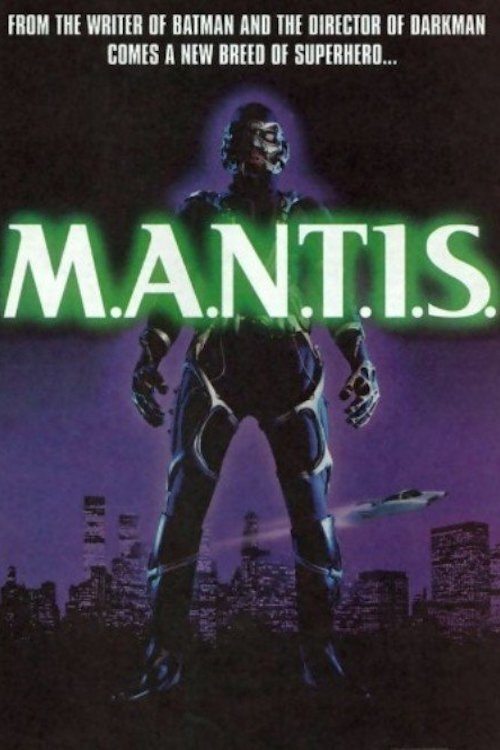
7. M.A.N.T.I.S.
Before big-budget superhero flicks, there was *M.A.N.T.I.S.*, about a paralyzed scientist in a powerful exoskeleton suit. It tried to be dark, gritty, and smart, tackling social issues while delivering sci-fi action. The suit itself was a fantastic practical effect, even if the early CGI often looked clunky and dated. It was ambitious, flawed, and a brave shot at something different for network TV, a truly unique vision.
8 / 11
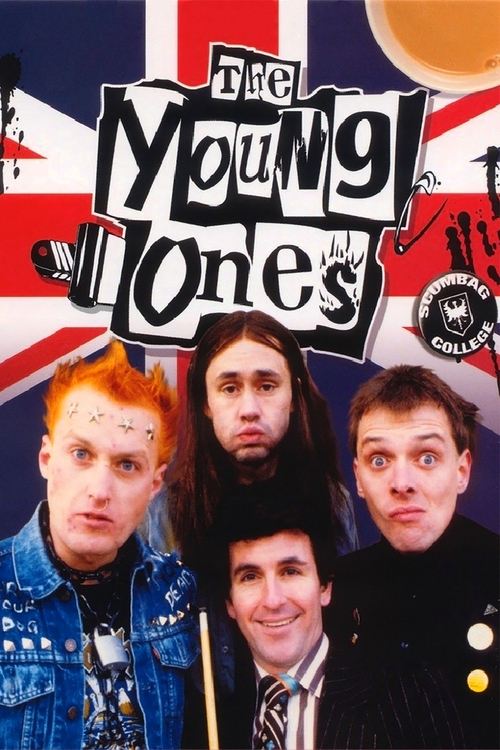
8. The Young Ones
Absolute, glorious chaos. This was punk rock comedy, a live-action cartoon of four mismatched students (and a hamster) destroying their flat and each other. It was loud, rude, surreal, and crammed with practical gags, musical interludes, and pure anarchic energy. Every episode was a fever dream, a beautiful, beautiful mess that shattered sitcom conventions with a sledgehammer. Still holds up, still brilliant, still making me laugh.
9 / 11

9. Wiseguy
Forget the weekly case, *Wiseguy* was all about the deep dive. Vinnie Terranova went so deep undercover, he practically became the criminals he was investigating, blurred lines and all. It pioneered long, serialized story arcs, each one a mini-series in itself, exploring the psychology of power and corruption with brutal honesty. Dark, intense, and dramatically gripping, it was unlike anything else on network TV, a true innovator.
10 / 11
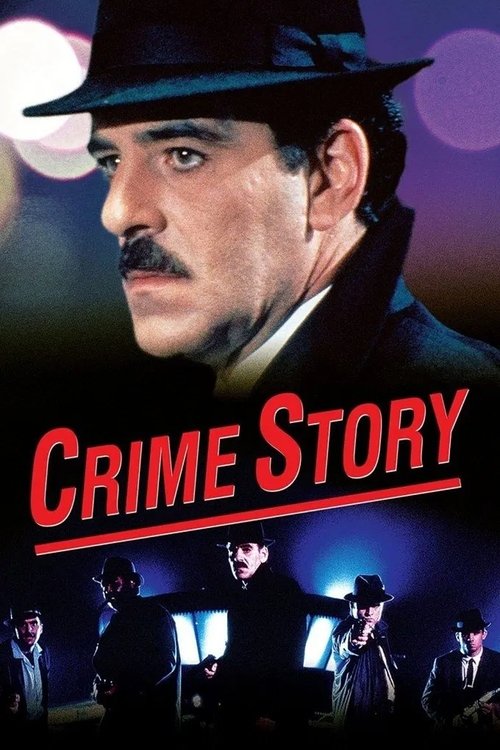
10. Crime Story
Michael Mann brought cinematic grit to the small screen with *Crime Story*. Set in 1960s Chicago, it followed a relentless cop chasing a rising mobster across years. It was stylish, violent, and surprisingly serialized for its time, with long, tense arcs instead of self-contained episodes. The period detail, the performances, the sheer intensity – it felt like a feature film playing out every week, a real game-changer for television drama.
11 / 11
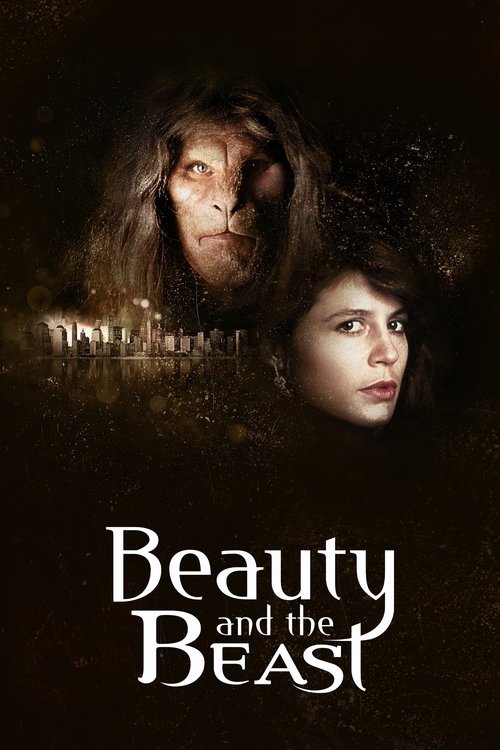
11. Beauty and the Beast
This wasn't the cartoon. This was a dark, gothic romance set in the hidden tunnels beneath New York City. Linda Hamilton as the prosecutor, Ron Perlman as the lion-man Vincent. It was earnest, deeply emotional, and embraced its fantastical premise with total commitment. The maximalist, poetic dialogue and tragic romance made it pure, unadulterated prime-time melodrama, truly a unique beast on the airwaves back then.