

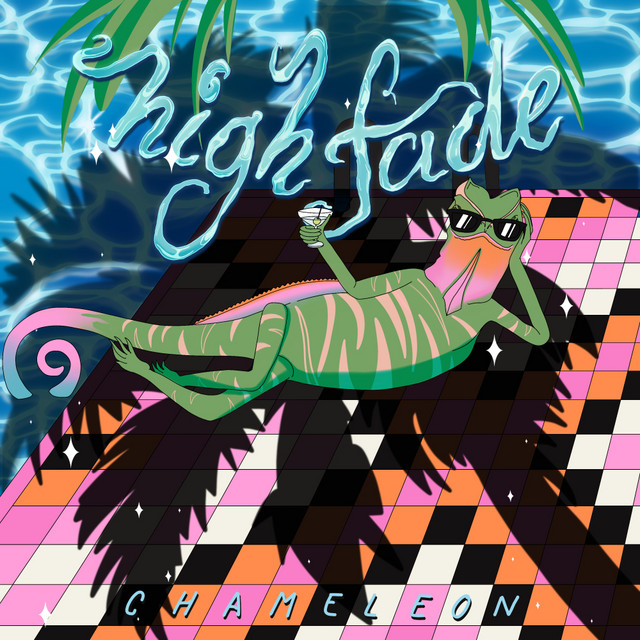
1. Chameleon
This track, a veritable blueprint for jazz-funk, showcases the ARP Odyssey and an early Moog Bass in a conversation with a rhythm section that simply *grooves*. The pre-digital studio captured a raw, improvisational energy, yet the arrangement is meticulously layered. Its foundational bassline and synth squelches became a lexicon for countless musicians pushing the boundaries of fusion, demonstrating how electronic textures could seamlessly integrate with organic instrumentation, not merely replace it.
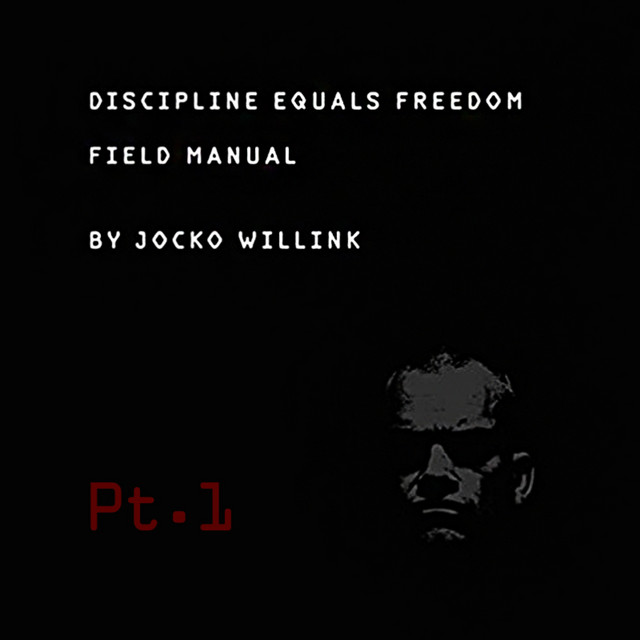
2. Discipline Equals Freedom Field Manual, Pt. 1 (Thoughts)
While my analytical focus typically dissects the intricate sonic architectures of musical compositions, this 'sonic program' presents a different challenge. It is a spoken-word directive, devoid of the harmonic and rhythmic complexities I usually assess. Yet, the stark, unadorned delivery carries a certain gravity, a primal command that, though not music, asserts its presence through the sheer force of its unadulterated vocal projection. A curious departure.

3. Blue Monday
This was a seismic event. The Oberheim DMX drum machine laid down an utterly relentless, mechanical pulse, while sequencers drove a bassline that was both cold and irresistibly danceable. It defied the guitar-centric dogma of post-punk, embracing electronic precision without sacrificing emotional depth. The studio wizardry here crafted a sound both alien and profoundly influential, mapping out the future of electronic dance music with stark efficiency.
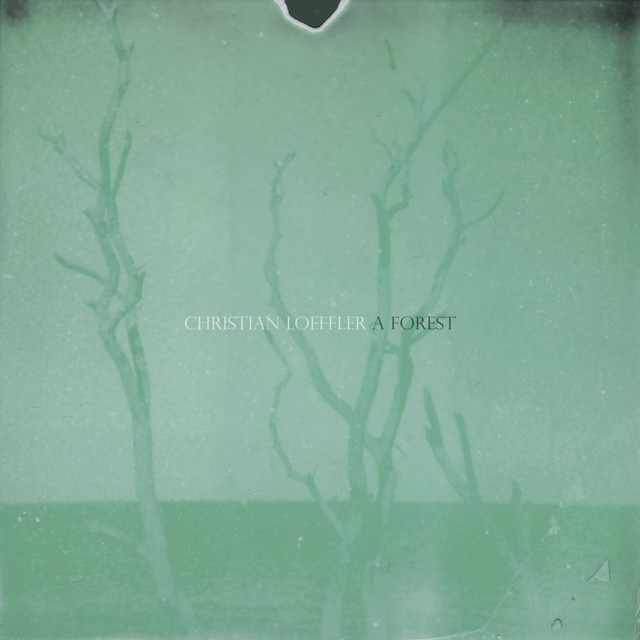
4. A Forest
The mastery of atmosphere here is undeniable. Robert Smith's reverb-drenched guitar lines weave through a dense, pulsating bass presence, creating a sonic landscape of profound melancholy. This wasn't merely a song; it was an environment. The pre-digital studio allowed for a meticulous crafting of space and echo, transforming simple melodic figures into something vast and almost physically oppressive, a true darkwave triumph.
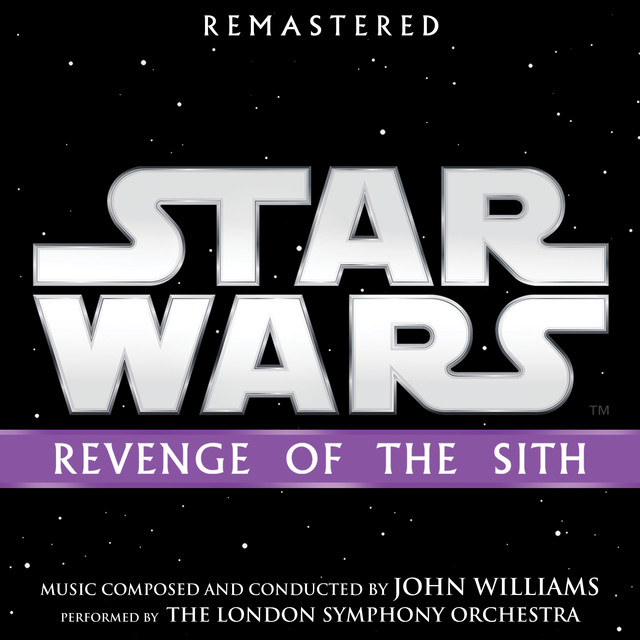
5. Star Wars: Revenge of the Sith (Original Motion Picture Soundtrack)
John Williams, of course, is a titan whose orchestral power defined an era of cinematic soundscapes. However, this particular collection arrived well after the period where I was actively charting the course of musical innovation. While I appreciate the grandiosity and thematic development characteristic of his earlier, seminal works, this specific recording falls outside the immediate purview of my established aural timeline.
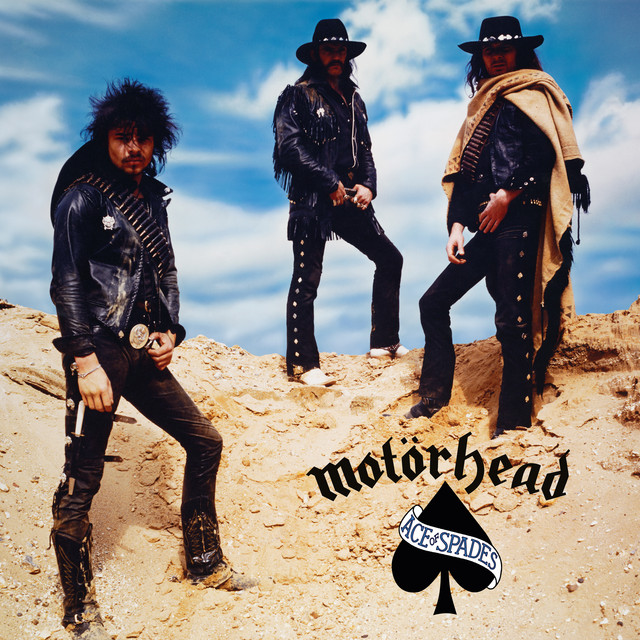
6. Ace of Spades
Lemmy's bass growl, a distorted beast, drove this locomotive. This wasn't just metal; it was speed-infused, punk-laced aggression, recorded with a raw immediacy that few could match. The pre-digital studio captured the band’s visceral power without sanding down any edges, making it sound like a live assault. Its sheer, unadulterated force laid a cornerstone for speed metal and thrash, relentless and uncompromising.
7. Good Times Go
The Stranglers always charted their own course, and this track is a perfect encapsulation. Jean-Jacques Burnel’s distinctive, grinding bass anchors a soundscape often punctuated by Dave Greenfield’s swirling organ. It's a cerebral, slightly detached brand of new wave, pushing against commercial norms with an almost art-rock sensibility. The studio captured their idiosyncratic charm, never quite fitting any easily defined category, which was their strength.
8. Messages From The Blue (Rushkeys Remix)
The art of the remix, even in the pre-digital era, was about recontextualization—dub versions, extended edits. While 'Rushkeys' as an entity wasn't charting my radar, the concept of taking an existing sonic program and re-sculpting its rhythmic or textural core was a vital part of the post-disco and early house landscape. It demonstrates the malleability of sound, even before sophisticated digital workstations became ubiquitous.
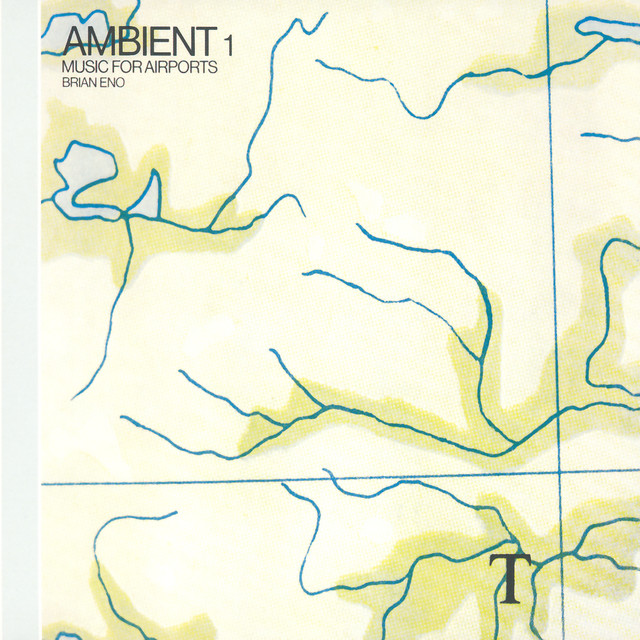
9. Ambient 1: Music For Airports (Remastered 2004)
Eno's seminal work established an entirely new sonic philosophy. Employing tape loops and careful spatial arrangements in the studio, he crafted a sound that was designed to be both ignorable and interesting. The original recordings were a masterclass in pre-digital textural composition, creating vast, evolving soundscapes. Though this is a remaster, the integrity of his groundbreaking, systems-based approach remains profoundly clear.
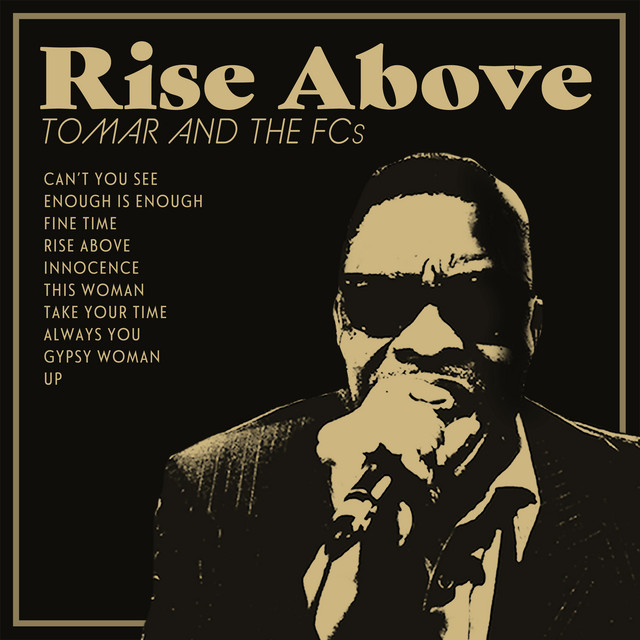
10. Rise Above
This was a direct, unapologetic punch to the gut. The production here is deliberately raw, capturing the visceral energy of hardcore punk with an almost documentary-like fidelity. Greg Ginn's angular guitar riffs and Henry Rollins's snarling vocals cut through the mix with urgent precision. It's a testament to how pre-digital studios, when stripped of excess, could amplify raw aggression into a potent, uncompromising statement.
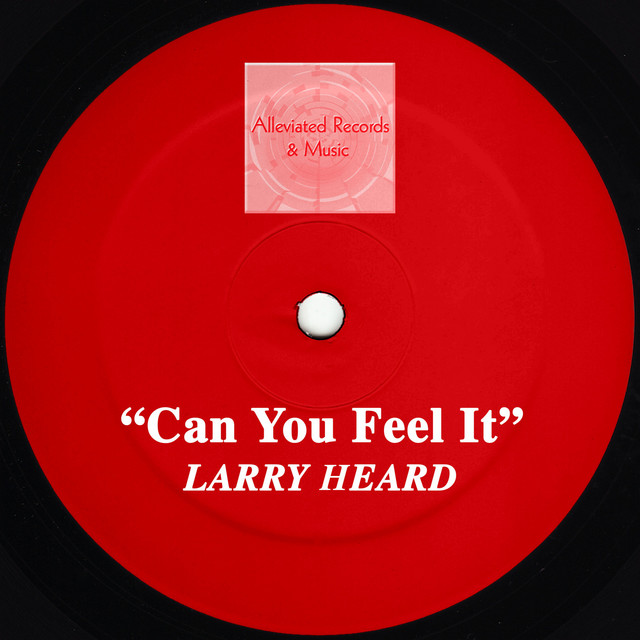
11. Can You Feel It
An absolute masterpiece of post-disco maximalism. The sheer scale of the production, with its soaring strings, brass fanfare, and layered vocals, creates an almost overwhelming sense of uplift. This track exemplifies the meticulous pre-digital studio craft, where every element was precisely placed to build a truly symphonic groove. It was a testament to ambition, a sprawling sonic journey that demanded full immersion.