

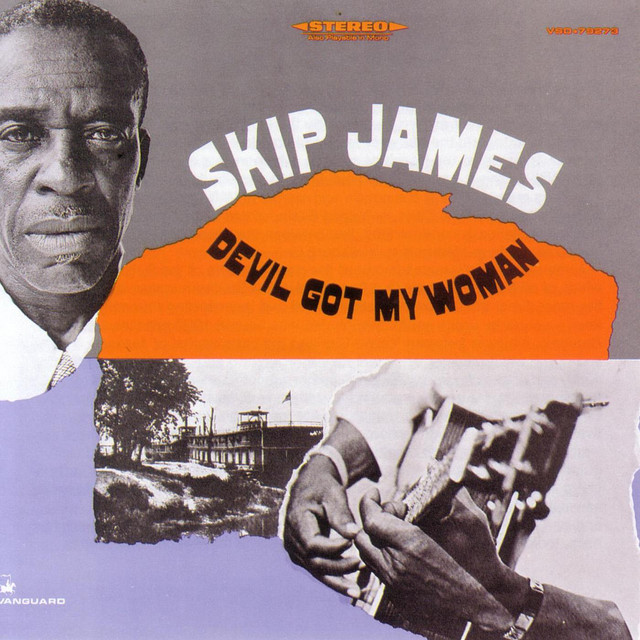
1. Devil Got My Woman
Skip James's 1931 recording is raw, otherworldly Delta blues. His falsetto, that haunting D-minor tuning on guitar, it’s not just music; it’s a lament pulled from the very soul of the American South. This track, sparse and unnerving, laid a deep, dark root for everything from folk revivalists to the darkest corners of rock. It’s pure, foundational sorrow, distilled.
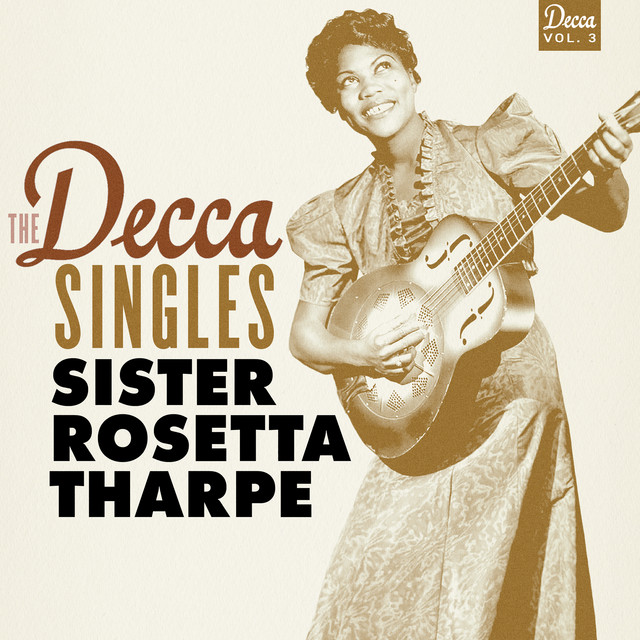
2. The Decca Singles, Vol. 3
This collection, drawn from the vital pulse of the 1950s and early 60s, captures that moment before rock & roll was tamed. You hear the raw, unfettered spirit of youth, blues shouting and R&B swagger colliding with pure, unadulterated energy. These aren’t just songs; they’re declarations, a primal scream against the polite norms, shaping the very language of rebellion for decades.

3. Rumble - The Swag
Link Wray, circa 1958-1960, didn’t just play guitar; he attacked it. "Rumble" with its distorted, menacing swagger, was a primal snarl, no words needed. It invented the sound of menace, a blueprint for garage rock and punk. Then "The Swag" cemented that raw, instrumental aggression. This wasn't sophisticated; it was gut-level, dangerous, and utterly essential.
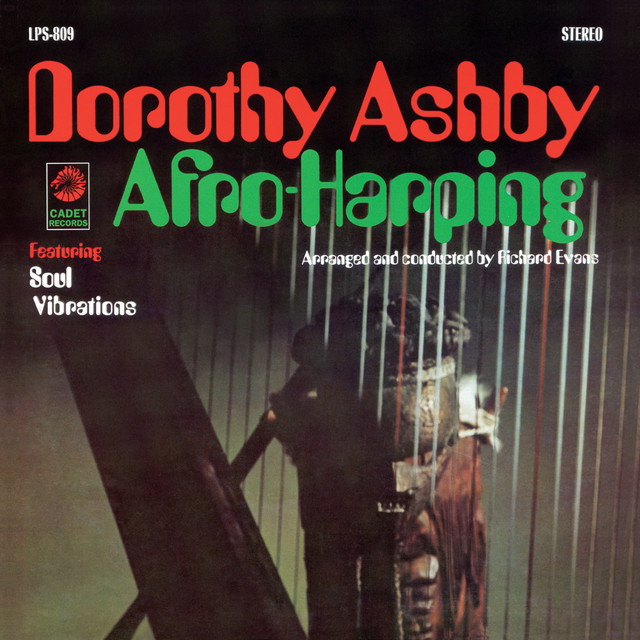
4. Afro-Harping
Dorothy Ashby, in 1968, took an instrument often relegated to parlor music and blasted it into orbit. Her harp wasn't delicate; it was a soulful, funky beast, weaving intricate jazz lines with undeniable groove. This LP wasn't just fusion; it was an expansion of jazz's very definition, proving that true artistry transcends expectations, creating new sonic landscapes.
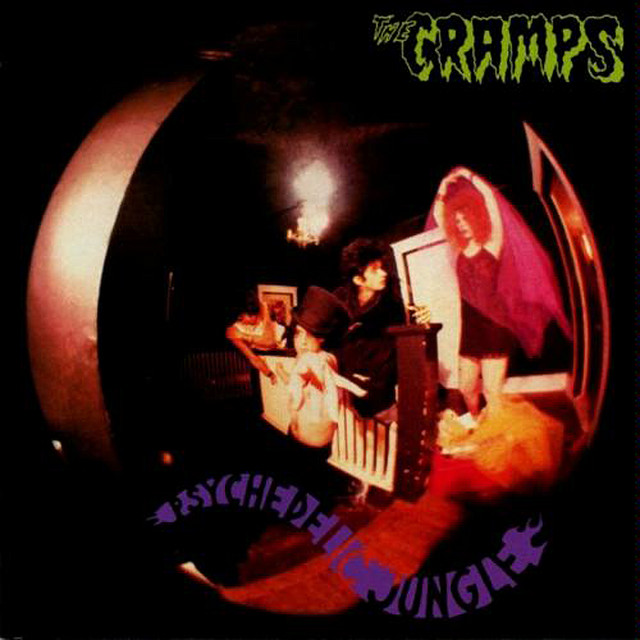
5. Psychedelic Jungle
The Cramps, 1981, were a glorious, trashy mess. This album dug up forgotten rockabilly, B-movie horror, and primal blues, then drenched it all in gasoline and lit a match. It’s garage punk perfected, a sneering, hip-shaking antidote to everything polite. Lux Interior's primal yelp and Poison Ivy's razor-sharp guitar were a potent, undeniable force.

6. Punta Cana
This track, assuming an early electronic or dance cut from the late 70s or early 80s, captures the burgeoning pulse of club culture. It’s a hypnotic, driving rhythm, layered with subtle synth textures that hint at future house and techno. It’s the sound of liberation on the dancefloor, an infectious groove that transcends geographical boundaries, beckoning you into the night.
![Frankie Teardrop (First Version) (7" Edit) [2022 Remaster]](https://i.scdn.co/image/ab67616d0000b273fba6a35ec99508fba9ca6353)
7. Frankie Teardrop (First Version) (7" Edit) [2022 Remaster]
Suicide’s 1977 original, even in its 7-inch edit, remains a terrifying, minimalist masterpiece. Alan Vega’s guttural shriek over Martin Rev’s stark, relentless electronic throb wasn't just punk; it was industrial horror. The 2022 remaster just sharpens the razor's edge of this visceral, unrelenting descent into urban paranoia. Unforgettable, and still unnerving.
![United [(Two Lone Swordsmen Remix) [Vocal Version]]](https://i.scdn.co/image/ab67616d0000b2734001441740b6a134378ee15a)
8. United [(Two Lone Swordsmen Remix) [Vocal Version]]
This remix, while likely from the late 90s, is steeped in the dark electronic and industrial lineage of the 80s. Two Lone Swordsmen take a core idea and reconstruct it into a mechanistic, driving beast. They craft a dense, propulsive soundscape where vocals become another rhythmic texture, pushing the boundaries of dance music into darker, more abstract territories. Brooding and powerful.
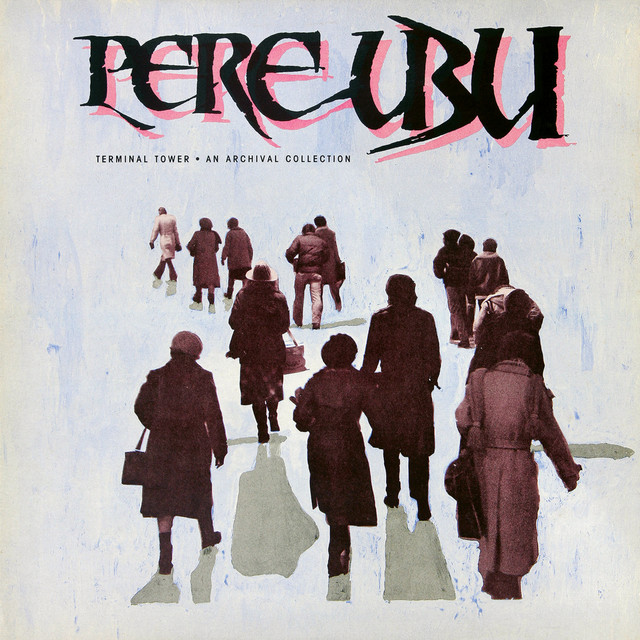
9. Terminal Tower
Pere Ubu’s 1985 compilation is a vital document of their 1975-1980 output, showcasing Cleveland's avant-garde rock at its most angular and challenging. David Thomas’s unique yelp, alongside the band’s industrial clang and off-kilter grooves, forged a sound unlike anything else. This was post-punk truly pushing into uncharted, unsettling territory. Essential listening for the truly adventurous.
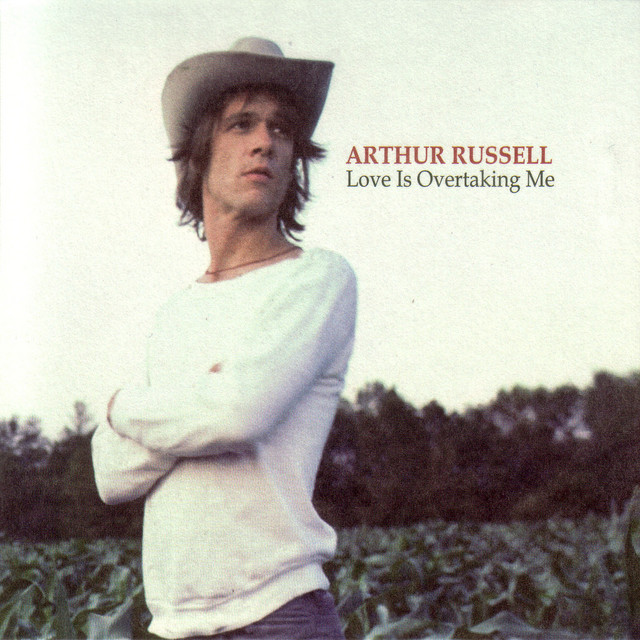
10. Love Is Overtaking Me
Arthur Russell’s work, recorded across the 70s and 80s, defies easy categorization. This track captures his unique blend of sparse, intimate folk arrangements with an undercurrent of early disco's hypnotic pulse. It’s profoundly personal, yet universally resonant, a quiet revolution in songwriting that bridged seemingly disparate worlds with understated brilliance. Pure, unadorned emotion.
11. Evil
Howlin' Wolf, in 1954, unleashed pure, unadulterated primal force. His growl, Hubert Sumlin’s biting guitar lines, and that relentless Chicago blues shuffle – it was raw, menacing, and utterly captivating. This track wasn't just blues; it was a blueprint for rock and roll aggression, a powerful declaration of intent that reverberated through every subsequent electric guitar blast.