

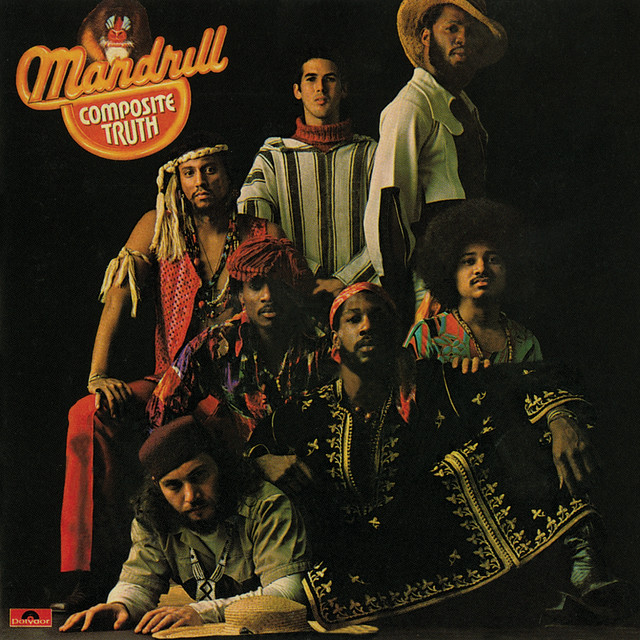
1. Composite Truth
Government Issue, by the late 80s, had refined their hardcore to an almost artful degree. This track, in particular, showcased their technical prowess and shifting dynamics, moving beyond simple aggression. It maintained that raw, unfiltered energy but injected a surprising melodicism and structural complexity. And, the rhythm section's unyielding drive, captured with such immediacy in the pre-digital studio, it truly embodied a maturing punk rock sensibility.

2. Future Days (Remastered Version)
Can's 'Future Days' was a deeply atmospheric, almost aquatic venture into what krautrock could become. It wasn't about conventional song structures; it was about textures, sustained drones, and the inimitable, propulsive yet abstract rhythms of Jaki Liebezeit. And, the way they wove those psychedelic guitar lines and Damo Suzuki's ethereal vocals into such a cohesive, immersive soundscape, it simply expanded the very notion of what a 'band' could achieve in a studio environment.
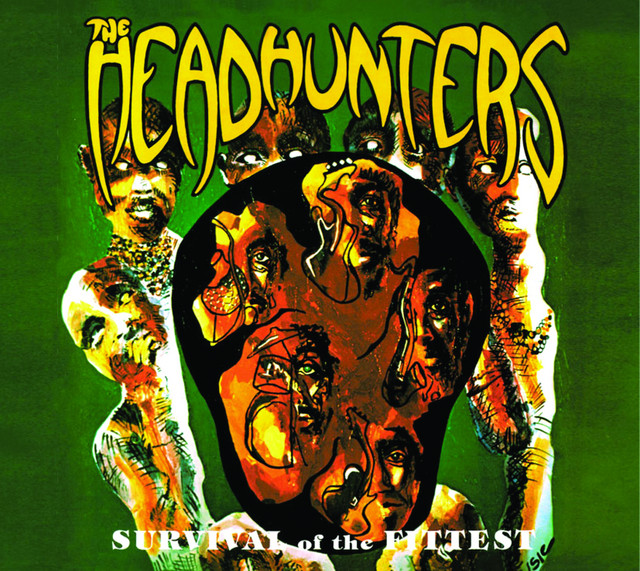
3. Survival Of The Fittest
Herbie Hancock's 'Head Hunters' wasn't just fusion; it was a fundamental re-calibration of what electric jazz could transmit. This track, particularly, exemplifies how organic funk grooves, laid down with such precision by Harvey Mason, could interlock with synthesizers and Rhodes, creating an almost proto-hip-hop rhythmic foundation. And, the sheer interplay, the way each instrument breathed within that pocket, it just set a new standard for sonic depth and textural richness, all before digital trickery became commonplace.
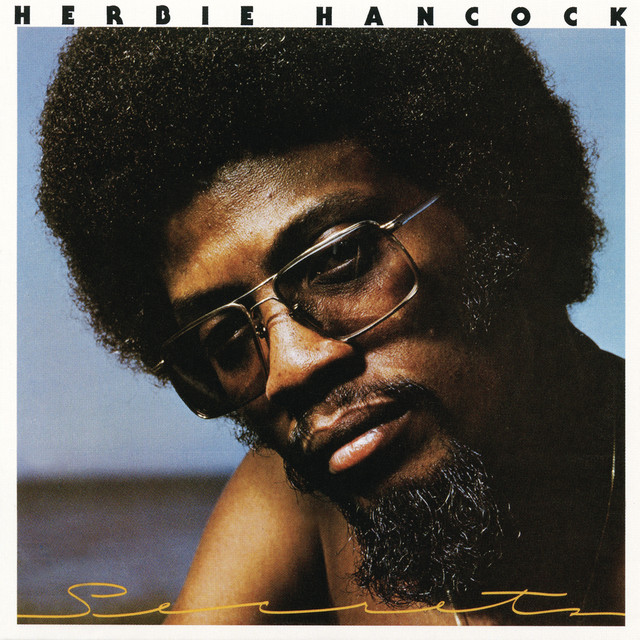
4. Secrets
Allan Holdsworth's 'Secrets' truly showcased a guitarist operating on a different plane entirely. His legato technique and unique harmonic sense were already legendary, but here, paired with those ethereal synth textures and a rock-solid rhythm section, it pushed jazz-fusion into new, more expansive territories. And, the sheer fluid complexity of his lines, recorded with such clarity, it demanded a listener's full attention, revealing depths with each pass.
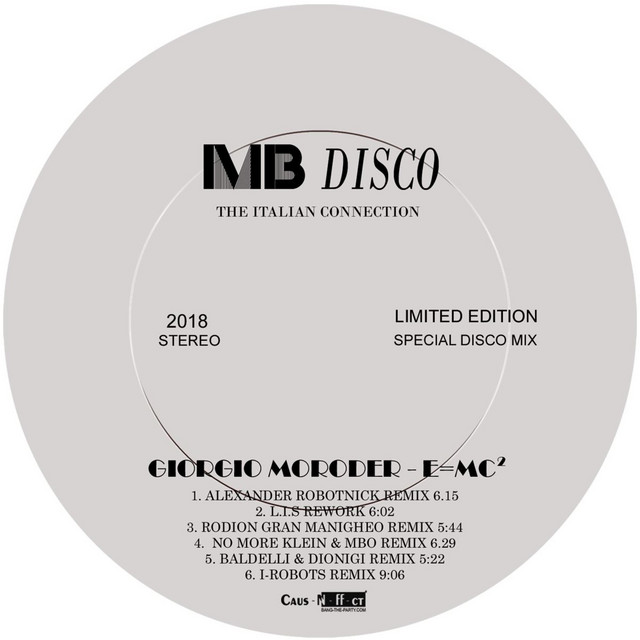
5. E=mc2
Big Audio Dynamite, with 'E=mc2', proved that post-punk energy could seamlessly integrate with nascent hip-hop aesthetics. The track's genius lay in its sparse, propulsive beat, those iconic samples, and Joe Strummer's spoken-word delivery, creating an urban narrative that felt both gritty and intellectually sharp. And, the way they built such a compelling groove from relatively few elements, it was a masterclass in pre-digital sampling and rhythmic economy.
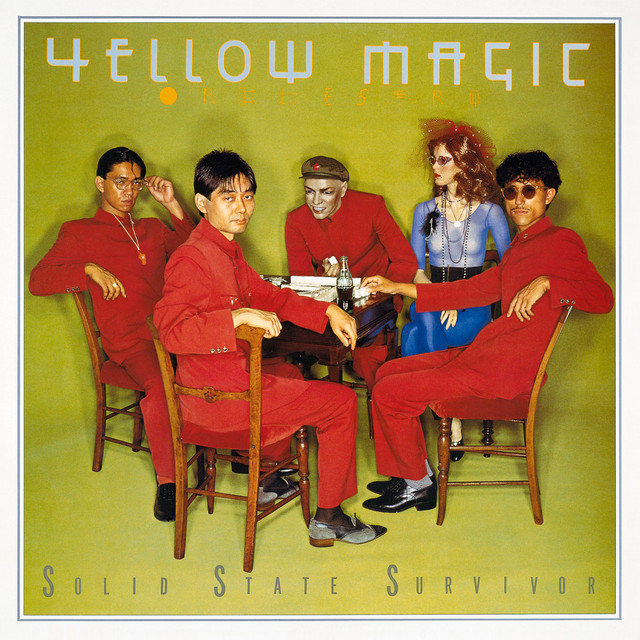
6. Solid State Survivor
Yellow Magic Orchestra understood the machine's pulse before most. This album, especially its title track, showcased an almost clinical precision in synthesizer programming and drum machine sequencing that felt utterly alien yet undeniably danceable. And, the way they layered those synthetic textures, often with understated melodic hooks, it wasn't just pop; it was a blueprint for nascent techno and electro, meticulously crafted in an era of analog synthesis.
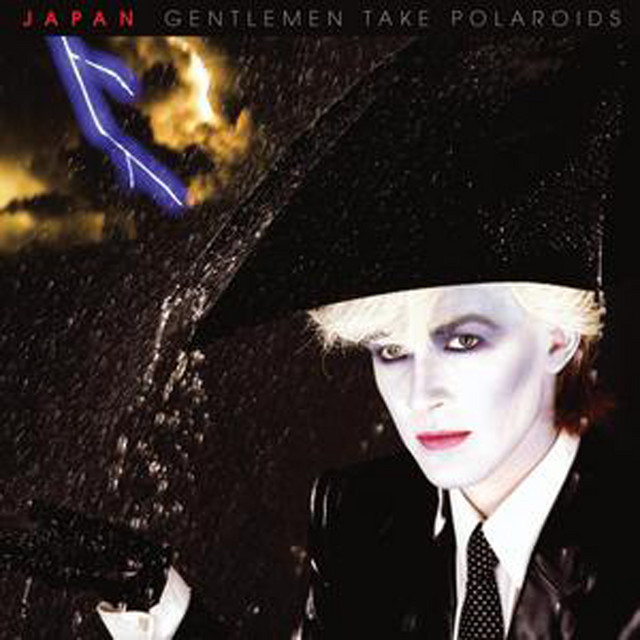
7. Gentlemen Take Polaroids
Japan's 'Gentlemen Take Polaroids' marked a pivot towards a more refined, almost icy art-rock. David Sylvian's baritone, those sleek synth lines, and Mick Karn's unmistakable fretless bass created a sound that was both opulent and stark. And, the meticulous studio craft, the way each element was placed with such deliberate precision, it cemented their reputation for sophisticated, melancholic sonic architecture, influencing countless synth-pop and new wave acts.
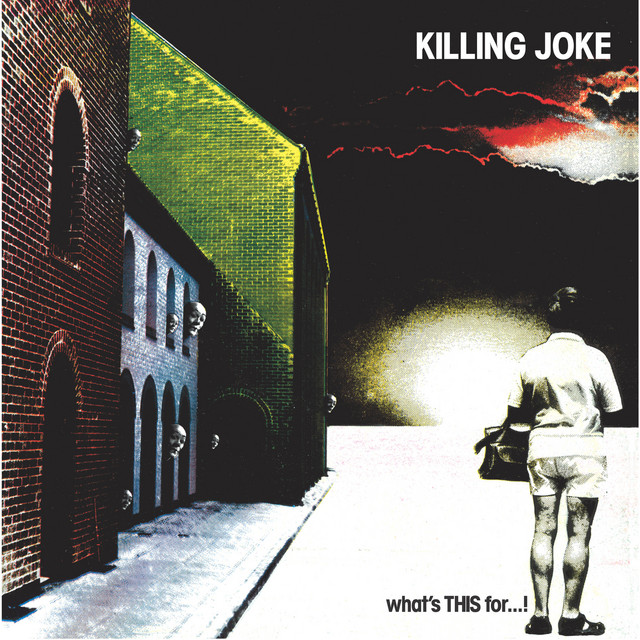
8. What's This For . . . !
Killing Joke's second album was a furious, almost primal assault. 'What's This For…!' distilled their post-punk aggression into something profoundly unsettling, with Geordie's razor-sharp guitar riffs cutting through Youth's monolithic bass lines and Paul Ferguson's tribal drumming. And, the sheer, oppressive atmosphere they conjured, a sense of dread and urgency captured so viscerally, it truly laid foundational stones for early industrial and darkwave aesthetics.

9. Deceit
This Heat’s 'Deceit' was an uncompromising document of post-punk experimentalism, pushing boundaries with its angularity and rhythmic complexity. Their ability to fuse noise, found sounds, and precise, unsettling instrumentation into cohesive, challenging pieces was astonishing. And, the raw, almost live feel of the recordings, capturing every brittle guitar shard and every percussive clang, it spoke to a radical approach to studio production in a burgeoning industrial landscape.
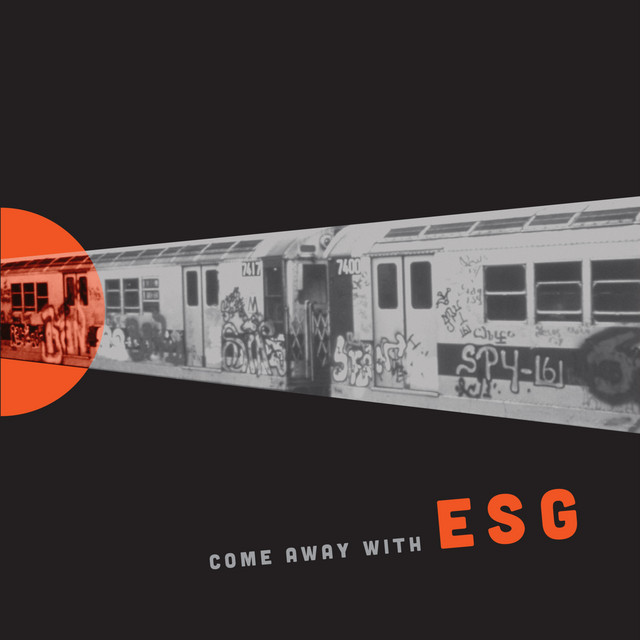
10. Come Away with ESG
ESG's debut EP was a masterclass in minimalist funk and post-punk economy. Their sound was stripped down to its essential rhythmic components: a taut bassline, insistent drums, and sparse, percussive guitar. And, the sheer infectiousness of their grooves, recorded with such raw, unpolished energy, it provided a direct lineage for early house and hip-hop, proving that less, when executed with such conviction, was undeniably more.

11. First and Last and Always Collection
The Sisters of Mercy, particularly their material from 'First and Last and Always', defined a significant chunk of the '80s darkwave sound. Andrew Eldritch's commanding baritone, the relentless drum machine pulse of 'Doktor Avalanche', and those distinctive, reverb-laden guitar riffs created an atmosphere of gothic grandeur and existential malaise. And, the consistent sonic identity they forged, it resonated deeply, establishing a template for an entire subgenre.